


Armë, kokainë dhe cannabis në zonat bregdetare/ Arrestohen dy persona
Policia e Vlorës ka finalizuar operacionin e koduar “Sigur...

Policia e Vlorës ka finalizuar operacionin e koduar “Sigur...

Albania has taken an important step on its path towards EU membership, as the EU Council approved the opening of negotiations on eight Cluster 3 chapters, including Chapter 29 on Customs Union. The European Commission assesses Albania's progress in aligning with the EU acquis and highlights the remaining obligations to achieve full customs union standards.
The Council of the European Union adopted on 8 May the EU common position on the opening of accession negotiations with Albania on 8 new chapters of Cluster 3: Competitiveness and Inclusive Growth, marking another important step forward in Albania's negotiations for membership of the European Union. This cluster represents inclusive growth for prosperity and includes eight areas, including Chapter 29, Customs Union.
In the document published by the European Commission following the conclusion of the Fourth Intergovernmental Conference between the European Union and Albania in Brussels, on Chapter 29 – Customs Union, it is underlined that the EU welcomes Albania’s progress in approximation with the EU acquis in the field of customs legislation. The EU notes with satisfaction the high level of approximation of Albania with the EU acquis, in particular as regards customs debt and customs guarantees, customs valuation, customs procedures for import and export, special procedures other than transit, Authorised Economic Operators, as well as checks on the baggage of air and sea passengers.
The EU underlines the need for Albania to further approximate its legal framework to the EU acquis, including the implementing acts of the Union Customs Code and the Common Transit Convention. In particular, Albania should approximate its legislation on the customs status of goods, transit, customs risk management and security aspects, cultural goods, control of money and drug precursors. Scanning fees applied for carrying out customs controls should be abolished, as scanning should be treated as a normal customs control and not as a service provided by the customs authorities.
The EU welcomes Albania's adequate administrative and operational capacity to fulfil existing customs tasks. The EU invites Albania to further strengthen capacity building and staff recruitment before accession, in particular in the field of Information Technology (IT). The EU underlines the need for Albania to continue developing and improving existing IT systems, in line with the Multiannual Strategic Plan for e-Customs, to ensure alignment with EU customs systems and to guarantee interoperability. The EU recalls the need for Albania to allocate sufficient financial resources to all ongoing and planned IT projects.
The EU welcomes the existence of anti-corruption structures and measures in Albania to fight corruption in the customs area. The EU also welcomes Albania's intention to strengthen the fight against customs fraud, in particular against smuggling of tobacco products. The EU notes positively that standards of professional integrity and anti-corruption are being implemented in a sustainable manner. The EU stresses the need for Albania to have sufficient administrative and performance capacity, the integrity of the Customs Administration, as well as the necessary infrastructure in central and local customs offices to implement and enforce customs legislation and to effectively control and supervise cross-border movements. The EU notes that Albania is considering accession to the Protocol to the WHO Framework Convention to Eliminate Illicit Trade in Tobacco Products.
The acquis of the customs union consists of legislation that is directly binding on the Member States. It includes the EU Customs Code and its implementing provisions, the Combined Nomenclature, the Common Customs Tariff and the provisions on tariff classification, customs duty relief, duty suspensions and certain tariff quotas, as well as other provisions, such as those on customs control of counterfeit goods, raw materials for the production of drugs, the export of cultural goods, and mutual administrative assistance in customs and transit matters./ Monitor Magazine

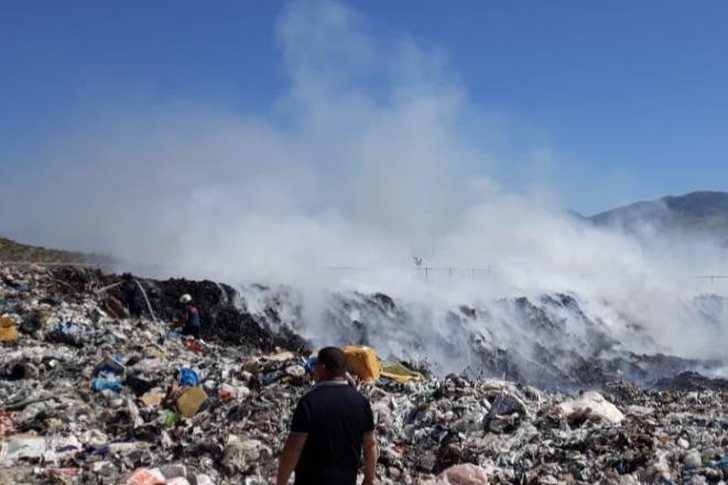
A fire has broken out at a waste landfill in Gjirokastra. ...
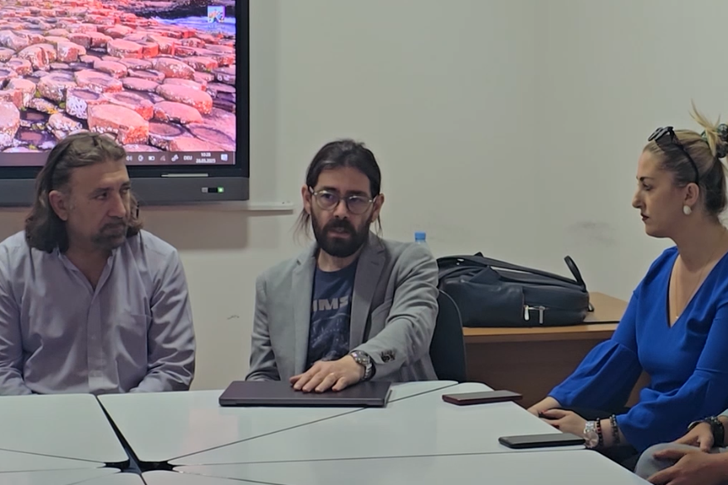
The Albanian Media Council held a meeting in Shkodra on th...

At a time when comfort, safety, and personalized care are ...
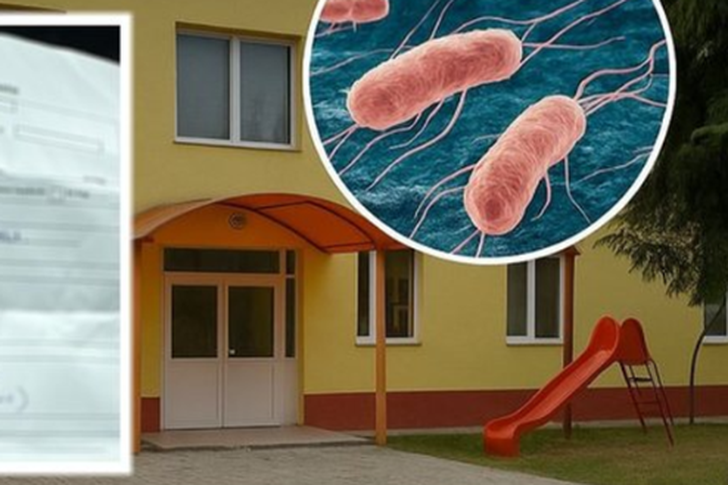
This Monday's protest by the parents of children in the Gr...
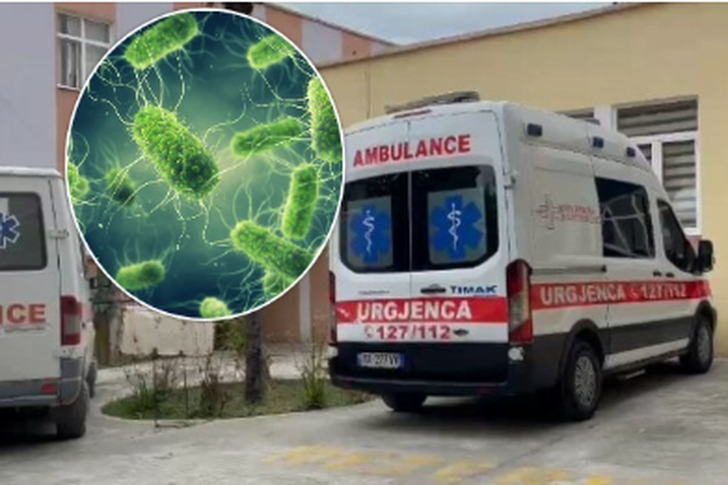
This Monday, the parents of children who were found to hav...
It is reported that the Special Prosecution Office has sei...
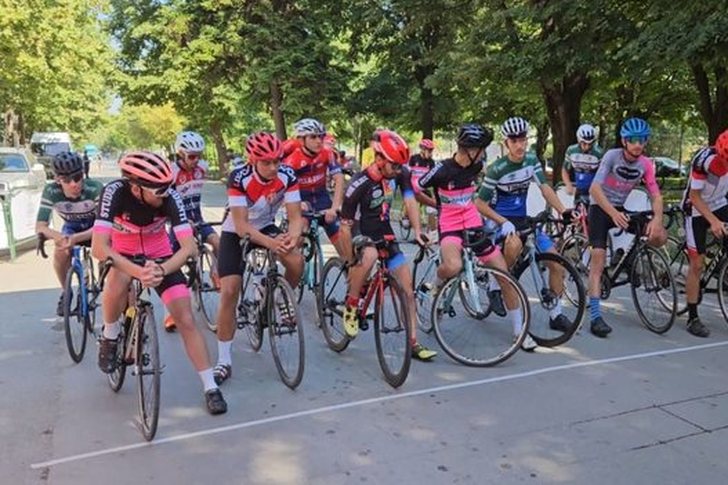
The 82nd Cycling Tour of Albania starts today, divided int...
This Monday we are introducing you to some of the main hea...
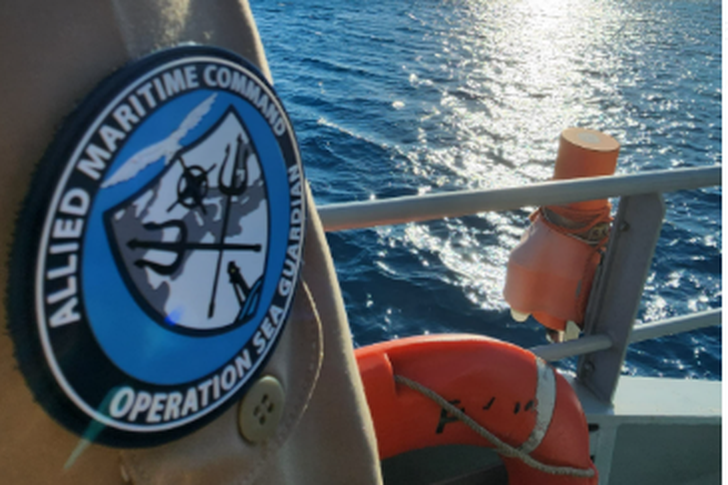
The Ministry of Defense has shared details of the rescue o...
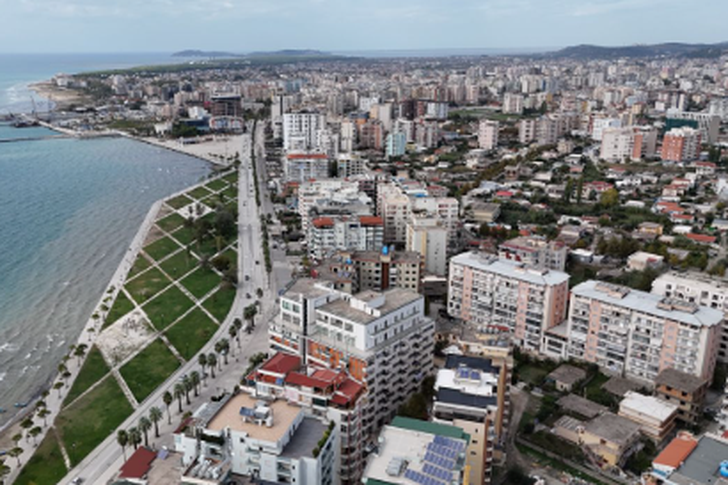
The prestigious magazine 'Forbes' has ranked Vlora as the ...
The Ministry for Europe and Foreign Affairs has just share...
News has been circulating on portals and social networks f...
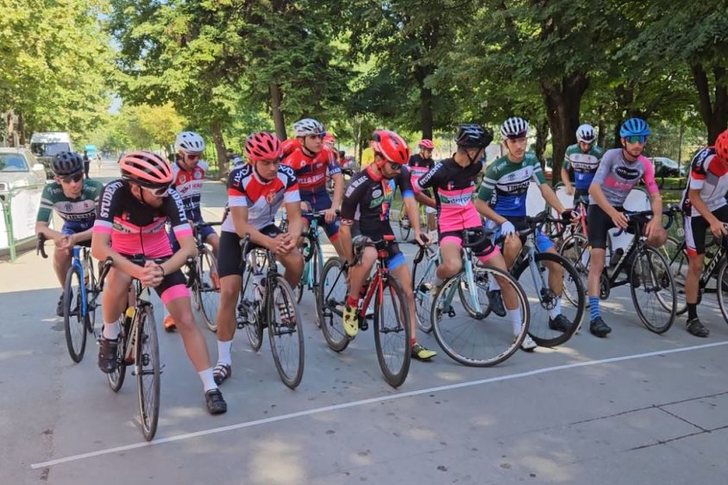
The 82nd Cycling Tour of Albania starts tomorrow, divided ...
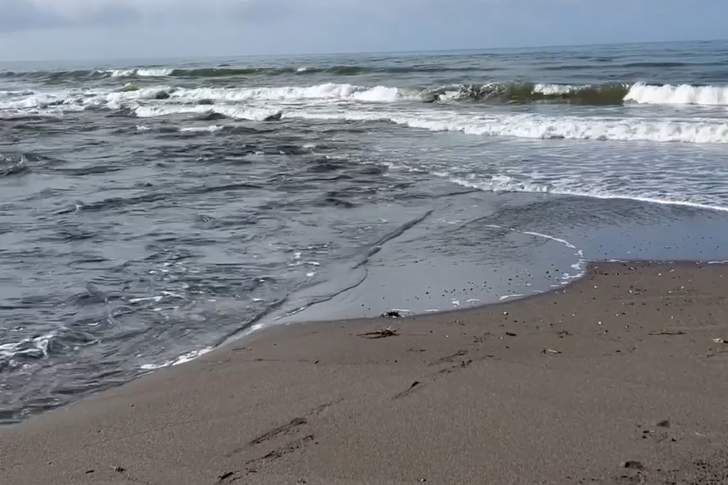
For almost 3 years, the Viluni Gorge on the beach of Velip...

Actor Elvis Pupa has broken his silence and reacted to all...
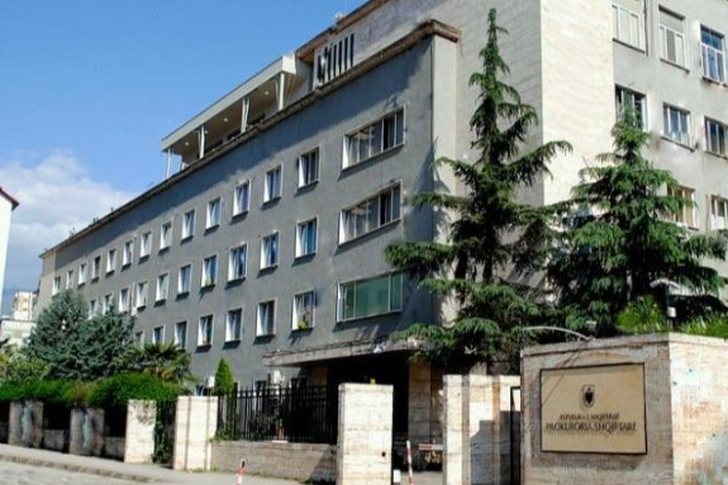
The prosecutors' offices at the first instance court with ...
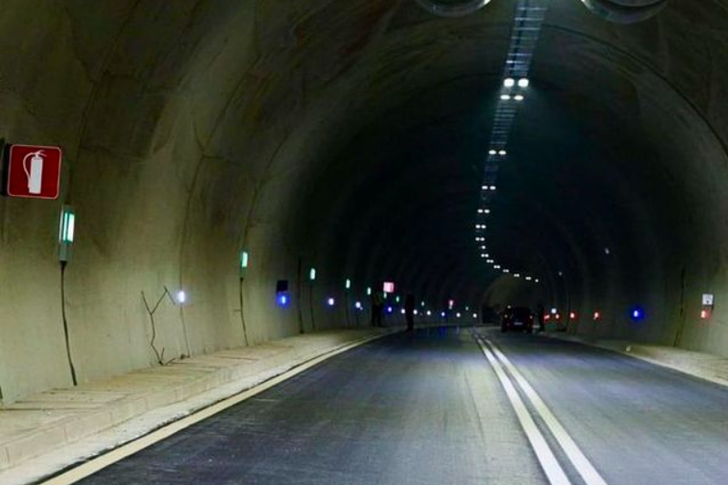
The Llogara Tunnel will open today, and will be accessible...
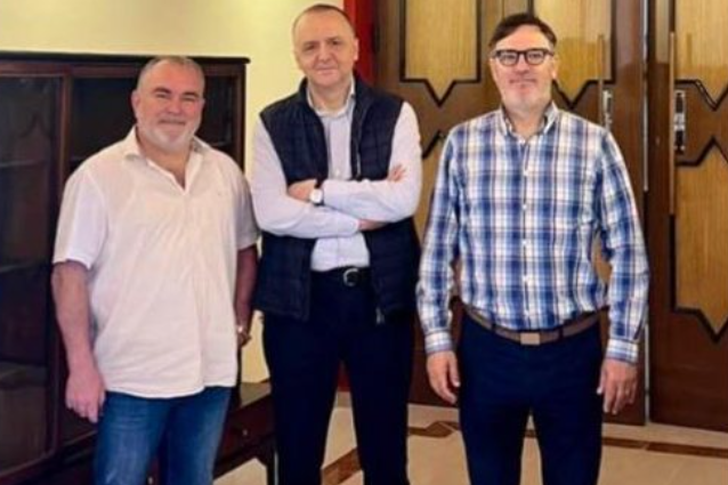
Renowned architect Artan Shkreli has shared a message foll...

The Criminal Court of Kosovo upholds the measures of impri...

Lawyer and former secretary of the Durrës Municipal Counci...
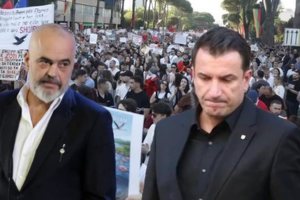
There have been 12 days of protests in the capital, which ...
Dritan Prençi is the SPAK prosecutor who is sleeping on th...
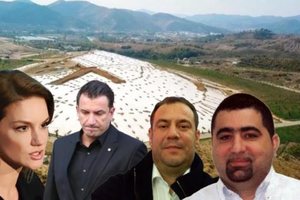
The in-depth investigations that SPAK conducted into Ajola...
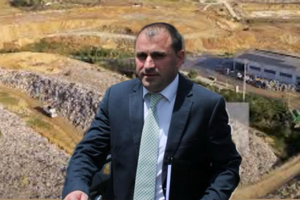
SPAK's standards, the way it investigates, how it secures ...

The Special Board of Appeal (KPA) decided this Monday ...

The KPA vetting decided this Thursday to dismiss the p...

Suela Salavaçi, a prosecutor in the Prosecutor's Offic...

The Special Board of Appeal reinstated the prosecutor ...
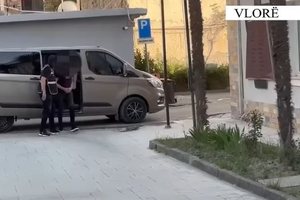
Policia e Vlorës ka finalizuar operacionin e koduar “Sigur...
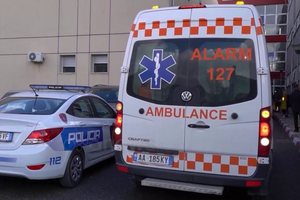
New details have emerged regarding the serious accident th...
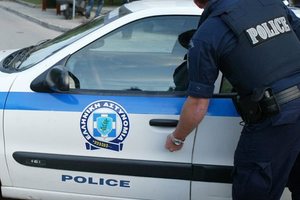
An Albanian businessman was arrested this afternoon in Gre...
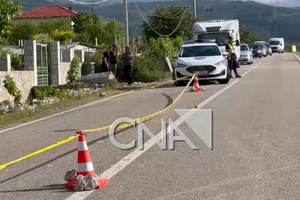
A serious accident has occurred on the Korça-Ersekë axis, ...
Today our country will be affected by stable weather condi...
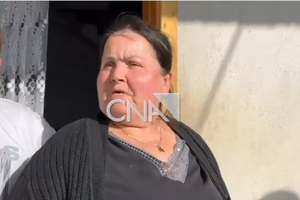
A tragic accident occurred this Friday afternoon in Kameni...

Today our country will be affected by unstable weather con...

On Thursday, our country will be affected by relatively un...
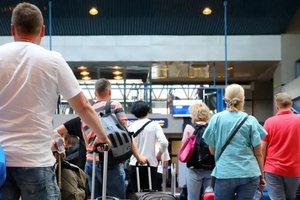
Good news for those who fly: After years of negotiations, ...
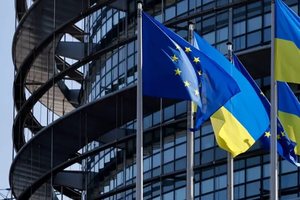
It took more than two years, but now the EU can begin acce...
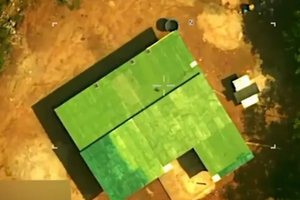
US President Donald Trump announced that the US military h...
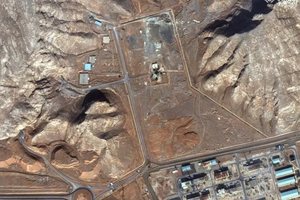
Iran has taken new measures to strengthen the protection o...
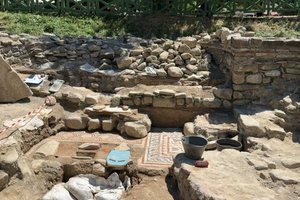
Several archaeological excavations conducted during this s...
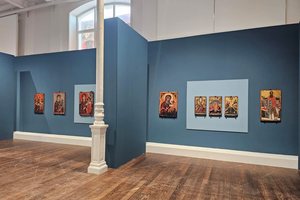
At the Museum of Fine Arts in Chambéry, France, an exhibit...
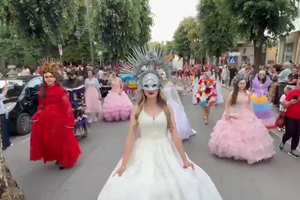
Korça has transformed this weekend into the capital of cel...
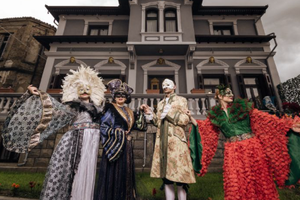
Korça is ready to open the summer season with one of the c...
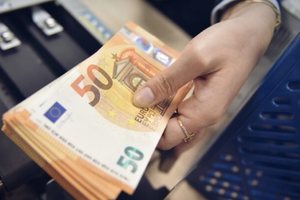
This Saturday, one US dollar is bought for 81.5 lek and so...
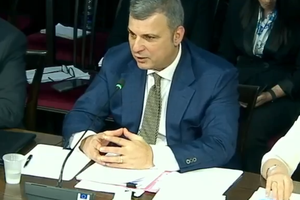
The Governor of the Bank of Albania, Gent Sejko, shared to...

Business lending has increased in the first half of this y...

The labor market has shown worrying trends in early 2026. ...