

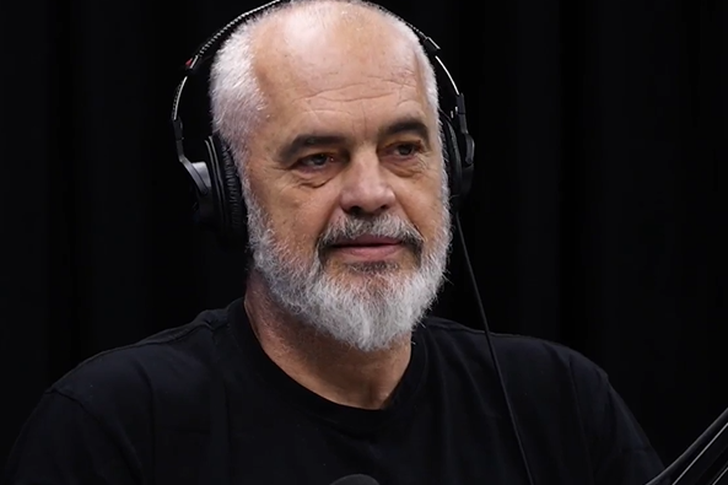
Nedim Bajrami's goal/ Rama and Xhihani share their experiences: the Italians were in awe, in shock
In the "Flasim" podcast of Prime Minister Edi Rama, th...


Where there is limited supply and high demand, economic theory says that the market develops speculation. But in underdeveloped markets and with weak regulatory institutions, the probability that abusive mechanisms will be created to the detriment of consumers and businesses is very high.
Albania has many such cases, from monopolies favored by the government, which compete with other businesses and enable the maintenance of high prices or services for consumers, to concessions that often do not offer the product for which they are paid with consumer taxes.
The biggest evil is when this offer is limited by state institutions that spend taxpayers' money to provide one of the most basic services of a citizen's life, that of health care.
The latest investigation by the Prosecutor's Office of Tirana in the Oncology Hospital revealed only the tip of the iceberg of a system that has enabled the provision of a truncated service, both in quantity and quality, creating opportunities for abusers to channel state services for private benefits.
The problem starts with the underfunding of the health sector for years. The state budget spends about 2.9% of what the economy produces in a year (Gross Domestic Product) on health, according to data from the World Bank.
This level is half of the world average of 6.5% of GDP and much lower than that of the developed countries of Europe, which reaches up to 10%.
For comparison in the region, Bosnia, Montenegro and Serbia spend from the budget on the health of their citizens over 6% of the GDP and North Macedonia, almost 5%. Even the number of doctors (18 per 10,000 inhabitants) is again the lowest in Europe.
Low government funding, combined with understaffing, is associated with poor services, forcing citizens to spend their own money on a service that they should theoretically get for free, as they pay taxes once.
Albania is the country that has the largest out-of-pocket payments for health in Europe, with about 60% of the total, from 17% which is the global average for this indicator, according to World Bank data.
In the global ranking, Albania ranks 15th, with countries like Afghanistan, Guatemala, Bangladesh, etc. The increase in the share that citizens spend on their own by almost 20 percentage points in two decades is a clear indicator of the deterioration of the quality of the health service
Even those fundings that have been increased in recent years have gone to cover payments for 4 concessions of the health system, which have little or no effect on the quality of the service, while some of them are already under investigation by SPAK.
From 2017-2023, according to data from the Ministry of Finance, nearly 26 billion ALL were spent on sterilization, dialysis, check-up, laboratories, enough for the construction of 3-4 new modern hospitals.
The transfer of funds to concessions, which are proving to be problematic, with high costs for what they actually offer, has been done at the expense of drug reimbursement.
Official data show that in 2019, the reimbursement fund accounted for 24% of the total expenses of the Mandatory Health Insurance Fund, while in 2024, this figure is estimated at only 20.6%.
The High State Control observed last year that the needs for medicines in the Health Care Center were 3-4 times higher than the budget approved for this purpose. In the case of medicines, lack of funding as needed translates into fewer lives or high out-of-pocket costs for patients to be treated outside the public system.
In contrast, year after year, the share of expenses for health concessions increased, reaching 23.7% of the funds collected from health insurance contributions from employees.
It is clear that the fault is not only of the individual, but much wider, of an entire state mechanism that has failed to offer citizens what it has promised them and for which they are taxed, forcing citizens with income lowest in Europe to look for alternative ways to "buy" life.
So it is fairer to say that the system was set up wrongly and in an abusive manner. But have we said the complete conclusion? No. Apart from the system, it is already clear that the will of the government has been such that it has supported and persistently keeps this phenomenon afloat.
The reason is clear. It can be found in the cases that are under investigation by the justice bodies and the Assembly, or in other cases that do not dare to be investigated, but are already a public secret./ Monitor magazine

In the "Flasim" podcast of Prime Minister Edi Rama, th...
Deputy Tomor Alizoti has declared that the political s...
INSTAT has published today the data of the Population ...
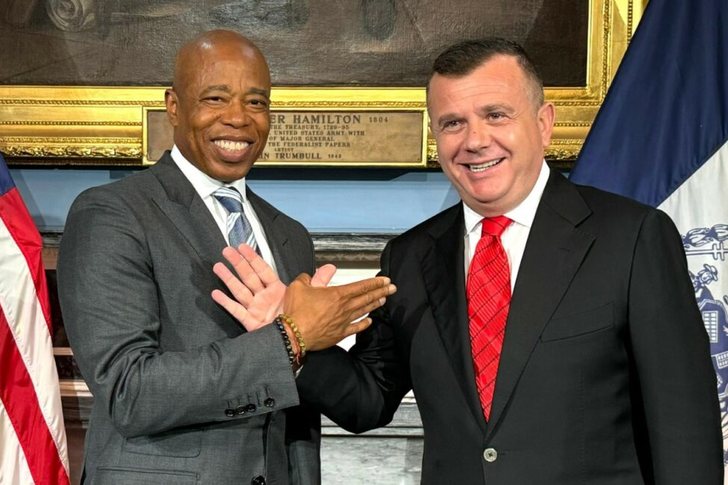
Interior Minister Taulant Balla has paid a visit to th...
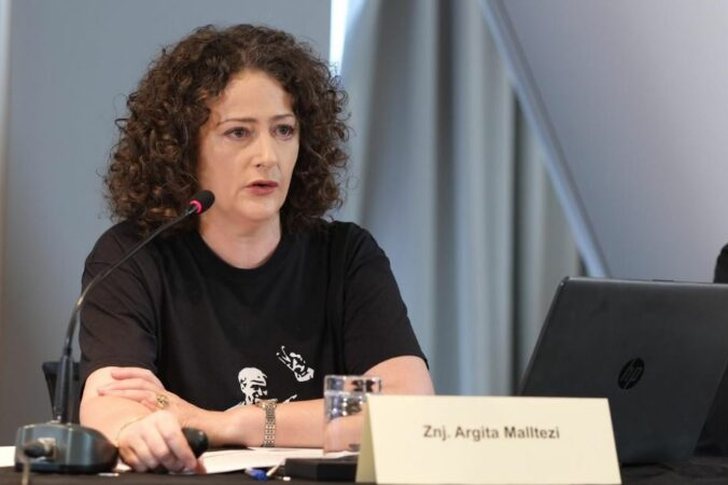
Argita Malltezi has opposed the idea of Gazment Bard...

The Prosecutor's Office of Vlora has transferred to SP...
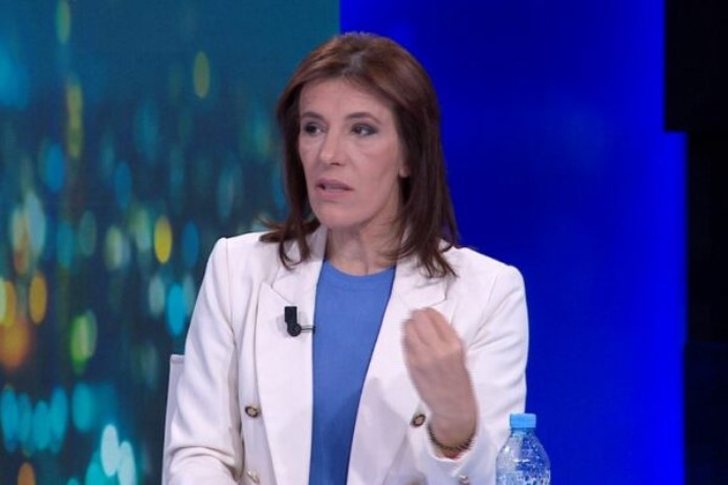
Journalist Klodiana Lala in her show "Në Shënještër" a...
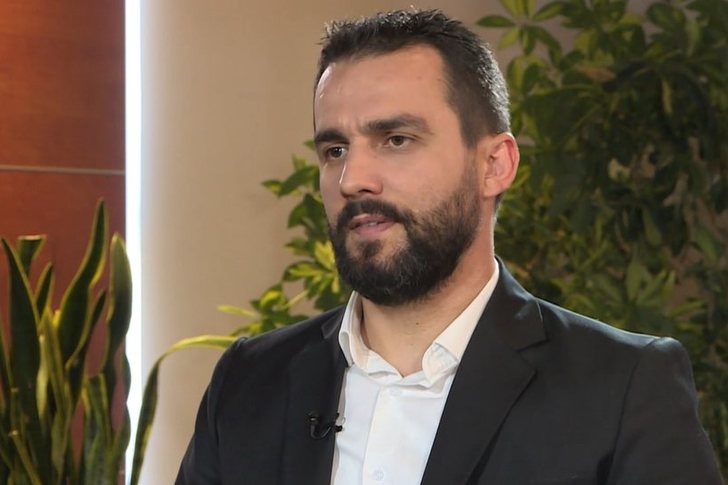
The founder of the movement, "Albania Becomes", Adriat...
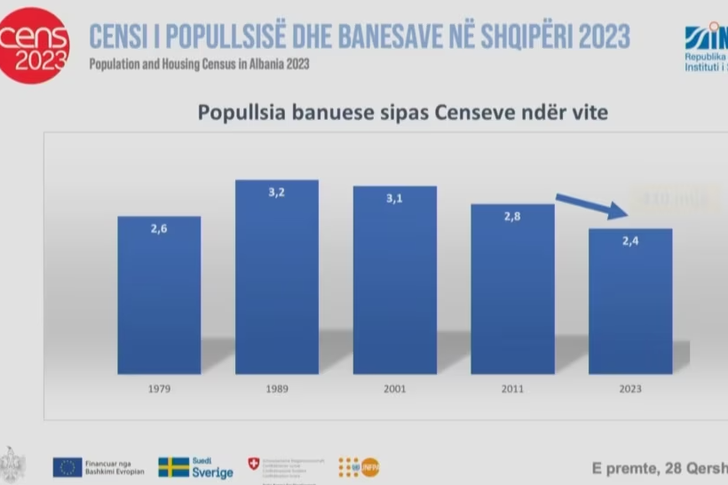
In Albania, the country's population in 2023 turns out...

The head of the Democratic Party, Sali Berisha, reacte...
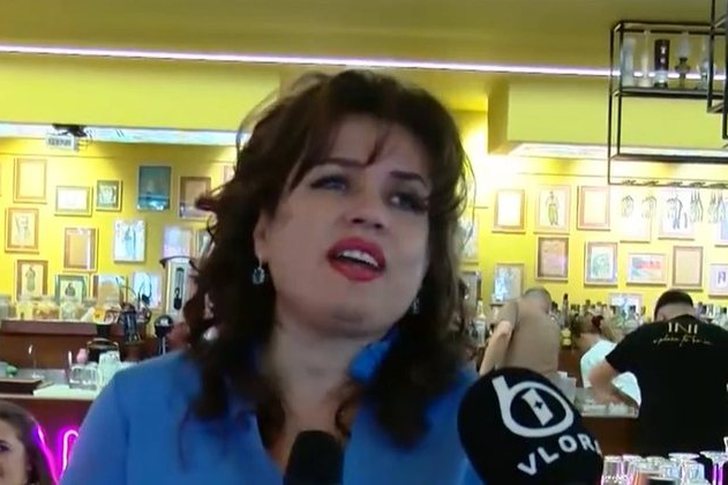
The rector-elect of Ismail Qemali University in Vlora, Aur...
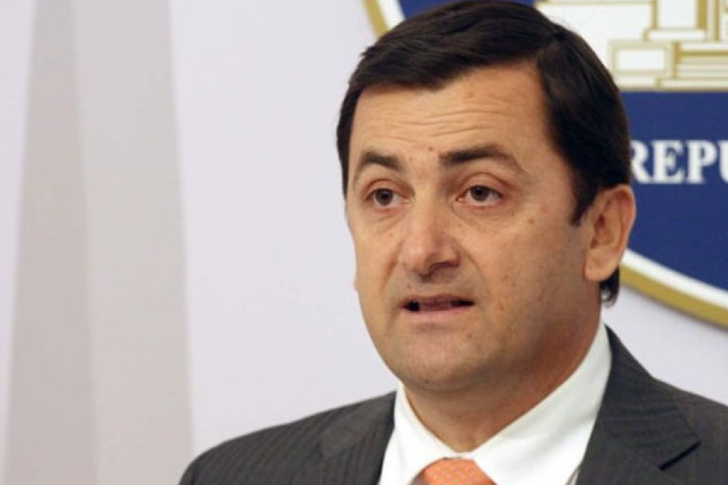
The OMONIA organization in Himare has attacked Vangjel...

CNA has created a poll that asks citizens who could be...
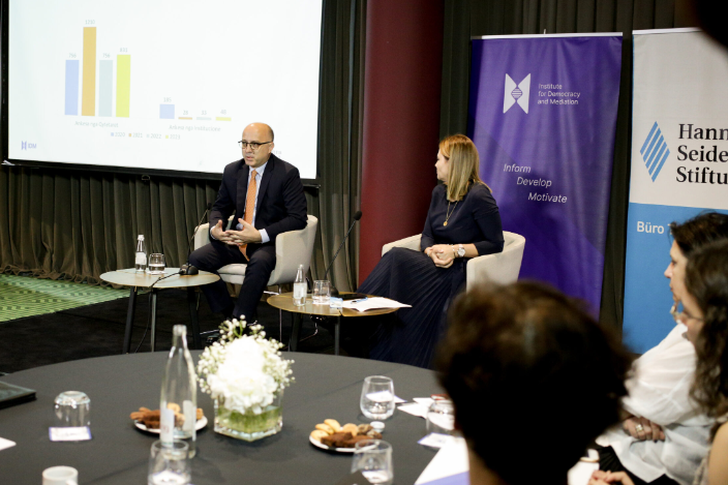
High Inspector of Justice Artur Metani was the guest o...
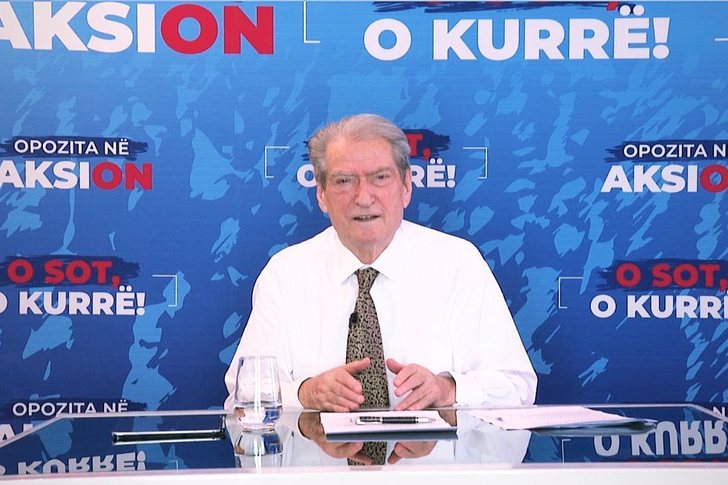
The head of the DP, Sali Berisha, stated at the meetin...

The head of the DP, Sali Berisha, is speaking at the m...
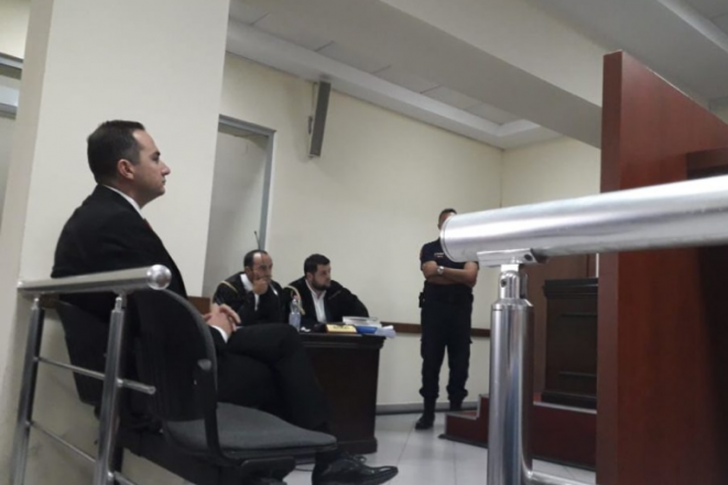
Yesterday, the Court of Appeal announced the postponem...
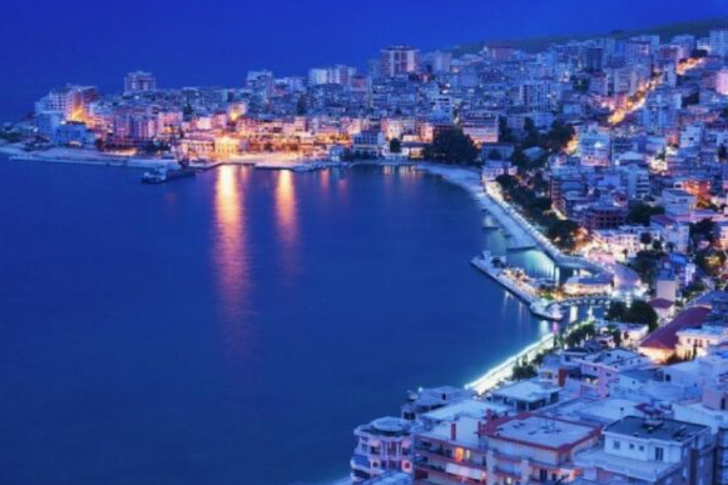
A week ago, CNA showed how in various bars in the Sout...
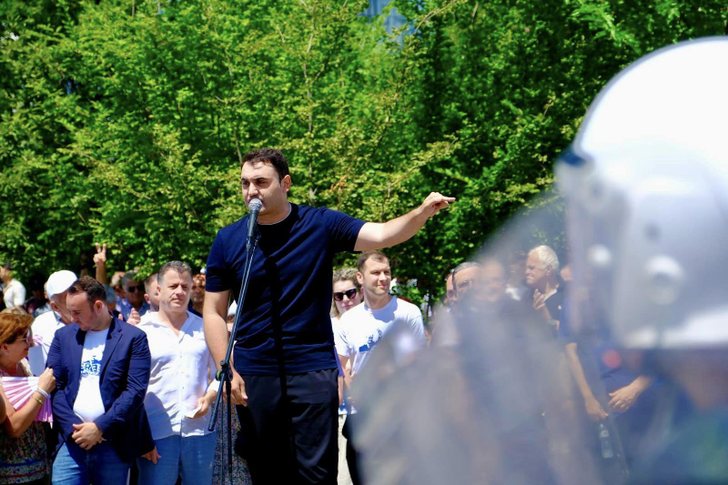
The political leader of the DP for Tirana, Belind Kell...
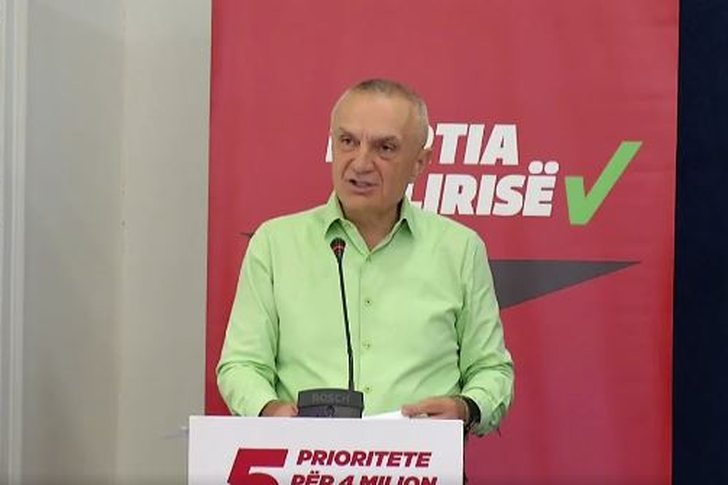
The head of PL, Ilir Meta, during an interview, talked...

CNA has launched another investigation that could lead to ...

Irfan Hysenbelliu is a businessman that we call "Irfan the...

In March 2026, CNA launched another investigation centered...
The arrested mayor of Tirana, Erion Veliaj, with 13 charge...

The Special Board of Appeal (KPA) decided this Monday ...

The KPA vetting decided this Thursday to dismiss the p...

Suela Salavaçi, a prosecutor in the Prosecutor's Offic...

The Special Board of Appeal reinstated the prosecutor ...
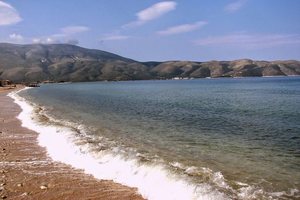
A person has died today on Orikum beach. According to repo...
Footage emerges from the serious accident that occurred th...
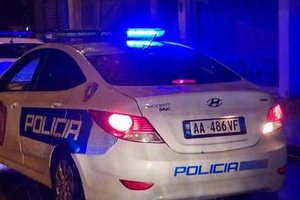
A Shkodra traffic police officer was hit with hard objects...
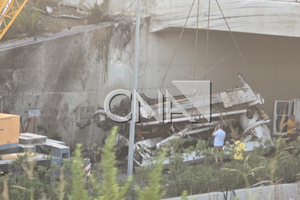
This Wednesday, around 4:00 PM, a serious accident occurre...

Children without parental care, for whom alternative famil...

On Thursday, our country will be under the influence of st...
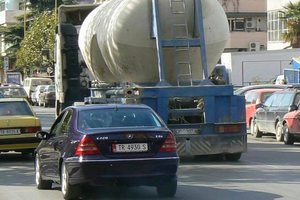
A serious accident that occurred this Wednesday with the c...

The Institute of Geosciences has shared a forecast for wea...

Artificial intelligence (AI) models from the American comp...
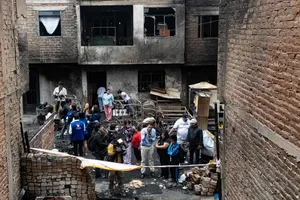
At least 10 people have died after a fire broke out in a h...
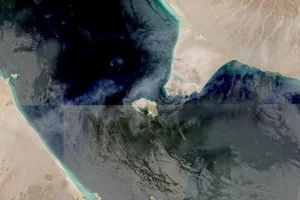
Yemen's Houthis have claimed to have attacked two Saudi oi...
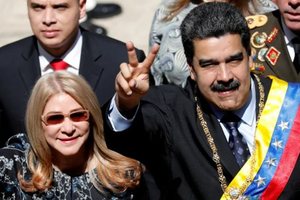
The trial of ousted Venezuelan President Nicolas Maduro on...

At a time when industrial products are increasingly taking...

Trust among people is not just a three-syllable word. It c...

Master of humor Todi Llupi has passed away at the age of 7...

The ninth edition of "MIK Festival" kicked off with one of...
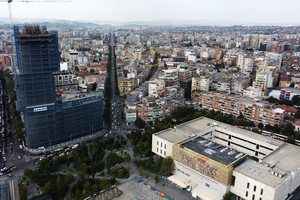
The average sale price of apartments in Tirana reaches rec...
This Thursday, one US dollar is bought for 81.5 lek and so...
The price of diesel reached 206 lek per liter from 198 lek...

Businesses will no longer be required to simply register t...