


Census results/ Berisha: We warned him, Rama was manipulating the numbers
The head of the Democratic Party, Sali Berisha, reacte...


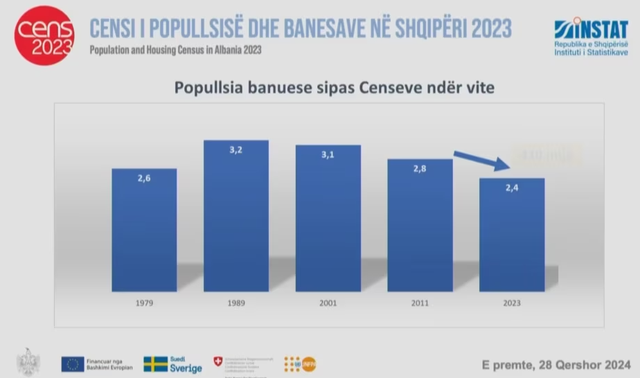
In Albania, the country's population in 2023 turns out to have shrunk by 15 percent, compared to 12 years ago. The Census data, made public today by the Institute of Statistics, prove that the number of inhabitants in the country has decreased by 429 thousand inhabitants. The well-known professor of demography, Arjan Gjonçaj, explains that the phenomenon of immigration is seen as the main factor, along with the decline in the natural addition of the population, as a result of the decrease in births. Nearly 600,000 Albanians have left since 2011
Today's data from the Population Census show that the country is facing the strongest population decline. From slightly more than 2.8 million in 2011, last year the resident population fell to 2.4 million, almost 15 percent less, while compared to 1989, Albania has lost 1 quarter of its inhabitants.
Arjan Gjonçaj, professor of demography at the "London School of Economics", explains to the Voice of America, the reasons for these figures. "The main message is that the population of Albania continues to decline, and at a higher rate than before, due to of immigration and low birth rate. Emigration remains the biggest wound," he says.
According to the Census, emigration has maintained almost the same trend as in the period 2001-2011, with an average of 50,000 people leaving per year, or 600,000 Albanians who have left the country in the last 12 years. However, the same data show that, until 2023, nearly 108 thousand more have returned, where almost 26 thousand, only last year. According to Professor Gjonçajt "with the good growth of the Albanian economy, we can have a return of the positive trend, even some of us think that it can happen within the next 5 years"
The natural increase of the population appears problematic, with a progressive decline in births. Preliminary data for 2023 speak of 24,000 births and 22,000 deaths. Compared to 2011, births have decreased by almost 30 percent, and over 50 percent compared to 2001.
This phenomenon, together with emigration and increased life expectancy, is leading to an aging population. The average age last year went to 42 and a half years, according to the census, increasing by 7 years compared to 2011. Census data shows that one in 5 residents is over 65 years old, while this ratio was 1 in 9 in The 2011 census. "The aging of the population is not a new phenomenon. We know that. Albania has the fastest aging rate in Europe. And aging comes as a result of emigration and the decline of the labor force", Professor Gjonçaj points out.
According to him, there are two problems that must be addressed regarding the elderly: "The first problem is social care. We have a tradition of caring for parents. But from the demographic point of view, there are no more children, or they are emigrating or there is a low birth rate. So there are no sons and daughters to take care of the parents. We do not have a tradition of institutional care. The second is health care. As the percentage of the population in the third age increases, we know that chronic diseases also increase with aging. And this requires either preventive policies for chronic diseases, or improving tertiary health to cope with the challenges that come from aging".
The Census data also brought a panorama of internal migratory movements, which have led to almost a third of the population being concentrated in the district of Tirana with an increase of 1.2 percent compared to 12 years ago, while only the Municipality of the capital counts nearly 600 thousand inhabitants. The second district with the highest percentage of the population is Fieri with 10 percent, followed by Elbasan with 9.7 percent of the population. While Kukësi and Gjirokastra have the lowest percentage, with 2.6 and 2.5 percent.
In contrast to 2011, we have an inversion of male/female ratios. The latter turn out to be 50.4 percent of the population. They are also significantly superior to men in terms of university education. More than half of women have completed higher studies, compared to only 33 percent of men.
As far as religious belief is concerned, the census data do not hold any surprises. Those who have declared that they belong to the Muslim faith are over 1.1 million, to whom 116 thousand Bektash Muslims are added. Catholic Christians occupy the second place with over 200,000 believers, Orthodox Christians follow with 176,000, while 9,700 have declared themselves evangelical Christians. 10 percent of the population did not answer the question about religious belief, and 4 percent declared themselves atheists./ VOA

The head of the Democratic Party, Sali Berisha, reacte...

The rector-elect of Ismail Qemali University in Vlora, Aur...
The OMONIA organization in Himare has attacked Vangjel...

CNA has created a poll that asks citizens who could be...
High Inspector of Justice Artur Metani was the guest o...
The head of the DP, Sali Berisha, stated at the meetin...

The head of the DP, Sali Berisha, is speaking at the m...
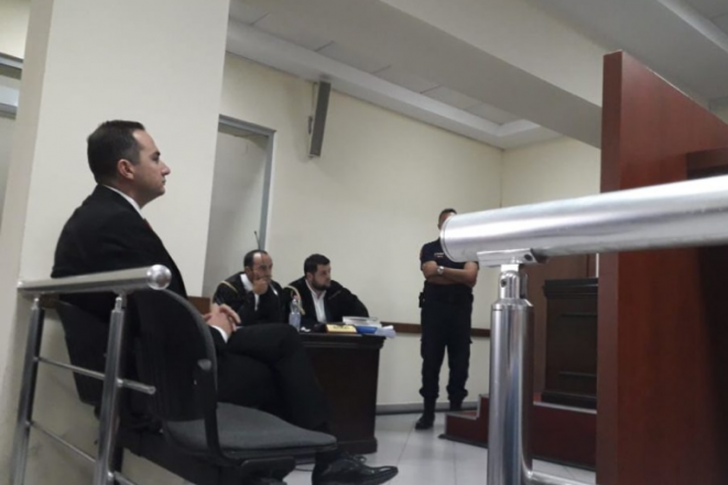
Yesterday, the Court of Appeal announced the postponem...
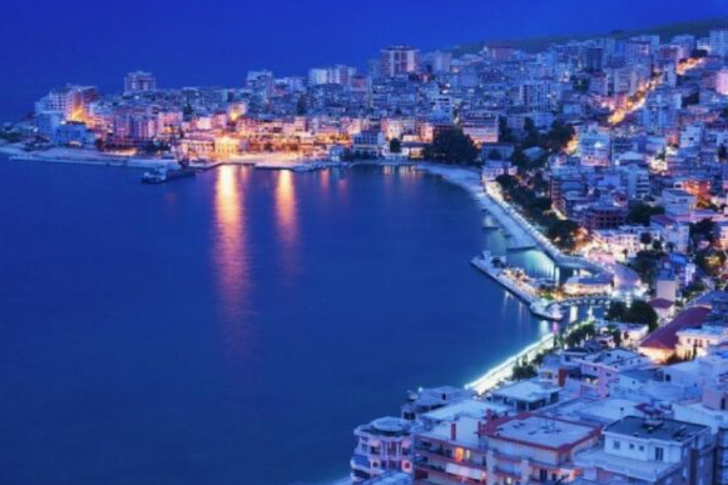
A week ago, CNA showed how in various bars in the Sout...

The political leader of the DP for Tirana, Belind Kell...
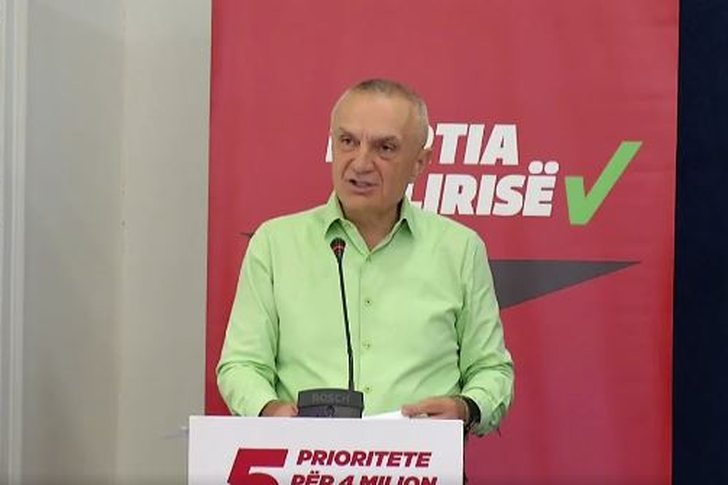
The head of PL, Ilir Meta, during an interview, talked...
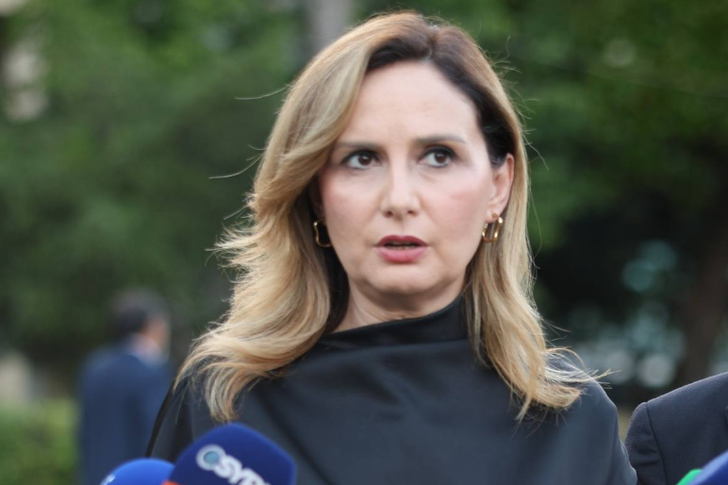
DP MP Jorida Tabaku reacted after the decision of the ...

Activists of the Alliance for the Protection of the Th...

Today, CNA reported that the mayor Erion Veliaj ...
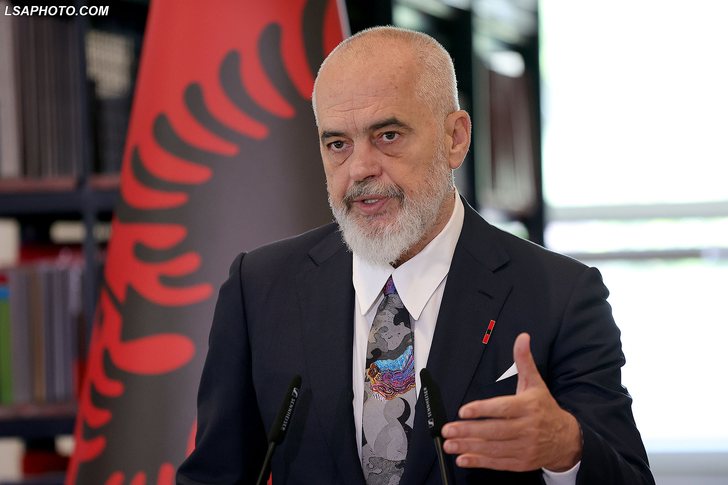
Prime Minister Edi Rama reacted after his brother Olsi...

INSTAT has published today the population census data....

INSTAT's data on the Population Census have revealed t...

From July 1 to September 1, Tring brings Summertime. For ...

Alastair King-Smith has completed his mandate as ambas...
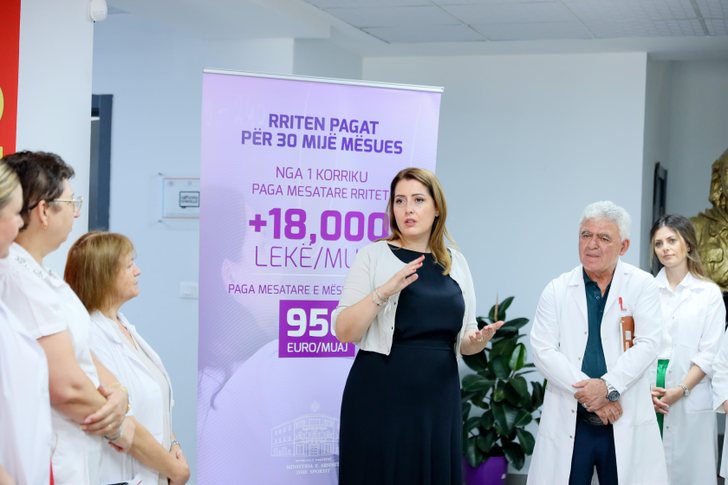
The Minister of Education and Sports, Ogerta Manastirliu, ...

CNA has launched another investigation that could lead to ...

Irfan Hysenbelliu is a businessman that we call "Irfan the...

In March 2026, CNA launched another investigation centered...
The arrested mayor of Tirana, Erion Veliaj, with 13 charge...

The Special Board of Appeal (KPA) decided this Monday ...

The KPA vetting decided this Thursday to dismiss the p...

Suela Salavaçi, a prosecutor in the Prosecutor's Offic...

The Special Board of Appeal reinstated the prosecutor ...
A person has died today on Orikum beach. According to repo...

Footage emerges from the serious accident that occurred th...

A Shkodra traffic police officer was hit with hard objects...
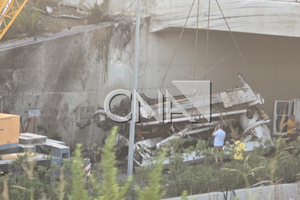
This Wednesday, around 4:00 PM, a serious accident occurre...

Children without parental care, for whom alternative famil...

On Thursday, our country will be under the influence of st...
A serious accident that occurred this Wednesday with the c...

The Institute of Geosciences has shared a forecast for wea...

Artificial intelligence (AI) models from the American comp...
At least 10 people have died after a fire broke out in a h...

Yemen's Houthis have claimed to have attacked two Saudi oi...

The trial of ousted Venezuelan President Nicolas Maduro on...

At a time when industrial products are increasingly taking...

Trust among people is not just a three-syllable word. It c...

Master of humor Todi Llupi has passed away at the age of 7...

The ninth edition of "MIK Festival" kicked off with one of...
The average sale price of apartments in Tirana reaches rec...

This Thursday, one US dollar is bought for 81.5 lek and so...

The price of diesel reached 206 lek per liter from 198 lek...

Businesses will no longer be required to simply register t...