

Exclusive/ The 99th person who prepared the lawsuit against prosecutor Ols Dado on behalf of Zdroms is revealed
The arrested mayor of Tirana, Erion Veliaj, continued his ...



The SafeJournalists Network, through an official statement, has called for amendments to the Criminal Code of Albania to be strengthened to ensure the full decriminalization of defamation.
This act, according to the network, would constitute an important step forward in improving the climate for media freedom, the safety of journalists, and freedom of expression.
Statement from SafeJournalists:
The signatory organizations of the SafeJournalists Network, partners of the Rapid Response Mechanism for Media Freedom (RRM), as well as Reporters Without Borders (RSF), emphasize today that the recent changes to the Albanian Criminal Code, while positive, need to be strengthened to ensure the full decriminalization of defamation.
Our organizations welcome the amendments to the Criminal Code of Albania, approved on January 21, 2026 by the Parliamentary Committee on Legal Affairs and Public Administration, which, if finally adopted, would constitute important steps forward in improving the climate for media freedom, the safety of journalists, and freedom of expression.
These amendments reflect a clear political will to move away from the criminalisation of defamation as part of the European Union accession process, recognising that reporting in the public interest carried out in good faith should not be subject to criminal punishment. We also particularly welcome the strengthening of criminal protection against violence and serious threats against journalists for exercising their professional duties, in particular through amendments to Articles 237 and 238 of the Criminal Code, which address long-standing concerns regarding the safety of journalists and the positive obligations of the state under European human rights law.
At the same time, European standards make it clear that partial or status-based approaches to decriminalizing defamation are not sufficient to effectively protect freedom of expression. As long as defamation remains a criminal offense, it produces chilling effects on journalists, civil society actors, activists, whistleblowers and other watchdogs or guardians of the public interest. For this reason, the full decriminalization of defamation and insult remains the only acceptable outcome, necessary to ensure sustainable alignment with European standards and to protect expression in the public interest in Albania.
In this context, we note that the newly adopted amendments do not yet achieve this objective. The current text provides for a limited, status-based exemption from criminal liability, applicable only to journalists described as “registered and known” and only in relation to defamation, while insult remains a criminal offence. This approach raises serious concerns regarding legal certainty, equal protection of freedom of expression and the continued chilling effect of criminal law on public debate.
In particular, limiting protection to a narrow professional category risks excluding other public interest speakers, including civil society organizations, activists, researchers, whistleblowers and citizens, who play an essential role in democratic discourse. Furthermore, references to “registered and recognized” journalists are problematic in a context where Albania does not have a formal system of registration of journalists and where the establishment of such mechanisms would be incompatible with European standards on media freedom and independence.
Also, maintaining parallel criminal offenses, such as insult, undermines the effectiveness of partial reforms, allowing critical expression to be prosecuted through alternative provisions and maintaining the pressure of criminal law on free speech.
Given the above, we encourage the Albanian authorities to build on the positive steps taken so far and pursue the full decriminalization of defamation and insult, in line with European and international standards, ensuring that the protection of expression is based on its function and on public interest and good faith, and not on professional or status criteria.
Such an approach would consolidate the progress achieved so far and ensure that Albania's legal framework truly protects freedom of expression as a fundamental pillar of a democratic society and the rule of law.
We reaffirm our commitment to support Albanian institutions in improving legislation related to media freedom and freedom of expression. We support the joint statement of civil society organizations in Albania and their continued commitment to improving the legal framework for freedom of expression. /CNA

The arrested mayor of Tirana, Erion Veliaj, continued his ...
The Constitutional Court's Trial Panel has decided to move...
On Saturday, January 24, 2026, the opposition held a natio...
Dallëndyshe Bici has left the leadership of the Territory ...
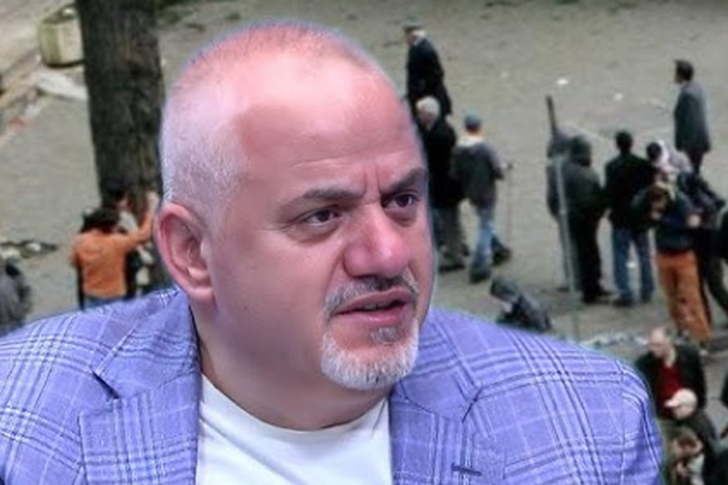
Journalist Artan Hoxha left the premises of the Special Pr...
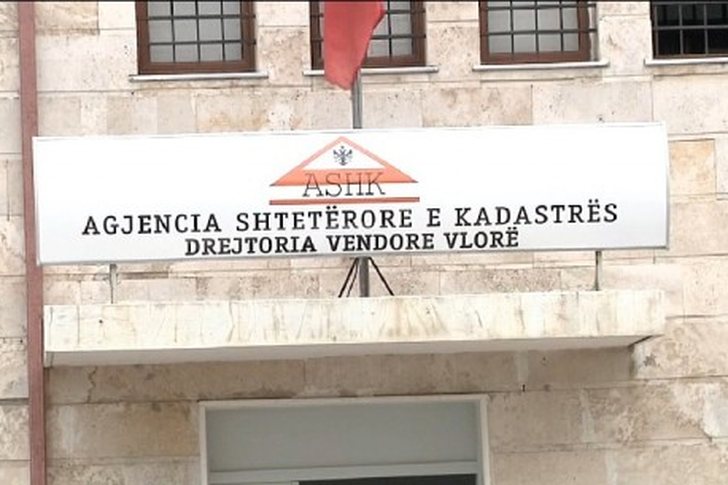
The Local Directorate of the State Cadastre Agency of Vlor...
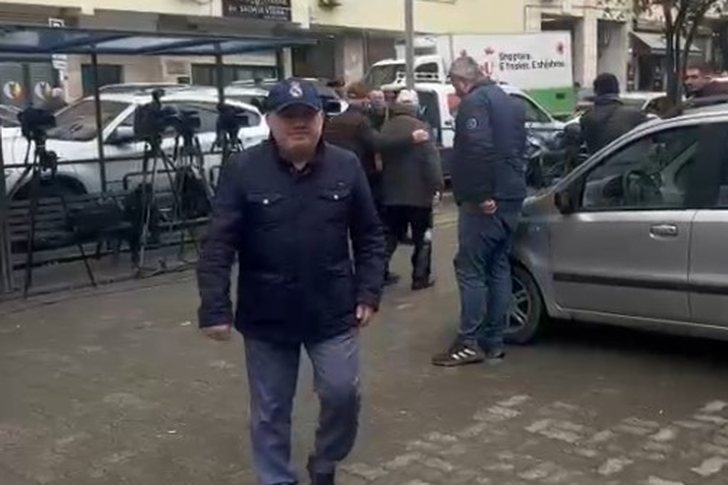
Journalist Artan Hoxha appears before SPAK. He hands over ...
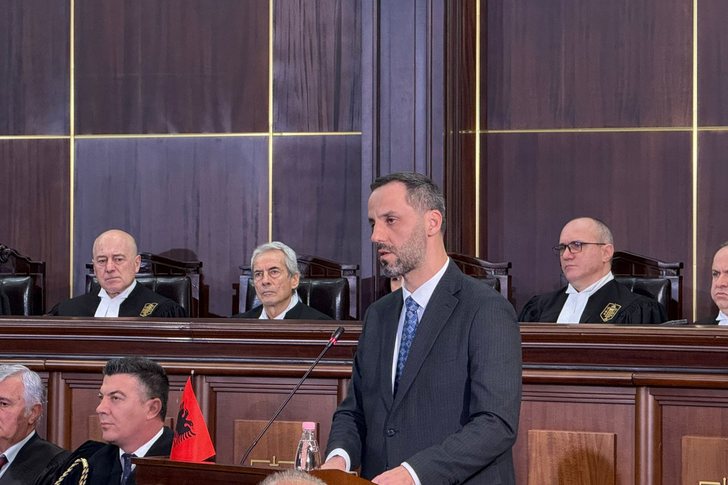
The Minister of Justice, Besfort Lamallari, delivered his ...
The Director of Taxation, Ilir Binaj, held a joint confere...
The son-in-law of the leader of the Democratic Party, Jama...
Prime Minister Edi Rama and his wife Linda Rama arrived in...

Politics is often considered a somewhat abstract field, de...
The Institute of Geosciences has shared a forecast for met...
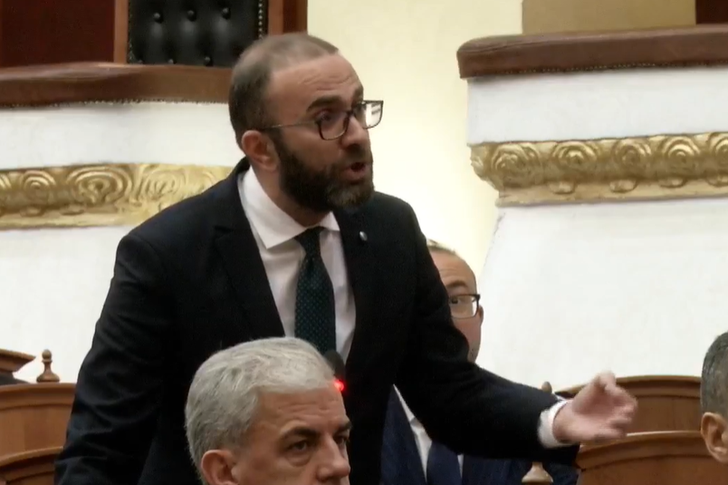
The head of the DP group, Gazment Bardhi, has reacted afte...
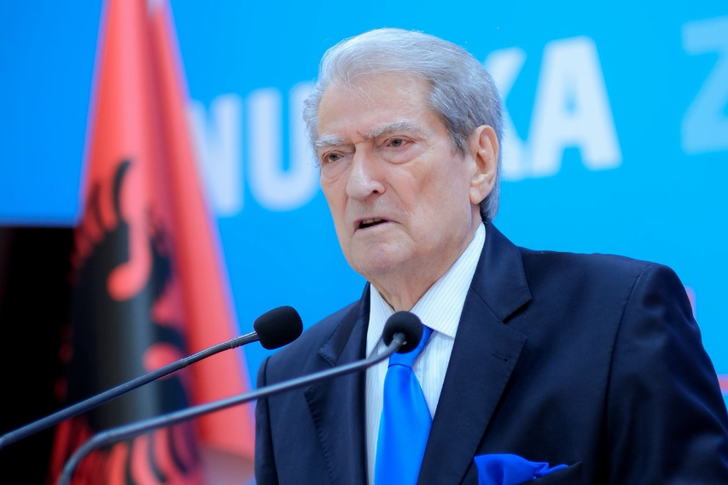
DP leader Sali Berisha has made strong accusations against...
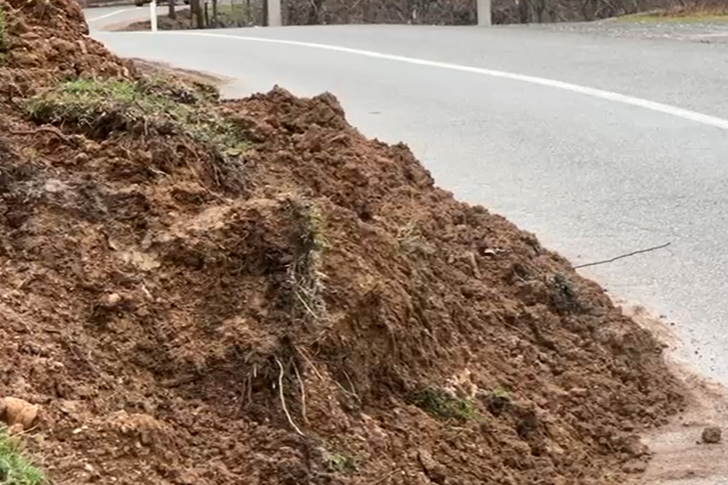
Rainfall has created problems on the Skuraj-Burrel axis. D...
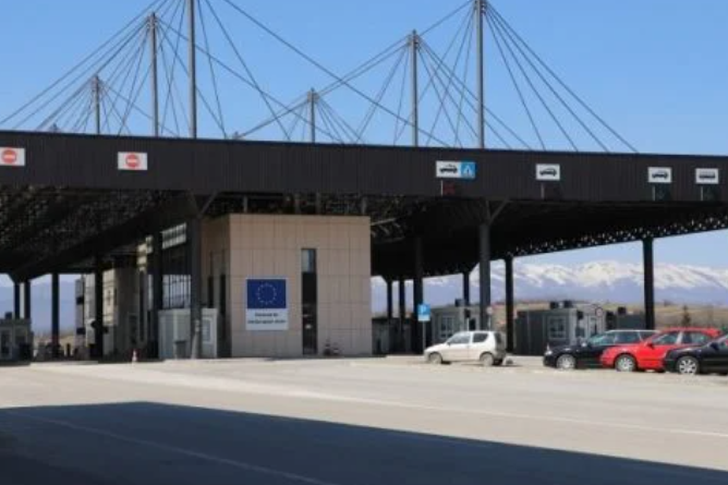
Due to a protest expected to take place in the territory o...
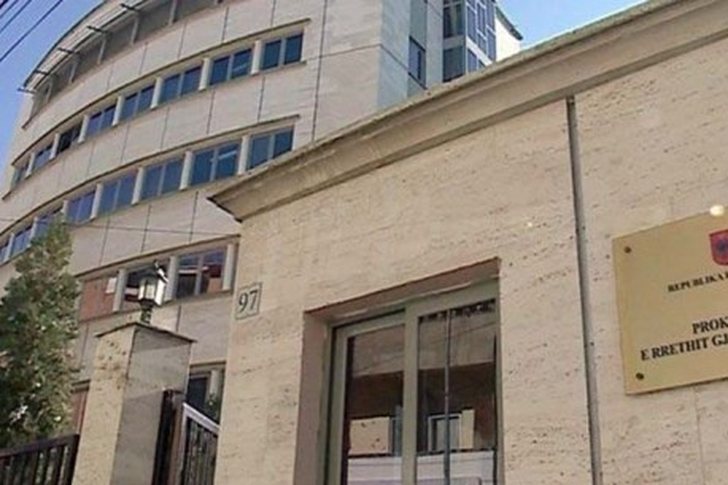
The Prosecutor's Office at the First Instance Court of Gen...
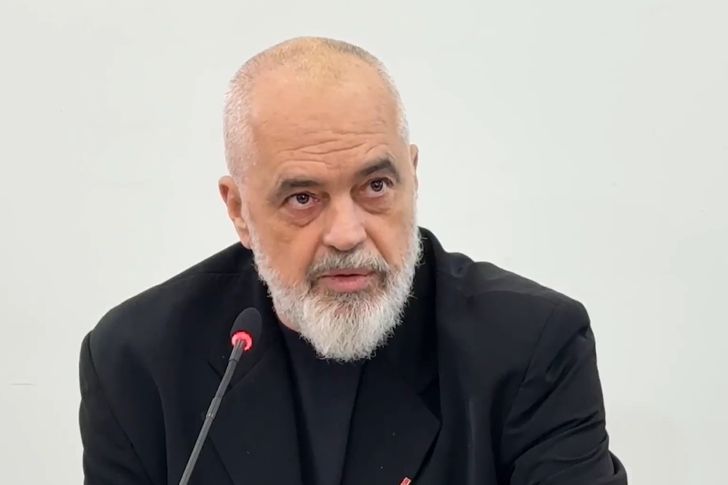
Prime Minister Edi Rama spoke on the Flasim podcast about ...
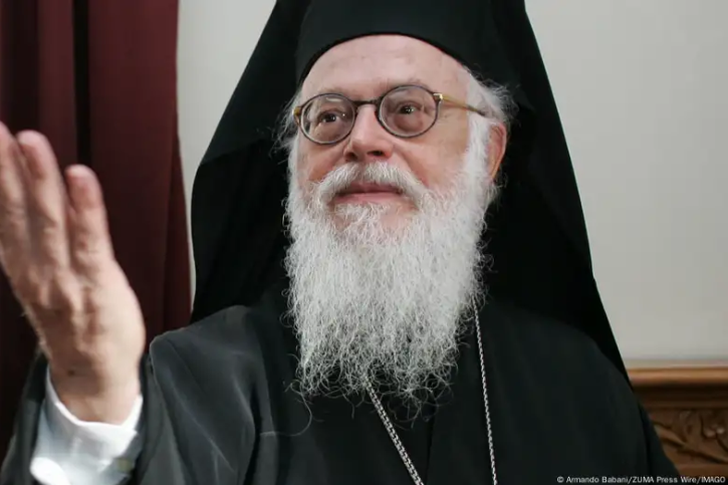
Today marks one year since the death of Archbishop Anastas...

The protests of recent days related to the situation in Zv...
The case addressed this Wednesday, June 3, on the show "St...
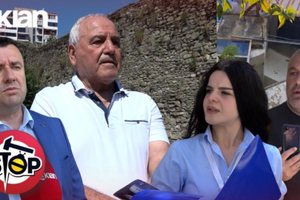
The show "Stop" broadcast this Wednesday, June 3, the case...

Irfan Hysenbelliu claims to be a big businessman, an hones...

The Special Board of Appeal (KPA) decided this Monday ...

The KPA vetting decided this Thursday to dismiss the p...

Suela Salavaçi, a prosecutor in the Prosecutor's Offic...

The Special Board of Appeal reinstated the prosecutor ...
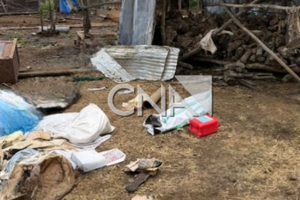
Several images provided by CNA show the area where this mo...
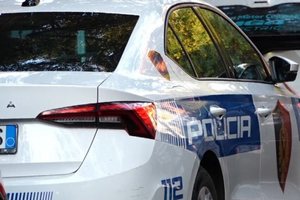
A quantity of explosive material exploded this morning at ...
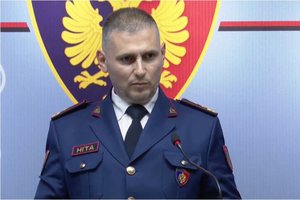
The Head of the State Police, Skënder Hita, expressed his ...
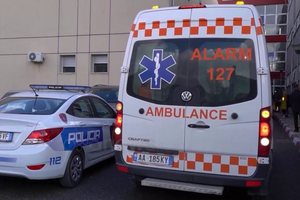
New details have emerged regarding the serious incident th...

For many children and teenagers, the long summer holidays ...
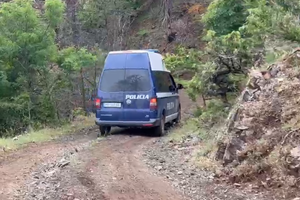
Witnesses in Lozhan, Maliqi, have shared details from the ...

Albania is facing an unprecedented demographic transition,...
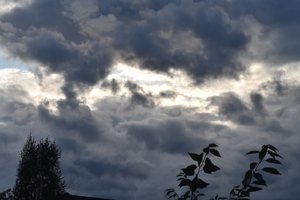
On Thursday, our country will be affected by unstable weat...
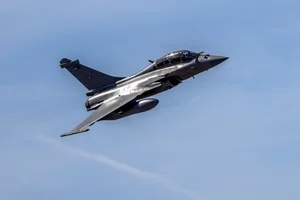
French fighter jets took off 11 times last week as part of...
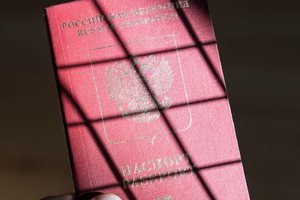
A number of European Union member states are pressuring th...
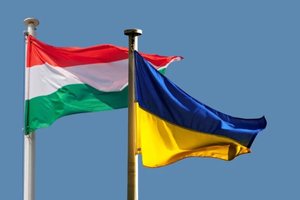
Hungary and Ukraine have reached an agreement on the right...
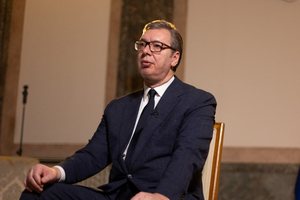
Serbian President Aleksandar Vučić has confirmed that he w...
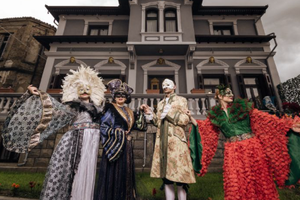
Korça is ready to open the summer season with one of the c...
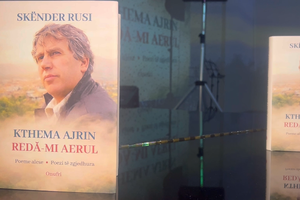
Two years after his passing, the renowned Korçë poet Skënd...
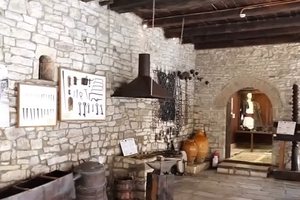
The Ethnographic Museum of Berat has opened its doors to v...
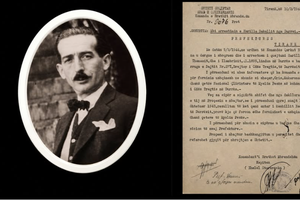
The story of Harilla Bakalli is one of the most chilling t...
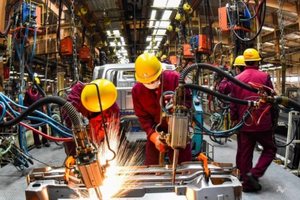
The government aims to transform the country's industrial ...
Kursi i këmbimit të euros me lekun ka rënë më tej këtë jav...
Profit margins in the construction sector have increased s...
The Transparency Board, at its meeting today, decided to i...