


Press of the day, Tuesday, June 25, 2024/ Get to know the main newspaper headlines
This Tuesday we are introducing you to some of the mai...



The law on the register of bank accounts has so far failed in its aim to facilitate the work of law enforcement institutions and banks.
One of the goals of the law was for institutions to gain access or the right to information from the register of accounts of subjects, so that they were not obliged to send requests to all banks to obtain the necessary information.
However, sources from the banking sector say that in practice nothing has changed.
Institutions and bailiffs continue to send requests to all banks in the sector, to obtain information about the bank accounts of individuals or entities.
Banks continue to face very large volumes of requests for information from institutions, such as prosecution bodies or bailiffs.
Due to the large number of requests and short legal deadlines for returning answers, this practice has created very big problems for commercial banks, which do not have enough human resources to respond in time to such flows.
Moreover, although we are in the age of digitization, legally banks cannot return answers electronically, but only with documents with a physical signature and stamp, a process that takes even more time.
The law "On the register of bank accounts" entered into force at the beginning of 2021. This register was created by the National Information Society Agency (AKSHI) to be administered by the General Directorate of Taxes.
Information stored in the registry is confidential and unavailable to the general public. The law stipulates that the data kept in the register constitute a banking and professional secret and must be treated and stored as such by all authorities that have access to them. They are also exempt from the provisions of the legislation in force on the right to information. The electronic register in question, however, does not contain data on the balance of accounts, but functions only as a list of bank accounts owned by each person or entity.
The General Directorate for the Prevention of Money Laundering has full, immediate and unfiltered access to the register data, while other interested entities are guaranteed the right of access only to those register data that are necessary for fulfilling their functional duties.
These institutions include the General Prosecutor's Office, the Special Prosecutor's Office Against Corruption and Organized Crime, the General Directorate of the State Police, the National Bureau of Investigation, the State Information Service, the High Inspectorate for the Declaration and Control of Assets and Conflict of Interest, the Directorate General Directorate of Taxes, directorates of taxes and fees near local self-government units and the General Directorate of Customs.
The level of access for other institutions will be determined by the decision of the Council of Ministers, with the proposal of the Minister of Finance. Other entities, such as the state or private judicial enforcement service, financial institutions or any other public authority, which special legislation gives the right to have information in the register, will not have direct access, but can only obtain information by presenting a reasoned request to the General Directorate of Taxes.
But, in fact, this provision of the law does not seem to work, as the bailiffs do not receive preliminary information about bank accounts from DPT, but continue to send requests to all banks in the sector to be informed about debtors' accounts and to request , further, their blocking./ Monitor.al

This Tuesday we are introducing you to some of the mai...

Last year, each user spent an average of more than ALL...
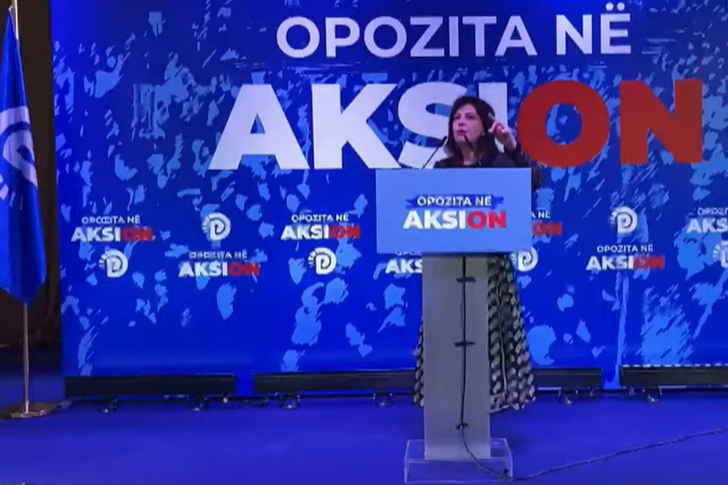
The former speaker of the parliament, Jozefina Topalli...

REACTION OF THE POLITICALLY PERSECUTED AND RELIGIOUS C...

We often hear talk about the newest technology, 5G, wh...

The head of the DP, Sali Berisha, has commented on UNI...
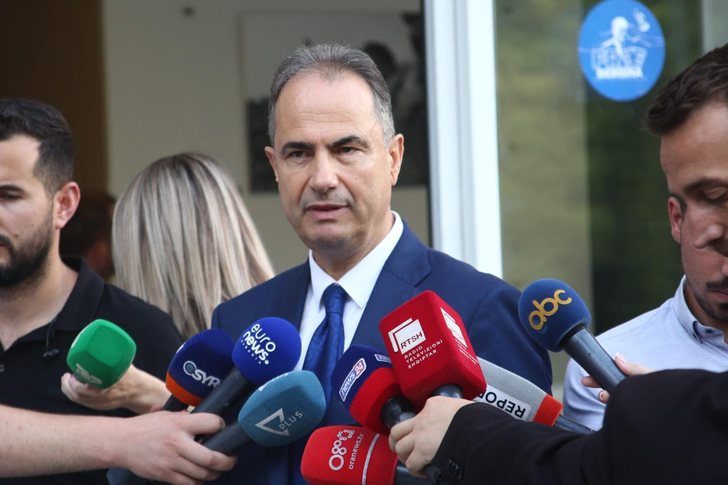
The vice-president of the DP, Luciano Boçi, has shown ...
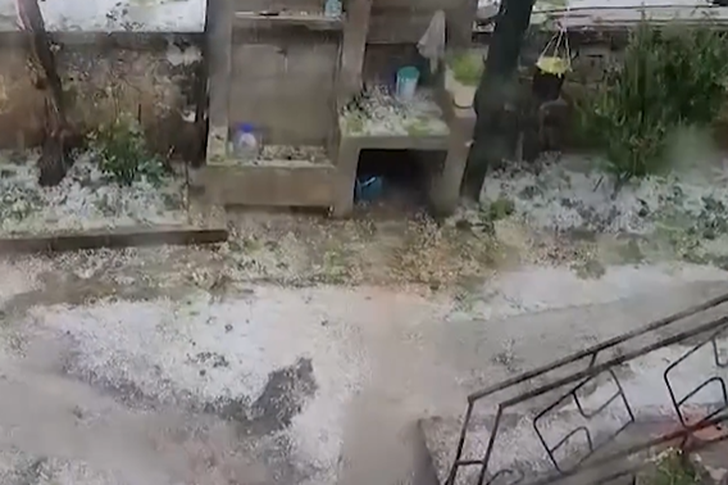
The rain and hail have covered the area of Kolonje y...

After more than 4 months, since the day when it was en...

Today, at the meeting of the Presidency of the DP, sev...

The head of the Democratic Party Sali Berisha has stat...

The head of the Democratic Party Sali Berisha, at the ...
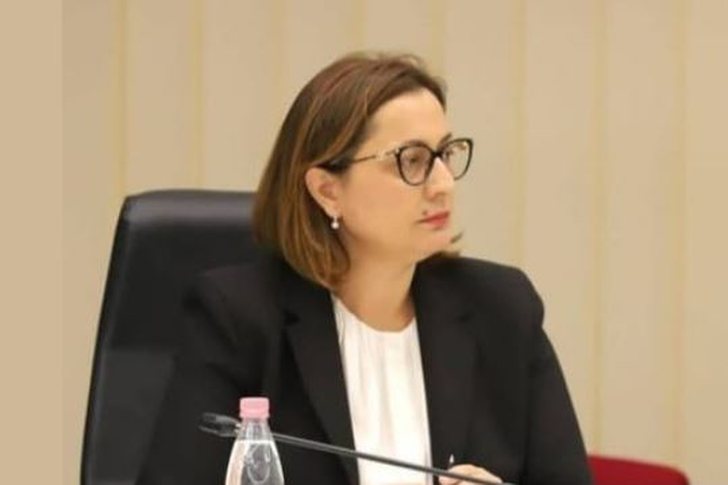
MP Dhurata Çupi has stated that Lulzim Basha and his g...
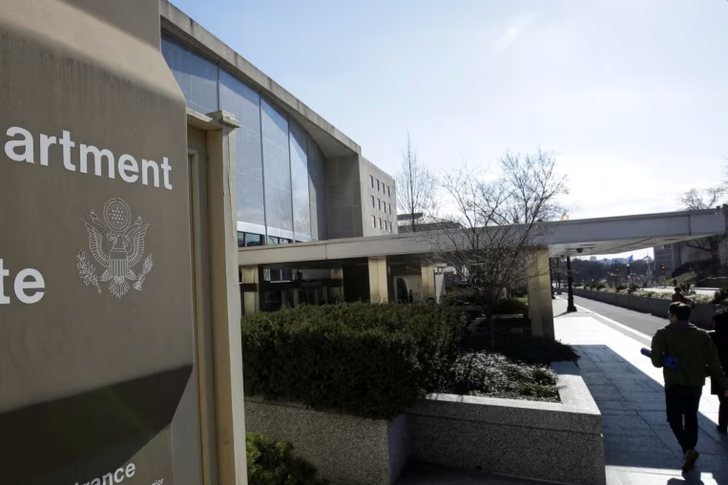
The US Department of State has published the annual re...
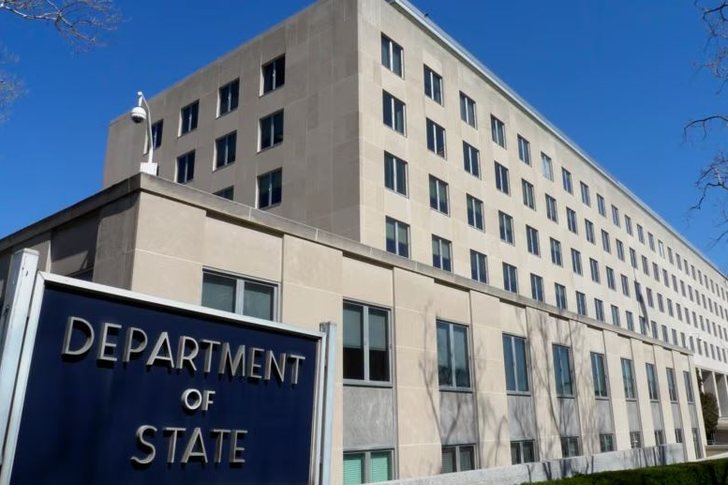
The US State Department has published its annual repor...
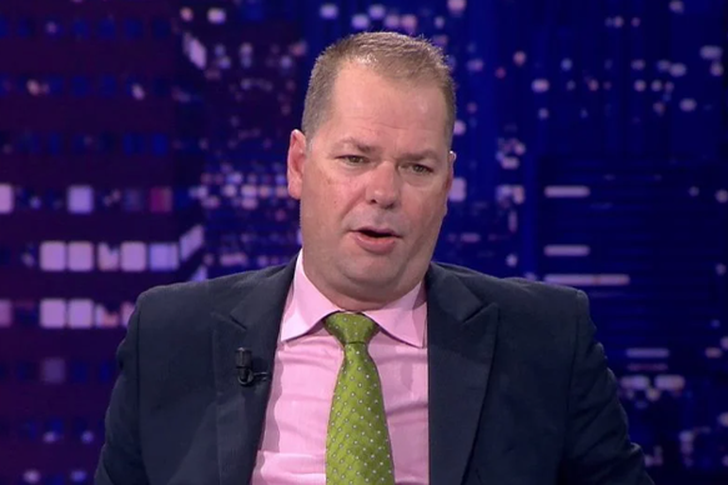
Edvin Kulluri, the secretary of Basha, now without a p...
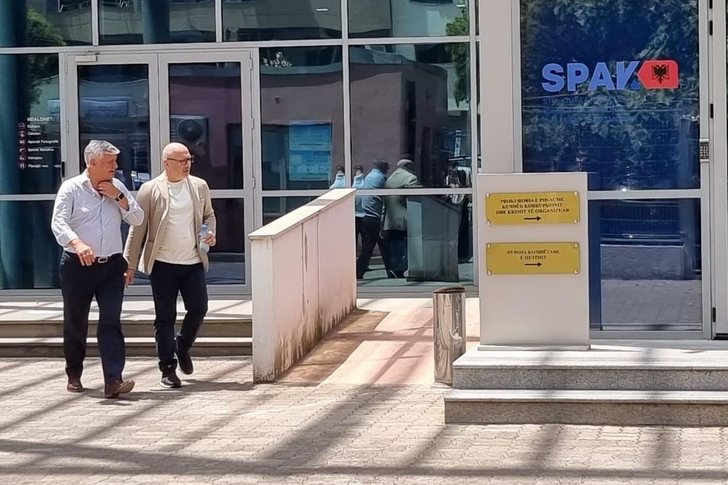
The former minister Saimir Tahiri left the premises of...

The businessman and entrepreneur Gjergj Luca has said ...
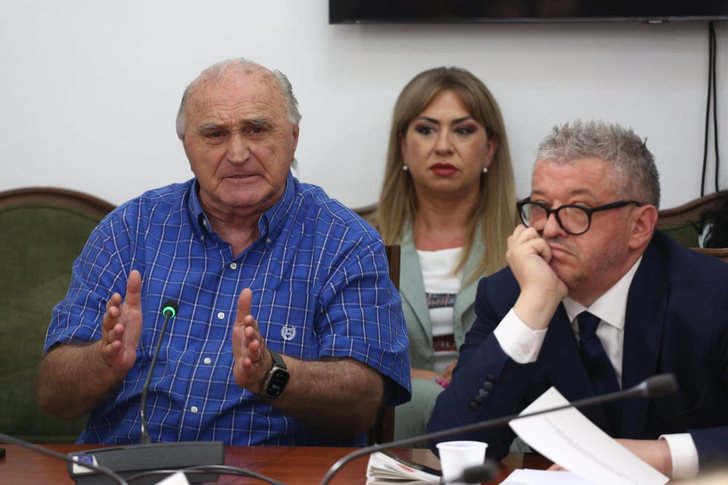
This Monday, the director of RTSH, Alfred Peza, and th...
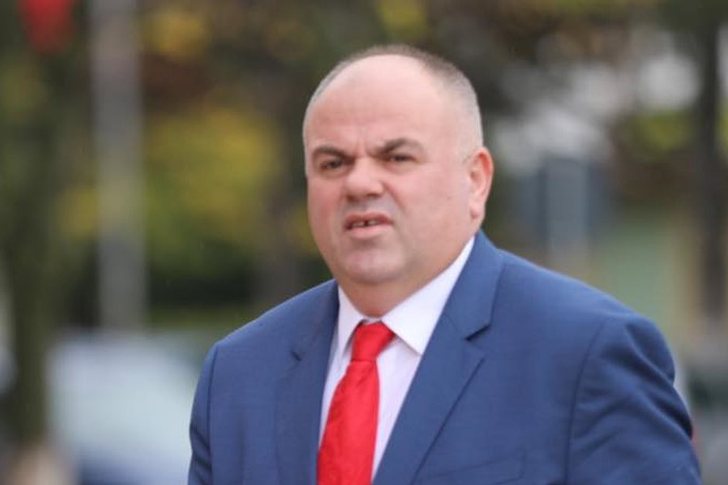
This Monday, the Special Court of Appeal overturned th...

CNA has launched another investigation that could lead to ...

Irfan Hysenbelliu is a businessman that we call "Irfan the...

In March 2026, CNA launched another investigation centered...
The arrested mayor of Tirana, Erion Veliaj, with 13 charge...

The Special Board of Appeal (KPA) decided this Monday ...

The KPA vetting decided this Thursday to dismiss the p...

Suela Salavaçi, a prosecutor in the Prosecutor's Offic...

The Special Board of Appeal reinstated the prosecutor ...

A conflict occurred this Thursday evening in the toy area ...
A person has died today on Orikum beach. According to repo...

Footage emerges from the serious accident that occurred th...

A Shkodra traffic police officer was hit with hard objects...

Children without parental care, for whom alternative famil...

On Thursday, our country will be under the influence of st...

A serious accident that occurred this Wednesday with the c...

The Institute of Geosciences has shared a forecast for wea...

The European Union Office in Kosovo has called on all poli...

Serbian President Aleksandar Vučić, at a press conference ...

For the first time since the launch of the euro, European ...

Artificial intelligence (AI) models from the American comp...

At a time when industrial products are increasingly taking...

Trust among people is not just a three-syllable word. It c...

Master of humor Todi Llupi has passed away at the age of 7...

The ninth edition of "MIK Festival" kicked off with one of...

The average sale price of apartments in Tirana reaches rec...

This Thursday, one US dollar is bought for 81.5 lek and so...

The price of diesel reached 206 lek per liter from 198 lek...

Businesses will no longer be required to simply register t...