

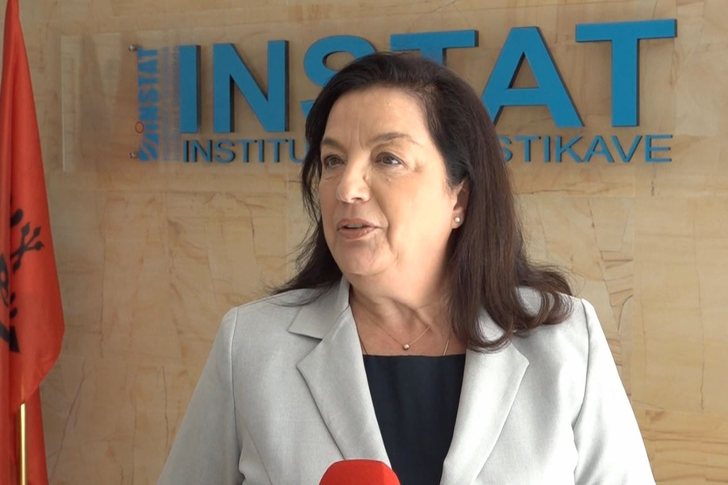
The director of INSTAT warns/ Whoever releases the census data will answer before the law
The director of INSTAT, Elsa Dhuli, has issued a warning t...


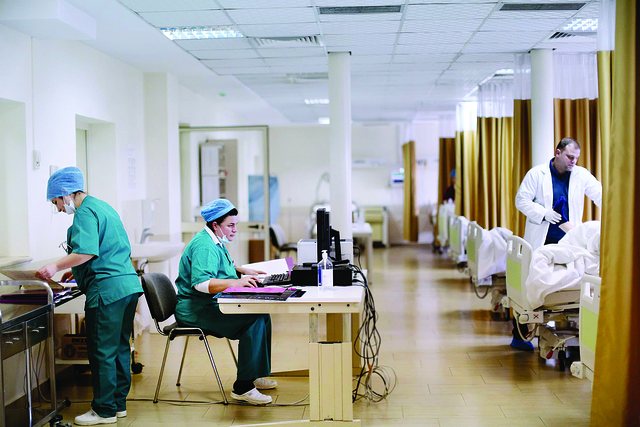
Albanians face high out-of-pocket healthcare costs, but this type of spending seems to have increased further after the Covid-19 pandemic.
According to recently updated data from the World Health Organization (WHO), in 2021 an Albanian spent an average of 465 dollars on health. This amount to the extent of 59.7% (277 USD) was borne out of pocket and the rest 39.7 percent from government expenses from the state budget.
As can be seen from WHO data, Albanians' out-of-pocket expenses for health have increased significantly after the pandemic. In 2015, this indicator was 57.3% and since then it has increased by 2.5 percentage points.
The government has increased the budget capacities, but the out-of-pocket expenses for health have been increasing throughout the decades of transition in the country, instead of decreasing. As seen from WHO data, in 2005 Albanians paid out of pocket 49.3% of the cost of health expenses, while in 2021 this indicator reached 59.7%.
The WHO estimates that between 2015 and 2021, Albanian health spending increased by 82 percent. During this period, the Covid-19 pandemic seems to have had an unusual impact.
Compared to all other European countries (not including the former Soviet Union states), Albania holds the record for out-of-pocket expenses. Second behind us is North Macedonia, with 41.7%, followed by Montenegro (38.1%), Serbia (35.8). The lowest indicator in the region is in Bosnia and Herzegovina (30.7%), while data for Kosovo are missing. In high-income countries, this indicator is lower than 20% (see bottom chart).
Spending increased in the pandemic
In 2020, health expenses for Albanian families reached a record of 5.6% of total expenses, from 4.9% the previous year, in an indication that the cure of Covid-19 was borne out of pocket (according to INSTAT, the weight of health expenses remained unchanged in 2021).
While European families had this indicator 4.5% in 2020, from 4.4% a year ago, as the best health service guaranteed them proper care (we remember that in 2020, Albania was one of the countries with the highest mortality additional high in Europe from the pandemic).
The economy and budgetary capacity have increased over the past decade, but funding for basic health services, such as drug reimbursement and primary care, has remained stagnant at a time when the needs for pharmaceuticals and health services in an aging population are increasing. .
Official indicators indicate that within the health budget there is an unfair distribution of funds. For nearly a decade, the drug reimbursement budget has remained almost in place at a time when budget revenues have doubled and the financial resources of the Compulsory Health Insurance Fund (MFISF) have increased.
From 2013 to 2022, imports of pharmaceutical products in value increased by 11.3 billion ALL, while funds for reimbursement of medications increased by 3 billion ALL, according to official data.
In 2022, imports of pharmaceutical products reached 28 billion ALL, about 270 million euros, while the state reimbursement fund was 11.4 billion ALL. The data show that Albanian patients financed out of pocket the purchase of medications or 61 per tissue of the value of imported pharmaceutical products in 2022./ Monitor Magazine

The director of INSTAT, Elsa Dhuli, has issued a warning t...
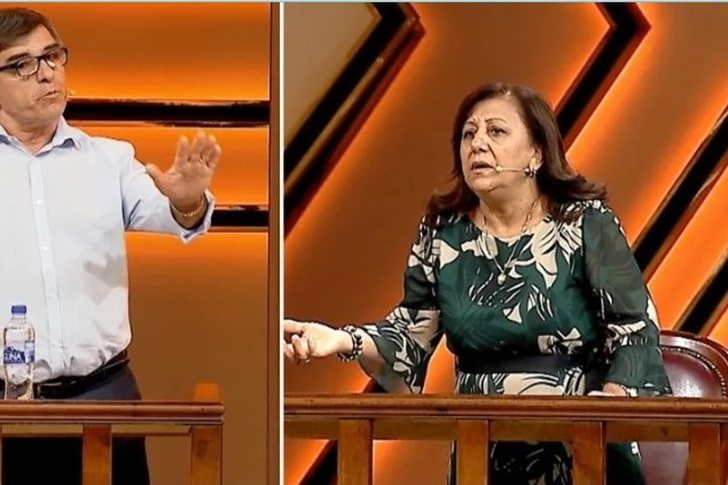
Bujari and Haxireja, a married couple, have disagreeme...

Even this evening, dozens of citizens and exponents of the...
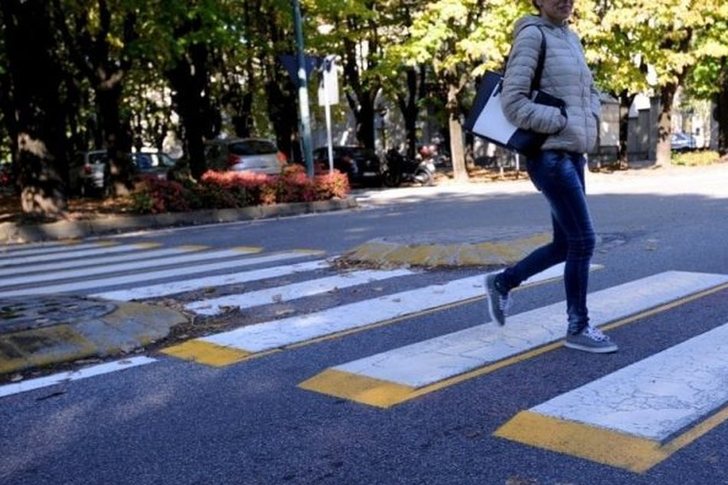
The Albanian Road Authority has given a message to the cit...
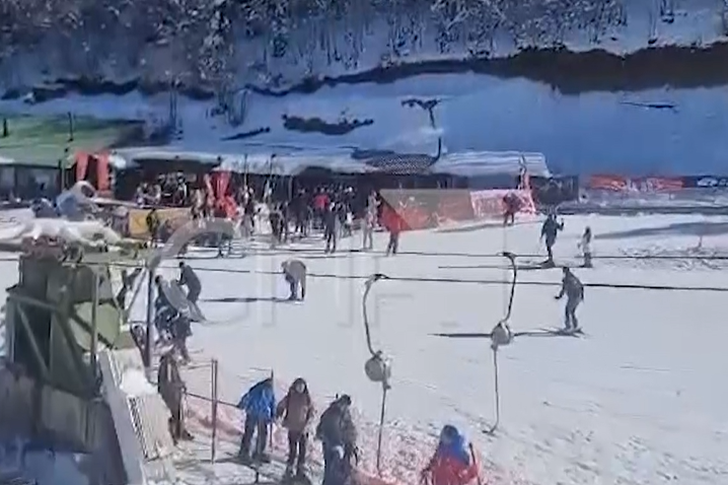
Qindra turistë kanë zgjedhur fshatin turistik të Dardh...
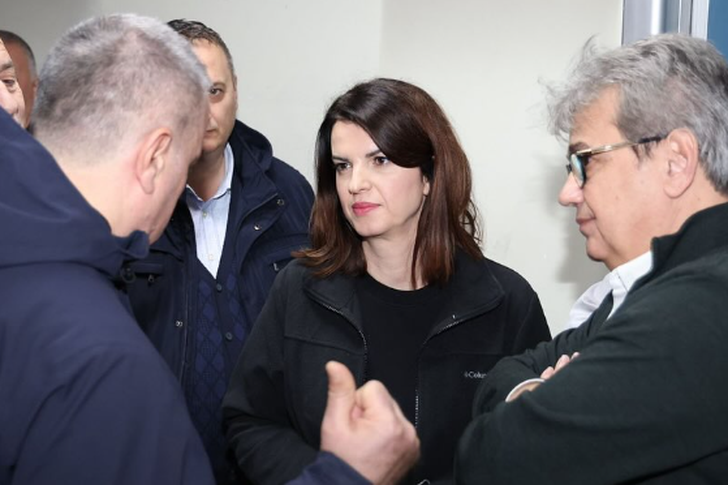
After the fire, the minister Albana Koçiu, together wi...
Pas Censit të Popullsisë, kryeministri Edi Rama ka bërë me...
The member of the Municipal Council of the DP, Dorian Teli...
Prime Minister Edi Rama and Minister Niko Peleshi are inau...
After midnight, Albania was hit by an earthquake with ...

A house in the village of Kodhel in Lezha was engulfed...
Representatives of civil society in Kukës express concern ...
The Ministry of Health has reacted to the fire that oc...
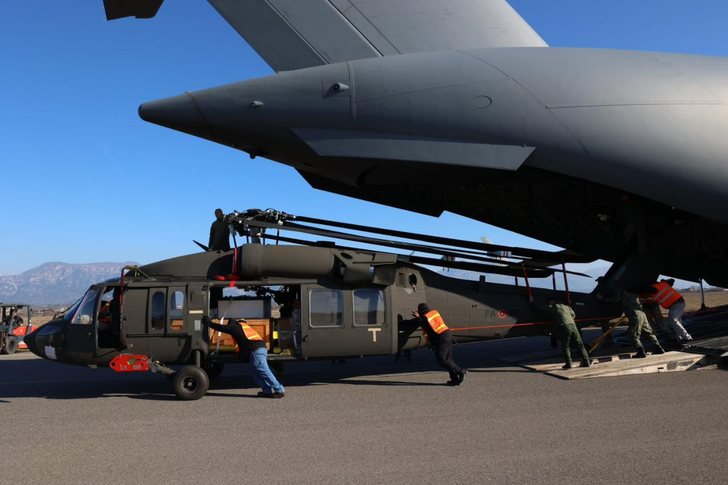
Our country's strategic ally, the United States of America...

The affair at the Tirana incinerator and Ardit Gjoklaj, th...
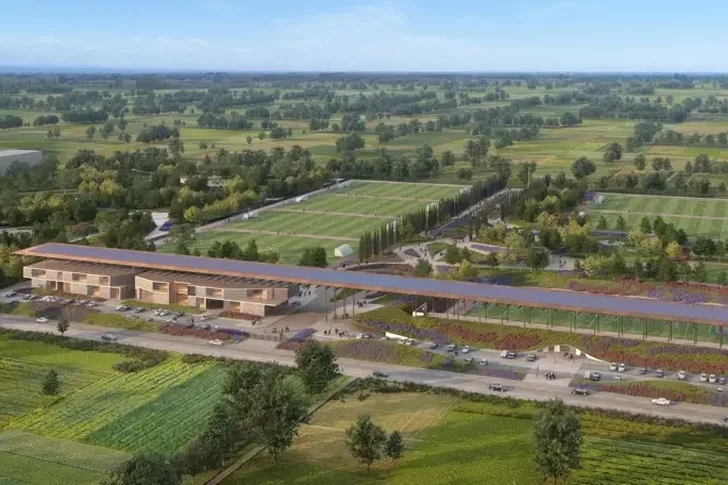
Manchester City has officially announced this Saturday tha...
The Parliamentary Group of the Democratic Party has asked ...
Bllokohet rruga drejt fshatit turistik të Dardhës. Nu...
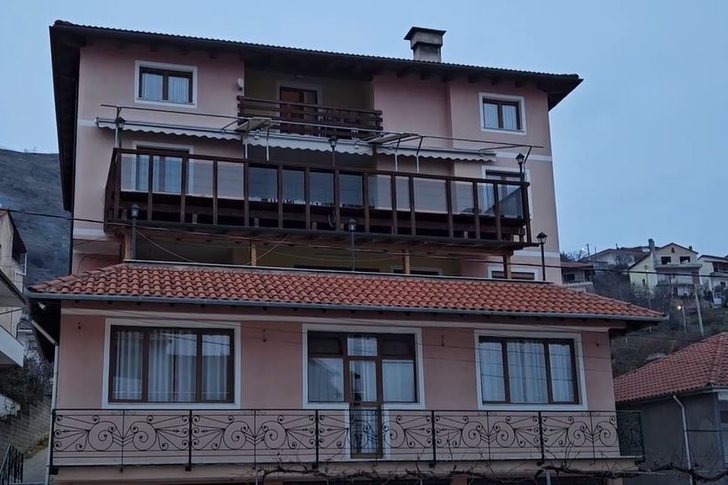
The lake town of Pogradec has experienced a tour...
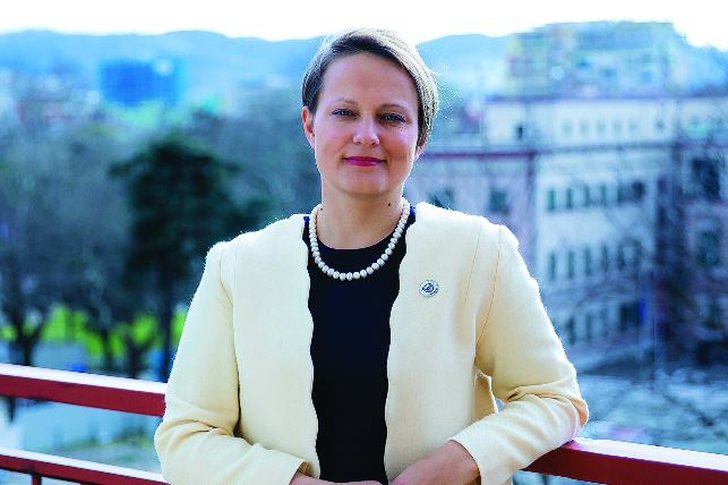
After a slowdown in 2023, due to the unfavorable exter...
Irfan Hysenbelliu claims to be a big businessman, an hones...
The murder of officer Enea Mekolli in the line of duty has...
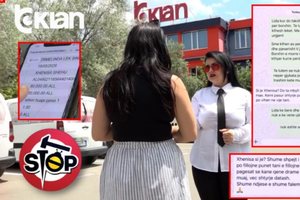
The next case broadcast on the show "Stop", this Thursday,...
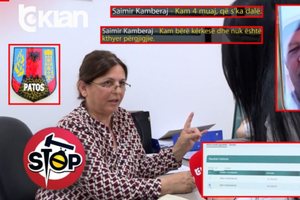
The case published this Thursday, June 4, on the show "Sto...

The Special Board of Appeal (KPA) decided this Monday ...

The KPA vetting decided this Thursday to dismiss the p...

Suela Salavaçi, a prosecutor in the Prosecutor's Offic...

The Special Board of Appeal reinstated the prosecutor ...
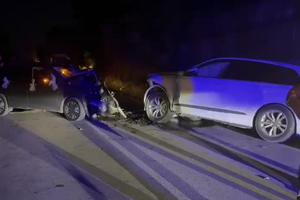
A road accident has been reported on the Fier-Levan axis, ...
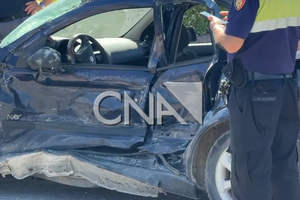
An accident was recorded a few minutes ago on the Pogradec...
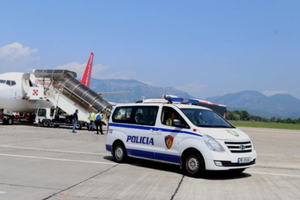
Following the cooperation of Interpol Tirana with Interpol...

An accident occurred this Saturday morning at Shkëmbi i Ka...
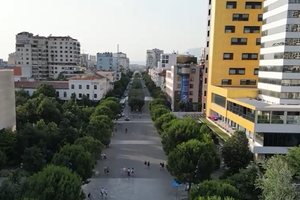
Albanians are officially the hardest working people in Eur...
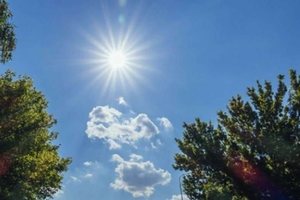
This Saturday will be characterized by mostly clear weathe...
Today our country will be affected by stable weather condi...
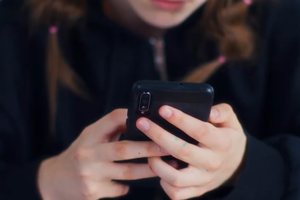
For many children and teenagers, the long summer holidays ...
The military advisor to Iran's supreme leader, Mohsen Reza...
US Defense Secretary Pete Hegseth declared that Europe is ...
A federal judge in Rhode Island struck down a Trump admini...
Thousands of Kosovo citizens living abroad are voting phys...
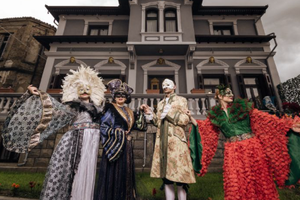
Korça is ready to open the summer season with one of the c...
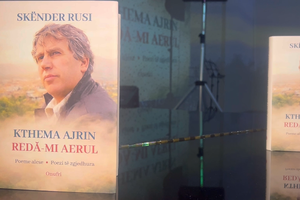
Two years after his passing, the renowned Korçë poet Skënd...
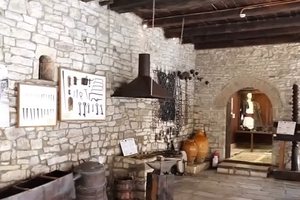
The Ethnographic Museum of Berat has opened its doors to v...
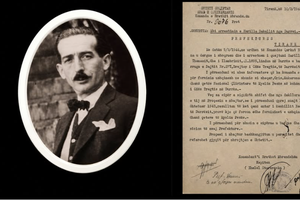
The story of Harilla Bakalli is one of the most chilling t...
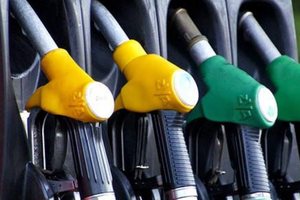
The Transparency Board, in today's meeting, decided to red...
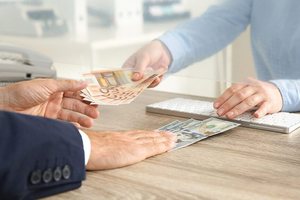
This Saturday, one US dollar is bought for 81.4 lek and so...
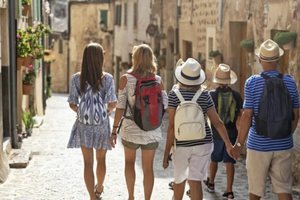
Despite years of efforts at regional cooperation and free ...
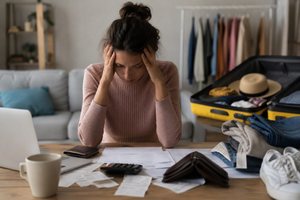
Albania is the country with the highest level of severe ma...