

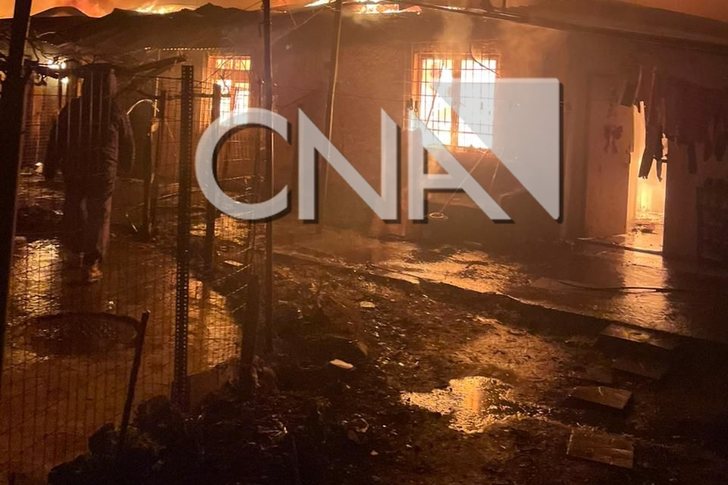
PHOTO-VIDEO/ Completely burnt flats, what is left of the fire in Burrel
Other details have been clarified regarding the fire in Bu...


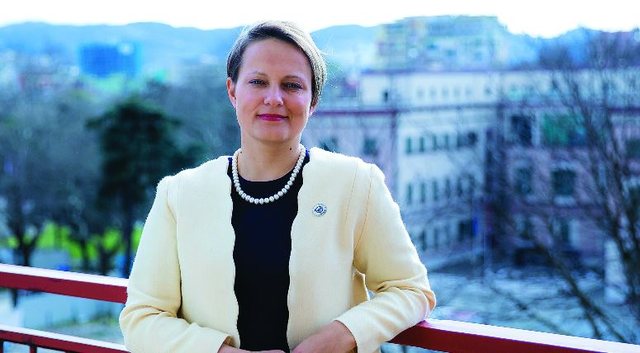
After a slowdown in 2023, due to the unfavorable external environment and consumption contracted by high inflation, economic growth is expected to accelerate in 2024.
The European Bank for Reconstruction and Development (EBRD) expects the Albanian economy to grow by 3.3% in 2024, in line with an expected improvement in the global outlook
Ms. Ekaterina Solovova, head of the EBRD for Albania, says in a special interview for "Monitor", that the increase in youth migration levels, combined with the aging of the population, is expected to deepen the demographic crisis.
She adds that curbing immigration should be one of the main objectives of economic and social policies by attracting more Foreign Direct Investments in productive and service sectors with more productive and better-paid jobs.
How do you assess the performance of the Albanian economy during 2023? How did the performance compare to your initial forecast and why?
Economic growth has continued in 2023, but at a more moderate pace than the 4.8% GDP expansion in 2022, supported by a record tourist season.
In the first quarter, growth was moderate at 2.8% on an annual basis and then accelerated to 3.2% in the second quarter and to 3.5% in the third quarter of the year.
The slowdown came as a result of weaker domestic demand, as a result of high inflation.
Merchandise exports contracted on an annual basis in the first half of the year, as a result of slow growth in Albania's main trading partners and strong currency appreciation. The lek strengthened due to record levels of tourist arrivals, along with strong inflows of emigrant remittances and Foreign Direct Investment.
In line with lower domestic and external demand, agriculture and industry underperformed, while service sectors such as real estate, construction, information and communication technology (ICT) and retail trade grew the fastest in economy.
Services exports were strong in 2022, driven by tourism, which recorded its best ever performance in terms of tourist arrivals and overnight stays. The sector is marking another strong performance this year, as the first 11 months of the year show a 31% annual increase in tourist arrivals.
How do you expect the country's economy to progress in 2024? What are the factors that will affect it positively and negatively?
Growth is expected to moderate in the short term, due to the unfavorable external environment.
Economic growth is expected to slow to 2.5% in 2023, due to the weak outlook of Albania's main trading partners, persistently high inflation, which limits disposable income at home and abroad, and tight global and domestic monetary policies. which negatively affect credit growth.
However, the continued strong performance of the hospitality sector is a factor that is expected to have a positive impact.
Economic growth is expected to accelerate in 2024 – we forecast it to 3.3% – in line with an expected improvement in the global outlook, bringing the pace closer to the medium-term potential of the economy.
What are the main risks that Albania may face in the medium and long term, and how prepared is the government to face them?
Some of the risks are external, such as the weak growth and demand of Albania's main trading partner, Italy, to which more than 40% of Albanian exports go, having a negative effect on goods exports.
Internal risks stem from the relatively low diversification and sophistication of the economy, which is increasingly focused on a "sun and beach" tourism model.
Economic activities with low added value are more vulnerable to even a relatively small increase in wage levels, or exchange rates, while higher value added activities are more resilient to shocks.
Energy diversification is also important, as Albania is highly dependent on unstable hydrological conditions, due to high dependence on hydropower plants.
Fortunately, the country has other renewable resources, including solar and wind power, and Albania is making progress in securing power generation capacity from these sources, including through public auctions.
The EBRD is active in this area, both in providing technical assistance to the government and private financing and public sector projects.
Another pressing issue facing the country is the lack of labor force due to high emigration and population decline.
In surveys conducted by the Investment Council (which is supported by the EBRD) and various other associations, businesses continue to report shortages of local skilled staff as one of the biggest barriers to growth.
The emigration of the Albanian workforce has become a serious problem for the economy and businesses. In your opinion, how is this affecting the economy and what should be done by the government and other actors to curb emigration rates?
Albania has the highest migration rate, relative to its population, in Central and Eastern Europe, according to the International Organization for Migration.
The young, educated, working-age male population is largely leaving, reducing the country's available labor force.
Remitancat (që kanë arritur afër 10% të PBB-së) u rritën me 16% vetëm në gjysmën e parë të vitit, duke siguruar një rrjedhë të qëndrueshme të të ardhurave për anëtarët e familjes në vend, por gjithashtu duke rritur nivelin e pagës për të cilin individët janë të gatshëm për të punuar (reservation wage).
Në të kundërt, Shqipëria është ndër më të mirat për sa u përket treguesve të tregut të punës (aktiviteti më i lartë dhe punësimi) në Ballkanin Perëndimor.
Është shumë herët për të parë nëse ka pasur ndonjë ndikim të rritjes së fundit të pagave në migracion, por provat tregojnë se faktorët shoqërorë dhe mungesa e besimit në institucionet mbeten arsyet kryesore të nxitjes për dëshirën në rritje për të lënë vendin.
Për më tepër, të diplomuarit, veçanërisht ata në fushën e mjekësisë, teknologjisë së informacionit (TIK) dhe inxhinierisë, vazhdojnë të largohen nga vendi çdo vit, dhe ekonomia tashmë po përballet me pasojat e rrjedhjes së trurit.
Rritja e niveleve të migracionit të të rinjve, e kombinuar me plakjen e popullsisë, pritet të thellojë krizën demografike.
Frenimi i emigracionit duhet të jetë një nga objektivat kryesorë të politikave ekonomike dhe sociale, nëpërmjet tërheqjes së më shumë Investimeve të Huaja Direkte në sektorë prodhues dhe shërbimesh me punë më produktive dhe me pagë më të mirë, duke krijuar më shumë mundësi pune për gratë, të rinjtë dhe njerëzit me disavantazhe, si dhe të përmirësojë cilësinë e arsimit.
Kjo e fundit bëhet edhe më e rëndësishme, pasi vendi po përballet gjithashtu me mospërputhje të aftësive, pasi sistemi arsimor nuk po siguron aftësitë e kërkuara në tregun e punës.
Ky fenomen ka ndikim të dyfishtë: rrit normat e migracionit, dhe në të njëjtën kohë shton normat e pasivitetit të të rinjve, duke krijuar boshllëqe për mosshfrytëzimin e produktivitetit, çka ndikon në të ardhmen e tyre.
Ne si BERZH promovojmë dhe zbatojmë zhvillimin e aftësive të vazhdueshme si me klientët tanë të sektorit privat, ashtu edhe nëpërmjet nismave të politikave në nivelin kombëtar, siç është krijimi i këshillave të aftësive të sektorit (SSC – Sector Skills Council).
Duke qenë se mospërputhjet e aftësive dhe hendeku midis kërkesave të punëdhënësve dhe kualifikimeve të punonjësve janë të pranishme në shumë vende, BERZH punon për të nxitur rolin e sektorit privat, për të ndikuar në politikat e tregut të punës, në mënyrë që të kapërcehet hendeku midis ofertës dhe kërkesës dhe të adresohen nevojat e aftësive në treg.
Ato janë gjithashtu një mjet themelor për të përmirësuar cilësinë e arsimit profesional dhe për të lehtësuar tranzicionin nga shkolla në punë, për të adresuar sfida të tilla si papunësia e të rinjve dhe pjesëmarrja e ulët e grave në tregjet e punës.
Ndërsa procesi për krijimin dhe operacionalizimin e këshillave të tilla ndryshon nga sektori dhe vendi, të dhënat tregojnë për rolin jetësor që sektori privat mund dhe duhet të luajë në zhvillimin e aftësive dhe qeverisjen.
Prandaj, BERZH ka mbështetur organizmat e udhëhequra nga biznesi që promovojnë aftësitë e lidhura me tregun dhe politikat e kapitalit njerëzor në sektorë të veçantë, bazuar në nevojat e industrisë, si dhe ka mbështetur vendet ku këshillat e tilla drejtohen nga qeveria, duke siguruar përfaqësimin e sektorit privat në zhvillimin e aftësive, planifikimin dhe qeverisjen.
Ne kemi ndihmuar në krijimin dhe mbështetjen e disa SSC-ve në sektorë të ndryshëm të ekonomisë në Jordani, Egjipt, Serbi, Turqi, Kazakistan dhe tani, në Shqipëri.
Në bashkëpunim me Agjencinë Kombëtare për Edukim dhe Trajnim Profesional, ne po mbështesim punën e Këshillit të Aftësive të Sektorit të Turizmit. Kjo mbështetje vjen përveç asistencës teknike të synuar të ofruar vazhdimisht për klientët tanë privatë dhe shtetërorë, të tilla si hekurudhat shqiptare dhe OSHEE, në fushën e zhvillimit të aftësive dhe përfshirjes ekonomike.
?Prioriteti
Frenimi i emigracionit duhet të jetë një nga objektivat kryesorë të politikave ekonomike dhe sociale nëpërmjet tërheqjes së më shumë Investimeve të Huaja Direkte në sektorë prodhues dhe shërbimesh me punë më produktive dhe me pagë më të mirë, duke krijuar më shumë mundësi pune për gratë, të rinjtë dhe njerëzit me disavantazhe, si dhe të përmirësojë cilësinë të arsimit.
Struktura e ekonomisë po ndryshon. Më shumë kapital po investohet në ndërtim, ndërkohë që industria po vuan nga rritja e kostove dhe zhvlerësimi i Euros. Ku e shihni ekonominë shqiptare në terma afatshkurtër dhe afatgjatë? Cilët janë sektorët më të spikatur për zhvillimin e ardhshëm të ekonomisë shqiptare dhe çfarë duhet bërë për t’i mbështetur dhe për t’i stimuluar ata?
Shqipëria me të vërtetë po ndryshon dhe kjo është një dukuri pozitive.
Burimet natyrore dhe energjia e rinovueshme janë asete shumë të rëndësishme të vendit dhe duhet të bëhen sektorë po aq të rëndësishëm të ekonomisë.
Duhet t’i kushtohet vëmendje zhvillimit të tyre, por duke pasur në konsideratë qëndrueshmërinë mjedisore dhe ndikimin në sektorë të tjerë si turizmi.
Ky i fundit ka dëshmuar të jetë një sektor në rritje me shumë potencial, që duhet të ecë më tej drejt një industrie të qëndrueshme gjatë gjithë vitit, i cili mund të ndërlidhet shumë mirë me bujqësinë në agrobiznese të suksesshme dhe kapacitete prodhuese vendase, që plotësojnë kërkesat e turistëve.
Ka disa faktorë të ndërlidhur dhe fusha ndërsektoriale ku duhet bërë më shumë për ta mundësuar këtë, si investimi në infrastrukturë dhe arsim më të mirë dhe më të qëndrueshëm, reduktimi i informalitetit dhe luftimi i korrupsionit, forcimi i sundimit të ligjit dhe përmirësimi i efikasitetit të administratës publike.
Ndërkohë, prodhimi me vlerë të shtuar të ulët në industrinë e lehtë dhe kontraktimi i shërbimeve bazë të biznesit po humbasin avantazhin e kostos së punës.
Ata ende punësojnë një numër të lartë popullsie dhe duhet të ketë stimuj për t’i shtyrë më lart në zinxhirin e vlerës drejt llojeve më të specializuara dhe me punë më pak intensive të prodhimit të produkteve dhe shërbimeve.
Duhet t’i kushtohet rëndësi forcimit dhe aftësimit të biznesit të vogël për t’u bërë kompani të mesme nëpërmjet formalizimit dhe rritjes së konkurrencës së tyre, në mënyrë që ata të mbijetojnë dhe të lulëzojnë në tregjet rajonale – që së shpejti do të bëhen një treg i vetëm i BE-së.
Shqipëria po humbet avantazhin kryesor konkurrues të kostos së ulët të punës, për shkak të rritjes së shpejtë të pagave. Cili duhet të jetë fokusi në të ardhmen për të tërhequr investime të huaja?
Kostoja e ulët e punës nuk është një avantazh i qëndrueshëm konkurrues. Ndërsa vendet zhvillohen, pagat rriten, por produktiviteti dhe sofistikimi i produkteve dhe shërbimeve të ofruara nga vendi gjithashtu rriten.
Më pas, pagat më të larta i lejojnë njerëzit të konsumojnë më shumë mallra dhe shërbime me cilësi më të mirë. Rritja e pagave dhe rritja e produktivitetit, megjithatë, duhet të shkojnë krah për krah për të shmangur ndryshimet drastike në strukturën ekonomike.
Duhet të merren parasysh gjithashtu lëvizjet e kursit të këmbimit, pasi ato ndikojnë në konkurrencën e jashtme të vendit.
Shqipëria duhet gjithashtu të largohet nga aktivitetet e përpunimit të jashtëm me vlerë të ulët të shtuar në industrinë e veshjeve dhe të ofrojë produkte dhe shërbime më komplekse dhe me vlerë të shtuar më të lartë.
Tërheqja e Investimeve të Huaja Direkte cilësore mund të ndihmojë në diversifikimin e ekonomisë së Shqipërisë, në rritjen e kompleksitetit ekonomik në sektorin e prodhimit, por edhe në shërbime (p.sh. turizëm, IT) siç ka ndodhur në Europën Qendrore Lindore dhe në vende të tjera të Ballkanit Perëndimor.
Si e vlerësoni ecurinë e projekteve tuaja në Shqipëri deri tani?
Në 2023 u shënua një tjetër vit me aktivitete shumë të forta për BERZH në Shqipëri. Për të dytin vit radhazi, ne kemi rritur ndjeshëm financimin e sektorit privat dhe kjo është e jashtëzakonshme për ne në Shqipëri.
Ndër zhvillimet kryesore ishte mobilizimi i paketës së financimit të borxhit të konsiderueshëm për impiantin fotovoltaik diellor 140 MW të Voltalia-s në Karavasta.
Ky projekt është rezultat i drejtpërdrejtë i Programit të Energjisë së Rinovueshme të BERZH-it, që synon rritjen e investimeve të sektorit privat në kapacitetet e energjisë së rinovueshme nëpërmjet ankandeve publike transparente të dizajnuara me kujdes dhe do të veprojë si model për të tjerët në rajonin e Ballkanit Perëndimor.
Një tjetër arritje e rëndësishme ishte rezultati i shkëlqyer i ankandit të parë të energjisë së erës mbi tokë, i cili përfundoi në korrik me mbi 220 MW kapacitet të dhënë për tre ofertues ndërkombëtarë cilësorë me tarifa shumë konkurruese të energjisë.
This success is a game changer for Albania, a testament to what can be achieved with the right policy framework and a government committed to meeting its renewable energy targets.
Our support for Albania's energy sector did not end there and in 2023, our team together with KESH secured an investment grant of 9.25 million euros from the European Union Financing Mechanism, WBIF, for the construction of a 50 MW PV solar park in Belgium from KESH.
Visible progress has also been achieved in the implementation of important public infrastructure projects financed by the EBRD, such as the rehabilitation of the Tirana-Durres railway line, the Regional and Local Road Connectivity project, the Albanian Infrastructure and Tourism Enabling Project, etc.
We continued our strong support to the financial sector in 2023 with over 80 million euros of financing (including risk-sharing products, credit lines combined with donor grants and loans facilitated by MREL[1]) provided to banks in Albania, to enable lending to SMEs, including under-credited or growing sectors such as agribusiness and tourism (through our Albanian Agribusiness and Tourism Authority or AATSF), as well as under-financed borrower categories such as are young business owners (through the Youth in Business program).
What are your plans for the future in terms of projects and support for Albania? What are the sectors you see with the most potential to finance in the future?
I expect 2024 to be very busy for our team in Albania with a number of important projects underway. I see growing potential in the renewable energy sector as well as in tourism and we are already considering specific projects in both sectors.
In the public sector, we look forward to the conclusion of financing agreements for the rehabilitation of the Vorë - Hani i Hoti railway project, which will be co-financed with the EIB and the EU through the Western Balkans Investment Framework (WBIF).
We will continue to support the railway sector with both technical assistance and investments. As the leading international financial institution within WBIF, we will continue to support Albania's applications for EU grant funding of eligible projects in strategic sectors of the economy.
The energy sector will continue to be in focus, both for technical assistance and investments, both in the public and private sectors, as well as in the financial sector of course.
I would like to thank our partners, customers and government counterparts in Albania for the excellent cooperation in 2023 and look forward to another productive year ahead!/ Monitor

Other details have been clarified regarding the fire in Bu...
The police have provided new information on the mass fire ...
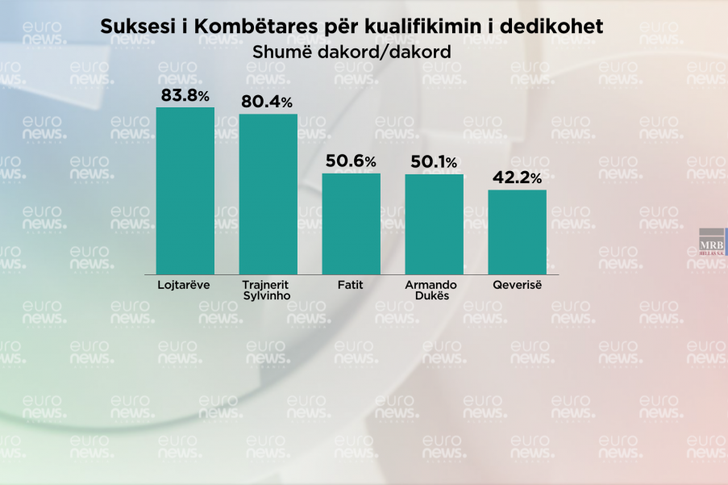
The barometer in Euronews Albania for the first time bring...

New details have been revealed from the meeting of the DP ...
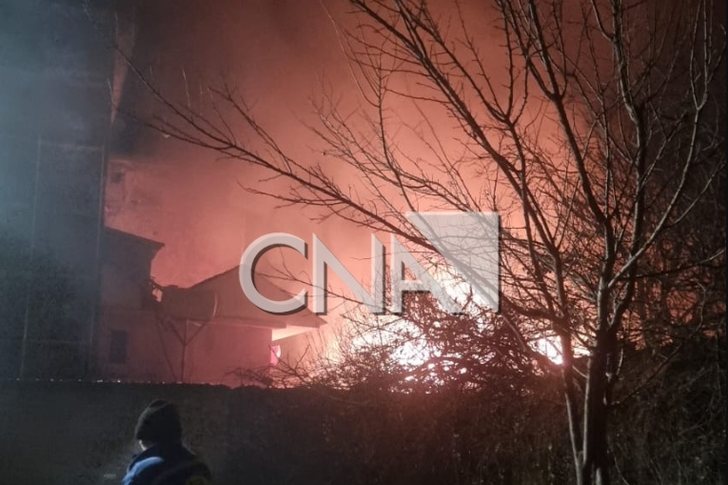
A massive fire was registered this evening in Burrel. Acc...
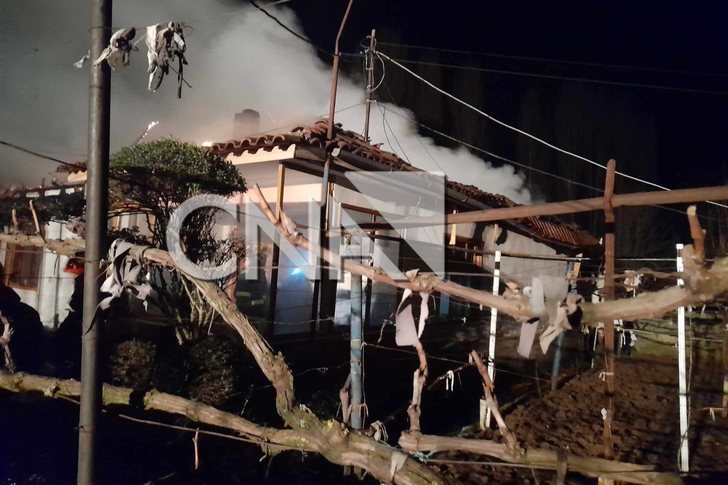
A house was engulfed in flames in the village of Leshnica ...
Former Prime Minister Sali Berisha has accused Prime Minis...
The report on the quality of life in European cities p...
The Assembly will start the new parliamentary session ...
The member of the Presidency of the Democratic Party, ...
Isuf Berberi, the person to whom we have reported a ne...
After being interrogated by the Special Prosecutor's O...
Prokuroria e Posaçme kërkon katër vite e 6 muaj burg për S...
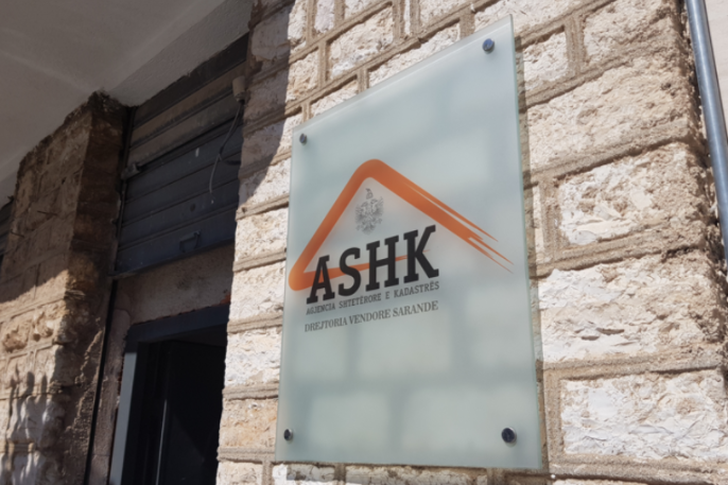
The director of the Cadastre in Saranda, Aida Demi, is dis...
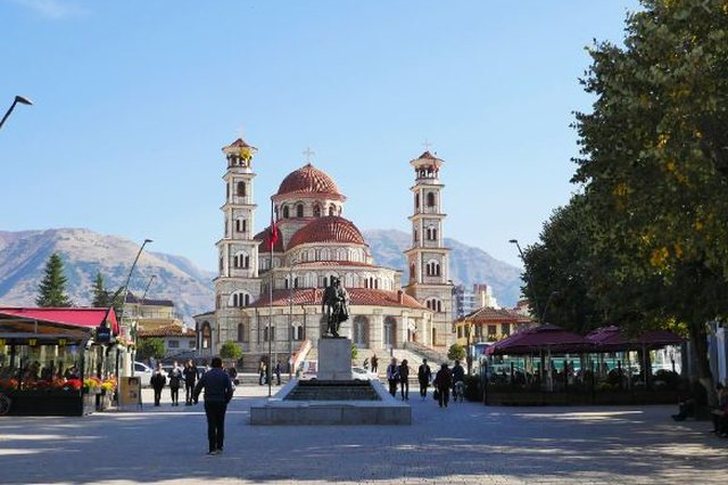
Policia e Korçës, në 48 orët e fundit ka vendosur 50 m...
Journalist Lise Josefsen Herman, in an interview for E...
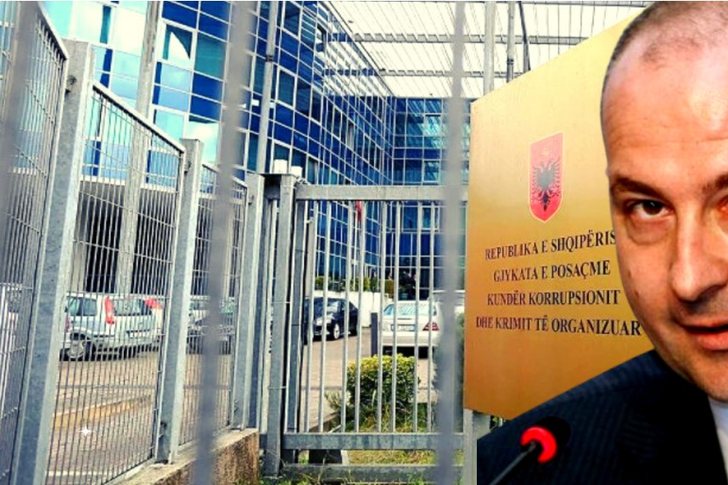
The Special Prosecutor's Office has closed the investi...

Ermal Mamaqi, the well-known Albanian comedian, has re...
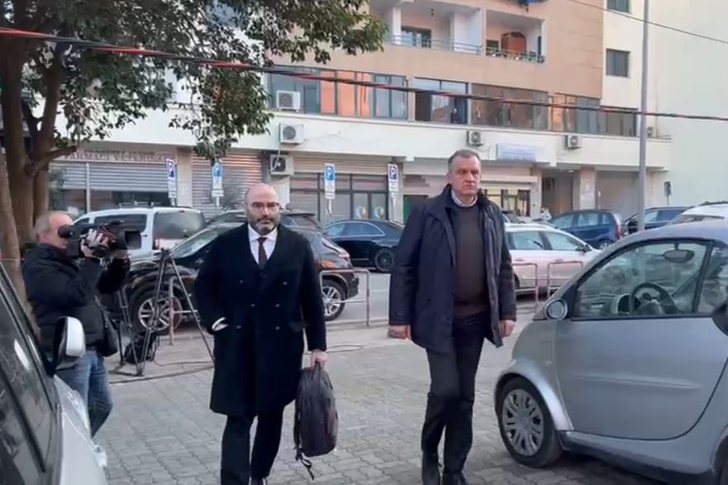
Të premten, ish-ministri i Shëndetësisë, Ilir Beqaj ës...
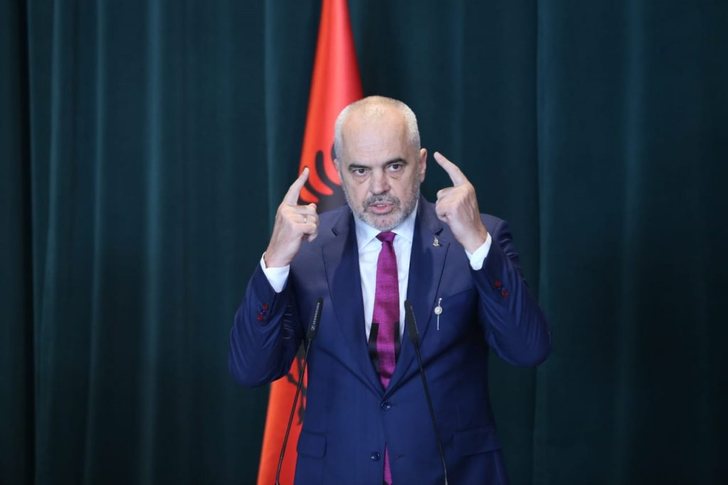
Journalist Armand Shkullaku connects the changes in th...

CNA has launched another investigation that could lead to ...

Irfan Hysenbelliu is a businessman that we call "Irfan the...

In March 2026, CNA launched another investigation centered...
The arrested mayor of Tirana, Erion Veliaj, with 13 charge...

The Special Board of Appeal (KPA) decided this Monday ...

The KPA vetting decided this Thursday to dismiss the p...

Suela Salavaçi, a prosecutor in the Prosecutor's Offic...

The Special Board of Appeal reinstated the prosecutor ...
Footage emerges from the serious accident that occurred th...

A Shkodra traffic police officer was hit with hard objects...
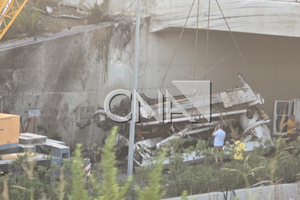
This Wednesday, around 4:00 PM, a serious accident occurre...

Tirana Police have shared details regarding the accident t...
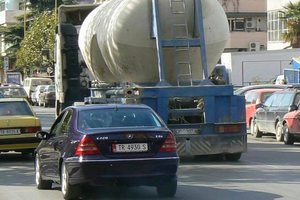
A serious accident that occurred this Wednesday with the c...

The Institute of Geosciences has shared a forecast for wea...
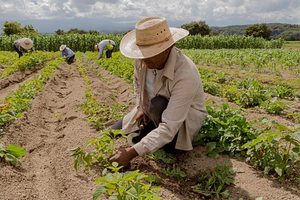
Rising energy and fertilizer prices are expected to contin...
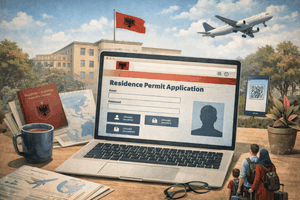
Over 18,000 foreign citizens from 140 countries have appli...
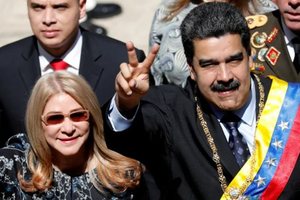
The trial of ousted Venezuelan President Nicolas Maduro on...
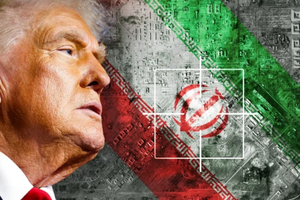
US President Donald Trump has issued another warning to Ir...
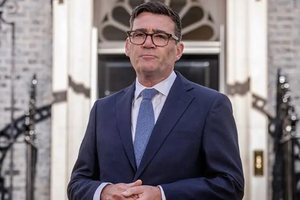
Prime Minister Andy Burnham has announced that most bus fa...

France's parliament has passed a law to ban social media f...

At a time when industrial products are increasingly taking...

Trust among people is not just a three-syllable word. It c...

Master of humor Todi Llupi has passed away at the age of 7...

The ninth edition of "MIK Festival" kicked off with one of...
The price of diesel reached 206 lek per liter from 198 lek...

Businesses will no longer be required to simply register t...

Despite economic growth and income in recent years, Albani...
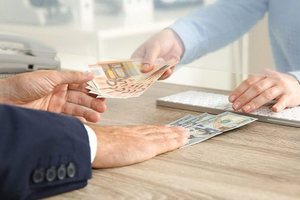
This Wednesday, one US dollar is bought for 81.4 lek and s...