


Two documents/ Ajola Xoxa made Erion Veliaj a partner with Mirel Mërtiri and Klodian Zoto
The in-depth investigations that SPAK conducted into Ajola...

The in-depth investigations that SPAK conducted into Ajola...

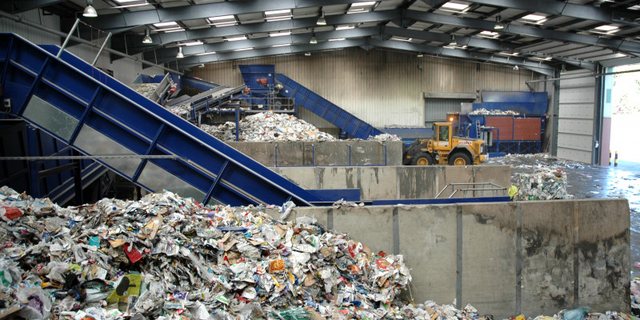
A draft decision issued for consultation by the Ministry of Environment, “On the approval of criteria, procedures and deadlines for the implementation of differentiated waste collection for all waste streams”, sets deadlines and conditions that must be met by local units.
Specifically, the object of the draft decision is to ensure the differentiated collection of waste at source, promote reuse, recycling, prevent the mixing of waste, and protect the environment and human health.
The report accompanying the draft decision highlights that it defines the criteria, procedures and deadlines for the implementation of differentiated waste collection, in accordance with the principles of the circular economy, the protection and improvement of environmental quality and the protection of human health, with the aim of reducing the amount of waste that is deposited, increasing the level of recycling and recovery, as well as preventing negative impacts on the environment.
The draft decision defines the criteria for waste collection, the way in which waste is separated by the person who creates it, as well as the differentiated collection implemented by the owners.
Chapter four provides for the deadlines and measures for the differentiated collection of waste to achieve the objectives of local self-government units, at least for the differentiated collection of plastic, wood, non-ferrous metals, aluminum, glass, paper and cardboard, which are mainly related to common municipal waste streams, which are generally non-hazardous and suitable for recycling through standard mechanical processes.
"The minimum deadlines for preparing for reuse and recycling for these streams are set as follows: at least 25% by 2030, 50% by 2033, 55% by 2035, 60% by 2040 and 65% by 2045, enabling the reduction of the amount of waste ending up in landfill and directly contributing to the achievement of the objectives of the circular economy, according to the framework set by Directive 2008/98/EU.
Electrical and electronic equipment as well as battery waste constitute waste streams with a special legal regime, due to the content of potentially hazardous substances and the complexity of their composition, and their approval is made by a special decision of the Council of Ministers.
"These categories require specialized treatment, special collection and processing systems, as well as the implementation of the principle of extended producer responsibility, in accordance with Directive 2012/19/EU and Directive 2006/66/EC," the report states./Monitor.al

Journalist Klodiana Lala revealed today new details regard...
Journalist Artan Hoxha, invited to the show "Opinion", spo...

International relations expert Adri Nurellari commented on...
International relations expert Adri Nurellari today provid...
The Durrës Regional Water and Sewerage Company has today i...
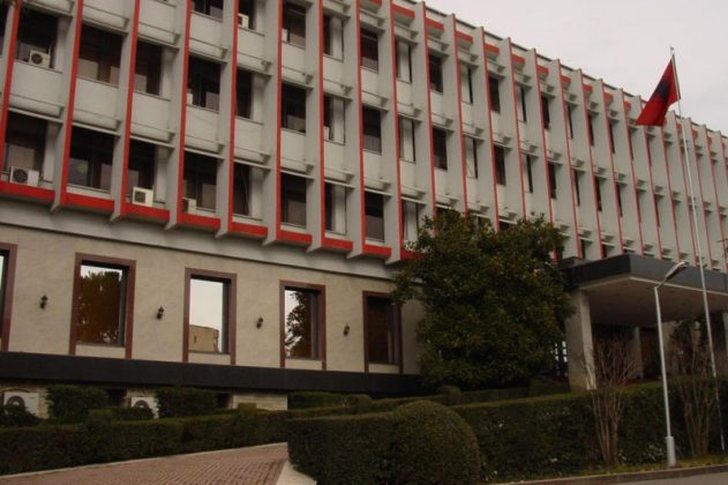
The Ministry for Europe and Foreign Affairs has shared a n...
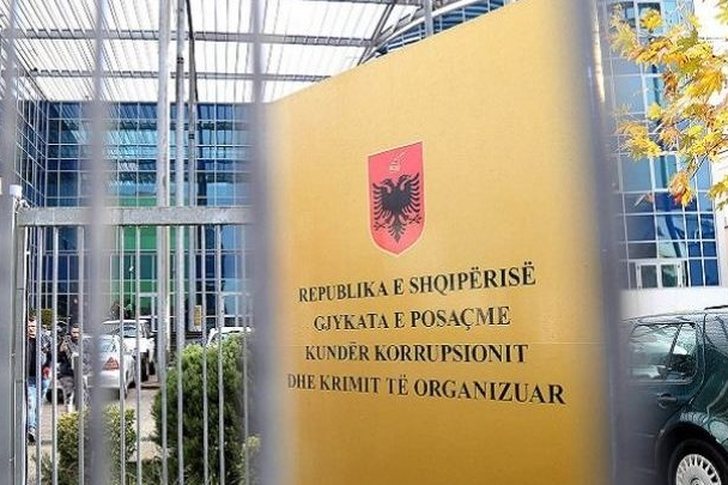
The GJKKO announced today the verdict for the eight former...
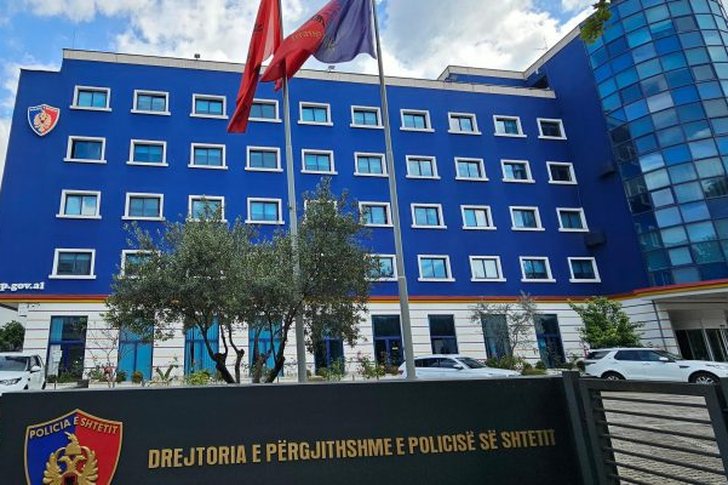
This Wednesday, Ulian Shpataraku, Assistant in the Departm...
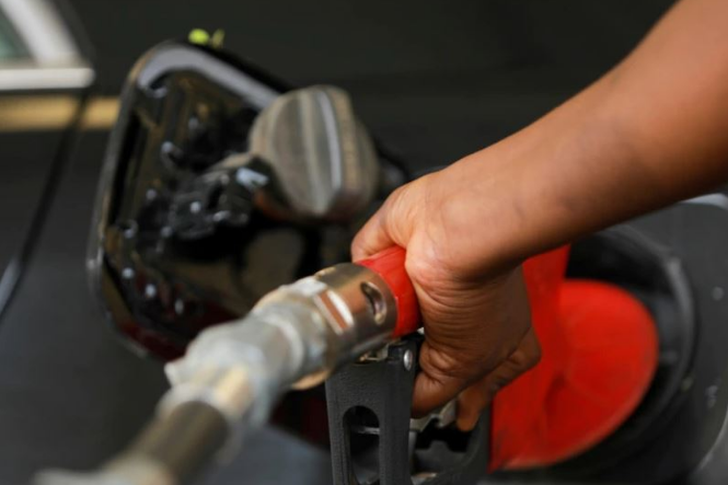
The Competition Authority has made an official announcemen...
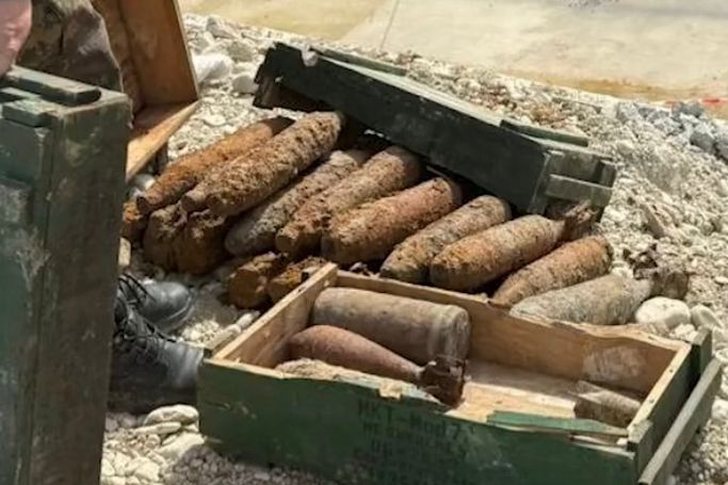
Around 160 World War II shells were recently discovered ne...
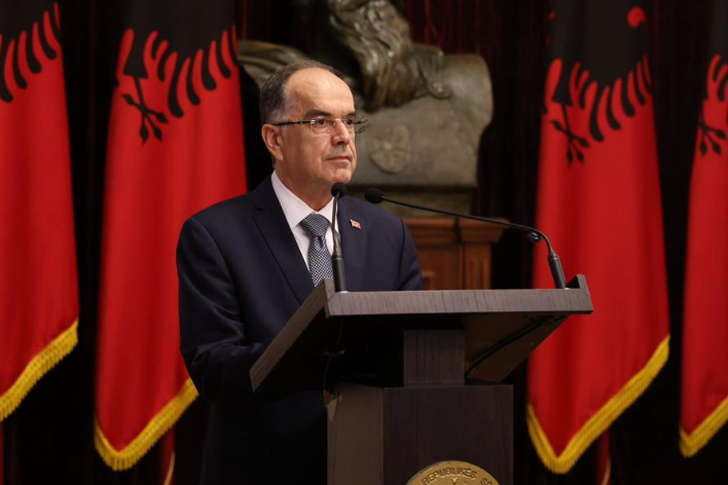
Presidenti i Republikës, Bajram Begaj, dekretoi sot ndrysh...
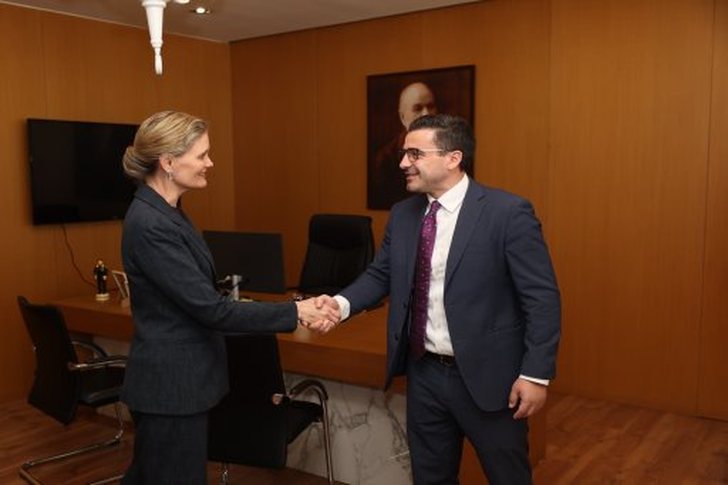
The Director General of Customs, Besmir Beja, received in ...
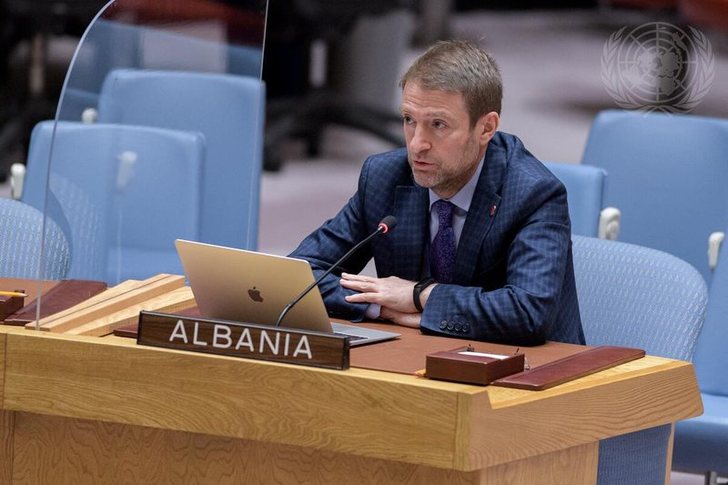
President Bajram Begaj has decreed the dismissal of Feri H...
Tomor Dosti, former MP and former vice-chairman of the Dem...
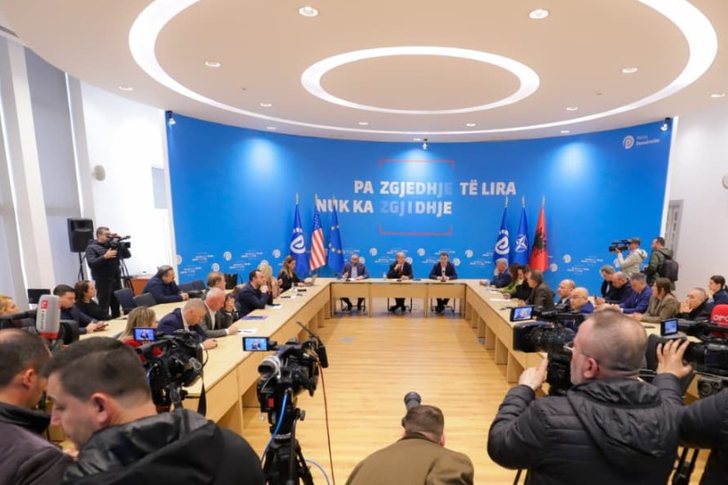
Kryetari i Partisë Demokratike, Sali Berisha, ka njoftuar ...
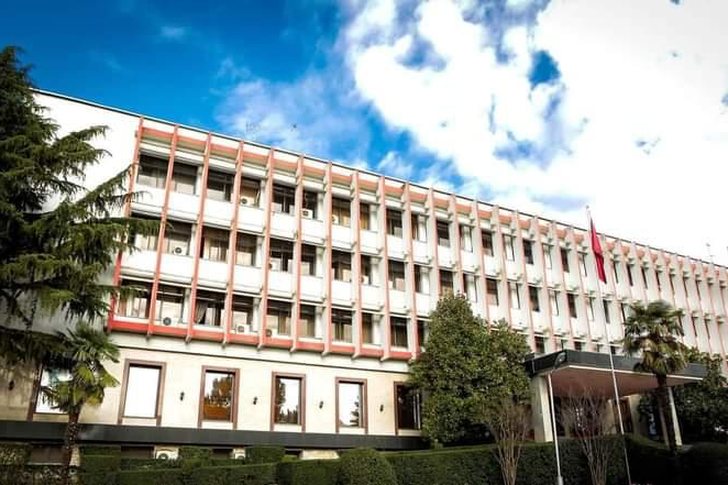
Albania has strongly condemned the Iranian attack that tar...

After years spent wintering in Turkey, some travelers are ...

The phenomenon of low tide has appeared on the shores of S...

The US Embassy in Tirana has given its message regarding t...

In the month dedicated to women, perhaps the most meaningf...
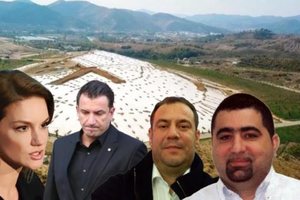
The in-depth investigations that SPAK conducted into Ajola...
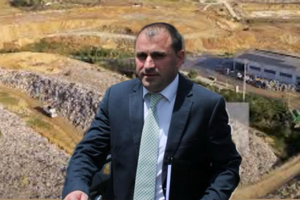
SPAK's standards, the way it investigates, how it secures ...

Irfan Hysenbelliu claims to be a big businessman, an hones...

The murder of officer Enea Mekolli in the line of duty has...

The Special Board of Appeal (KPA) decided this Monday ...

The KPA vetting decided this Thursday to dismiss the p...

Suela Salavaçi, a prosecutor in the Prosecutor's Offic...

The Special Board of Appeal reinstated the prosecutor ...
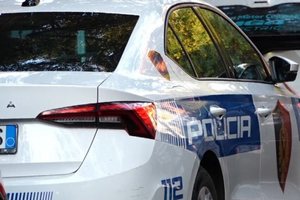
Another gunshot wound occurred at the scene. According to...

A gunshot wound occurred this afternoon in Shijak. Accordi...
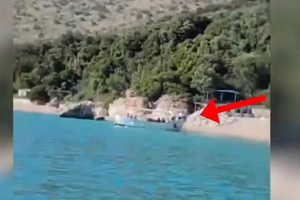
The Border Police blocked the vessel and fined the driver ...
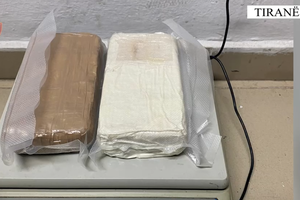
A police operation codenamed "Zonet" has ended with the se...

On Monday, our country will be affected by relatively stab...

More than 860 million people fall ill and 1.5 million die ...
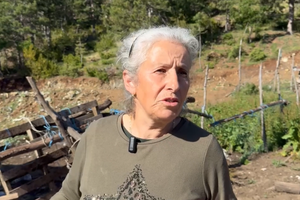
The mother of Violand Braçellari, the perpetrator of the s...

The modern European traveler seeks a meaningful connection...
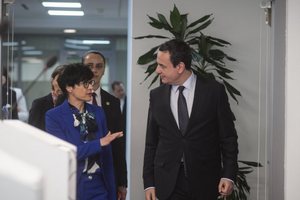
The European Union Commissioner for Enlargement, Marta Kos...
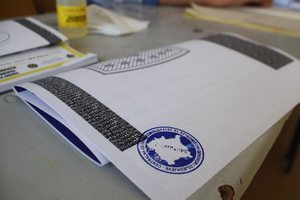
The counting of votes for political entities in Kosovo has...

Oil prices rose on Monday, with Brent crude rising 4.5% to...

Six people were injured in a stabbing attack at New York's...

Korça has transformed this weekend into the capital of cel...

Korça is ready to open the summer season with one of the c...
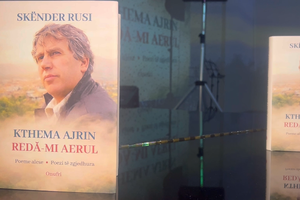
Two years after his passing, the renowned Korçë poet Skënd...
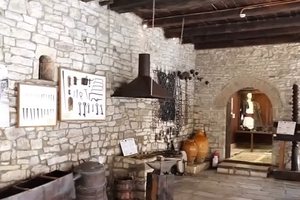
The Ethnographic Museum of Berat has opened its doors to v...
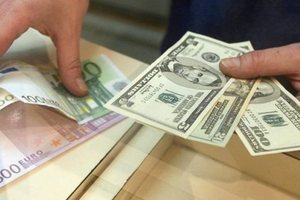
This Monday, one US dollar is bought for 81.8 lek and sold...

The tourist apartment market is continuing to expand at a ...

The number of properties sold by entities monitored by the...
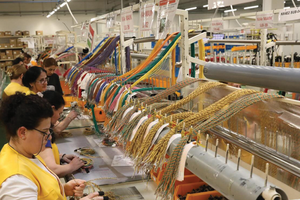
The automotive industry in Albania is currently at a turni...