

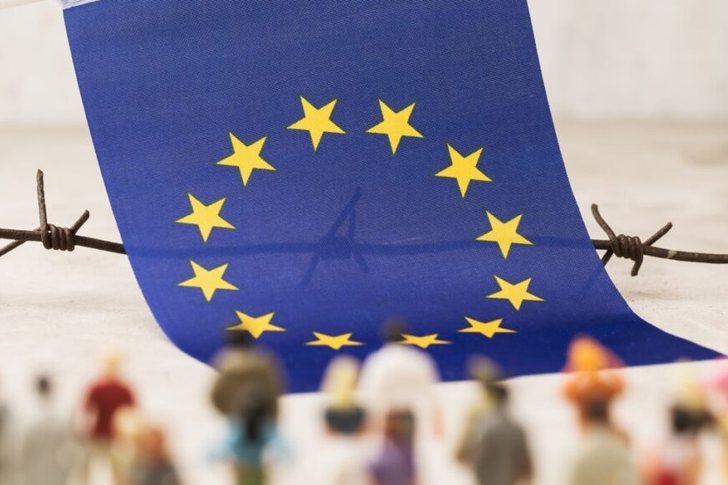
Only 5 thousand asylum requests in 2025/Escapes with work permits are 4 times higher
Applications by Albanian citizens for international protec...


L'Unione Sarda.it
The history of Albanian organized crime begins with a power vacuum. It is the early 1990s: the communist regime of Enver Hoxha had recently fallen and Albania was left without a strong economic structure, with fragile institutions and an unprepared law enforcement agency.
The turning point came in 1997. The collapse of pyramid schemes wiped out the savings of hundreds of thousands of families. Riots broke out, military arsenals were looted, and millions of weapons were lost. In that chaos, criminal groups emerged and consolidated, capable of occupying the spaces left empty by the state.
Italy as the first exit
During the same years, thousands of Albanian citizens crossed the Adriatic. The image of the ship Vlora filled with migrants in the port of Bari remains a symbolic sight of that exodus. Within these migratory flows, in addition to those seeking work and stability, were also involved emerging criminal networks.
Geographical proximity and short sea routes made Italy an ideal platform. Initially, crimes were widespread, theft, robbery and prostitution. But by the mid-1990s, Albanian gangs had established a strategic role in trafficking heroin along the Balkan route.
Over time, the group took a big step forward, directly managing shipments of marijuana cultivated in the Balkans, entering the cocaine market and establishing a stable cooperation with Italian organizations. No longer manual labor, but reliable partners in logistics and distribution.
Flexible structure, family ties
Unlike the historical Italian mafias, Albanian crime does not have a single, distinct structure. There is no centralized "dominant" organization. Instead, it is made up of family clans, linked by ties of blood and territory.
Their strength lies in their internal unity and ability to move rapidly between different countries. Networks in Italy and the rest of Europe provide logistical support, contacts and cover. Each group operates relatively autonomously, but maintains ties to the homeland.
Another distinguishing feature, especially in the 1990s, was direct and demonstrative violence, settling scores, kidnappings and armed clashes. However, over time, many organizations have chosen a lower profile, focusing on profitable trafficking and money laundering.
A stable player in European drug trafficking
Today, Albanian organized crime is considered one of the most dynamic in Europe. International investigations highlight its ability to control entire segments of the cannabis supply chain in the Balkans and to communicate directly with cocaine suppliers in South America.
Its defining characteristic is its network: agile groups, without a single brand but with a strong communal identity. A phenomenon born out of the institutional collapse of the 1990s, it has, within a generation, transformed into a silent but central player in transnational crime.
Drug trafficking and connections with Albanian circles, three major investigations in Sardinia
Over the last ten years, Sardinia has repeatedly appeared in the files of the Anti-Mafia Directorate of the Cagliari District for drug trafficking with links to the Balkans.
No "Albanian mafia" rooted in the island with territorial control emerges, but three operations show a common thread, groups operating in Sardinia embedded in wider networks with Albanian criminal circles.
2016 – Operation “East Pole”
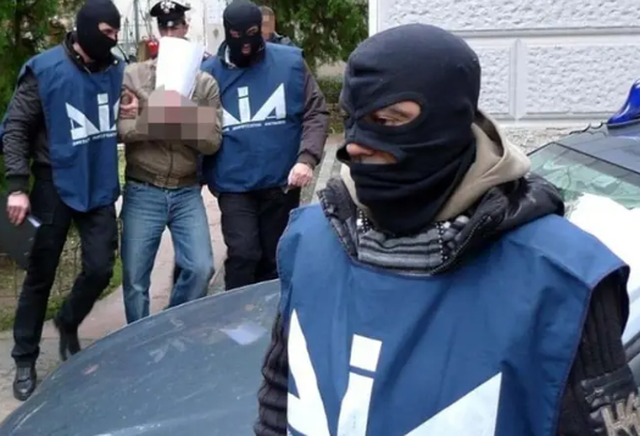
This is the first structured case. The investigation led to the arrest of 30 people, Italian and Albanian, for conspiracy to engage in international drug trafficking. An Albanian fugitive, subject to an international arrest warrant, was also arrested.
2023 – “Family and Friends”
The Antimafia Directorate (DDA) coordinated 40 precautionary measures (22 in prison and 18 under house arrest) against an organization described as Italo-Albanian.
According to investigators, the cocaine also came from Albania, while the cannabis originated from Spain. The estimated turnover was close to 15 million euros.
The activity was concentrated between Cagliari, Quartu and northern Sardinia, with branches in several Italian regions./ CNA

Applications by Albanian citizens for international protec...
General Dedë Prenga commented today on the situation in th...
Analyst Mentor Kikia has shared a video on social media sh...

Economic expert Brisida Shehaj expressed her criticism tod...
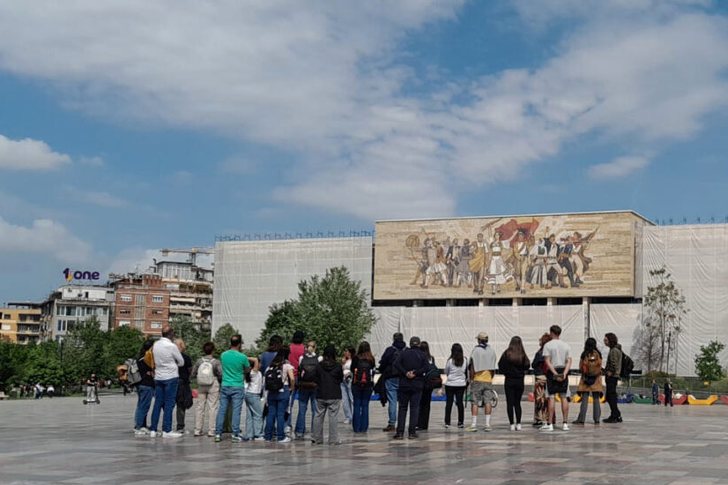
Tourist structures in the country welcomed more visitors i...
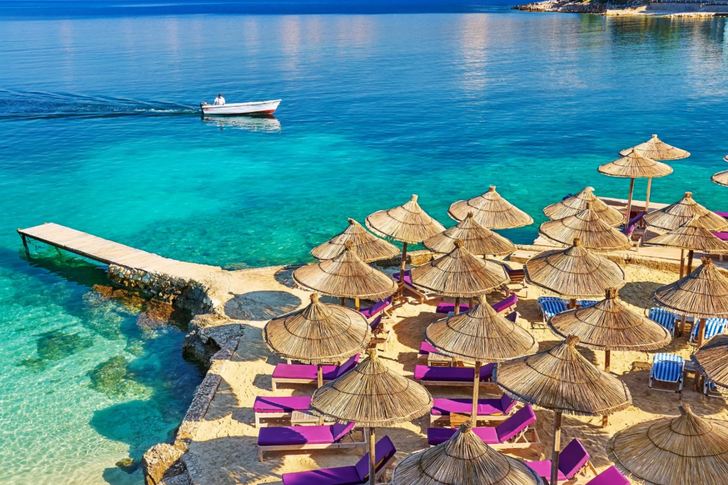
The great summer has always had a special power over the c...

The Special Court has passed the case against the mayor of...
On March 17, 2026, at the premises of the Bank of Albania,...
Israeli Foreign Minister Gideon Saar, in a reaction on the...
The Minister of State for Local Government, Ervin Demo, he...
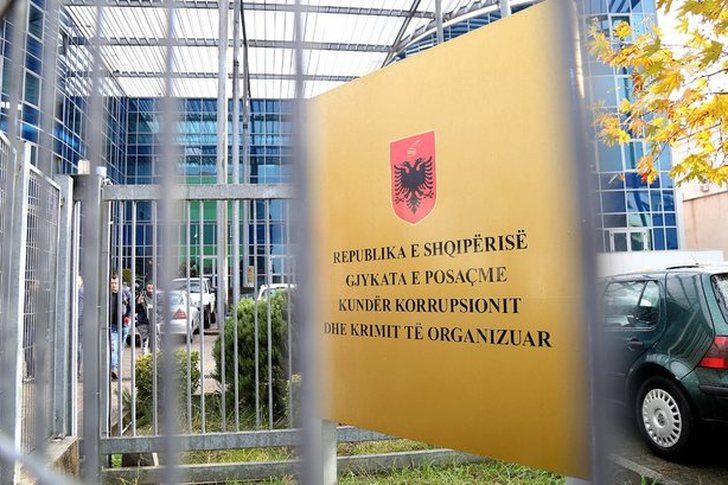
The Special Court Against Corruption and Organized Crime h...

MAG is pleased to announce the opening of the new LUBE sto...

The leader of the Democratic Party, Sali Berisha, has decl...
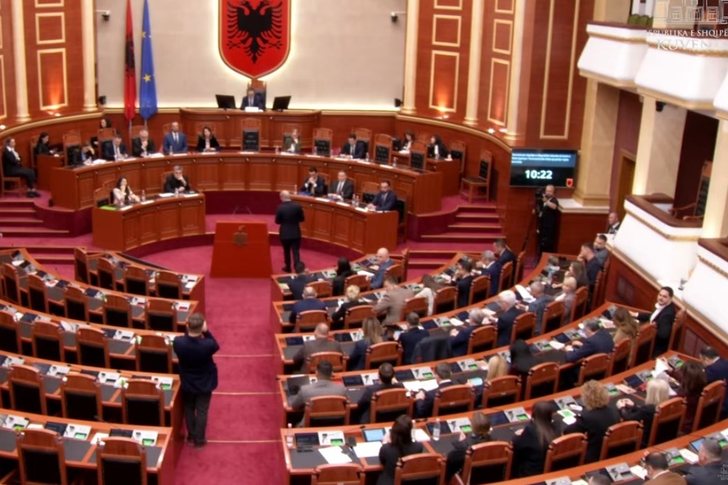
The draft resolution submitted by the Socialist Party Parl...
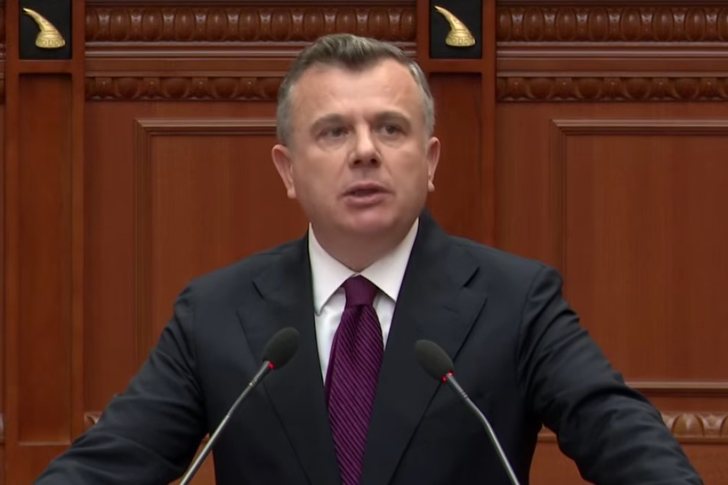
Today's plenary session in the Parliament has begun, where...
The former deputy director of the National Anti-Corruption...
The next parliamentary session will take place today at 10...
Journalist Klodiana Lala said today that the investigative...
Journalist Basir Çollaku warned today that there are other...
Today is an official holiday, because "Summer Day" fell on...
CNA has included in the filter the assets of the head ...
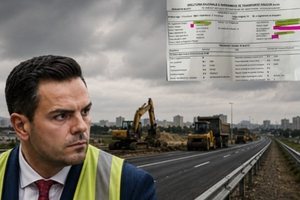
The 50 million euro tender for the maintenance of national...
Today we will bring another article that breaks down the w...
CNA has put under scanner the assets of Sokol Sadushi, the...

The Special Board of Appeal (KPA) decided this Monday ...

The KPA vetting decided this Thursday to dismiss the p...

Suela Salavaçi, a prosecutor in the Prosecutor's Offic...

The Special Board of Appeal reinstated the prosecutor ...
The Chairman of the Democratic Party, Sali Berisha, has sh...
A serious accident was recorded this Tuesday in the area o...
The Saranda Police Commissariat services initiated investi...
Following successive operations to capture internationally...

Meteorologist Lajda Porja has warned that Albania will onc...
Ditën e sotme vendi ynë do të jetë në ndikim të masave ajr...
The public sector took the lead in absorbing the workforce...
Today, our country will be under the influence of unstable...
Ukrainian President Volodymyr Zelensky arrived at the Whit...
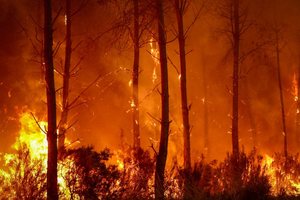
Firefighters in France and Spain continue efforts to bring...
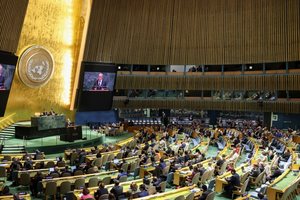
The 10th Secretary-General of the United Nations will be e...
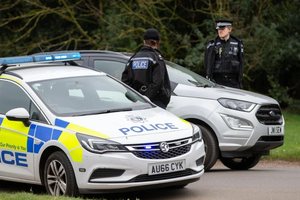
Police are "carrying out investigations" into an image sha...
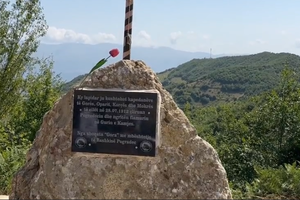
This July 28th marks the 114th anniversary of the raising ...
In the history of Western art and literature, few moments ...
Two windows, a century of history and the metaphysics of p...
In my research at the Central State Archives, specifically...
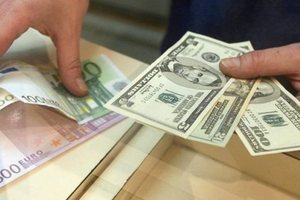
This Tuesday, one US dollar is bought for 81.7 lek and sol...

The Ministry of Finance will hold the reopening of the 15-...

After strong savings growth in the years following the pan...

This Monday, one US dollar is bought for 81.5 lek and sold...