



The EU's promise for the integration of the Western Balkans has so far not been fulfilled. This encourages autocrats in the region. The war against Ukraine is making it even clearer how important the accession process is.
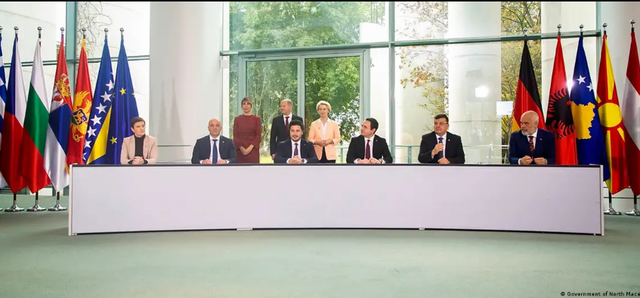
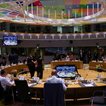
In the summer of 2003, 20 years ago, the heads of state and government of the EU and the Balkans met near Thessaloniki. What has since become routine was at the time an important signal. The countries of the Western Balkans, characterized by war, disintegration of the state and authoritarian regimes, must have their future in the EU. This promise was supposed to mark the transition from the post-war period to a phase of hope for the European future, but in fact it turned out differently.
The problems of the region could not be solved only with the promise of a future membership in the EU. As a mediator, the EU's results were modest. The EU did not succeed in turning Bosnia and Herzegovina into a state with functional structures, nor did it manage to limit destructive ethno-socialism. Even after more than ten years of mediation in the dialogue between Serbia and Kosovo, no lasting successes have been achieved. At the same time, nationalism and historical revisionism are more pronounced today than in 2003. In short, the post-war period resembles the pre-war period.
At the same time, optimism in the EU is decreasing. First, a European constitution failed in referendums in France and the Netherlands. Since the economic and financial crisis of 2007/2008, the EU has been facing one crisis after another, so much so that apparently there is no time left for ambitious plans. Only Croatia has managed to join the EU since then. For the other six countries that were offered membership then, the road remains long.
An expansion hiatus has never been so long
Never before in 50 years has the EU delayed the termination of the enlargement process so much. Since the accession of Ireland, Denmark and Great Britain in 1973, the pace of EU expansion has been less than ten years, when new countries have been admitted to the group. But now 20 years have passed since the Thessaloniki promise, and ten years have passed since the last accession, Croatia - and no new member is expected in the coming years. This long hiatus is not unexpected, because six the countries in the Western Balkans continue to wait, as do Turkey, Ukraine, Moldova and Georgia.
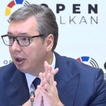
But the process is not progressing. In Turkey, the responsibility mainly lies with the authoritarian President Erdogan. In the Western Balkans, there are also authoritarian heads of states or governments, who stay in power like Erdogan with the tactics of power while only making empty words about EU membership. The President of Serbia, Aleksandar Vu?i?, mostly follows the example of Erdogan, maintains relations with Russia, with Turkey, as well as with China and the Persian Gulf States, in order not to be strongly dependent on Europe.
No response to the proliferation of autocrats
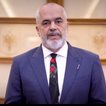
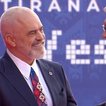
Other autocrats, from the strongman of the Bosnian entity Reoublika Srpska, Milorad Dodik, to the Prime Minister of Albania, Edi Rama, have different relationships with the EU, but all may live in the shadow of EU enlargement. -s. Some like Dodik, position themselves as anti-Westerners, flirt with Putin and try to undermine the peace in the region on the other hand. Others like Rama rely on the EU, but abuse their personal power.
The EU has no answer to the spread of autocracy. Some like Dodik, although they are criticized, can survive and receive an echo not only from Moscow, but also within the EU. The EU often turns into an implicator for short-term promises.
Prime Minister Vucic always manages to sell himself as a fire extinguisher, to put out the fires he starts himself. Often the EU in this case turns into implicators, turning a blind eye to attacks against media freedom and autocrats in the Western Balkans.
EU- There is no longer a bearer of hope
EU membership and the conditional promise of the rule of law and democracy have long ceased to be defining topics. For the EU, crisis management is more important, beyond values ??- either because of migration through this region, or to limit Russia's influence. Even in the region, the EU is no longer considered the bearer of hope. In many demonstrations against the destruction of the environment and violence and for democracy, which take place continuously not only in Serbia, the EU flags are no longer flying. The EU and its member countries have made pacts with autocrats, for a long time the union is no longer considered a symbol of a democratic future.
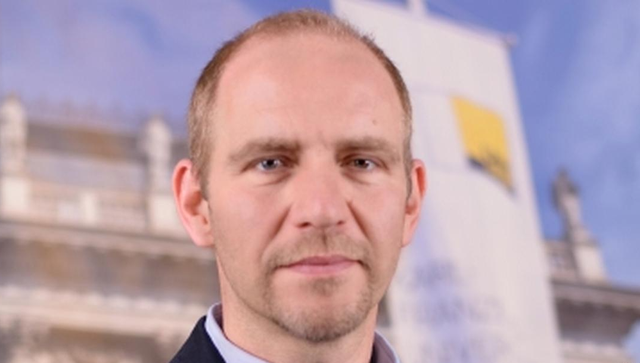
How it can go further, we recently defined this in the Balkans in Europe Policy Advisory Group (BiEPAG): EU enlargement from 2022 is no longer a process only for the Western Balkans, but also for Ukraine and Republic of Moldova, as well as potentially for countries like Georgia. This again gives the process greater political importance. This means that the states must have a planable future in the EU, without abusing the right of veto by EU members, as practiced by Bulgaria in the case of North Macedonia.
Abandon the concept of stabilocracy
For the future members, even more EU money is needed, in order to mitigate the differences in development between the members of the union and those countries that will join. Democracy and the rule of law must remain the focus of enlargement. The current commissioner for enlargement, Oliver Varhelyi, as Viktor Orbani's extended arm, undermines the EU's trust vis-à-vis the countries of the Western Balkans, but also Ukraine. For this, a commissioner with more weight and a more suitable background is needed.
Also, the EU should not continue to give up democracy in the Balkans for the sake of an alleged stability or cooperation against Russia. The region's stabilocrats, i.e. the autocrats, who sell the EU the promise of stability in exchange for democracy, must be unmasked, and in the first place the Serbian president Aleksandar Vu?i?.
The Thessaloniki promise is also important for Ukraine
How difficult this is is shown by the fact that a co-author of our study, Jovana Marovic, former Minister for European Integration in Montenegro, was arrested at the Belgrade airport on August 23, 2023 and denied travel to Serbia. According to the Serbian authorities, she posed a "security risk". Such a practice towards politicians from Serbia's neighboring countries is not new - with this, Vu?i? has opened a new stage of escalation, not only towards Montenegro, whose independence Serbia has never accepted, but also throughout the region. of the Western Balkans.
There are a number of new proposals for enlargement methods, but ultimately none of them will work if the political will is lacking. The EU should be ready to accept the states of the Western Balkans, if they meet the conditions.
If the EU does not manage to integrate the Western Balkans into the union, then every promise for Ukraine's membership sounds unconvincing. In short, much more is at risk in this way, than just an old promise from 20 years ago, which has not been kept until now./ DW



An 18-year-old fell into the hands of the Bulqiza poli...
Prime Minister Edi Rama will give an interview to the...

Agricultural production is entering a cycle of crisis that...
More than the utopia that will bring us the salvation of a...
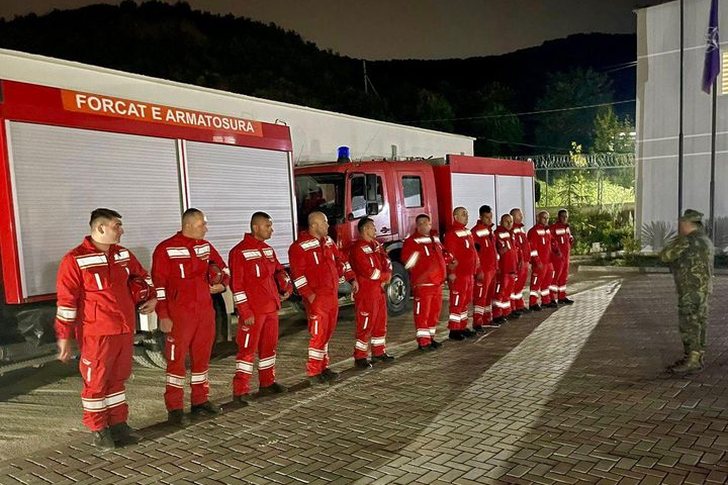
The Minister of Defense, Niko Peleshi, has reacted regardi...
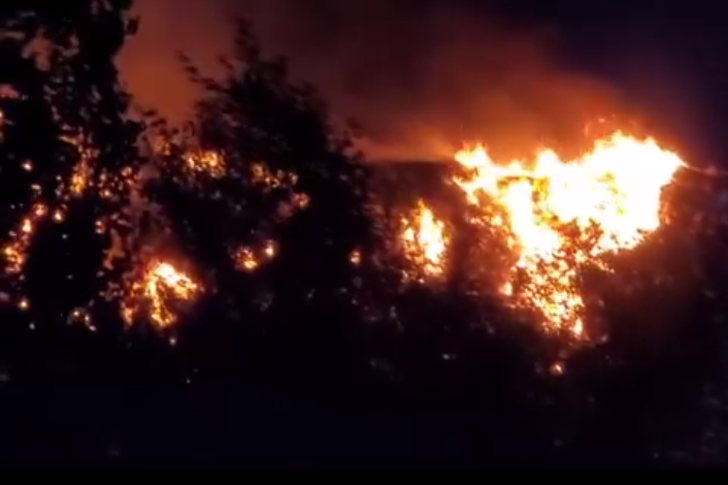
Zjarri në fushën e mbetjeve në inceneratorin e Elbasanit d...
The former candidate of the "Together We Win" coalition fo...
The deputy of the Democratic Party, Lefter Gështenja, has ...
Former Prime Minister Sali Berisha reacted today regarding...
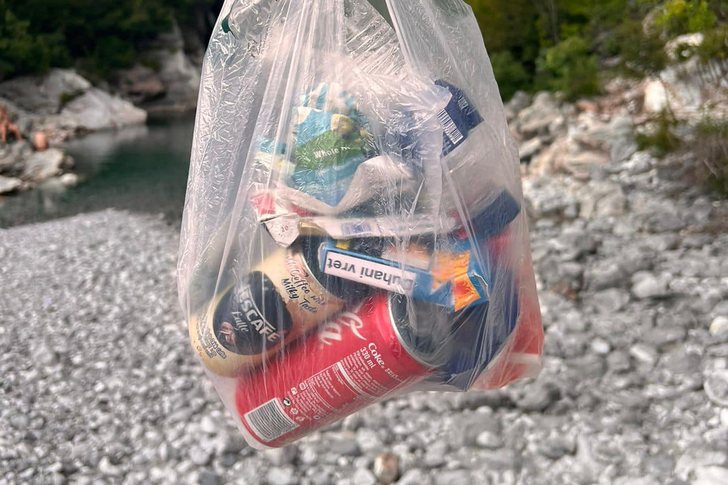
Prime Minister Edi Rama has called on vacationers, and esp...

The University of Medicine has published the lists with th...
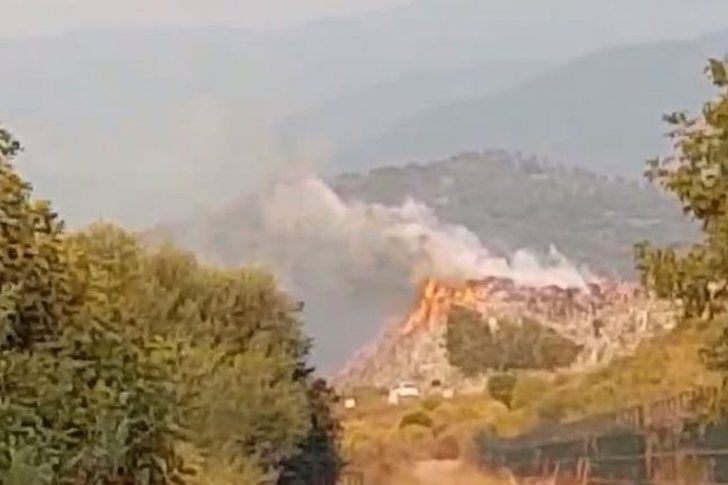
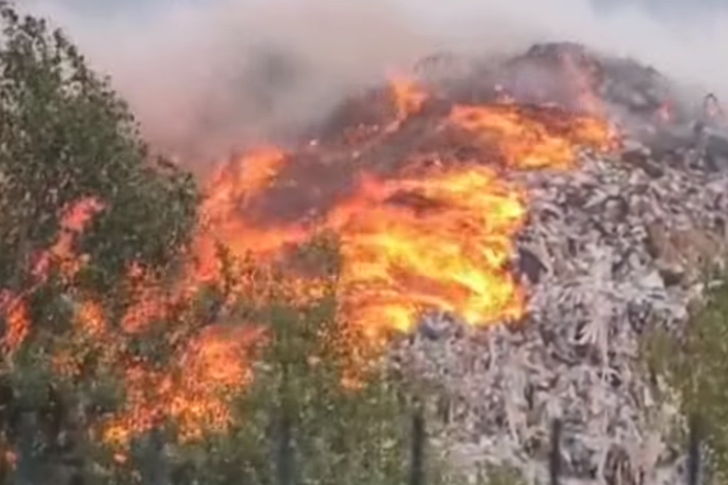
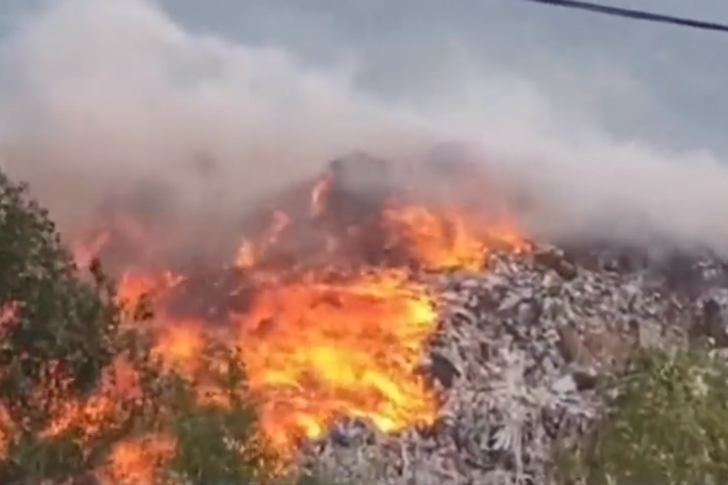
It is reported that a fire broke out at the garbage collec...
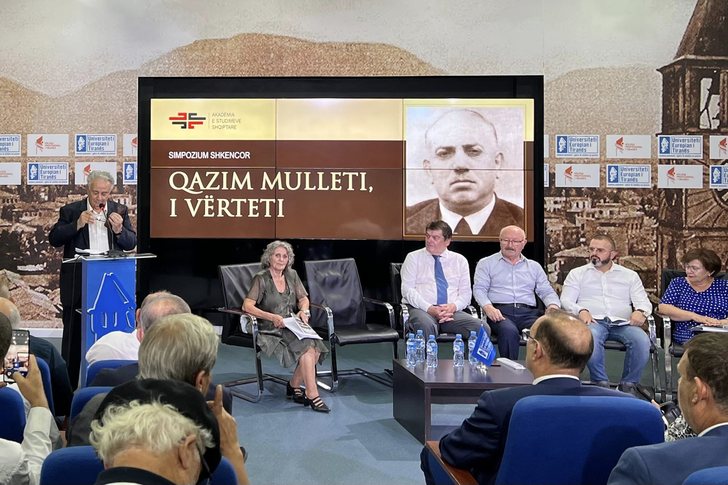
The head of the "Tirana" association, Arben Tafaj, has ann...
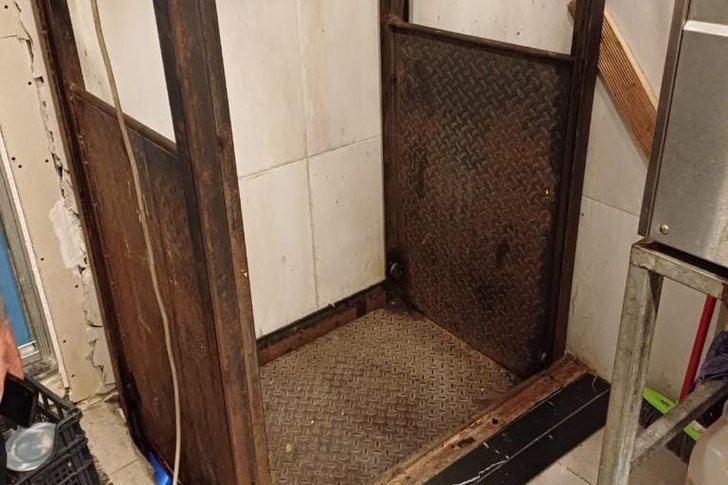
Inspektoriati Shtetëror i Mbikëqyrjes së Tregut ka reag...
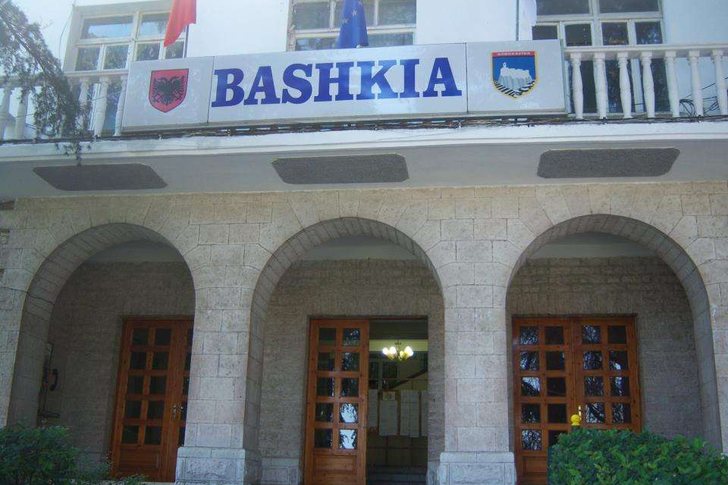
The mayor of Gjirokastra, Flamur Golemi, has canceled the ...
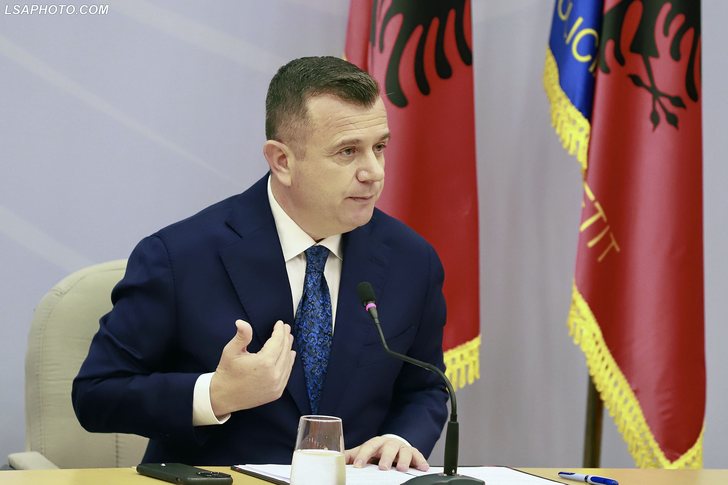
The Minister of the Interior, Taulant Balla, said today th...
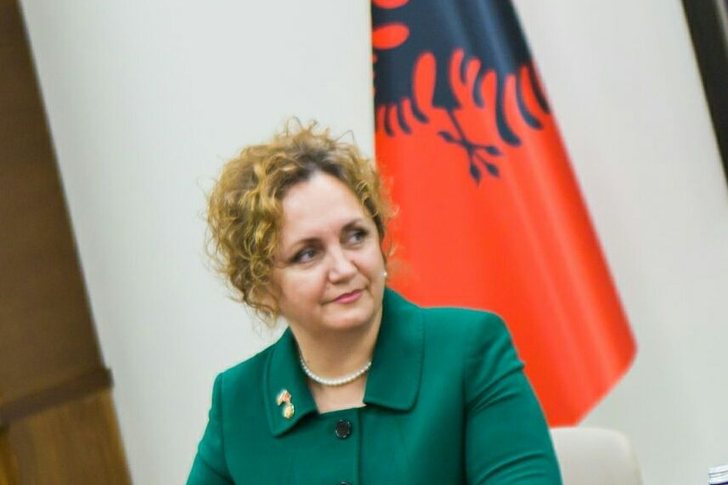
Floreta Faber, the ambassador of Albania to the USA for 8 ...
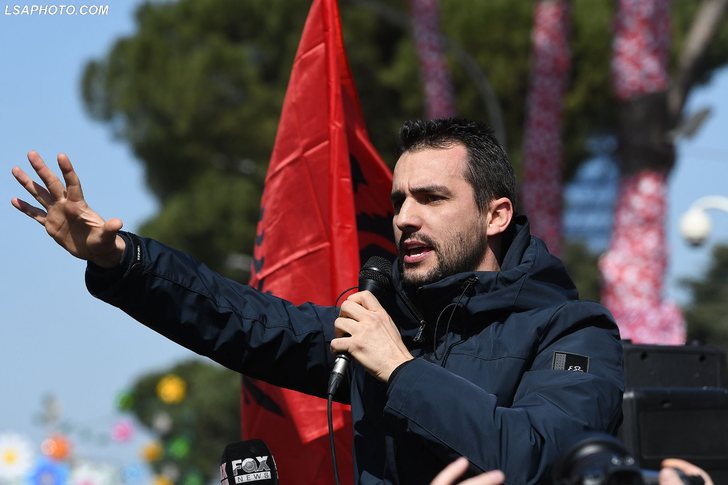
The well-known lawyer Adriatik Lapaj has expressed that a ...
CNA ka pyteur qytetarët në lidhje me çështjen më të nxehtë...
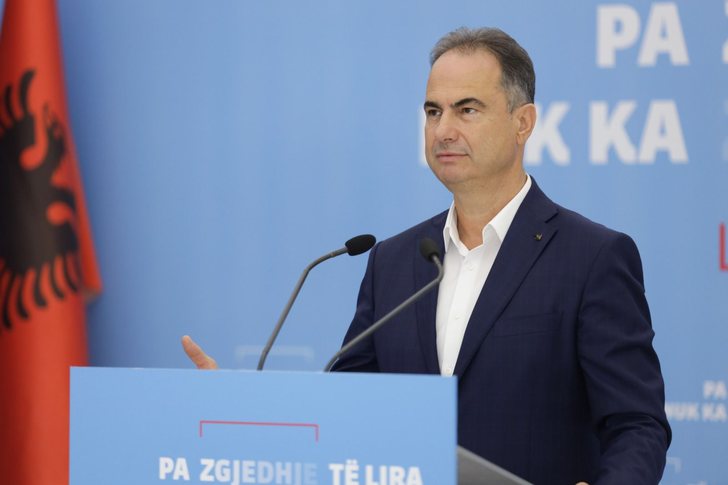
The former candidate for mayor of Elbasan, Luciano Boçi, i...

CNA has launched another investigation that could lead to ...

Irfan Hysenbelliu is a businessman that we call "Irfan the...

In March 2026, CNA launched another investigation centered...
The arrested mayor of Tirana, Erion Veliaj, with 13 charge...

The Special Board of Appeal (KPA) decided this Monday ...

The KPA vetting decided this Thursday to dismiss the p...

Suela Salavaçi, a prosecutor in the Prosecutor's Offic...

The Special Board of Appeal reinstated the prosecutor ...
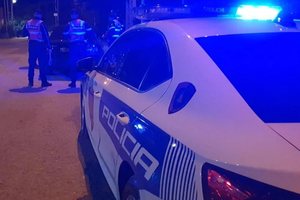
A conflict occurred this Thursday evening in the toy area ...
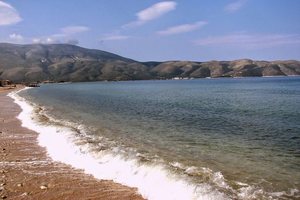
A person has died today on Orikum beach. According to repo...
Footage emerges from the serious accident that occurred th...

A Shkodra traffic police officer was hit with hard objects...

Children without parental care, for whom alternative famil...

On Thursday, our country will be under the influence of st...
A serious accident that occurred this Wednesday with the c...

The Institute of Geosciences has shared a forecast for wea...
The European Union Office in Kosovo has called on all poli...
Serbian President Aleksandar Vučić, at a press conference ...
For the first time since the launch of the euro, European ...

Artificial intelligence (AI) models from the American comp...

At a time when industrial products are increasingly taking...

Trust among people is not just a three-syllable word. It c...

Master of humor Todi Llupi has passed away at the age of 7...

The ninth edition of "MIK Festival" kicked off with one of...
The average sale price of apartments in Tirana reaches rec...

This Thursday, one US dollar is bought for 81.5 lek and so...
The price of diesel reached 206 lek per liter from 198 lek...

Businesses will no longer be required to simply register t...