

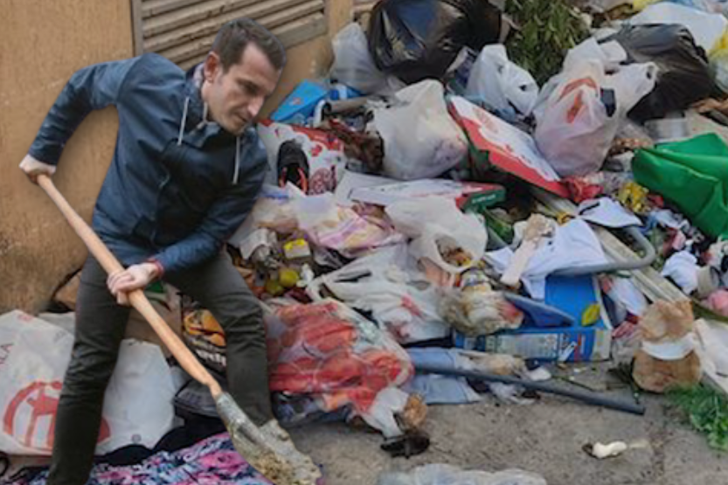
EU exposes Veliaj's lie/ Raise the alarm, Albania, urgent challenge for air pollution
The European Union has raised the alarm regarding air ...


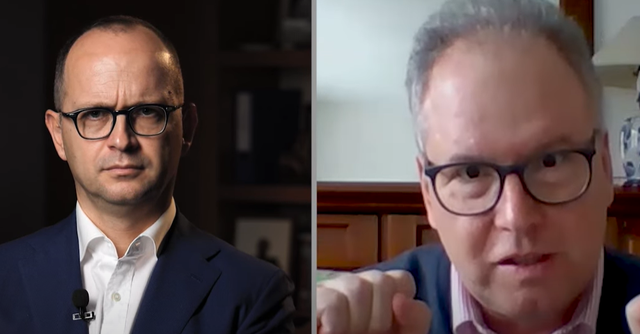
Ditmir Bushati in his "Public Square" space discusses with Kurt Bassuener, co-founder of the Council for Democratizing Policies. In this episode they dwell on the growing concern by international analysts and the media regarding the deterioration of democratic standards and the economic and social situation in the Western Balkans.
Both interlocutors discussed whether the USA and the EU are in to help a democratic and socio-economic transition and transformation in our countries and why this kind of deterioration of democratic norms and standards is happening?
Focusing on the Western Balkans, which Bassuener defined in a report as a "value-free area of ??transactionalism", he says that the Americans have significantly respected the EU, the European path, the perspective of membership, and have worked for this. Although, he continues, everyone has understood that the US is the guarantor of security in the region, the EU is allergic to force. "The EU just doesn't care about it.
"The current situation is based on logic and the presumption that the Balkans is tribal in one way or another. The only thing that can be done is its administration, which means we don't want unrest, we don't want instability. For this reason, we will we cooperate with the current rulers", says Bussuener, for whom the emphasis has been removed from democracy, the rule of law and human rights as far as the exercise of current politics is concerned.
Focusing especially on this issue, which Bushati calls "emigration diplomacy", the conversation emphasized the fact that the policy we have now is more accurately translated as: "we will have a partnership with whoever is in power, and the bases of our relationship will mainly be the economy and immigration". Depending on which country you are from, EU countries will want to recruit your country's workforce, or keep it away, but they absolutely do not want people from the south and the far east. This is a kind of "sanitary cordon" policy. This is valueless geopolitics. A kind of geopolitics that the developing world once experienced.
Bushati and Bussuener also discussed the impact that the presidential elections in the USA are expected to have on the Western Balkans, for which the latter expresses concern if former President Trump wins.
"I'm terribly afraid if Donald Trump wins, because we saw enough of what happened the first time. Yes. There has been continuity in transactionalism, but at least the Biden administration came out against the division of Kosovo, which the Trump administration was open to when this was proposed by Vu?i?, Thaçi and supported by Mogherini. I think this was a hidden agenda when Vucic and Grenell tried to negotiate something," he says. Then, we saw Kushner and Ivanka Trump's business deal in Vlora and Belgrade, co-chaired by Richard Grenell. I call Trump our first Balkan president, as he had exactly the same operating system, with no dividing lines between family and public affairs, or the exercise of official function.
Regarding the role of the USA in the region, the two interlocutors share the opinion that American foreign policy should focus more on the so-called political leverage than economic. I think the attitude is: "we, the US, want you Europeans to adopt these wild children as they are, and then they are your problem". This is a disillusioned attitude, as it cannot work this way. But I really think that's the level of thinking. And here we are not talking about people who do not understand. I think there is an over-obsession with economic levers, rather than political ones, and there is a reason why people want to dominate politics, because that way they can control the economy, not the other way around.
One of the things that gives me hope for the region is the citizen movements from the bottom up against money, corruption, various abuses of power, whether at low or high levels. Systems may change, but the way non-accounting powers operate is remarkably consistent across the region, and people understand that, he asserts.
The question is whether it can come up with a positive agenda instead of a resistance agenda, because rebellions and resistance are adversarial, while revolutions are supportive.
A revolution is needed first for consciousness, however we wish to use that consciousness, whether it be revolutionary and beyond the institutions or find the means to break through the resistance within the institution. I think that only with bottom-up initiatives will we be able to break out of our brain-dead, zombie-like policies, and realize that there are more possibilities than we thought.
We don't have to deal only with the Ramas, and the Vu?i?s, and the Dodiks, etc. We can reach out to the citizens, and they will be able to find real representatives for the change agenda they want, be it the environment, the rule of law, education, health care. All of these are issues facing citizens throughout the region.
There have been so many talks about regional cooperation, but these have always been between governments, and never between citizens. I think the social contract is built from the ground up. At the moment, none of these companies have a social contract. So there can be democracy when it rests on something, whether it is a legacy, a constitutional order, or a war, or something that is very demanding./ CNA

The European Union has raised the alarm regarding air ...
"We are in the last step before the signing to bring F...
"The Telegraph" has dedicated a "compressed" article today...
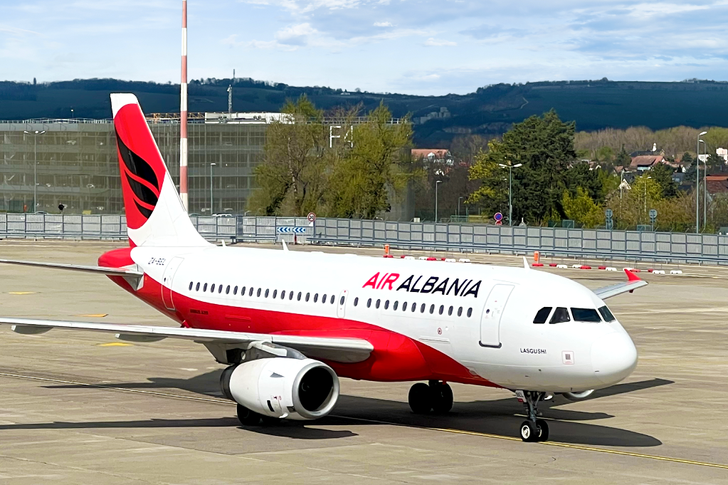
The Air Albania airline has justified the cancellation of ...
The Court of First Instance of Korçë has once again return...
The Police Supervision Agency, in cooperation with the Pro...
Tourist operators in Pogradec have closed a very succe...
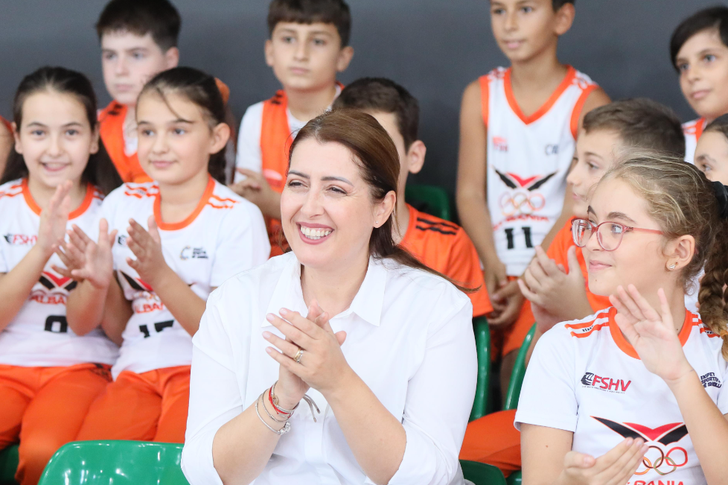
At the start of the third edition of the School Sports Tea...

The annual meeting for the analysis of the 2024 summer tou...
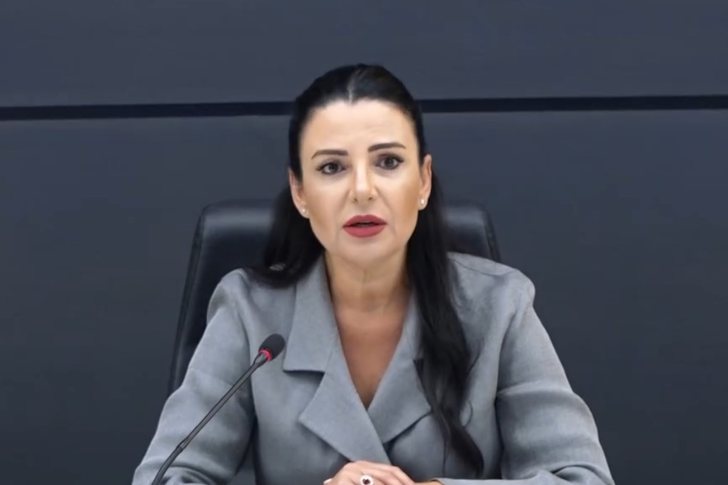
At the end of the tourist season, the government's number ...
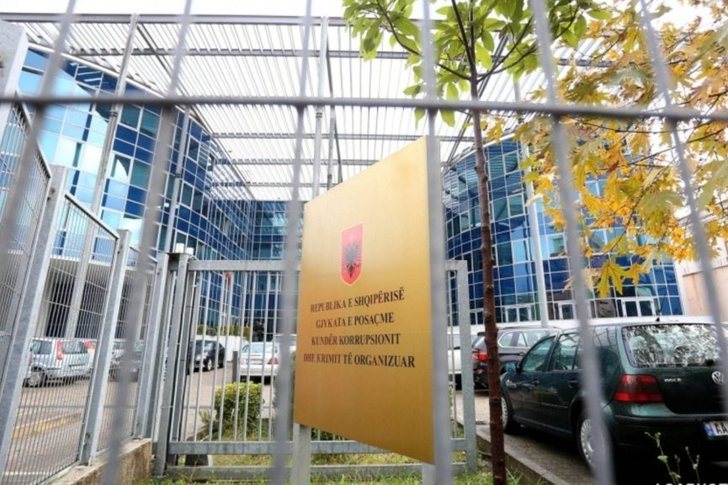
The Special Court of Appeal found it impossible to open th...

Scandal of the Albanian airline company "Air Albania". Th...
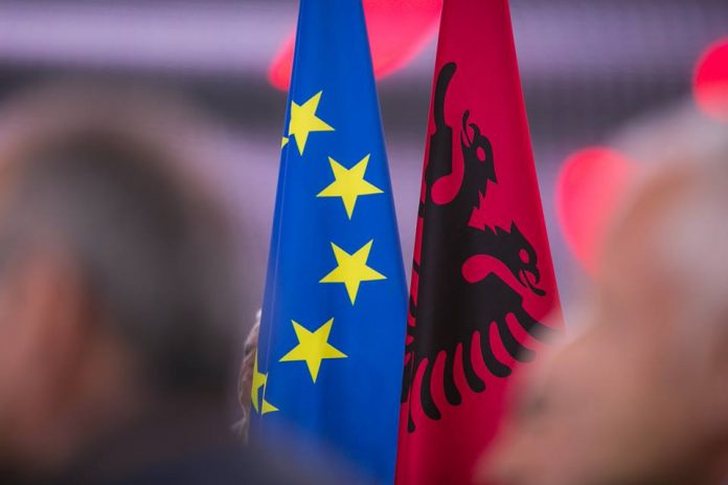
On October 15, the Second Intergovernmental Conference bet...
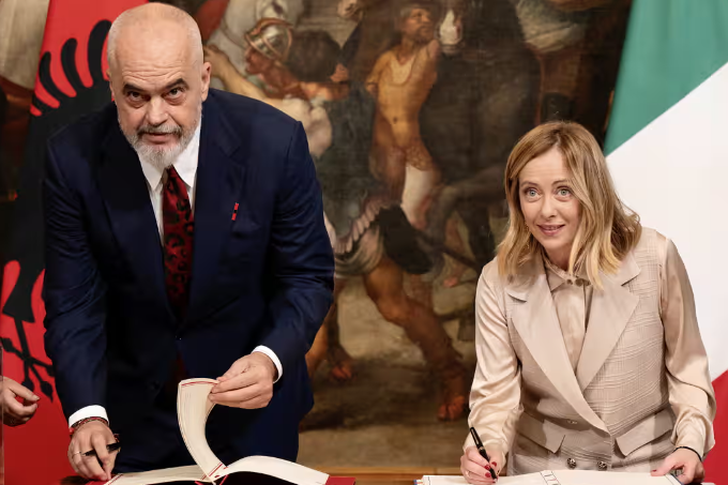
Italy has officially opened two centers in Albania, where ...

Top world beauty event again in Albania for the 21st editi...
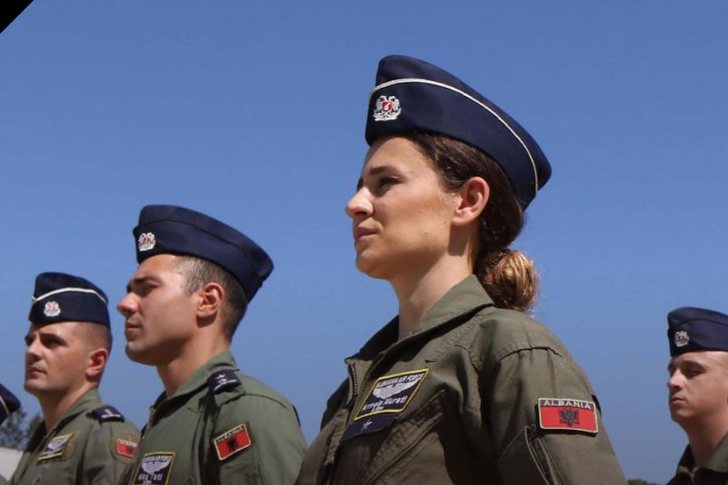
Air Force personnel are one of the categories that benefit...
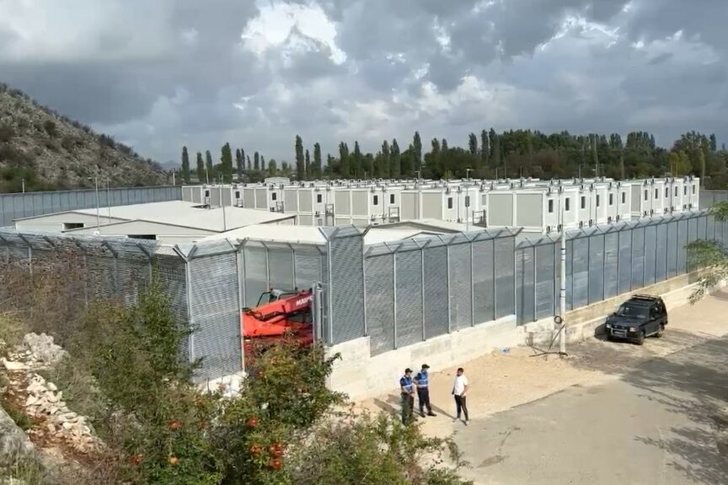
Work on the immigrant centers in Lezha, which will be unde...
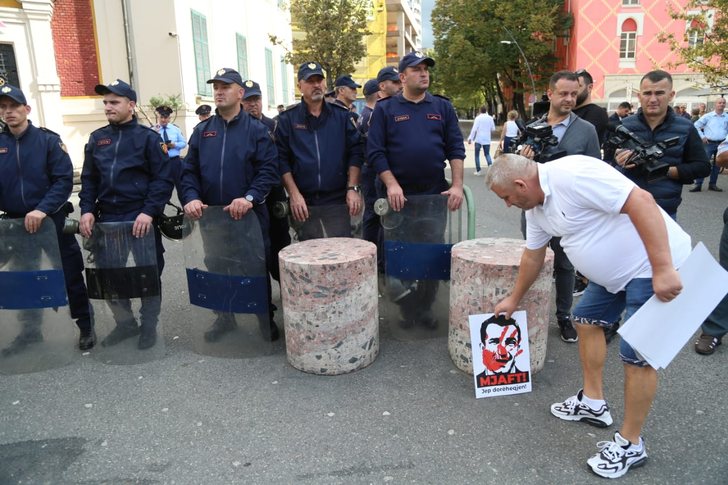
The opposition protest in front of the Tirana City Hall la...

The session for the Fieri incinerator in the Special Appea...

A strong denunciation was made in the protest against ...

Irfan Hysenbelliu claims to be a big businessman, an hones...

The murder of officer Enea Mekolli in the line of duty has...
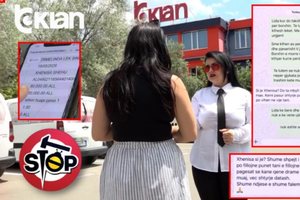
The next case broadcast on the show "Stop", this Thursday,...
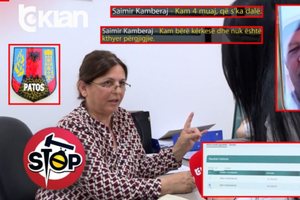
The case published this Thursday, June 4, on the show "Sto...

The Special Board of Appeal (KPA) decided this Monday ...

The KPA vetting decided this Thursday to dismiss the p...

Suela Salavaçi, a prosecutor in the Prosecutor's Offic...

The Special Board of Appeal reinstated the prosecutor ...
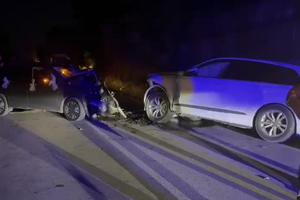
A road accident has been reported on the Fier-Levan axis, ...

An accident was recorded a few minutes ago on the Pogradec...
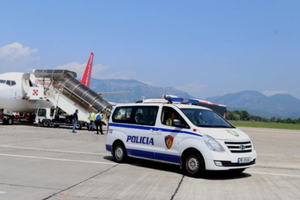
Following the cooperation of Interpol Tirana with Interpol...

An accident occurred this Saturday morning at Shkëmbi i Ka...
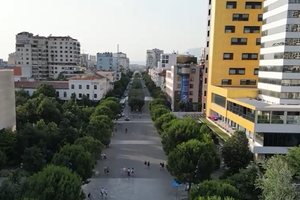
Albanians are officially the hardest working people in Eur...
This Saturday will be characterized by mostly clear weathe...
Today our country will be affected by stable weather condi...

For many children and teenagers, the long summer holidays ...
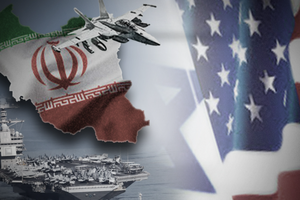
The military advisor to Iran's supreme leader, Mohsen Reza...
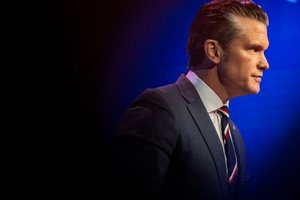
US Defense Secretary Pete Hegseth declared that Europe is ...
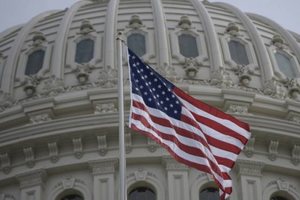
A federal judge in Rhode Island struck down a Trump admini...
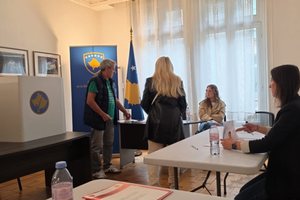
Thousands of Kosovo citizens living abroad are voting phys...
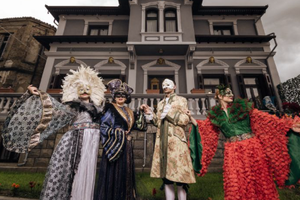
Korça is ready to open the summer season with one of the c...
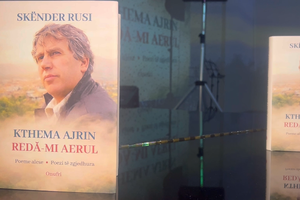
Two years after his passing, the renowned Korçë poet Skënd...
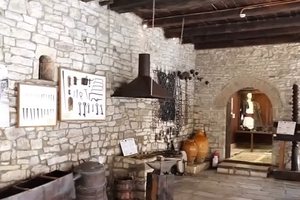
The Ethnographic Museum of Berat has opened its doors to v...
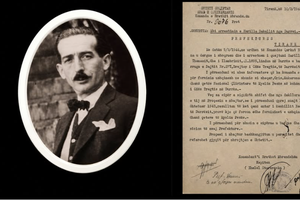
The story of Harilla Bakalli is one of the most chilling t...
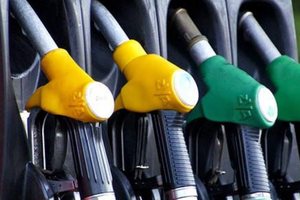
The Transparency Board, in today's meeting, decided to red...

This Saturday, one US dollar is bought for 81.4 lek and so...
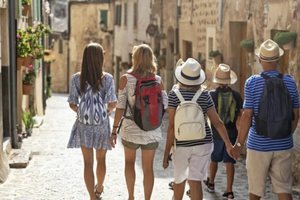
Despite years of efforts at regional cooperation and free ...

Albania is the country with the highest level of severe ma...