


"Let Rama bark, the protest moves forward"
Protesters continued their march through the streets of Ti...

Protesters continued their march through the streets of Ti...

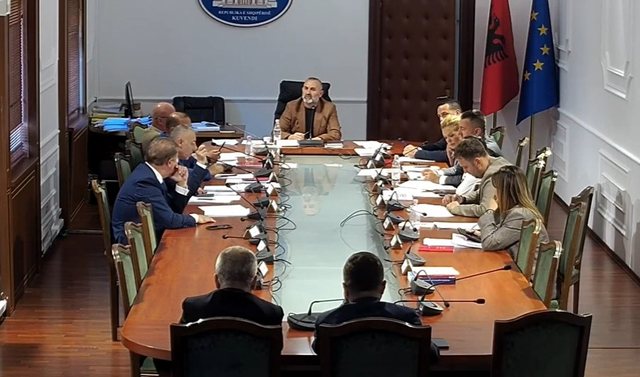
During the review of the draft law "On granting amnesty", in the Committee on Legal Affairs and Public Administration, on 15.6.2026, a problem arising from the practice of implementing the previous amnesty was identified, as a result of the difference between issuing the decision and its clarification, emphasizing the need for a legal clarification that guarantees unified implementation and avoids inequalities created by delays in the judicial system.
Convicted persons should not be penalized for procedural delays beyond their control, such as delays in the disclosure of court decisions or their communication.
For this reason, during the discussions in the committee, it was emphasized that the most appropriate reference should be the moment of issuing or announcing the decision and not the moment of its disclosure.

The purpose of the intervention was legitimate, however, the wording of Article 2, point 1, letter “a”, creates an internal contradiction.
The provision results in the following text: “1. “Convicted” is considered: a) a person convicted by the courts of first instance of general jurisdiction and the courts of first instance against corruption and organized crime and who, within the legal deadline, has not filed an appeal or the appeal has not been accepted by the relevant courts of appeal, taking final form within 31.5.2026, regardless of the date of publication of the final court decision;
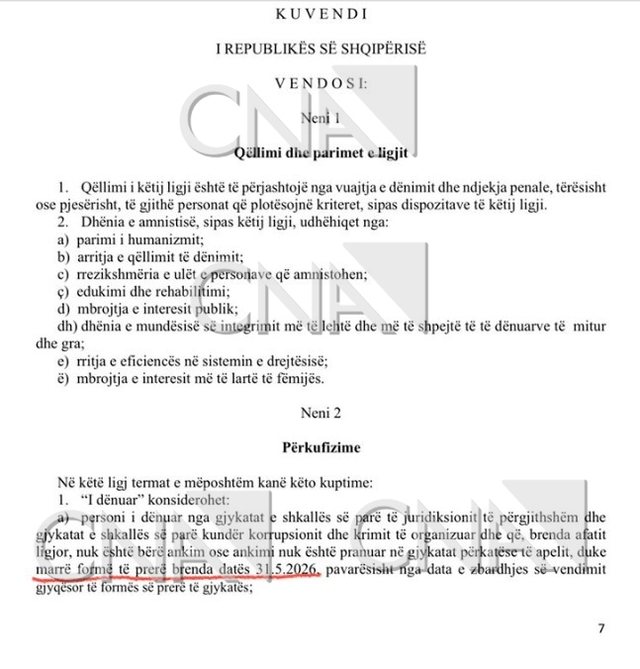
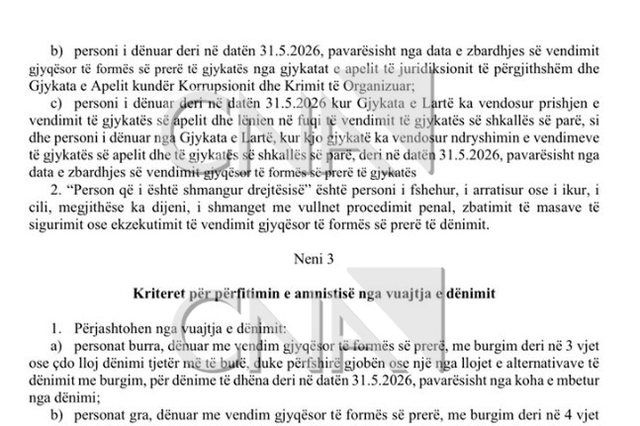
It should be clarified for the reader that the date of becoming final is not the same as the date of issuing or announcing the decision by the courts of first instance. Finality is related, among other things, to the expiration of the appeal deadline, the failure to exercise the appeal or its rejection. Consequently, a decision issued before 31.5.2026 may become final after this date due to its disclosure, notification or procedural progress.
With this wording, the provision risks producing precisely the consequence it aims to avoid: the exclusion from the amnesty of persons who have been sentenced by a decision issued within the deadline of 31.05.2026, but who have not yet received a final decision for reasons beyond their control. For this reason, the phrase “regardless of the date of disclosure” loses its practical effect, as long as the criterion remains that the decision has been made final within the deadline of 31.05.2026.
For the provision to be in line with its purpose, the date 31.5.2026 must be linked to the moment of the announcement of the sentencing decision, while its becoming final should remain a condition for the implementation of the amnesty, without it being necessary for it to have occurred within this date.
After consulting with criminal lawyers, CNA comes to the rescue with this formulation: “1. “Convicted” is considered: a) the person against whom the first instance courts of general jurisdiction or the first instance court against corruption and organized crime have pronounced a sentence until 31.5.2026, when this decision has taken or becomes final as a result of failure to appeal within the legal deadline or failure to accept the appeal, regardless of the date of disclosure or notification of the decision.”
This wording clearly separates the date of announcement from the procedural moment of taking final form, avoiding contradictory interpretations, unequal treatment, and preserving the intended position in the Committee on Legal Affairs and Public Administration./ CNA

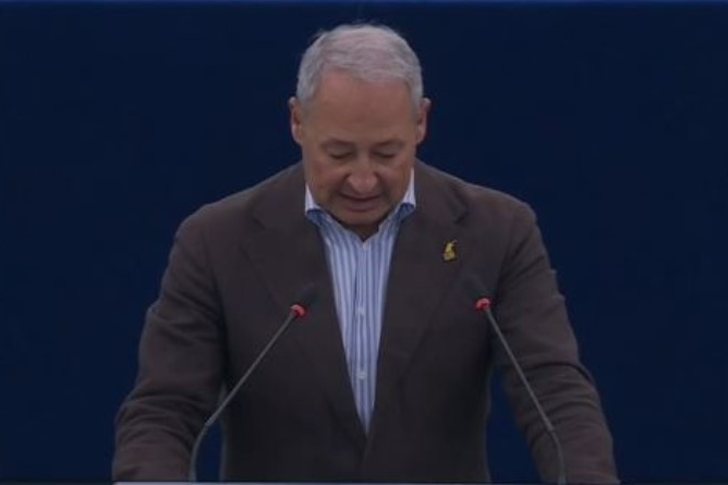
MEP Andreas Schieder has described Albania as one of the m...

Protesters have headed towards the Prime Minister's Office...

The protest held this Tuesday in Korça failed to attract a...
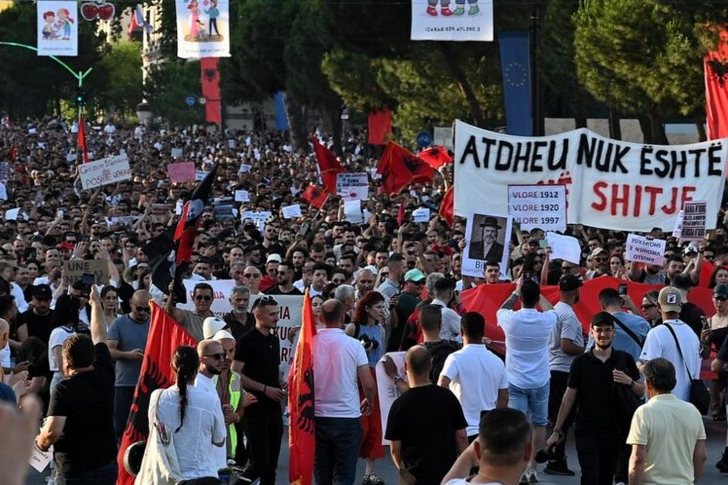
The protest against the government has entered its 17th da...

Psikologia Armina Velçani ndau sot me shikuesit e CNA TV, ...

Psychologist Armina Velçani shared today her experience wo...

DP MP Belind Këlliçi has reacted regarding SPAK's mega-ope...

The State Police have issued an alert regarding a new type...
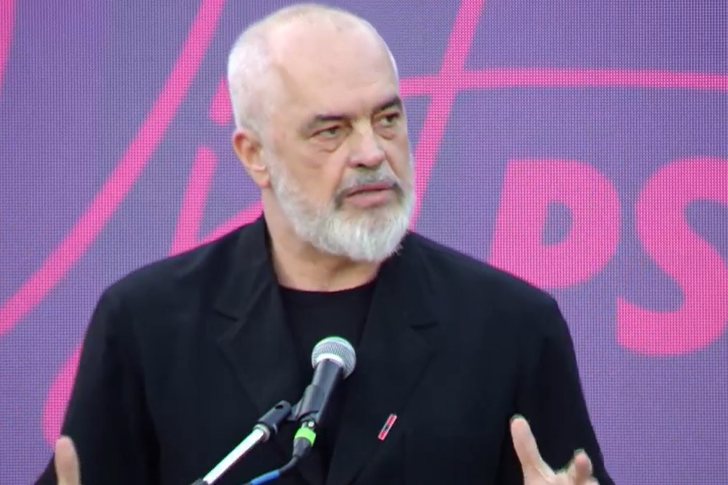
Prime Minister Edi Rama has reacted after the statement of...
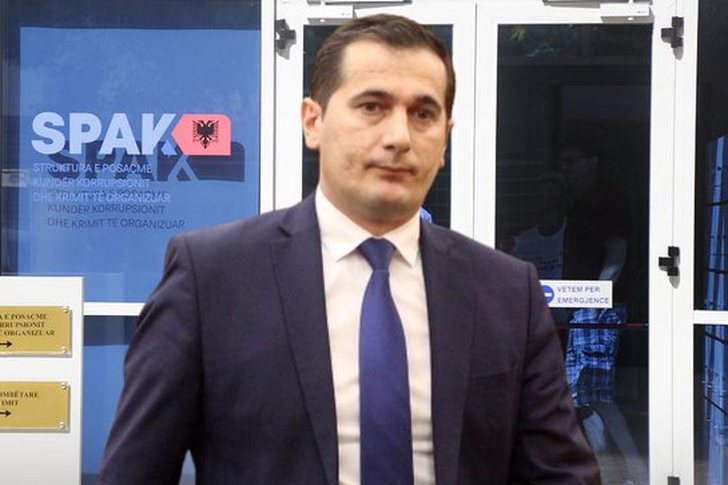
The Head of the Special Prosecution Office against Corrupt...

The Chairman of the Socialist Party Parliamentary Group, T...

The son-in-law of former Prime Minister Sali Berisha, Jama...

The Director General of the State Police, Skender Hita, vi...
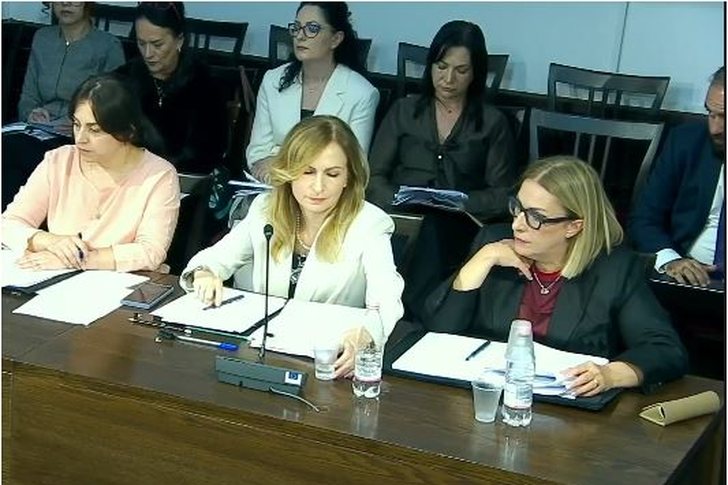
The Financial Supervisory Authority reported today its ann...
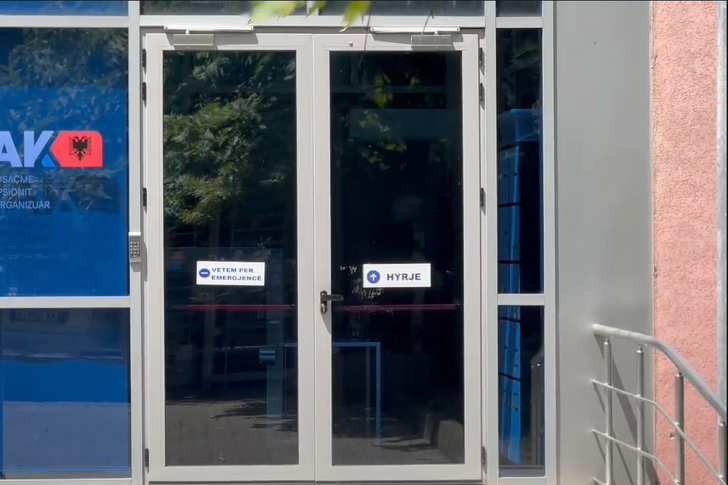
In the official announcement made about the crackdown on t...

SPAK today struck another cocaine distribution network, ju...
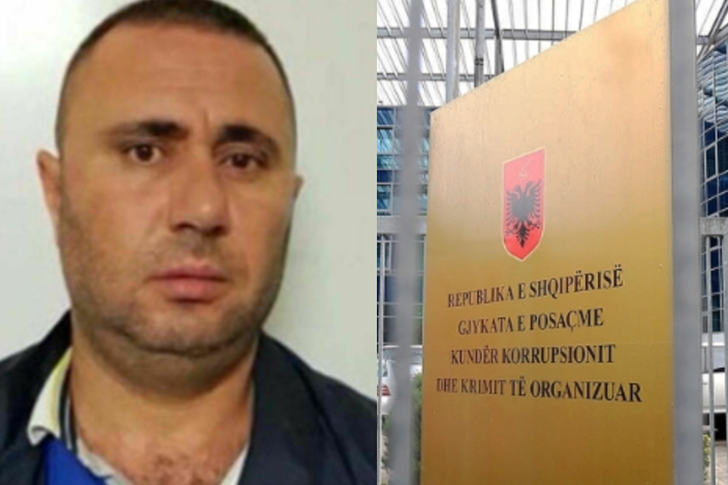
The Special Court has today confirmed the "prison arrest" ...
SPAK has cracked down on another suspected international c...

Businessman Gjergj Luca has reacted through a post on soci...

This Tuesday, the Special Court is holding a hearing on th...

Erion Isufi is the man known in the media as Lulzim Basha'...

There have been 12 days of protests in the capital, which ...

Dritan Prençi is the SPAK prosecutor who is sleeping on th...
The in-depth investigations that SPAK conducted into Ajola...

The Special Board of Appeal (KPA) decided this Monday ...

The KPA vetting decided this Thursday to dismiss the p...

Suela Salavaçi, a prosecutor in the Prosecutor's Offic...

The Special Board of Appeal reinstated the prosecutor ...

34-year-old Eglant Koçi remains missing, with authorities ...

The State Police and the Tirana Prosecutor's Office have c...

The Special Prosecution Office against Corruption and Orga...

Europol, in cooperation with French authorities, as well a...

Meteorologist Tanja Porja shared some predictions today re...
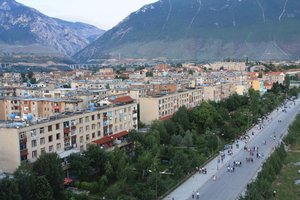
The large regions of Northern Albania are experiencing a s...

On Tuesday, our country will be affected by relatively sta...

Today, our country will be affected by relatively stable w...

Switzerland announced that the signing ceremony of the agr...

The European Court of Human Rights in Strasbourg has rejec...

US President Donald Trump met with President Volodymyr Zel...
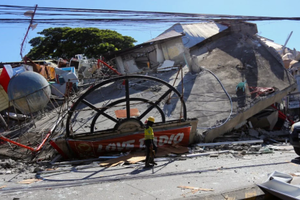
This Tuesday marked strong seismic tremors in two countrie...
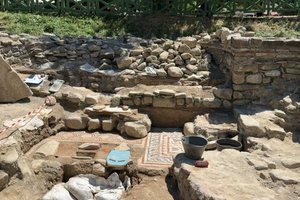
Several archaeological excavations conducted during this s...

At the Museum of Fine Arts in Chambéry, France, an exhibit...

Korça has transformed this weekend into the capital of cel...

Korça is ready to open the summer season with one of the c...

Oil prices have fallen to their lowest level in nearly 15 ...

This Tuesday, one US dollar is bought for 81.3 lek and sol...

Seasonal changes, fluctuations in production and imports, ...

The dynamics of wages in the labor market continued their ...