

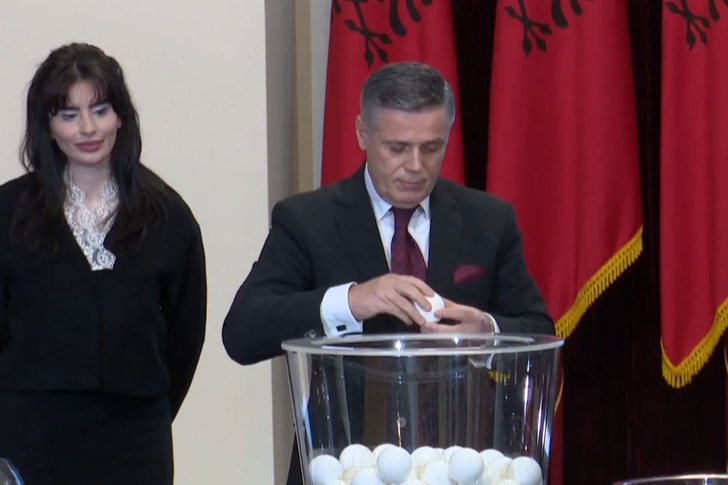
Composition of the KED for 2026/ Representative members are elected from the Administrative Court
Today, in a draw held by the Presidency, representatives f...


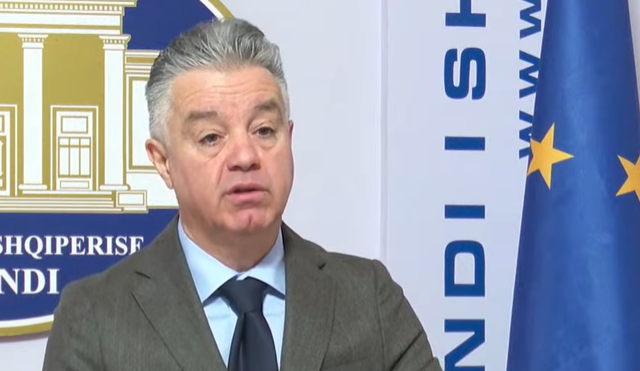
Democratic Party MP Eno Bozdo has given a statement to the media in which he spoke about the fiscal amnesty. Bozdo said that this is an uncontrolled fiscal amnesty, while emphasizing that if this mechanism is allowed to function as the government says, it opens the way for money laundering.
He said that one of the DP's amendments to this is the exclusion of companies operating in the construction sector from this draft law.
According to him, other amendments include doubling the corporate tax rate for other sectors, increasing transparency for businesses that benefit, facilitating procedures for farmers, and reducing the asset revaluation rate for low- and middle-income families.
Bozdo also presented amendments to the draft law on the forgiveness or cancellation of businesses' obligations to the tax and customs administration.
Bozdo's full speech:
And the second aspect, that of fiscal amnesty allowing companies to change their accounting balances without limit, in exchange for only an additional tax of 5%. Precisely, this second aspect is very problematic.
It is an uncontrolled fiscal amnesty, disguised in the idea of ??improving the business climate. This mechanism, if allowed in this way as the government wants, offers a golden opportunity, in quotes, for legal money laundering in Albania. Our amendments relate to: One, the exclusion of companies operating in the construction sector from this draft law.
As companies that earn a lot and often in a speculative way. These companies are very profitable, so there is no need for favoritism and above all due to the fact that no one, not even the tax administration, even with its best will, can control the period of declaring profits. In short, a construction company has the power to declare a profit over 18% to then benefit from a very low rate of 5%, according to this draft law. This would constitute a violation of economic equality and discrimination against other companies.
Two, we propose for all other sectors, with the exception of construction, which we have excluded from this draft law, for the sake of fairness and treatment of these businesses, a 10% tax rate for any profit tax greater than the 18% figure, from the 5% that the government has proposed. So practically a doubling of the profit tax rate. The 10% figure is closer to the real tax rate, while at the same time offering sufficient incentives for self-declaration and improving the business climate.
Third, we propose that any retroactive change in balances, a mechanism offered by the draft law, be, regardless of the amount changed, subject to the bodies responsible for preventing money laundering and terrorist financing. This will ensure that this mechanism offered by the majority cannot and will not be used for money laundering, without anyone being held accountable, as the government's version envisages.
Draft law on the forgiveness or cancellation of business obligations to the tax and customs administration.
For this draft law, our amendments aim to: One, first, full transparency of the businesses that benefit from this amnesty. This is an unavoidable obligation towards the public opinion and other businesses that pay taxes honestly. They do not cheat and do not owe the state.
For this reason, we request that a list of the 3,000 largest businesses that benefit be published. However, no business that benefits from a forgiveness or cancellation of 5 million lek, otherwise 50,000 euros, cannot be made public and its name will be published on this list. Second, companies with the same owner or group of owners who own other active businesses that have positive balance sheets or benefit from public funding in the form of tenders and public procurements cannot benefit from this forgiveness or cancellation.
The draft law on value added tax. This draft law can be considered a step forward towards recognizing the fact that Albanian farmers have been left completely at the mercy of fate by the socialist government for 12 years now. The 10% compensation rate proposed in this draft law is welcome, but the solution provided is neither fair nor appropriate.
This version of the government offers very little for the main problem that the sector has, the very high informality, about 80% of the sector. Thus, this group of farmers, such as those who are themselves subject to VAT and issue sales invoices, but also those who are small businesses, not subject to VAT, such as dairies for the production of dairy products, in our amendments become part of this compensation scheme. According to the government's proposal, these two very large groups were outside the compensation scheme. Secondly, our amendment aims to facilitate farmers from a bureaucratic point of view.
Their compensation, unlike what the government foresees, should be done every month, automatically, without submitting any request or document, since only the farmer's bank account is presented at the beginning of the procedure. Thirdly, and most importantly, this draft law does not formalize the sector. This draft law does not introduce all the links of agricultural production and distribution of agricultural products into the VAT scheme.
To achieve this, as well as to provide a final solution to the formalization of the market, farmer subsidies, supply at low prices, as well as the very important issue of consumer product safety, we present relevant amendments that achieve this. And finally, the draft law on the revaluation of assets. This draft law sets the revaluation rate for real estate at 5%.
This is a very high rate, especially for low- and middle-income families. We propose this rate at the level of 2% to enable all Albanian families, regardless of their economic situation, to benefit from this revaluation. Thank you. /CNA

Today, in a draw held by the Presidency, representatives f...
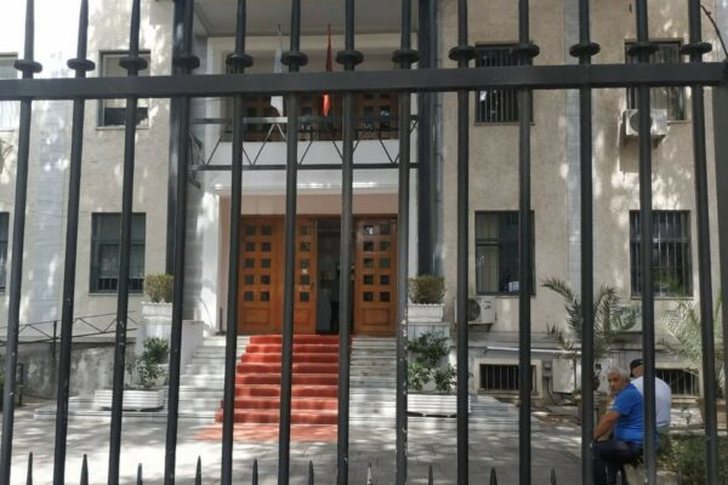
The representative members of the Appeal of General Jurisd...
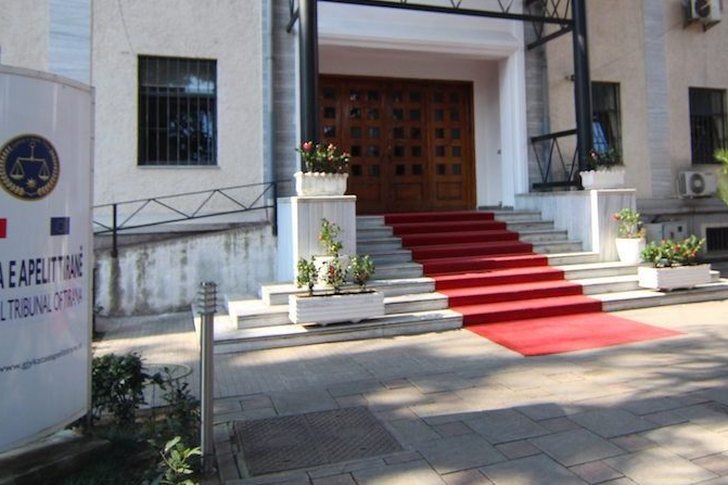
The President of the Republic today cast the lottery for t...
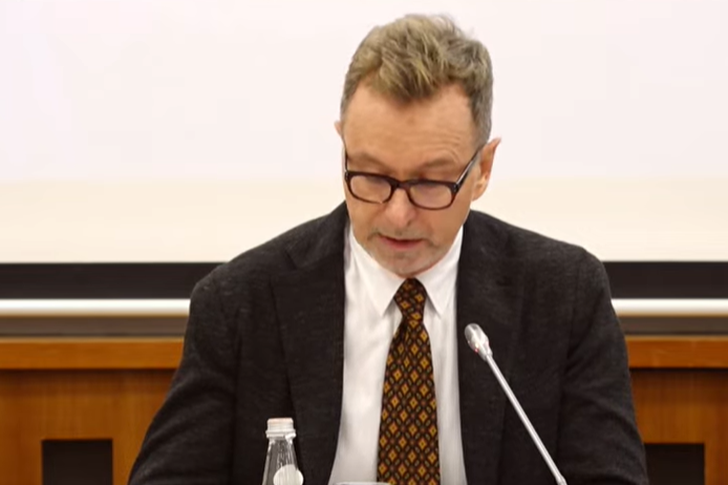
The European Union Ambassador to Albania, Silvio Gonzato, ...
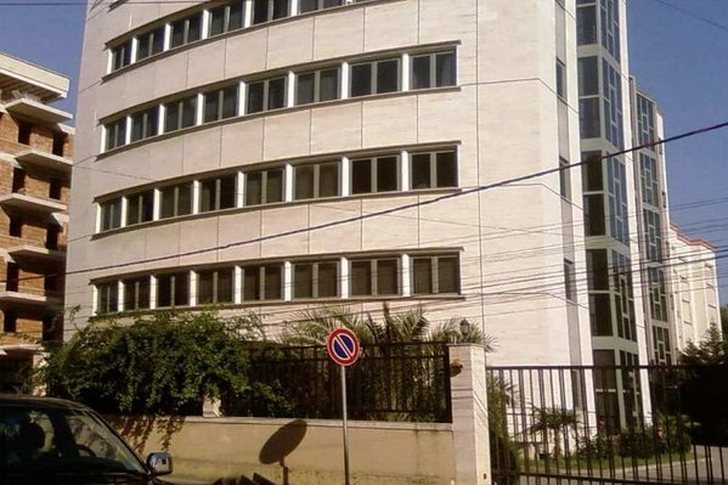
Representative members to the KED have been elected from t...
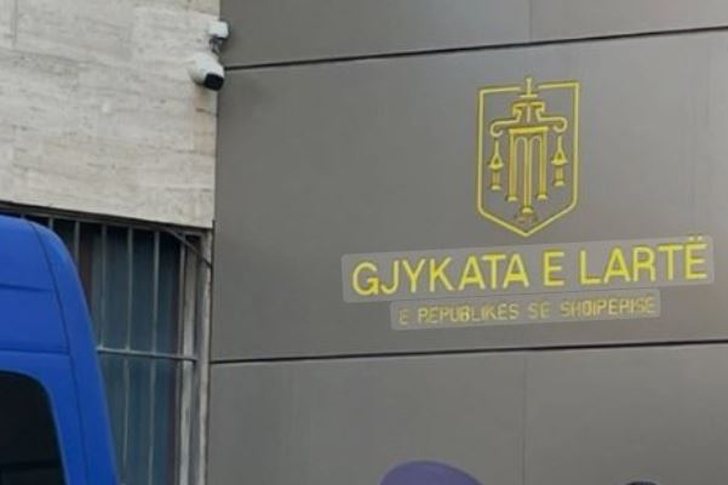
The representative members of the Supreme Court have been ...

Today, the draw was made for the election of members of th...
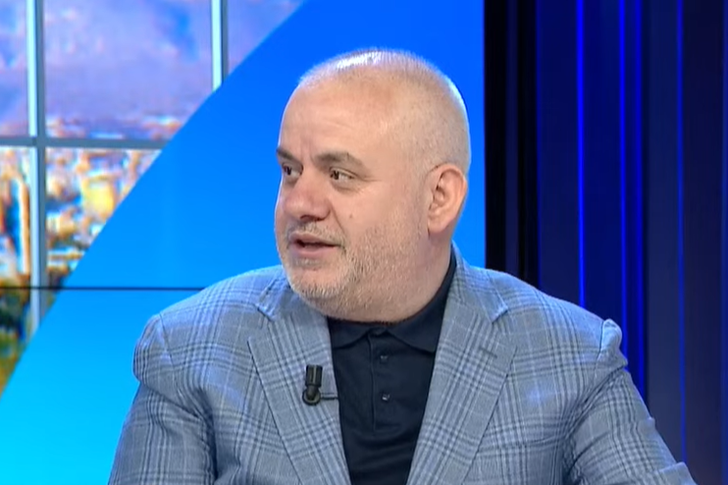
Journalist Artan Hoxha spoke today about the mafia assassi...
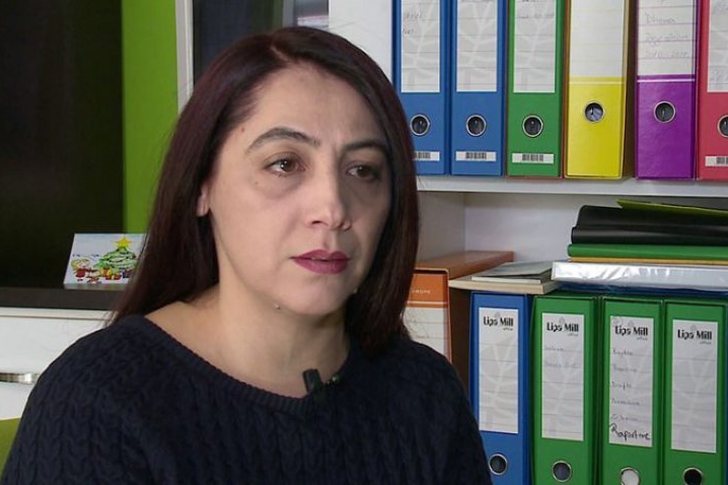
Journalist Aranita Brahaj is one of the candidates run...
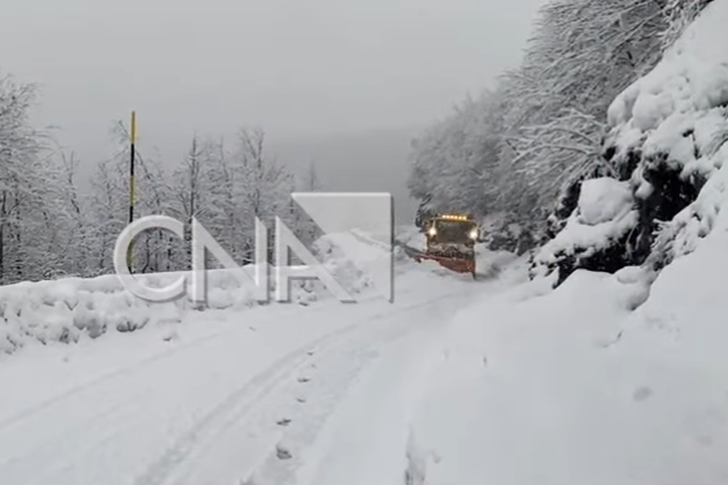
Heavy snowfall has returned to the Bogë-Theth axis in Qafë...

We are introducing you to the main newspaper headlines for...

Former minister Arben Malaj today described SPAK as the mo...
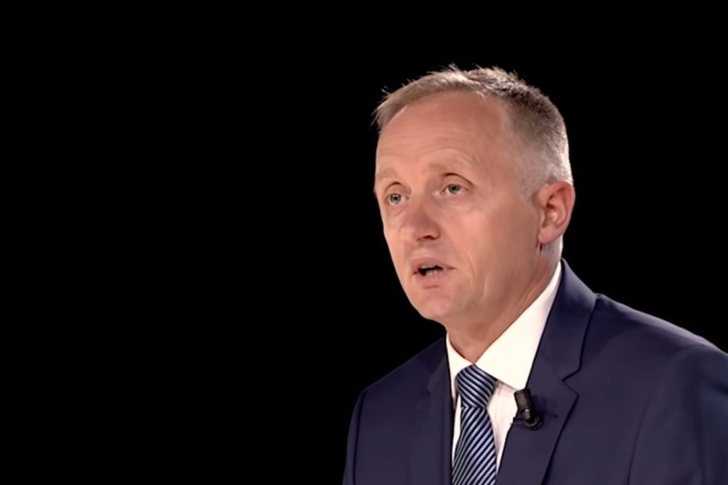
Journalist Lutfi Dervishi commented today on the tense sit...
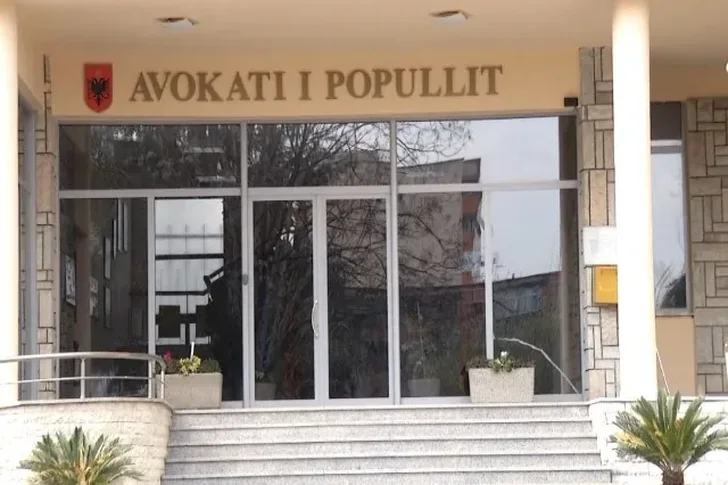
The list of six candidates who have submitted signatures t...
The State Police is undergoing a significant reorganizatio...
After the end of the mandate, the Constitutional Court has...

This Tuesday, the Customs Manual for Passengers was presen...
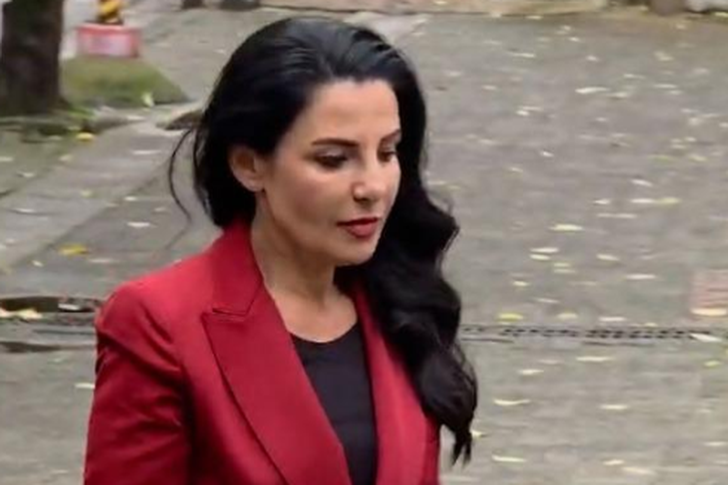
The judges of the Constitutional Court will meet on Thursd...
The Fier Prosecutor's Office has completed its investigati...
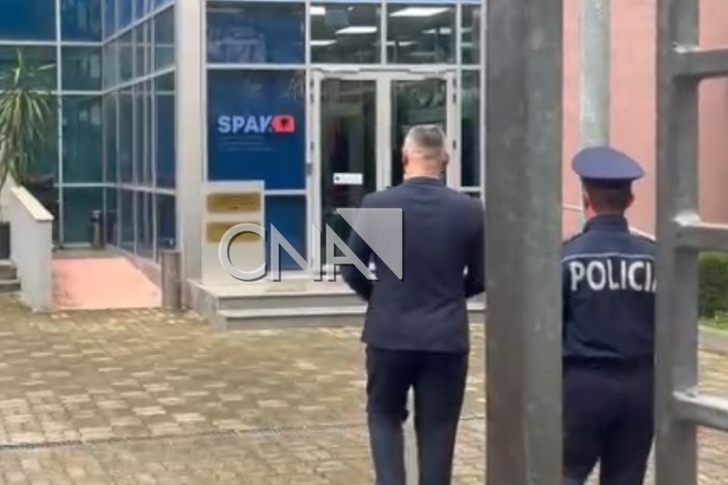
The head of the ARA, Gentian Gjyli, appeared at the SPAK p...

CNA has launched another investigation that could lead to ...

Irfan Hysenbelliu is a businessman that we call "Irfan the...

In March 2026, CNA launched another investigation centered...
The arrested mayor of Tirana, Erion Veliaj, with 13 charge...

The Special Board of Appeal (KPA) decided this Monday ...

The KPA vetting decided this Thursday to dismiss the p...

Suela Salavaçi, a prosecutor in the Prosecutor's Offic...

The Special Board of Appeal reinstated the prosecutor ...
Footage emerges from the serious accident that occurred th...

A Shkodra traffic police officer was hit with hard objects...
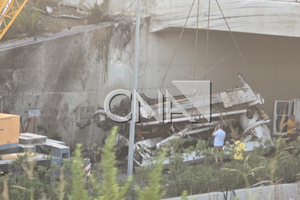
This Wednesday, around 4:00 PM, a serious accident occurre...

Tirana Police have shared details regarding the accident t...

On Thursday, our country will be under the influence of st...
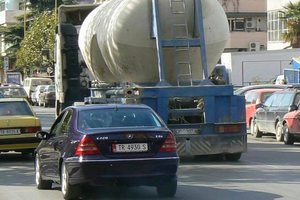
A serious accident that occurred this Wednesday with the c...

The Institute of Geosciences has shared a forecast for wea...
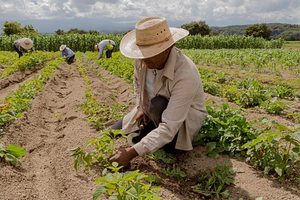
Rising energy and fertilizer prices are expected to contin...

Artificial intelligence (AI) models from the American comp...
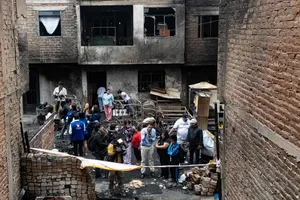
At least 10 people have died after a fire broke out in a h...
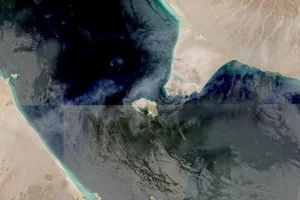
Yemen's Houthis have claimed to have attacked two Saudi oi...
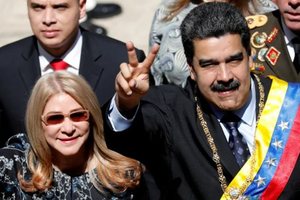
The trial of ousted Venezuelan President Nicolas Maduro on...

At a time when industrial products are increasingly taking...

Trust among people is not just a three-syllable word. It c...

Master of humor Todi Llupi has passed away at the age of 7...

The ninth edition of "MIK Festival" kicked off with one of...
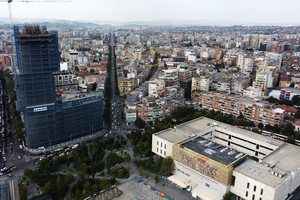
The average sale price of apartments in Tirana reaches rec...
This Thursday, one US dollar is bought for 81.5 lek and so...
The price of diesel reached 206 lek per liter from 198 lek...

Businesses will no longer be required to simply register t...