


Prison escorts in protest/ "VIP" names emerge supporting the rally
For several days, a new wave of protests has begun, taking...

For several days, a new wave of protests has begun, taking...

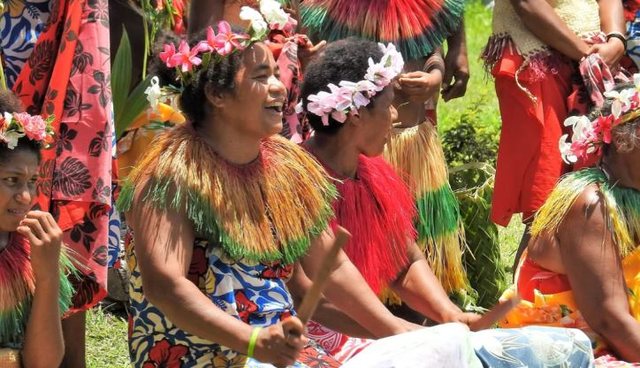
A recent study of 3,000 people concluded that small-scale societies with few financial resources experience greater satisfaction.
Melanesians, who live in the Roviana and Gizo regions of the Solomon Islands, are among the poorest in the world. They live a subsistence lifestyle, meeting their basic needs through fishing and farming. Occasionally, they sell their produce in the local market to buy processed food or pay their children's school fees, while the luxuries of modern life such as smart phones, internet, television are hard to come by. found. However, despite this simple lifestyle, Melanesians express greater life satisfaction than residents of Finland and Denmark, which regularly make headlines as the happiest countries in the world and whose residents enjoy high salaries.
The above finding does not belong to us, but to research conducted by scientists from the Università Autònoma de Barcelona in Spain and McGill in Canada, who traveled around the world to survey nearly 3,000 members of 19 poor and small societies located in 18 countries different. From Kumbungu, Ghana, to Laprak, Nepal, to Vavatenina, Madagascar, to Lonquimay, Chile, researchers assessed how satisfied residents felt with their lives, with the results certainly surprising to many.
Wealth and enjoyment of life
The study appears to debunk a common perception about the role wealth plays in our personal happiness, and particularly the narrative that "the more money someone has, the more satisfied they tend to be with their lives." Although the research began with a focus on climate change, scientists eventually noticed that people living in small, isolated communities tend to be just as satisfied with their lives as people living in wealthier countries.
"The average reported life satisfaction among the 19 small-scale societies we surveyed is 6.8 out of 10, even though most countries have an estimated annual monetary income of less than US$1,000 per person," the researchers said. Such high values ??of life satisfaction are usually observed only in countries where GDP per capita exceeds $40,000 per year.
So what explains this phenomenon? For many of these societies, happiness does not seem to be measured by the accumulation of wealth. Instead, their contentment is rooted in the simplicity of life, with their culture embracing a way of life that values ??close-knit communities, sustainable living, and a harmonious relationship with nature.
These societies find joy in the essentials: family, community, and the natural world. A notable example is the people of Bhutan, who are known to prioritize National Happiness over Gross Domestic Product. Despite being a small, isolated country with limited resources, Bhutan consistently ranks high on global happiness indices. Bhutan's emphasis on spiritual well-being, their cultural heritage and environmental protection has created a unique social model that defies conventional expectations.
Similarly, the islands of Fiji, Vanuatu and Samoa, which despite the economic challenges they face, consistently rank high in happiness surveys. Their oceanic environment, traditions and slower pace of life seem to contribute to the happiness of their inhabitants, while their isolation fosters a sense of self-sufficiency and interdependence, reinforcing the idea that happiness can flourish even in the absence of abundance. material.
Thoughts about the future
The central conclusion of the research from Spain and Canada, according to the researchers, is that life satisfaction does not require increased rates of material consumption associated with high monetary income. It seems that once basic human needs such as shelter, food and safety are met, joy can come from the people and places around us.
So money doesn't really bring happiness to some people and communities, unless it legitimizes government policies that drive their people into poverty, fuel unemployment, and "cultivate" domestic capitalism. Ultimately, this research is not an apology for those who deprive people of the concept of a decent life, but a reminder of what can make us truly happy living in Western societies, once we have provided for our needs first. basic with confidence and calm without worrying at the end of the month how we will pay off our obligations./ CNA


Cuffed sandals, the alternative lacing model that doesn't ...

"Vivienne Westwood Bridal Couture 2024", the new wedding d...
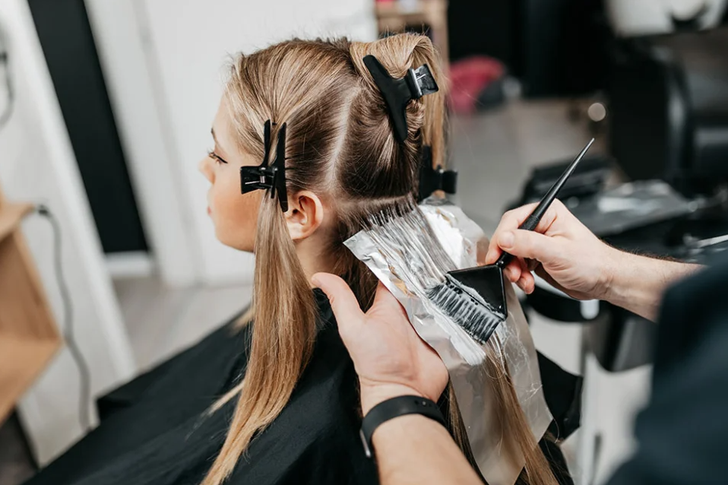
Hair coloring is a popular cosmetic practice that has been...

Nuk ka rëndësi se cili është stili i dasmës tuaj. Pava...

From morning to evening, jeans are the basic elements that...

Unlike clothing trends, there is almost never a common poi...

One accessory will "conquer" your hearts in 2024 and that ...

Cold days can't stop us from dressing in style. Stylis...
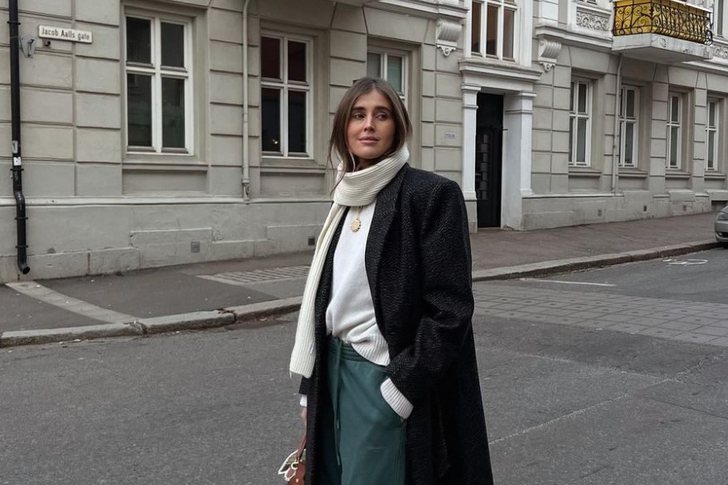
Scarves are the most indispensable winter wardrobe accesso...

Boot season has officially begun. Cowboy and biker boots ...

Dua Lipa was one of the guests of honor at AFI Fest 2023, ...

Pop star Taylor Swift looked stunning during dinner yester...

A pair of jeans combined with boots is the most comfortabl...

Skirts, dresses and baggy jeans are the best options for t...

Trends in clothing are sometimes the strangest and sometim...

The surprises at New York Fashion Week are not over. The m...

There are countless reasons why black remains a staple col...

Taylor Swift is currently in the middle of her historic Er...

Cashmere sweaters are one of the most favorite pieces of c...

Moda po rikthen këtë vjeshtë modele të ndryshme atletesh n...

The protests of recent days related to the situation in Zv...

The case addressed this Wednesday, June 3, on the show "St...

The show "Stop" broadcast this Wednesday, June 3, the case...

Irfan Hysenbelliu claims to be a big businessman, an hones...

The Special Board of Appeal (KPA) decided this Monday ...

The KPA vetting decided this Thursday to dismiss the p...

Suela Salavaçi, a prosecutor in the Prosecutor's Offic...

The Special Board of Appeal reinstated the prosecutor ...

New details have emerged regarding the serious incident th...

A serious incident occurred this Thursday in Lozhan, Maliq...

Korça Police has shared detailed information regarding the...

New details have emerged regarding this morning's serious ...
Albania is facing an unprecedented demographic transition,...

On Thursday, our country will be affected by unstable weat...

An alarming figure of more than 166.4 thousand Albanians a...
The weather today will be mostly clear and temperatures wi...

Israel and Lebanon have agreed to renew their fragile ceas...

United States President Donald Trump announced in a post o...
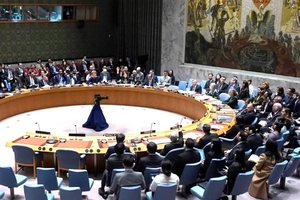
Asambleja e Përgjithshme e Kombet e Bashkuara ka përfundua...
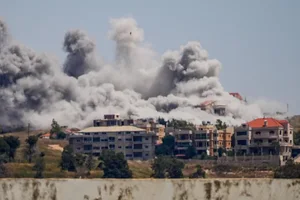
At least nine people have been killed in Israeli airstrike...

Korça is ready to open the summer season with one of the c...
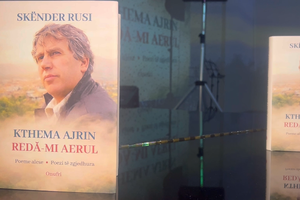
Two years after his passing, the renowned Korçë poet Skënd...

The Ethnographic Museum of Berat has opened its doors to v...

The story of Harilla Bakalli is one of the most chilling t...

Today, in the foreign exchange market, one US dollar is bo...

The Minister of Finance, Petrit Malaj, announced today a n...

Guvernatori i Bankës së Shqipërisë, Gent Sejko, priti m...
Today, in the foreign exchange market, one US dollar is bo...