


Cybersecurity challenges are increasing in the digital age
Cybersecurity is today considered one of the top prioritie...


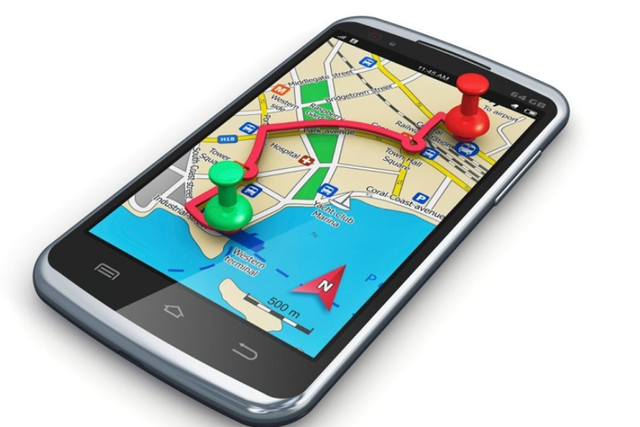
The Global Positioning System (GPS), one of the most important technologies of the modern era, has come a long way from a secret military project to an indispensable tool for billions of users around the world.
Originally developed by the United States Department of Defense and now operated by the United States Space Force, the GPS system consists of at least 24 satellites located approximately 20,200 kilometers above the Earth. These satellites orbit in 6 different orbits, ensuring global coverage and a continuous signal.
From OMEGA to Navstar
The roots of GPS date back to the 1960s, when the OMEGA radio system provided navigation based on ground stations, but with limited accuracy. Later, the Transit satellite system used by the US Navy improved global coverage, but still did not provide continuous service.
In 1973, the Navstar GPS program was officially launched, and in 1995 the system reached full operational capacity. Initially reserved for military use, GPS became fully available to the civilian public after 2000, when the accuracy limitation was removed.
How does GPS work?
GPS works through trilateration: the receiver (e.g., your phone) receives signals from at least four satellites and, by calculating the signal's travel time, determines the position with an accuracy of a few meters. Under optimal conditions, accuracy can even reach centimeters with advanced systems.
The system uses highly accurate atomic clocks and even takes into account Albert Einstein's theory of relativity, as without relativistic corrections, positioning errors would reach several kilometers within a day.
GPS in everyday life
Today GPS is integrated into:
-Smartphones
-Vehicles and navigation systems
-Aviation and maritime transport
-Precision agriculture
-Smartwatches and sports equipment
In addition to navigation, GPS plays a key role in emergency services, logistics, banking, and communication networks, ensuring accurate time synchronization.
The future of GPS
With the development of the new generation GPS III and integration with the European Galileo system, further increases in signal accuracy and reliability are expected.
From a strategic Cold War project to a technology that guides our daily movements, GPS remains one of the greatest technological achievements of the last century./ CNA

Cybersecurity is today considered one of the top prioritie...

The global mobile phone market continues to be dominated b...

The European app market in 2025 shows a clear gap between ...

Europeans plan to create their own social network, named "...
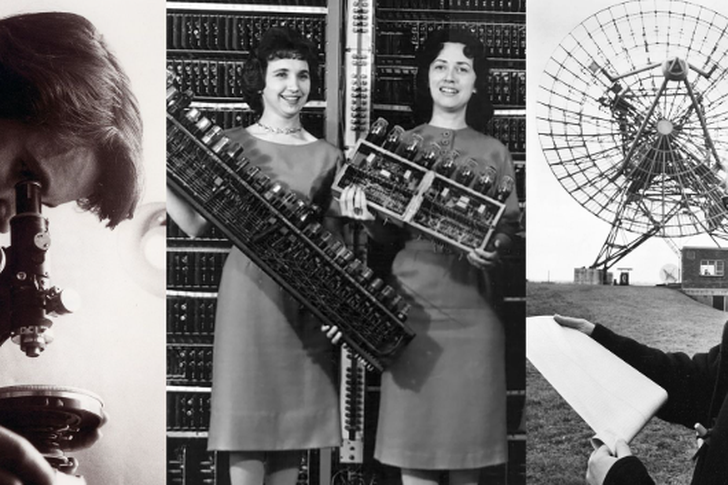
Very often, women have historically been underestimated in...
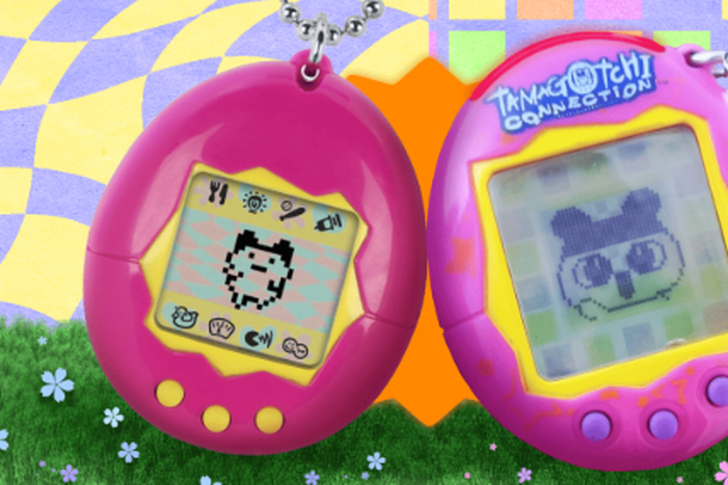
Tamagotchis, created by the Japanese company Bandai in 199...
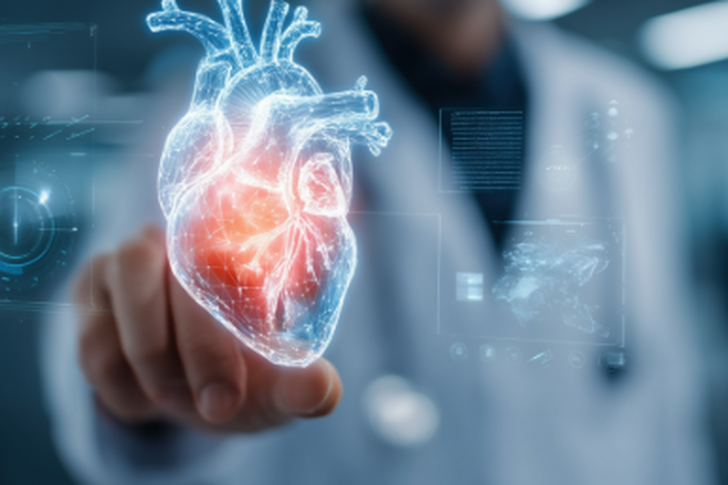
A new artificial intelligence tool could speed up the disc...
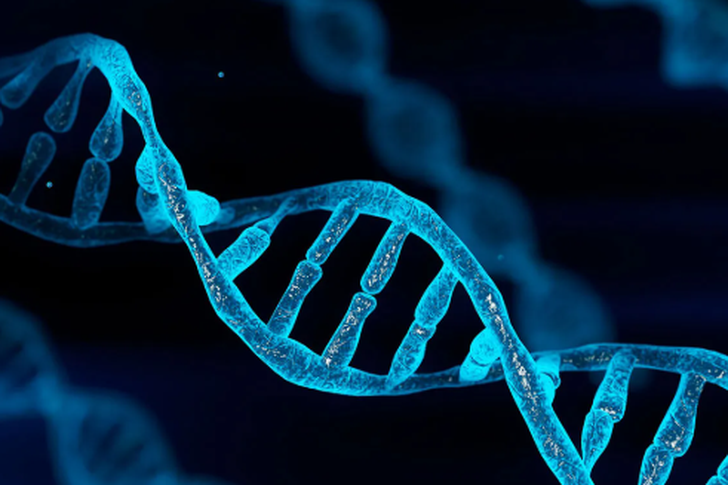
Genetic analysis has been a key tool in diagnosing many di...
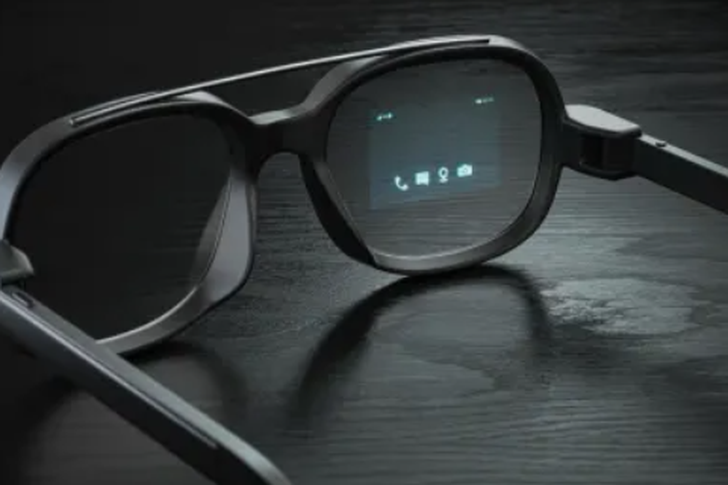
Google plans to launch its next-generation artificial inte...

Mjetet e inteligjencës artificiale (IA) mund t'u japin mje...
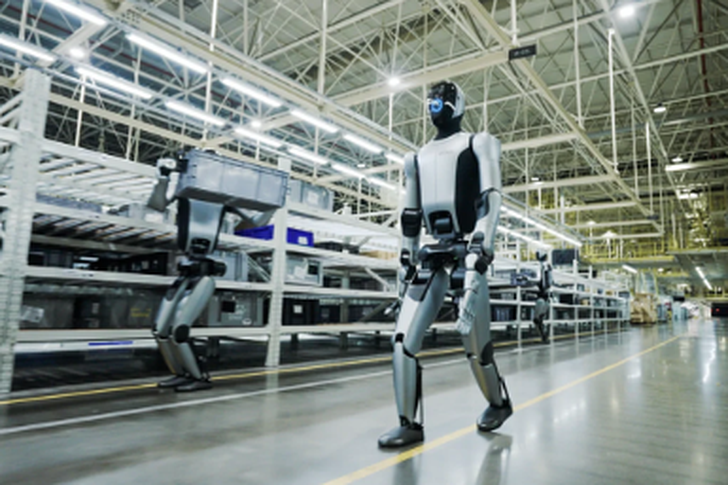
China has officially signed a 264 million yuan or 37 milli...

According to a new study, giving up social media for a wee...

The American Psychological Association has published a lar...
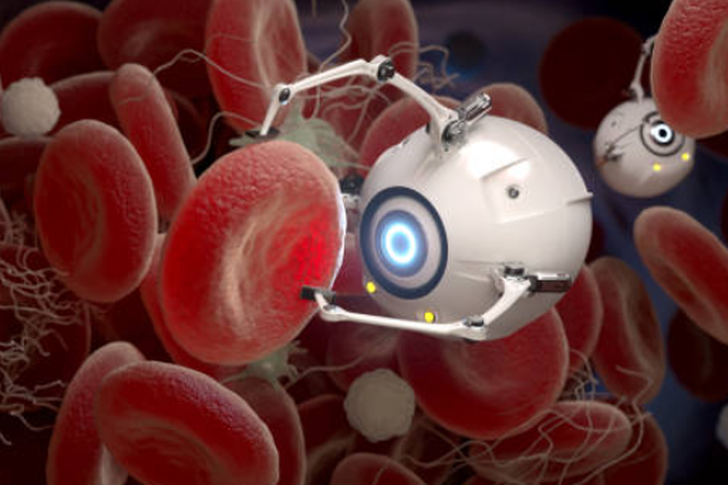
Scientists have developed tiny medical robots capable of s...
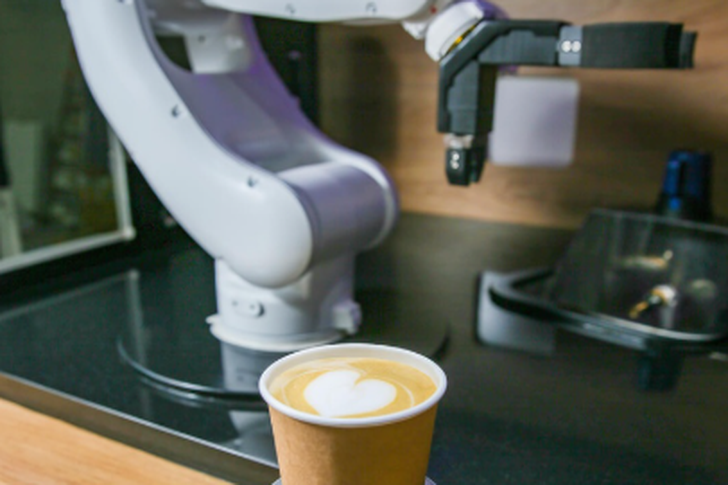
Taiwanese company 'Hon Hai' presented a demonstration vers...
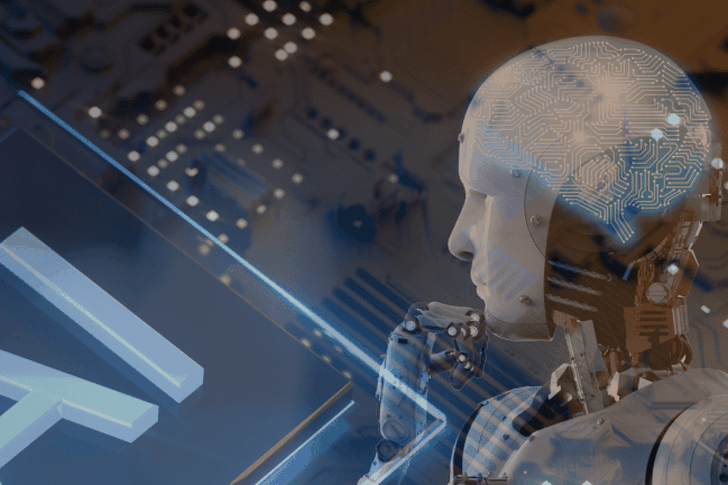
The head of Google's parent company, Alphabet, Sundar Pich...
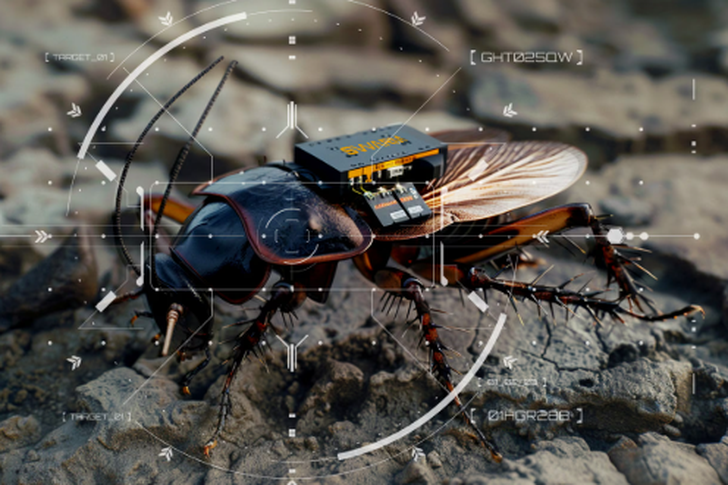
Germany has quietly begun testing bio-hybrid cockroaches e...
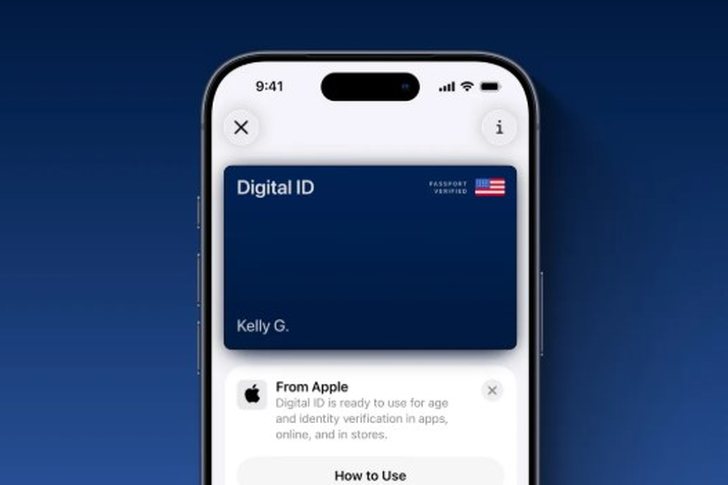
Apple on November 12 introduced its new Digital ID, a feat...
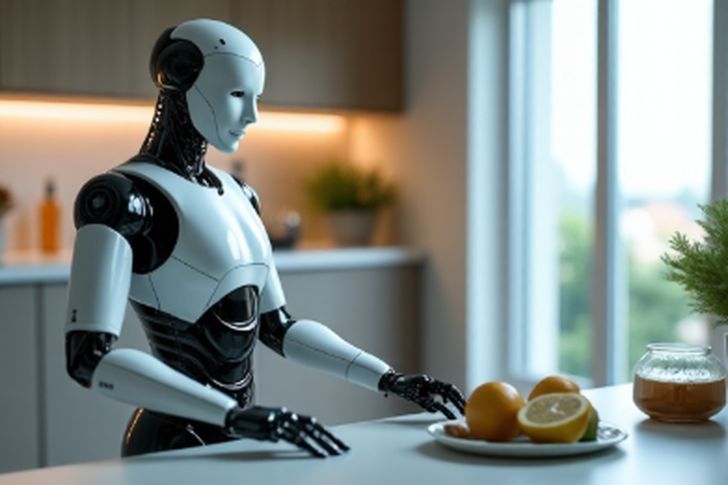
Robots powered by artificial intelligence (AI) are not saf...
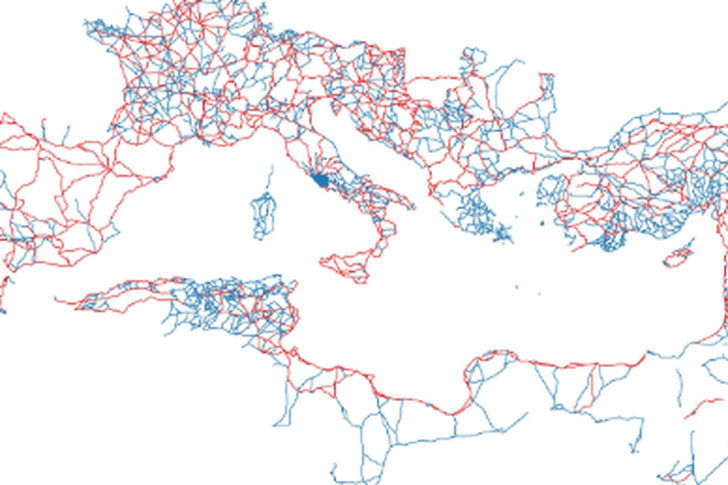
A new digital project called "Itiner-e" has achieved what ...

A 39-year-old citizen has been arrested in Lezha, after se...

CNA has launched another investigation that could lead to ...

Irfan Hysenbelliu is a businessman that we call "Irfan the...

In March 2026, CNA launched another investigation centered...

The Special Board of Appeal (KPA) decided this Monday ...

The KPA vetting decided this Thursday to dismiss the p...

Suela Salavaçi, a prosecutor in the Prosecutor's Offic...

The Special Board of Appeal reinstated the prosecutor ...
A serious incident occurred in Lushnje, where citizen IY, ...
As a result of the investigative and procedural actions ca...

A conflict for weak motives was recorded today in the vill...

An accident involving three vehicles occurred a few minute...

Today, our country will be under the influence of stable a...

By noon, cloudiness is expected to prevail in almost all o...

Children without parental care, for whom alternative famil...
On Thursday, our country will be under the influence of st...

Marine Le Pen is entering the decisive phase of the presid...
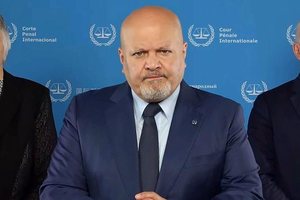
Member states of the International Criminal Court voted to...

From the declining role of exports to new public investmen...

South Korea is becoming one of the most sought-after desti...
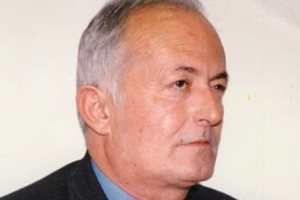
Two windows, a century of history and the metaphysics of p...
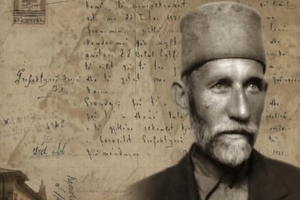
In my research at the Central State Archives, specifically...

At a time when industrial products are increasingly taking...

Trust among people is not just a three-syllable word. It c...
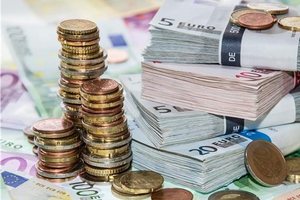
This Saturday, one US dollar is bought for 81.7 lek and so...
War, weather and supply disruptions could send gas prices ...
The number of active enterprises in Albania continued to g...
In Albania, the bar-cafe has long become an almost unique ...