


Weather forecast/ Clear skies and heavy clouds
On Sunday, our country will be affected by stable weather ...


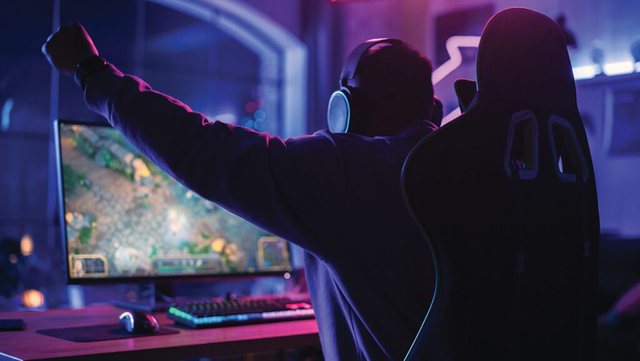
Video game addiction is not a problem of the future. It is already part of Albanian reality, although it is still underreported and often underestimated. The question is not whether games are good or bad, but whether society is prepared to manage their consequences.
In the world, this phenomenon is being treated less and less as a peripheral phenomenon and more and more as a public health issue. The World Health Organization has included “gaming disorder” in the international classification of diseases since 2019, defining it as a behavioral pattern characterized by loss of control over gaming, the priority given to it over other life activities, and its continuation despite negative consequences.
Albania does not have detailed national statistics on this phenomenon, but international data that includes the country provides a worrying picture.
According to World Health Organization data on the health behaviors of children and adolescents in Europe, about 34% of adolescents in the region, including Albania, declare that they play video games every day.
Of these, 22% spend four hours or more per day playing, while about 12% are classified as at risk for developing video game addiction. These figures do not speak of casual use, but of intense and potentially problematic exposure to digital gaming.
The same data show that the phenomenon is significantly more prevalent among boys than girls. In the 11–15 age group, boys report higher levels of daily play and more hours spent playing, a trend that is widely observed across Europe and is linked not only to the competitive nature of games, but also to the way they are structured to increase engagement.
As IT expert Kushtrim Shala explains, "this phenomenon is human behavior engineering at the highest level," where mechanisms like unpredictable rewards create a cycle that keeps the user coming back repeatedly.
If we look at the data on internet usage in Albania, the picture at first glance seems less alarming. According to Eurostat and INSTAT statistics, only about 28% of Albanian internet users declare that they play or download video games, a level lower than the European Union average.
But this indicator hides a key element: games are not played by the majority of users, but by a relatively small segment that spends many hours a day with them. It is precisely this concentration of time and attention on a certain group that creates the ground for addiction, but also for intensive monetization by the industry.
Në fakt, modeli ekonomik i gaming sot nuk mbështetet më vetëm te shitja e një produkti, por te mbajtja e përdoruesit sa më gjatë në lojë. Sisteme si “loot boxes”, “daily rewards” dhe progresioni i dizajnuar me kujdes nuk janë elemente të rastësishme, por pjesë e një arkitekture të qëllimshme që, sipas z. Shala, “bazohet në algoritme dhe modele psikologjike për të rritur nevojën për angazhim dhe blerje online”.
Kjo e zhvendos gaming nga një aktivitet argëtues në një ekonomi të vëmendjes, ku koha e përdoruesit kthehet drejtpërdrejt në të ardhura.
Studime akademike mbi varësinë nga interneti te studentët shqiptarë tregojnë se përdorimi intensiv i teknologjisë lidhet me nivele më të larta stresi, ankthi dhe lodhjeje mendore.
Edhe pse këto studime nuk fokusohen ekskluzivisht tek videolojërat, ato sugjerojnë se loja është pjesë e një modeli më të gjerë të përdorimit problematik të mjediseve digjitale. Me fjalë të tjera, varësia nga videolojërat nuk shfaqet në izolim, por në një ekosistem ku kufijtë mes shkollës, argëtimit dhe jetës sociale janë zhvendosur drejt ekranit.
Ky transformim është përshpejtuar edhe nga përhapja e mobile gaming. Nëse dikur aksesi kërkonte pajisje të shtrenjta si konsolat apo kompjuterët, sot loja është e pranishme në çdo smartphone.
“Fenomeni u bë masiv sepse u bë i aksesueshëm për këdo, ndodh në xhep, në shtrat, në shkollë apo në tryezën familjare”, thekson z. Shala, duke e bërë monitorimin gjithnjë e më të vështirë.
Pasojat janë të prekshme. Psikologët raportojnë se të rinjtë me përdorim të tepruar të videolojërave shfaqin shpesh rënie të rezultateve në shkollë, çrregullime të gjumit, irritim dhe agresivitet kur loja ndërpritet, si dhe izolim social.
Loja shndërrohet gradualisht nga një aktivitet argëtues në mekanizëm shmangieje nga problemet reale, duke krijuar një cikël që e përforcon varësinë.
Por ndikimi nuk ndalet tek individi. Në një perspektivë më të gjerë ekonomike, kjo mënyrë përdorimi e teknologjisë ngre pikëpyetje për cilësinë e kapitalit njerëzor në të ardhmen. Sipas z. Shala, tregu i punës do të kërkojë gjithnjë e më shumë “përqendrim të thellë dhe aftësi për të zgjidhur probleme komplekse”, ndërkohë që lojërat e dizajnuara për angazhim maksimal shpesh shpërblejnë reagimin e shpejtë dhe jo reflektimin e thelluar.
Ndërkohë, vendet e tjera po eksperimentojnë me politika të ndryshme për ta adresuar fenomenin. Kina ka vendosur kufizime të forta ligjore për kohën e lojës për të miturit, duke lejuar vetëm disa orë në javë.
Në Europë, qasja është më pak ndaluese dhe më shumë edukative, me fokus në ndërgjegjësimin e prindërve, rolin e shkollës dhe ndërhyrjen e hershme psikologjike. Shqipëria, deri tani, nuk ka një strategji të posaçme kombëtare për përdorimin e shëndetshëm të videolojërave apo menaxhimin e varësisë digjitale.
Në mungesë të politikave publike, barra bie mbi familjen dhe shkollën. Por z. Shala sugjeron se, vendosja e kufijve të qartë të kohës së ekranit, nxitja e aktiviteteve sportive dhe sociale jashtë mjedisit virtual, si dhe njohja e hershme e shenjave të varësisë janë ndër mjetet kryesore parandaluese.
“Pa këto ndërhyrje, rreziku nuk është vetëm individual, por strukturor: një pjesë e kapitalit njerëzor mund të rritet më shumë si konsumator i teknologjisë sesa si krijues i saj”, – përfundon ai.
Fenomeni shfaqet me intensitet më të lartë te djemtë, një prirje që vërehet edhe në vende të tjera europiane. Kjo lidhet jo vetëm me ofertën e lojërave që targetojnë më shumë audiencën mashkullore, por edhe me faktorë kulturorë, presion social dhe mënyrën se si djemtë e rinj kanalizojnë stresin, konkurrencën dhe nevojën për afirmim.
Videolojërat ofrojnë një sistem të qartë shpërblimi, nivele, rankime dhe identitet virtual, shpesh më të lehtë për t’u arritur sesa suksesi akademik apo social në jetën reale. Siç thekson psikologia Anisa Zaçe, “lojërat janë gjithnjë e më shumë të dizenjuara për të krijuar varësi”, duke u mbështetur në mekanizma të shpërblimit me dopaminë që forcojnë sjelljen dhe e bëjnë shkëputjen më të vështirë.
Nga pikëpamja psikologjike, varësia nga videolojërat lidhet shpesh me probleme të tjera të padukshme. Ankthi, stresi, vetmia, mungesa e strukturës ditore apo presioni akademik janë faktorë që e shtyjnë individin drejt lojës si formë qetësimi ose shmangieje.
“Fëmijët që krijojnë varësi e kanë lojën arrati”, shpjegon znj. Zaçe, duke shtuar se në këto raste, loja nuk është më thjesht argëtim, por një mënyrë për të shmangur realitetin. Shenjat paralajmëruese janë të njohura: rënie e rezultateve në shkollë, çrregullime të gjumit, nervozizëm kur loja ndërpritet, izolim social dhe humbje interesi për aktivitete që më parë kishin rëndësi.
Në thelb, sipas saj, “shenjat alarmante janë nga roli që i vendoset lojës në jetën e fëmijës”, sidomos kur ajo merr përparësi mbi gjumin, shkollën dhe marrëdhëniet sociale.
Edhe pse mungojnë studime të thelluara specifike për varësinë nga videolojërat në Shqipëri, kërkimet mbi varësinë nga interneti tek studentët shqiptarë tregojnë lidhje të forta me stresin, lodhjen mendore dhe probleme emocionale.
Ekspertët theksojnë se loja është pjesë e një problemi më të gjerë të përdorimit intensiv dhe jo të shëndetshëm të teknologjisë, në një shoqëri ku kufijtë mes online dhe offline po bëhen gjithnjë e më të paqartë.
Znj. Zaçe paralajmëron se pasojat mund të shfaqen në afat më të gjatë, pasi “këta të rinj do ta kenë më të vështirë të angazhohen në aktivitete që nuk japin shpërblim të menjëhershëm” dhe mund të përballen me vështirësi në vetërregullimin emocional dhe përqendrimin.
Globally, some countries have responded with strong policies. China, for example, has imposed strict limits on gaming time for minors, considering video game addiction a threat to mental health and long-term productivity.
In Europe and the US, the focus is more on awareness, parental education and psychological intervention, avoiding direct bans. However, as psychology underlines, early interventions remain key, as “taking timely measures can greatly help in managing these risks.”
The economic cost of gaming addiction
The cost is not only individual, but also macroeconomic. One of the most studied cases is South Korea, one of the most developed gaming markets. One economic analysis estimates that the annual cost of video game addiction is about $3.5 billion, including lost productivity, social costs, and public interventions for treatment and prevention.
This figure is particularly significant because it comes from a highly digitalized economy, where gaming is part of everyday life. International studies emphasize that the bulk of the cost does not come from direct health expenses, but from indirect costs, mainly loss of productivity.
In similar analyses for other addictive behaviors (such as gambling), over 50% of the total cost is related to reduced productivity, unemployment, and poor performance at work.
This model is often used as a reference for gaming, as the mechanisms of addiction are similar. European reports emphasize that addiction to gaming and online activities creates “significant economic costs and burdens for the health system”, due to the impact on performance at work, education and social relationships. So, the effect is not only on the individual, but translates into a loss of human capital.
In the long term, studies warn of an even more profound effect: reduced skills and labor market participation. High exposure to gaming, especially at a young age, is associated with a lack of employable skills and a decline in labor force participation, potentially negatively impacting GDP growth.
At the micro level, the cost manifests itself in a more diffuse but equally tangible way: declining academic performance, delayed entry into the labor market, and reduced productivity throughout the life cycle. When these effects multiply at the population level, they create an invisible but real cost to the economy./Monitor.al

On Sunday, our country will be affected by stable weather ...

Today our country will be affected by stable weather condi...
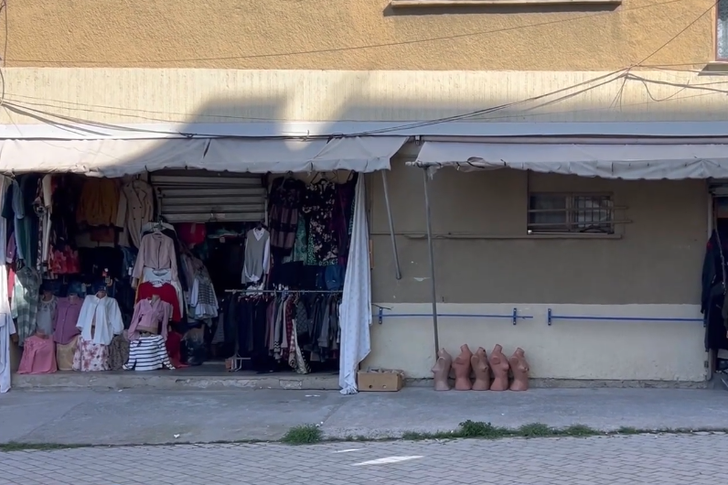
Around 50 clothing businesses in the area known as the "Ma...

Ocean temperatures reached record levels last month, accor...

On Friday, our country will be affected by stable weather ...

Today our country will be affected by stable weather condi...
Today our country will be affected by stable weather condi...

On Tuesday, our country will be affected by stable weather...
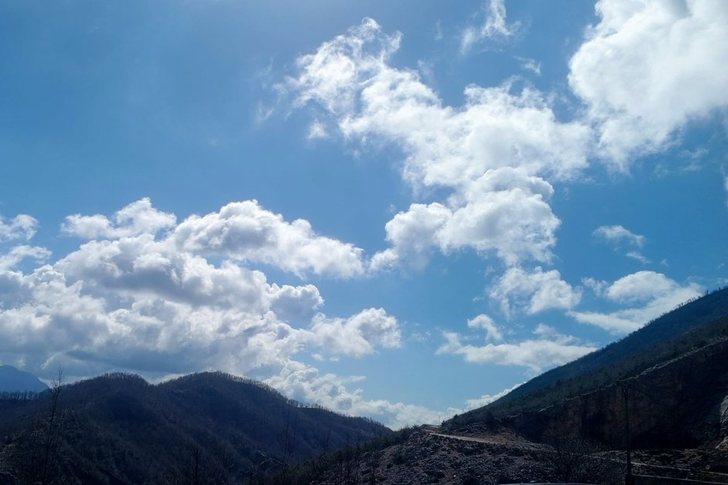
Today our country will be affected by stable weather condi...
This Sunday, our country will be affected by stable weathe...
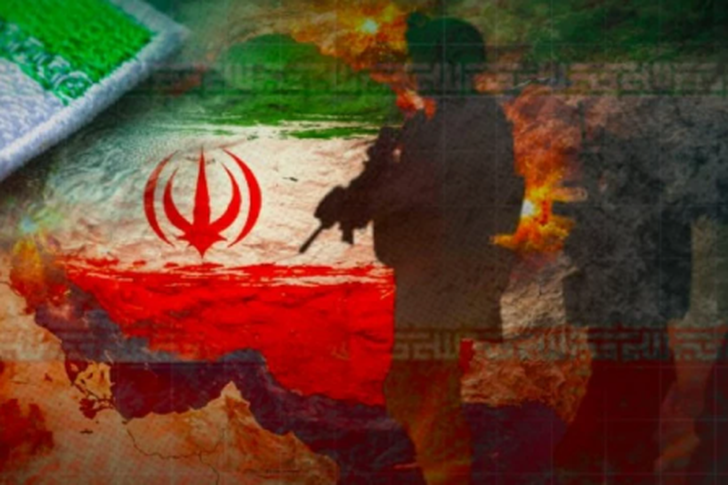
The World Health Organization (WHO) Regional Director for ...

On Saturday, our country will be affected by mainly stable...

A new study has found that a chemical that is all around u...

The number of accounts that Albanians have in banks has in...

On Thursday, our country will be affected by unstable weat...
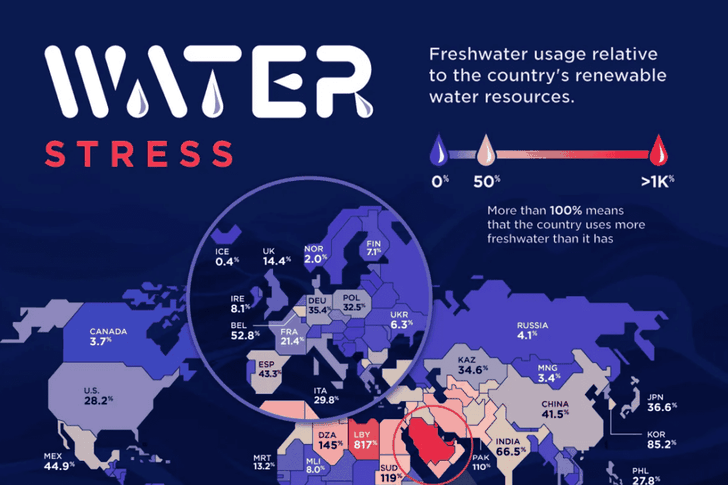
An analysis published by Visual Capitalist, based on data ...

On Thursday, our country will be affected by unstable weat...
On Wednesday, our country will be affected by unstable wea...
Ditën e martë vendi ynë do të ndikohet nga kushte atmosfer...

The increase in fruit and vegetable prices in the Korça ma...
The protests of recent days related to the situation in Zv...

The case addressed this Wednesday, June 3, on the show "St...

The show "Stop" broadcast this Wednesday, June 3, the case...

Irfan Hysenbelliu claims to be a big businessman, an hones...

The Special Board of Appeal (KPA) decided this Monday ...

The KPA vetting decided this Thursday to dismiss the p...

Suela Salavaçi, a prosecutor in the Prosecutor's Offic...

The Special Board of Appeal reinstated the prosecutor ...

Several images provided by CNA show the area where this mo...

A quantity of explosive material exploded this morning at ...

The Head of the State Police, Skënder Hita, expressed his ...

New details have emerged regarding the serious incident th...
For many children and teenagers, the long summer holidays ...
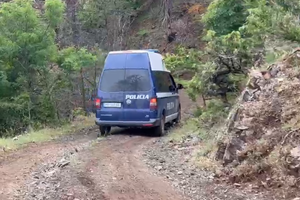
Witnesses in Lozhan, Maliqi, have shared details from the ...
Albania is facing an unprecedented demographic transition,...

On Thursday, our country will be affected by unstable weat...
French fighter jets took off 11 times last week as part of...

A number of European Union member states are pressuring th...

Hungary and Ukraine have reached an agreement on the right...

Serbian President Aleksandar Vučić has confirmed that he w...

Korça is ready to open the summer season with one of the c...

Two years after his passing, the renowned Korçë poet Skënd...

The Ethnographic Museum of Berat has opened its doors to v...
The story of Harilla Bakalli is one of the most chilling t...
The government aims to transform the country's industrial ...

Kursi i këmbimit të euros me lekun ka rënë më tej këtë jav...

Profit margins in the construction sector have increased s...

The Transparency Board, at its meeting today, decided to i...