


Migraine/ Ways to prevent it
Migraines affect millions of people worldwide, causing...


Gastroesophageal reflux disease, more commonly known as GERD, is a common problem that affects millions of people worldwide.
This disease can cause unpleasant symptoms and significantly affect a person's quality of life.
AgroWeb.org brings you an overview of what you need to know about GERD, including causes, symptoms and treatments.
What is GERD?
GERD is a chronic condition where stomach acid backs up into the esophagus, causing burning and irritation. This acid reflux occurs when the muscle that connects the stomach to the esophagus, known as the lower esophageal sphincter, does not work properly.
Causes
There are several factors that can contribute to the development of GERD:
Food and drinks
Certain foods and drinks can relax the lower esophageal sphincter and trigger GERD symptoms. These include fatty, fried foods, chocolate, coffee, alcohol and fizzy drinks.
Overweight
Being overweight and gaining weight can increase pressure in the stomach, causing acid to back up into the esophagus.
smoking
Smoking affects the dysfunction of the lower esophageal sphincter and can worsen the symptoms of GERD.
pregnant
Pregnant women often experience symptoms of GERD due to increased abdominal pressure and hormonal changes.
Symptoms:
-Heartburn (burning sensation in the chest): This feeling is usually worse after eating and can last for several hours.
-Regurgitation: The return of food or liquids from the stomach to the mouth.
- Chest pain: Pain that can be confused with that of a heart attack.
-Difficulty in swallowing: The feeling of food being stuck in the throat.
-Chronic cough and throat irritation: These symptoms may be more frequent at night.
- Treatment and management of GERD
- Lifestyle changes
-Healthy food: Avoid foods and drinks that cause symptoms.
-Weight loss: Maintaining a healthy weight can help reduce symptoms.
-Avoidance of smoking: Smoking worsens reflux and should be avoided.
-Regular nutrition: Eat small meals and avoid eating just before bedtime.
Medications
-Antacids: These medications neutralize stomach acid and provide quick relief.
-Proton Pump Inhibitors (PPIs): These drugs reduce acid production and help heal the esophagus.
-H2 blockers: These drugs also help reduce acid production.
When should you seek medical help?
If your reflux symptoms are frequent or severe, it is important to consult a doctor. If left untreated, it can lead to serious esophageal complications, esophageal ulcers, and an increased risk of esophageal cancer.
GERD is a condition that requires ongoing care and management. By making lifestyle changes and using the right medications, most people can control their symptoms and improve their quality of life. /AgroWeb.org.

Migraines affect millions of people worldwide, causing...
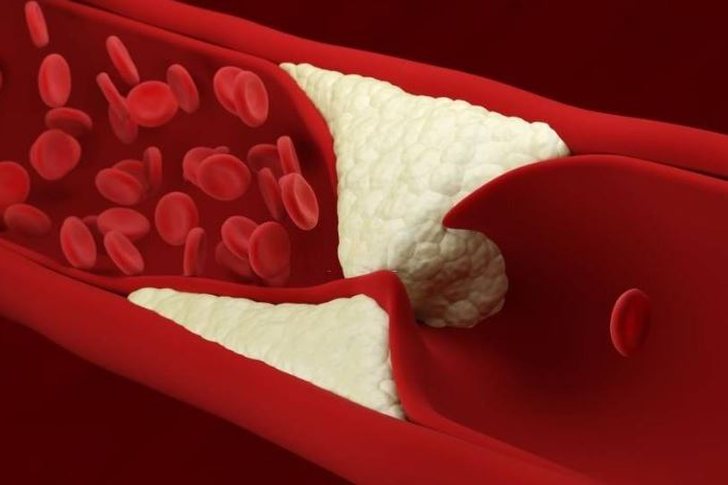
Your body needs cholesterol in order to build healthy ...

The mulberry is best known for its distinctive fruit, whic...
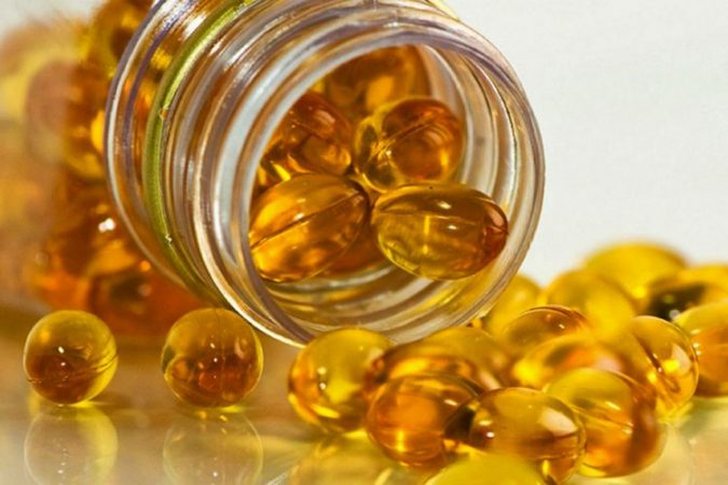
A new study finds that regular use of fish oil supplem...
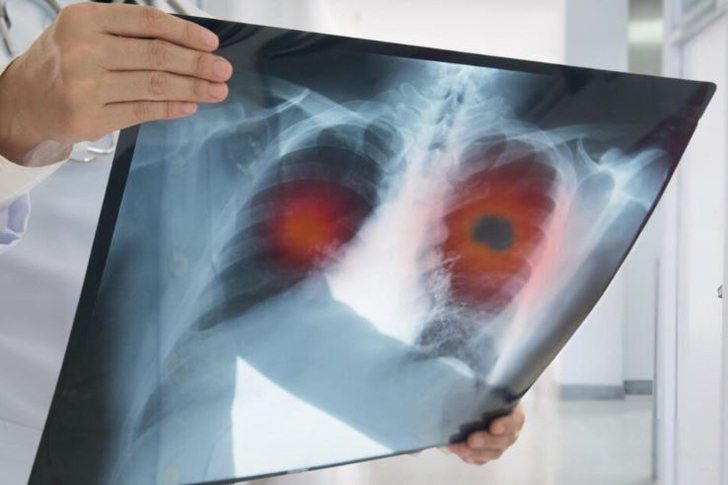
Lung cancer is one of the most serious and dangerous d...
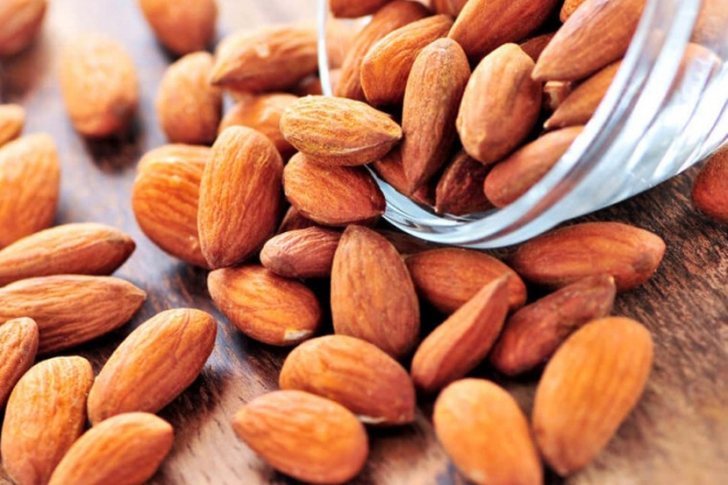
Almonds are among the best nuts for the body. They are ri...
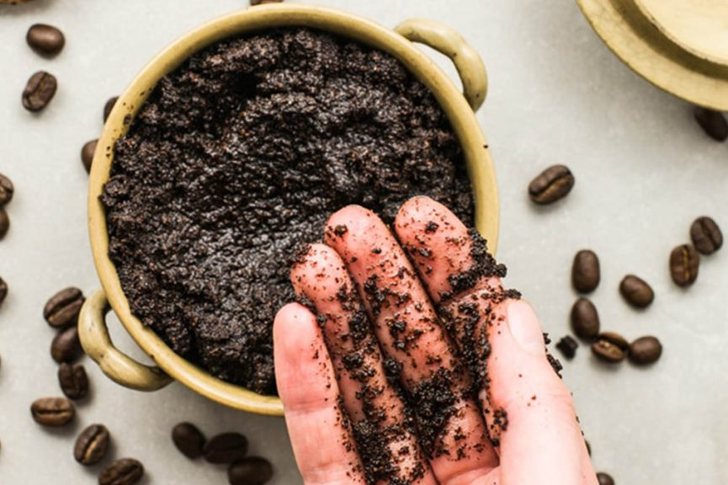
Celuliti është një problem që prek thuajse të gjithë n...

Why do we get fat? This is one of those "existential" ques...

The new study published in "Neurology online" highlights t...
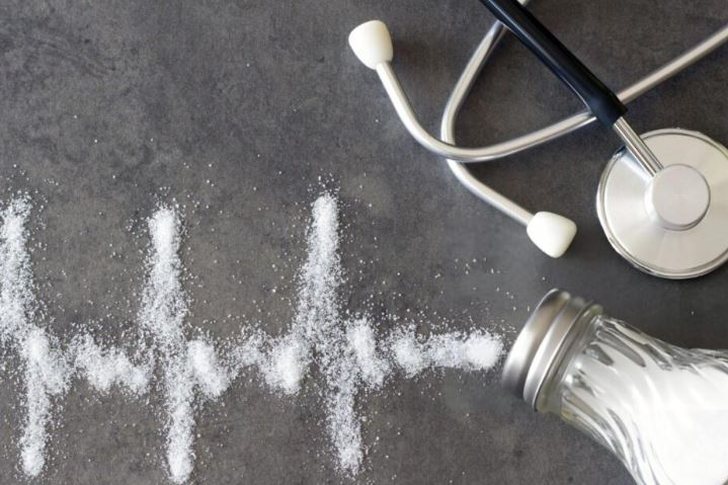
Salt is an essential ingredient in our kitchen, but co...

Why do we get fat? This is one of those "existential" ...
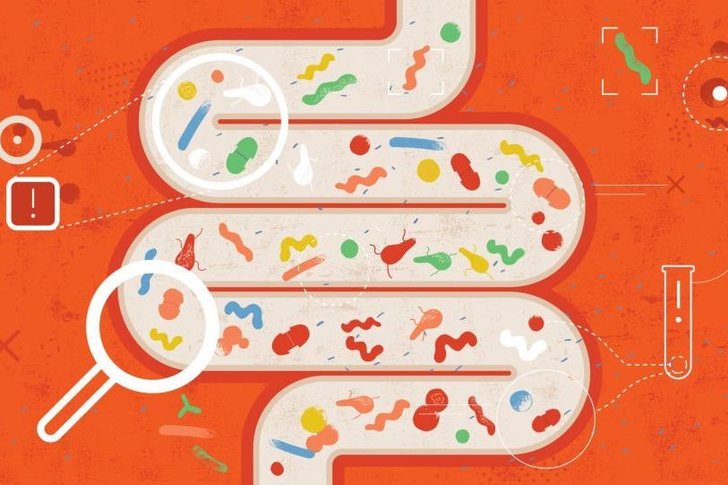
The gastrointestinal tract or digestive system is essentia...

Eczema is one of the most common skin diseases, affect...

Botox, a cosmetic treatment known for reducing wrinkles, i...

Industrial soaps and other beauty products have made t...

Global research by the Food Packaging Foundation from ...

One of the most interesting topics in scientific research ...

Another serious reason to reduce salt has to do with our s...

Unfortunately, excess belly fat is not just an appeara...
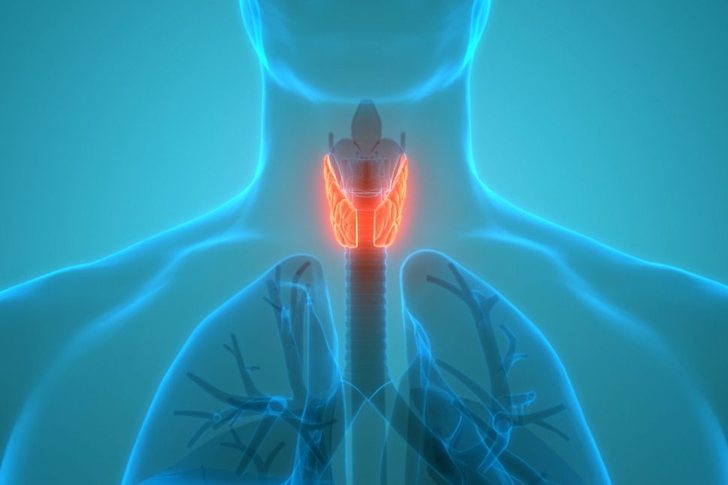
The thyroid is an essential component of your body's w...

Irfan Hysenbelliu claims to be a big businessman, an hones...

The murder of officer Enea Mekolli in the line of duty has...

The next case broadcast on the show "Stop", this Thursday,...

The case published this Thursday, June 4, on the show "Sto...

The Special Board of Appeal (KPA) decided this Monday ...

The KPA vetting decided this Thursday to dismiss the p...

Suela Salavaçi, a prosecutor in the Prosecutor's Offic...

The Special Board of Appeal reinstated the prosecutor ...

An accident was recorded a few minutes ago on the Pogradec...

Following the cooperation of Interpol Tirana with Interpol...

An accident occurred this Saturday morning at Shkëmbi i Ka...

A TNT explosion occurred in Lezha in the early hours of th...

Albanians are officially the hardest working people in Eur...

This Saturday will be characterized by mostly clear weathe...
Today our country will be affected by stable weather condi...

For many children and teenagers, the long summer holidays ...

US Defense Secretary Pete Hegseth declared that Europe is ...

A federal judge in Rhode Island struck down a Trump admini...

Thousands of Kosovo citizens living abroad are voting phys...

Pope Leo XIV arrived in Madrid this Saturday, where he beg...

Korça is ready to open the summer season with one of the c...

Two years after his passing, the renowned Korçë poet Skënd...

The Ethnographic Museum of Berat has opened its doors to v...
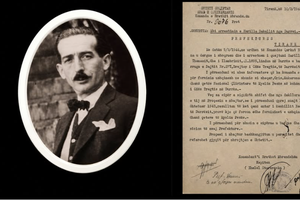
The story of Harilla Bakalli is one of the most chilling t...
The Transparency Board, in today's meeting, decided to red...

This Saturday, one US dollar is bought for 81.4 lek and so...

Despite years of efforts at regional cooperation and free ...

Albania is the country with the highest level of severe ma...