


Armë, kokainë dhe cannabis në zonat bregdetare/ Arrestohen dy persona
Policia e Vlorës ka finalizuar operacionin e koduar “Sigur...

Policia e Vlorës ka finalizuar operacionin e koduar “Sigur...

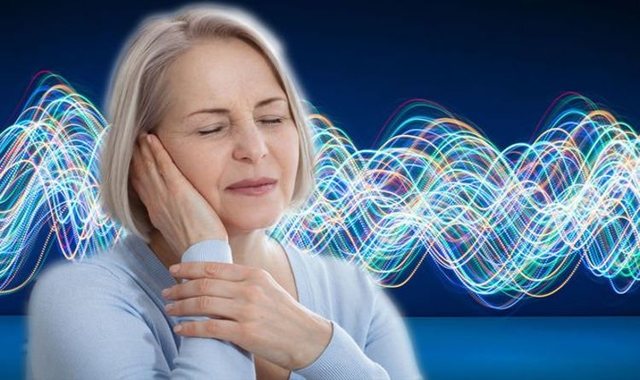
Sensorineural hearing loss seems to be becoming a serious social health problem in modern societies. According to WHO reports, sensorineural hearing loss is one of the leading diseases globally, especially in developed countries, and is predicted to move from the 14th to the 7th place in the global ranking of diseases by 2030.
Although the direct mortality rate from this disease is negligible, its impact on the quality of life is very important as it severely reduces the ability and productivity to work. This is why implementing the most effective and safest therapies for the patient is crucial for minimizing the risk of complications and adverse reactions to treatment.
Sudden sensorineural hearing loss (SSNHL) is a deterioration of hearing at frequencies below 30 dB that occurs in at least three consecutive audiometric measurements over a period of up to 72 hours.

Sudden hearing loss affects up to 2% of individuals with the probability of occurrence increasing with age. This disease is considered a real emergency in the ENT.
Causes of sudden hearing loss include: viral infections, infectious ear diseases, head trauma especially temporo-vestibular, vascular causes (arteriosclerosis), diabetes myelitus, neoplastic diseases, working in noisy environments, listening to loud music especially with headphones, etc.
Diagnosis and treatment should be preceded by a complete medical history and physical examination of the patient. Sudden sensorineural hearing loss in adults usually affects women and men between the ages of 43 and 53, with no significant gender differences.
Patients usually present with tinnitus, dizziness, ear fullness along with hearing loss.
Oxygen therapy is a treatment procedure that involves the parenteral administration of O2 for a specific time, percentage and quantity. Oxygen therapy can be used as a primary or adjunctive therapy to treat several medical problems with scientifically proven positive therapeutic effects.
The current indications for the medical use of oxygen therapy in Europe were established during the ECHM Consensus Conference in 2016, taking into account various recommendations for the use of oxygen therapy as a medical procedure.
Healing with polyatomic oxygen therapy occurs in 32–65% of patients within 15 12-minute sessions and over 80% with 30 sessions.
In these statistics, most patients started therapy within the first 2 weeks after the onset of symptoms.

Complete recovery of hearing and tinnitus were both reported about three times more often in patients with mild to moderate hearing loss than in severe cases.
Studies by the Barco International Institute, in Pisa Italy, present oxygen therapy as a useful medical procedure in the treatment of sudden sensorineural hearing loss (SSNHL) as an adjunctive therapy with high efficiency.
But let's focus on the mechanisms of action and the clinical utility of oxygen therapy in the treatment of sudden deafness, taking into account the possible benefits and risks of its implementation.
The pathophysiology of hearing loss appears to be closely related to the condition of the inner ear. In his research, prof. Giovanni Barco has suggested that chronic inflammation may be involved in the development of idiopathic sensorineural deafness as the molecular basis of this disease. It can lead to microvascular injury and atherogenesis and increase the risk of cochlear ischemia. The cochlea, otherwise known as the "snail", is a fluid-filled, spiral-shaped, three-dimensional cavity found in the inner ear that plays a vital role in the hearing process, balance participates in the auditory transduction process.

Inflammation can result in endothelial dysfunction, which can cause a thrombotic event that alters the blood supply to the inner ear.
The cochlea is an organ extremely sensitive to adequate levels of oxygen via the blood.
However, due to the protected location of the cochlea in the temporal bone, the blood supply to this organ is quite limited. Blood is supplied to the cochlea mainly through a single terminal artery, the labyrinthine artery. Cochlear cilia cells have a high consumption of oxygen and poor tolerance to hypoxia (lack of it), which is the reason why the inner ear is prone to changes in oxygen blood circulation.
Hearing loss appears to be characterized by hypoxia in the blood, lymph and, therefore, the tympanum as well as the organ of Corti.
Thus, a mechanism that plays a strong role in hearing loss appears to be of vascular origin related to hypoxia (lack of oxygen).
The prognosis in cases of isolated SSNHL treated with oxygen therapy is generally good, and improvement within a few days is common.
Patients who do not show improvement within 2 weeks are unlikely to respond further to recovery.
However, the time between the onset of symptoms and treatment appears to be crucial for good prognosis.
According to Barko International Institute studies, 72% of patients with idiopathic SSNHL recovered their hearing within 14 days. So far, no short-term or long-term negative effects have been reported during oxygen therapy.


Turmeric may be a treatment for indigestion and even as ef...

Sleeping with your dog, cat or pets is an ancient custom, ...

A patient whom I was advising to avoid gluten foods asked ...

In the quest for longevity, the real goal isn't to liv...
Concern is intensifying about the spread of the latest...
Autumn comes with the lowering of temperatures and waves o...
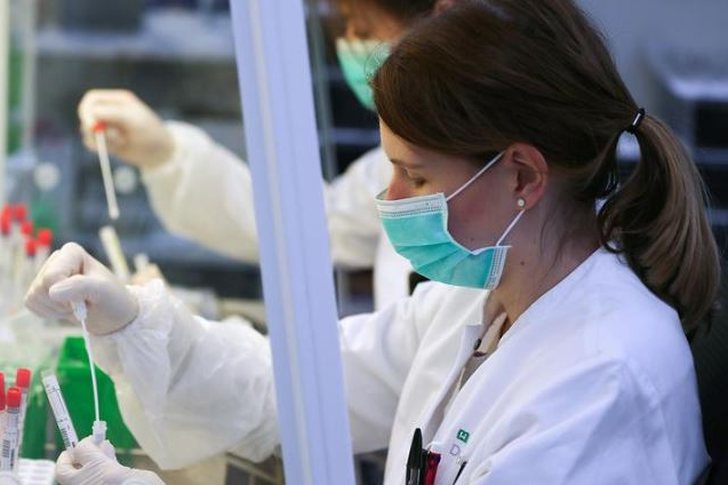
The new variant of the Coronavirus has been detected f...
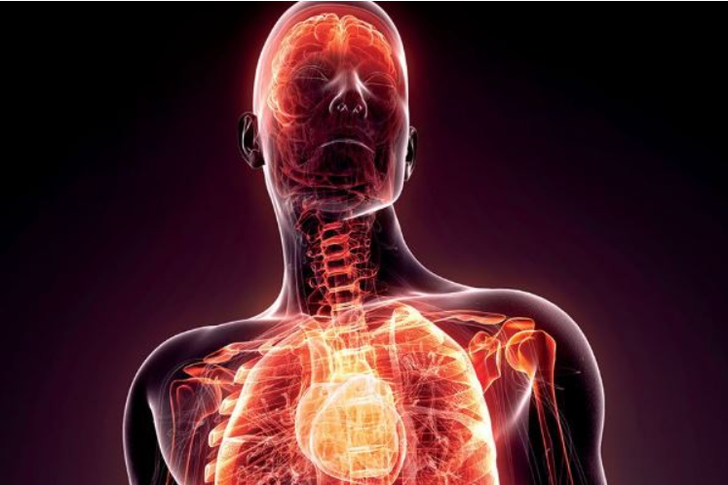
Inflammation is a protective process of the organism in re...

If you're eating a zero-fat, zero-carb, zero-cholesterol d...

Although many consider coconut oil to be healthy, a new st...

Since I was a child, I often heard this phrase, and I was ...

Born with a rare heart condition, Katherine Schroeder-Herr...

There is no definitive answer as to why a tumor develops i...

Recent research from Brigham Young University (BYU) has sh...
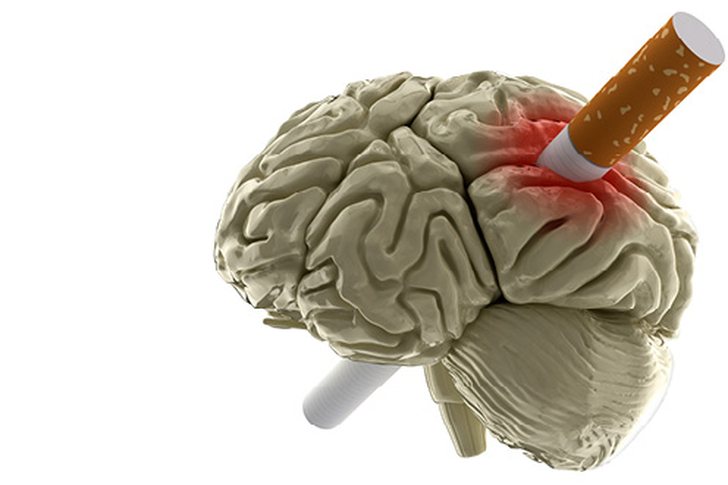
Smoking is common in many societies, but studies show ...
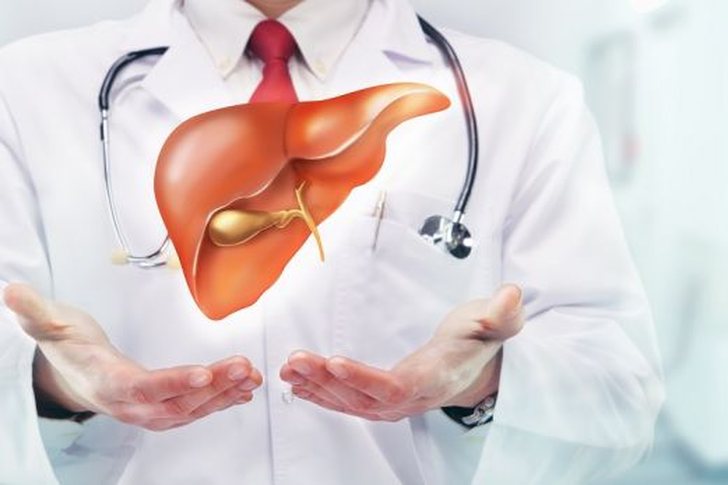
The basic function of the liver is to eliminate toxic subs...

Below you will find 8 symptoms of lack of oxygen in the bo...

Doctor Ilir Alimehmeti has spoken about the new variant of...
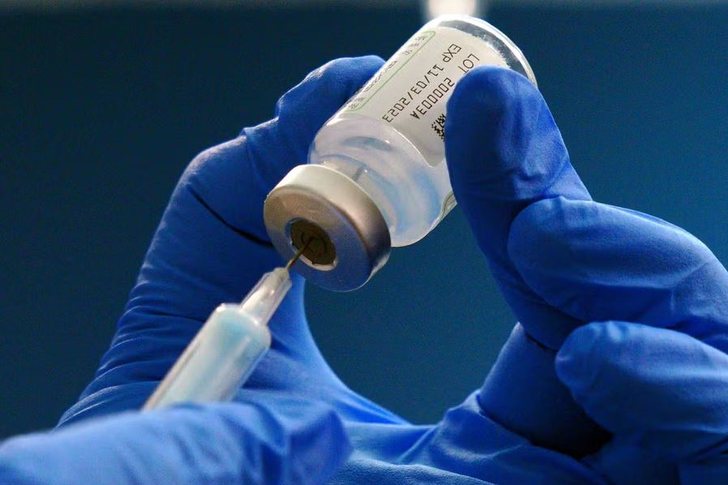
A new Covid variant called "Pirola" is sweeping the United...
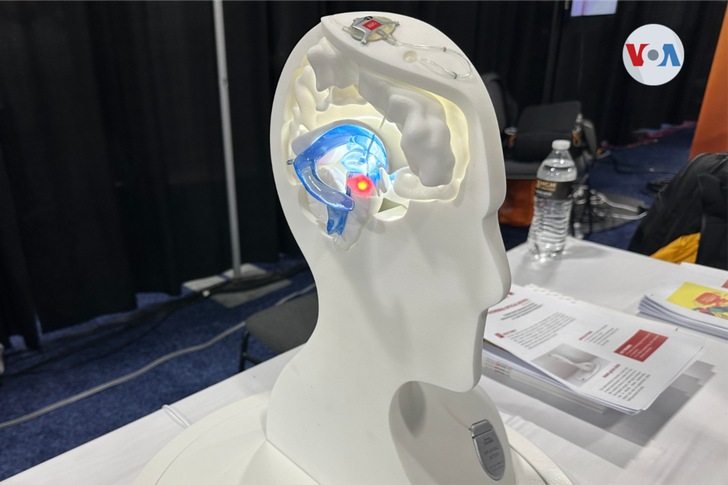
Kontrollet e syve të përforcuara nga inteligjenca artifici...

There have been 12 days of protests in the capital, which ...

Dritan Prençi is the SPAK prosecutor who is sleeping on th...

The in-depth investigations that SPAK conducted into Ajola...

SPAK's standards, the way it investigates, how it secures ...

The Special Board of Appeal (KPA) decided this Monday ...

The KPA vetting decided this Thursday to dismiss the p...

Suela Salavaçi, a prosecutor in the Prosecutor's Offic...

The Special Board of Appeal reinstated the prosecutor ...

Policia e Vlorës ka finalizuar operacionin e koduar “Sigur...

New details have emerged regarding the serious accident th...

An Albanian businessman was arrested this afternoon in Gre...

A serious accident has occurred on the Korça-Ersekë axis, ...

Today our country will be affected by stable weather condi...

A tragic accident occurred this Friday afternoon in Kameni...

Today our country will be affected by unstable weather con...

On Thursday, our country will be affected by relatively un...

Good news for those who fly: After years of negotiations, ...

It took more than two years, but now the EU can begin acce...

US President Donald Trump announced that the US military h...

Iran has taken new measures to strengthen the protection o...

Several archaeological excavations conducted during this s...

At the Museum of Fine Arts in Chambéry, France, an exhibit...

Korça has transformed this weekend into the capital of cel...

Korça is ready to open the summer season with one of the c...

This Saturday, one US dollar is bought for 81.5 lek and so...

The Governor of the Bank of Albania, Gent Sejko, shared to...

Business lending has increased in the first half of this y...

The labor market has shown worrying trends in early 2026. ...