


6 benefits for the body from drinking tomato juice
Tomato juice is extremely beneficial for health. It provid...


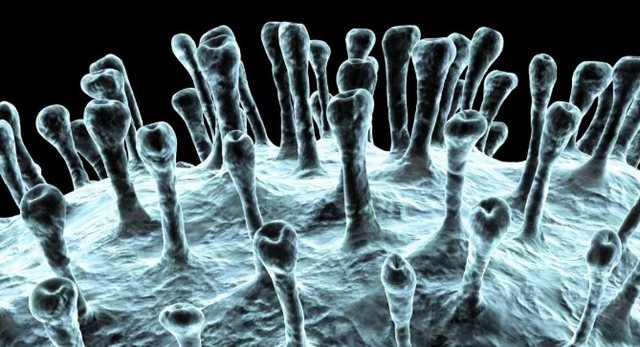
The Andean virus outbreak on the MV Hondius cruise ship has brought back memories of the COVID-19 pandemic and raised concerns about another global health crisis.
However, international experts and the World Health Organization emphasize that, while the virus is dangerous, it does not have the potential to become a pandemic like COVID.
As of May 11, European health authorities have reported nine cases linked to the cruise ship, including seven confirmed cases and two suspected cases, while three people have died.
Five Australians and one New Zealander will be repatriated to Australia, where they will initially be quarantined at the National Resilience Centre near RAAF Pearce military base in Western Australia.
Andean virus belongs to the group of hantaviruses, which are usually transmitted from rodents to humans through contaminated urine, feces, or saliva.
Unlike most hantaviruses, the Andes virus can also be transmitted from person to person, but experts explain that this happens rarely and only under certain conditions.
According to specialists, transmission requires very close and prolonged contact, mainly in closed, overcrowded and poorly ventilated environments. This distinguishes it significantly from SARS-CoV-2, the virus that caused COVID-19, which spread much more easily through the air and even from people without symptoms.
Experts explain that the Andean virus has a long incubation period and its spread is much more limited.
While COVID-19 caused a global pandemic due to rapid transmission, Andean hantavirus has only produced isolated outbreaks.
Initial symptoms include fever, headache, fatigue, muscle aches, and nausea. In more severe cases, the disease can progress to hantavirus pulmonary syndrome, a serious complication that causes severe breathing difficulties and can be fatal.
The World Health Organization recommends monitoring exposed persons for up to 42 days after the last possible contact with the virus.
Australian authorities have announced that returning passengers will initially spend three weeks in quarantine and then continue to be monitored.
There is currently no specific antiviral treatment or vaccine for Andean dengue virus. Medical care focuses on respiratory support and management of complications.
However, experts praise the rapid response of the scientific community. Swiss laboratories managed to sequence the genetic code of the virus within a few days and share it publicly, helping to more quickly identify suspected cases and control the outbreak.
Despite the alarm, specialists insist that the Andean virus does not pose a pandemic threat similar to COVID-19, as its transmission is much more limited and requires specific conditions for spread./ CNA

Tomato juice is extremely beneficial for health. It provid...

A new study has raised concerns about the long-term effect...

Maintaining weight loss remains one of the biggest challen...
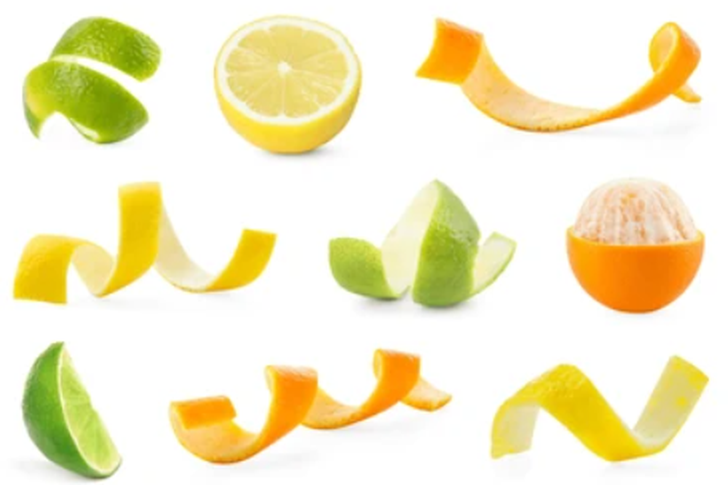
Studies suggest that using citrus peels may offer unique b...

Green juice has become increasingly popular due to its pur...

A new scientific study has found that visceral fat, the fa...

Hypertension is one of the most common and dangerous facto...

Spring not only brings better weather conditions, more lig...

Today everyone is talking about the virus that is suspecte...

A new study suggests that an existing drug, Minocycline, c...

While many factors can cause heart problems, diet appears ...
Much advice spread on social media talks about "resetting"...
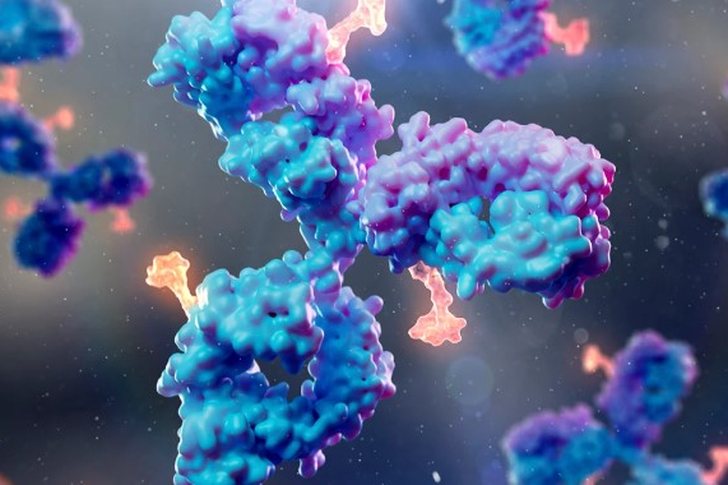
Scientists have made an important step in the fight agains...

A new Harvard study, published in the Journal of the Ameri...

Don't underestimate blueberries. These small, sweet fruits...

When it comes to cancer prevention, most conversations foc...

A new scientific study refutes concerns that antibiotic us...

Laughter is not only a response to humor, but also an impo...

Health experts warn that sitting for long periods during t...

Hydration isn't just about drinking fluids. It's about whe...

On the morning of July 7, 2026, the Ministry of Culture ur...

After the disclosure of the portfolio of properties an...

For 6 months now, CNA has been sending several letters to ...
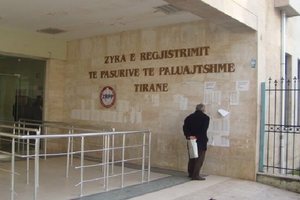
The word "fatherland" with properties is not enough. The m...

The Special Board of Appeal (KPA) decided this Monday ...

The KPA vetting decided this Thursday to dismiss the p...

Suela Salavaçi, a prosecutor in the Prosecutor's Offic...

The Special Board of Appeal reinstated the prosecutor ...

A knife attack occurred this evening in Fushë-Krujë. Acco...

A 44-year-old man in Saranda has been seriously injured af...

Spanish police have acted on an Albanian-Spanish criminal ...

New details have been revealed regarding the murder of Egl...

In Albania, in 2024, 8,911 beds were available in public h...
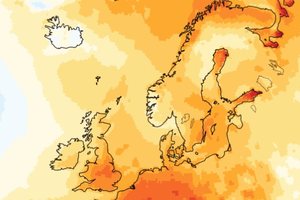
Albania was included in the band of above-normal temperatu...
Today, our country will be affected by mainly stable weath...
Today, our country will be affected by mainly stable weath...
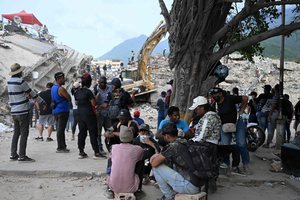
The death toll from two powerful earthquakes that struck V...

Oil prices rose to their highest levels in a month after t...
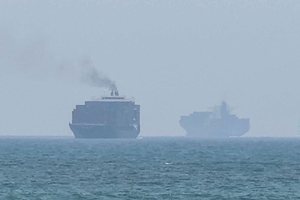
Iran has reacted to US President Donald Trump's statements...

Counter-terrorism police have taken control of the investi...

The ninth edition of "MIK Festival" kicked off with one of...

A historic evening for Albanian culture was marked in the ...

When I turned 10, another building was built in front of o...

A special scientific conference was held by the World Bekt...

The tax administration has announced the completion of the...
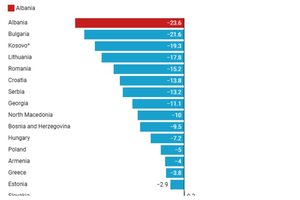
Albania has lost almost a quarter of its population since ...

This Monday, one US dollar is bought for 81.5 lek and sold...

This Sunday, one US dollar is bought for 81.5 lek and sold...