


e-Filing applications for VAT compensation for around 114 thousand farmers start today
Applications for VAT compensation for farmers begin today,...

Applications for VAT compensation for farmers begin today,...


Today everyone is talking about the virus that is suspected to have affected several passengers on a cruise ship in the Atlantic.
Let's make some clarifications!
Hantaviruses are viruses that are transmitted mainly by rodents through their urine, feces, and saliva.
In addition to hantaviruses, various rodents can transmit many other infectious diseases to humans. The most important are:
Large rats
Rattus norvegicus → sewer rat
Rattus rattus → black rat
Small mice
Mus musculus → house mouse
Voles/field mice
often associated with hantaviruses in Europe
Hamsters can transmit LCMV
Squirrels and wild rodents, sometimes carriers of bacteria or parasites
Beavers and nutria may be linked to leptospirosis and waterborne infections
Leptospirosis
It is caused by the Leptospira bacteria. It is transmitted through rat urine and contaminated water. It can cause fever, liver and kidney damage, and meningitis.
Plague
It is caused by Yersinia pestis. It is usually transmitted by rat fleas. It has bubonic, septicemic, and pulmonary forms.
salmonella
Food contamination from rodent feces. Causes gastroenteritis, diarrhea, and fever.
Lymphocytic Choriomeningitis Virus (LCMV)
ZVirus transmitted by house mice. Can cause meningitis or encephalitis.
Tularemia
Bacterial infection caused by Francisella tularensis. It can also be transmitted by wild rodents and rabbits.
Rickettsioses
Some are transmitted through fleas or rodent mites.
Rat-bite fever
It is caused by bacteria such as Streptobacillus moniliformis. It is transmitted by bites or contact with rat secretions.
Enteric infections
Such as E. coli, Campylobacter, etc., from food and water contamination.
These infections are more common on ships, ports, warehouses and food supply facilities, the presence of rodents is always considered a serious epidemiological risk, especially in:
food storage systems, ventilation, sewage, closed technical spaces.
Therefore, on cruise ships and ports the following applies:
* deratization programs,
* sanitary checks,
* food and water monitoring,
* periodic epidemiological inspections.
Humans become infected primarily by inhaling contaminated particles dispersed in the air or by coming into contact with contaminated surfaces or foods.
Human-to-human transmission is extremely rare and has been documented almost only for the so-called Andes virus in a few cases in Argentina and Chile, through very close and prolonged contact with the bodily fluids of infected persons.
What could theoretically have been the routes of spread on a cruise ship?
Environmental contamination by infected rodents, especially in technical or storage areas;
Spread of contaminated particles through ventilation or air conditioning systems, if they are connected to areas contaminated by rodent droppings;
Contact with contaminated surfaces or foods;
Less commonly, close contact with infected persons in the presence of specific variants of the virus.
Hantavirus infection can cause:
Hantavirus Pulmonary Syndrome (HPS), characterized by acute respiratory failure, fluid accumulation in the lungs, and shock, or Hemorrhagic Fever with Renal Syndrome (HFRS), which can cause renal failure and hemorrhagic complications.
These are potentially very serious infections. In some forms, the mortality rate can be high, especially without early diagnosis and treatment.
There is currently no widely available vaccine or universally effective specific antiviral therapy. Treatment is primarily intensive supportive care, with respiratory, hemodynamic, and renal monitoring. Ribavirin has been used in some cases, particularly in some forms of HFRS, but results are not consistent across cases.
It is important to note that, in the face of news circulating on social networks or the media, official confirmations from health authorities and epidemiological investigations should always be awaited before confidently attributing an outbreak to a specific hantavirus./ CNA


A new study suggests that an existing drug, Minocycline, c...

While many factors can cause heart problems, diet appears ...

Much advice spread on social media talks about "resetting"...
Scientists have made an important step in the fight agains...

A new Harvard study, published in the Journal of the Ameri...

Don't underestimate blueberries. These small, sweet fruits...
When it comes to cancer prevention, most conversations foc...

A new scientific study refutes concerns that antibiotic us...

Laughter is not only a response to humor, but also an impo...

Health experts warn that sitting for long periods during t...

Hydration isn't just about drinking fluids. It's about whe...
A new report from the European Association for the Study o...

When we talk about heart health, we usually think about di...

A new scientific study suggests that sleeping between 7 an...
After more than six decades of use, metformin remains one ...
Insomnia is one of the most prevalent health problems toda...

A recent study conducted by researchers in the United Stat...

Gatimi i përditshëm shpesh mund të duket i vështirë, që kë...

A new scientific study has raised concerns about the influ...

When most people think about eating healthy, they focus pr...

The Justice Reform and the vetting process were trumpeted ...
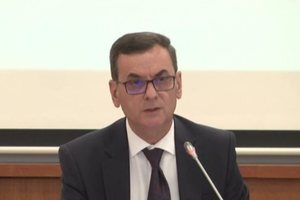
After revealing the property portfolio in Tirana, Kavaja, ...
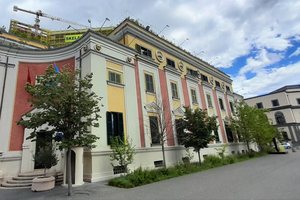
Four months ago, on March 11, CNA sent an official letter ...
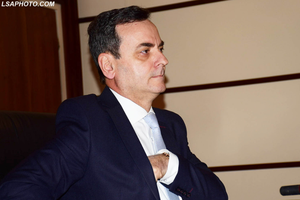
Sokol Sadushi, the president of the Supreme Court, is the ...

The Special Board of Appeal (KPA) decided this Monday ...

The KPA vetting decided this Thursday to dismiss the p...

Suela Salavaçi, a prosecutor in the Prosecutor's Offic...

The Special Board of Appeal reinstated the prosecutor ...
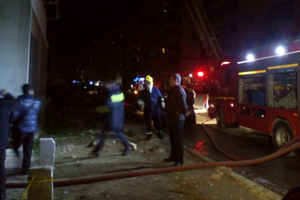
A wood processing factory in Elbasan was engulfed in flame...
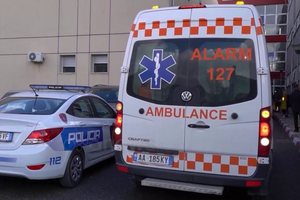
New details are learned from the serious accident that occ...

Two accidents were recorded this Tuesday near Pogradec. O...

Tirana Police has shared official data regarding the serio...

On Wednesday, our country will be affected by relatively s...
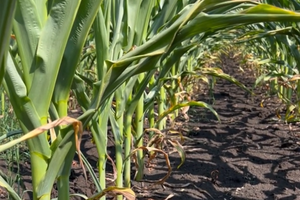
A field inspection has begun in the Maliq area, after the ...
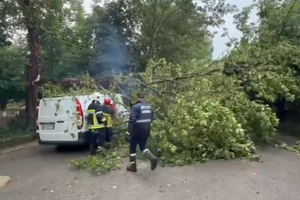
Heavy rainfall accompanied by strong winds has caused prob...

Albania will be affected this Tuesday by relatively stable w...

US President Donald Trump earned more than $1 billion (£75...

Europe is facing an unprecedented crisis due to heat waves...

Italian authorities have arrested four people suspected of...
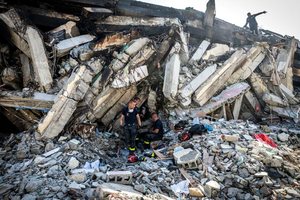
The twin earthquakes that struck Venezuela last Wednesday ...

During my research into the life and artistic photographic...

This year's edition of the Gjon Mili International Video A...

The promotion of the book by author Aleksandër Ikonomidhi ...

The Albanian Embassy in Switzerland has organized an eveni...
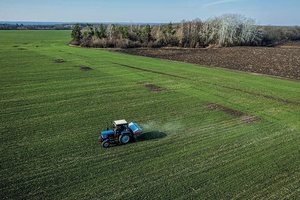
Applications for VAT compensation for farmers begin today,...

Dairy prices in our country have become so expensive in th...

This Tuesday, one US dollar is bought for 81.8 lek and sol...

When citizens see that the euro drops a few points in a fe...