

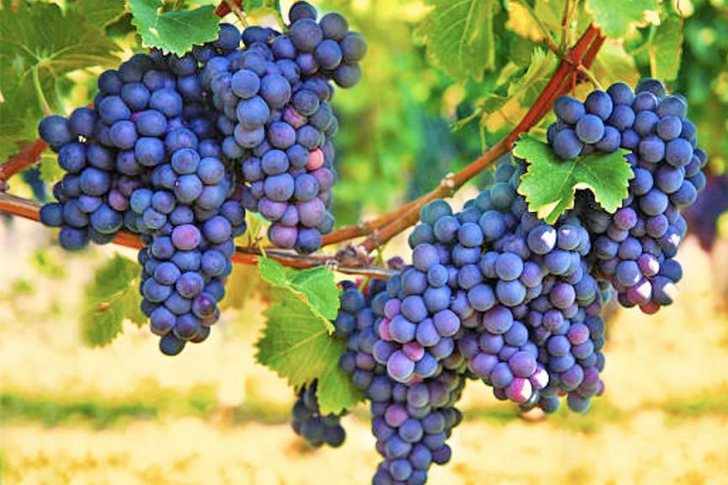
5 reasons why you should eat more black grapes
Grapes have grown on earth for thousands of years and ...


The West Nile virus has been circulating in Albania and the Balkan countries for the past month. It is transmitted by the bite of ordinary "infected" mosquitoes. It belongs to the family of Arboviruses with monoclonal RNA genomes.
It was first isolated in the West Nile area of ??Uganda in 1937, from where it got its name. In 80% of cases the exposure is without symptoms, in 20% it causes fever, headache, vomiting, muscle weakness, exanthems on the skin (mainly shoulder and chest). In 1% of cases it can be manifested by affecting the central nervous system such as encephalitis, meningitis, very rarely and death (less than 1/1000 cases).
Mosquitoes get the virus from the blood of birds infected with this virus. Birds are also carriers of the virus. There is no vaccine for humans. There is no specific therapy either. Treatment is symptomatic and determined by the clinic and its severity. The laboratory tests performed in this case are IgM and IgG antibodies.
IgM antibodies appear the first 8 days after exposure to the virus. They are made in the blood and in the cerebrospinal fluid (for patients affected by the Central Nervous System).
The analysis of IgM antibodies is the first analysis, which is performed in patients who have shown symptoms. It is worth noting that if the patient has no symptoms, it is not recommended to perform these tests. The positive presence of IgM (positive IgM) indicates that the patient is affected by the virus. If the presence of IgM antibodies is negative, this analysis is repeated after a few days.
IgG is also produced, simultaneously with IgM. When both are positive, it indicates current exposure of the organism to this virus. The presence of only IgG (IgG positive) indicates an earlier exposure to the virus, months or years ago.
However, it is possible that after the third week from the onset of symptoms, IgG will be positive and IgM will be negative.
This is where laboratory interpretation comes into play, according to scientific criteria. To evaluate the clinical course of the disease, the test of IgM and IgG is repeated after 3-4 weeks, to see if the level of the antibody titer has increased or decreased.
Another route of transmission of the virus is through blood, i.e. if blood is transfused from a patient infected with the Nile virus to another patient. If the disease appears in a baby, who is fed only with mother's milk, then the mother should be examined to determine the route of transmission through the mother's milk. This happens rarely. However, this route of transmission is scientifically confirmed.
There is also the PCR method, the determination of the nucleic acid of the virus by molecular biology, to determine whether the organism is affected by the virus. With this method, the virus is detected before the appearance of antibodies.
Since the most common period of appearance of this pathology is related to the period of multiplication and appearance of mosquitoes, it is recommended to take measures to fight against them. It is worth noting that this disease is transmitted by ordinary mosquitoes and not by any "special" mosquitoes./CNA

Grapes have grown on earth for thousands of years and ...
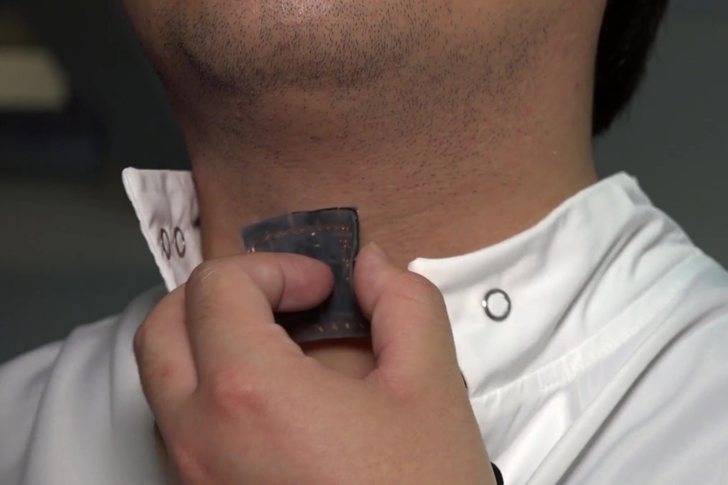
Some people who have lost the ability to speak are sti...
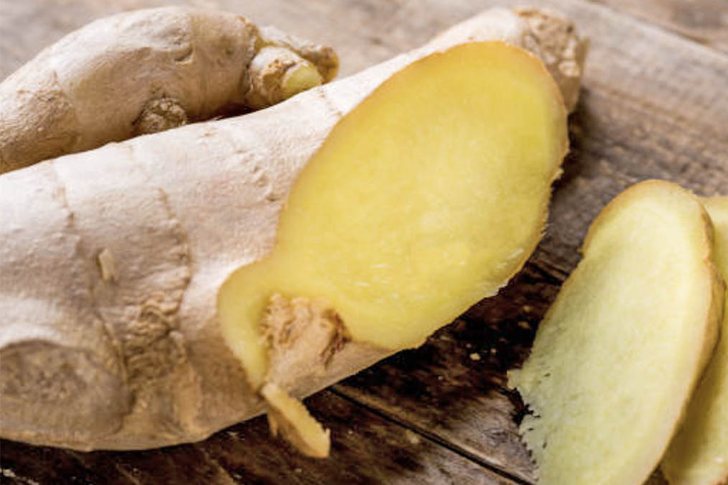
When a person suffers from nausea and vomiting, food is th...

Hair turns gray when the body stops producing the mela...
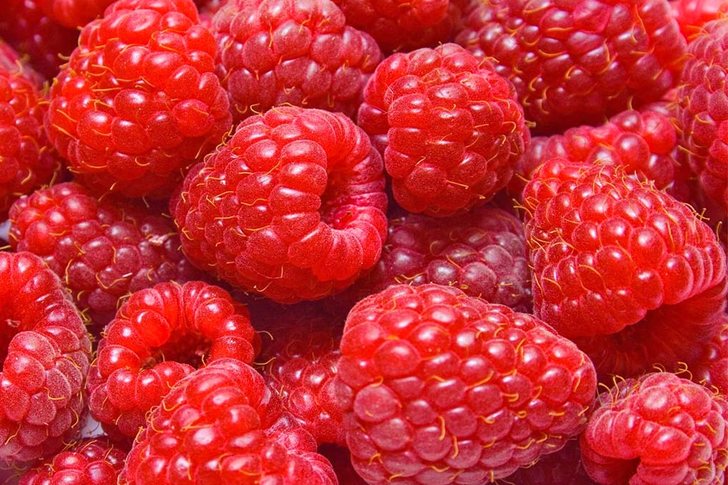
Recent studies referred to by AgroWeb.org have reveale...
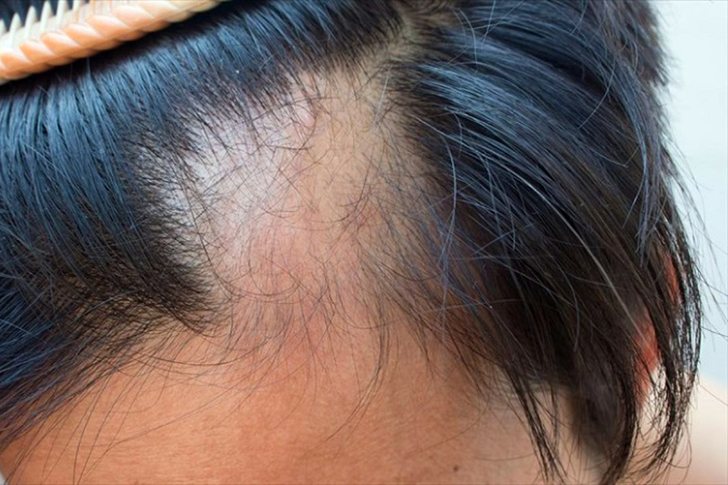
Thyroid problems are not only seen in adults but also ...

Sleep problems can cause dangerous health consequences...

Grapes are an exceptional fruit in terms of antioxidan...
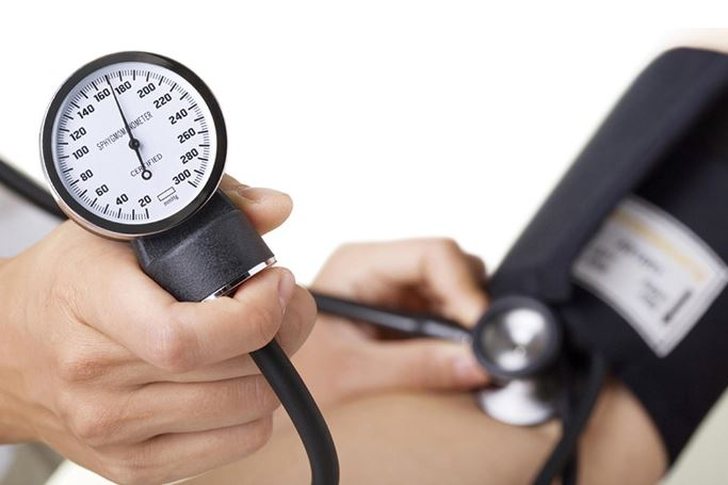
Blood pressure can increase for various reasons. It ca...
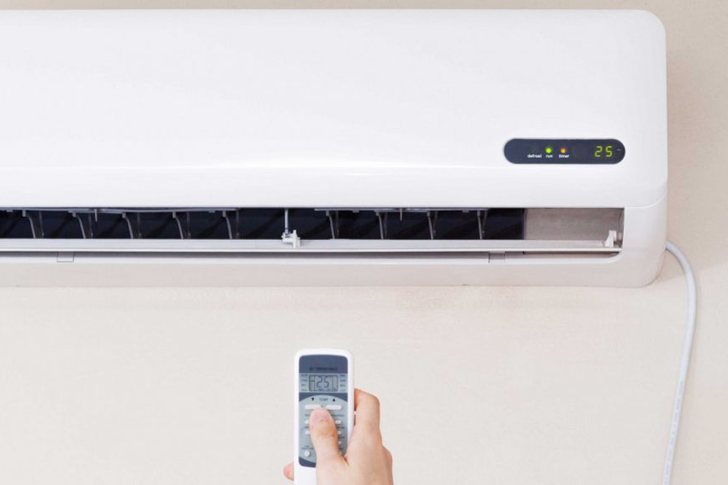
Most of us are grateful for the air conditioner, especiall...

It is a fact that for busy people, stress is an inevit...

Seasonal and full of flavor, watermelon can be found a...

A night cough is a nuisance that affects the quality o...
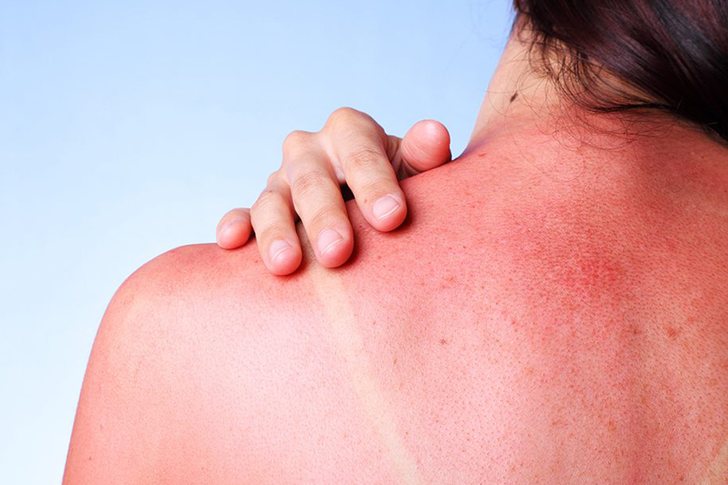
People are enjoying the beach and hot days a lot, a joy th...
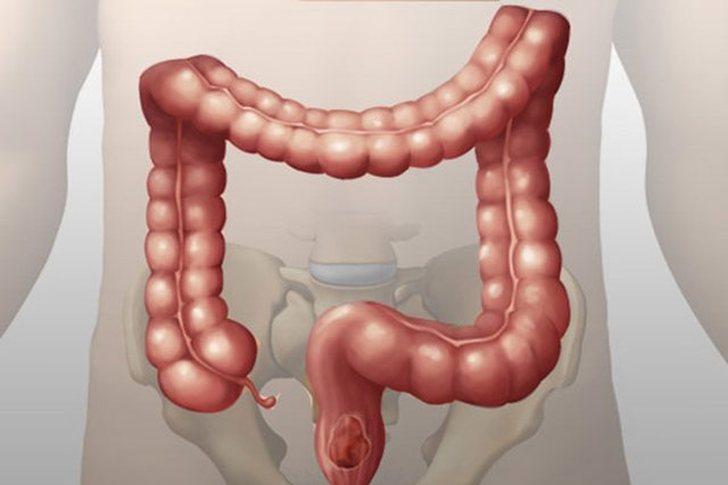
Regular aspirin use may keep the oncologist at bay, at...
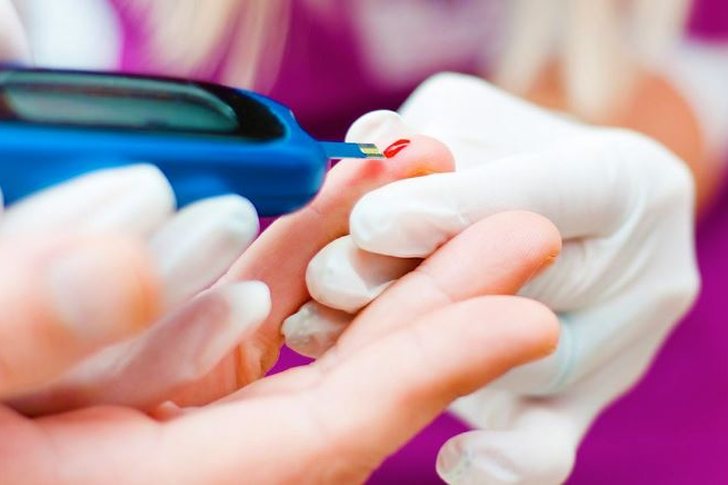
Excess fat and obesity are known as the cause of many ...
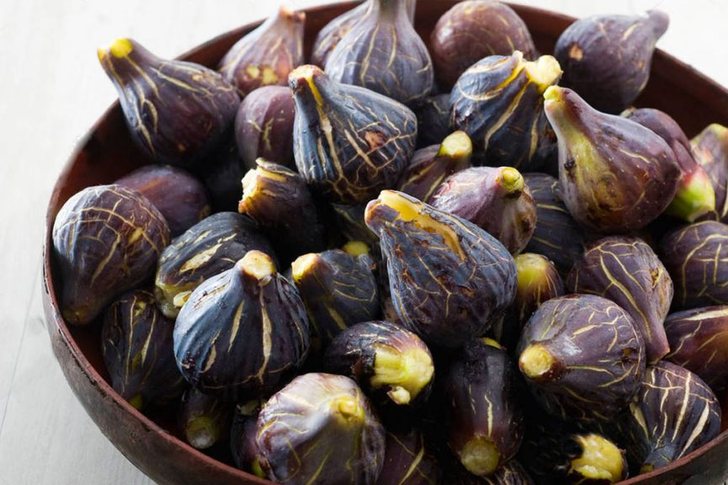
The best time to eat figs is in the morning so that th...

Hair is the most damaged at the end of summer for most...

Have you ever woken up in the morning hearing pulsatio...

You've probably seen many advertisements on the Internet f...

Irfan Hysenbelliu claims to be a big businessman, an hones...

The murder of officer Enea Mekolli in the line of duty has...
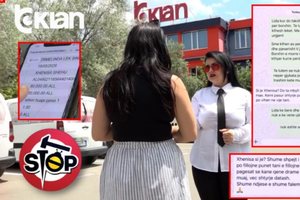
The next case broadcast on the show "Stop", this Thursday,...
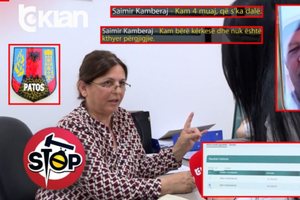
The case published this Thursday, June 4, on the show "Sto...

The Special Board of Appeal (KPA) decided this Monday ...

The KPA vetting decided this Thursday to dismiss the p...

Suela Salavaçi, a prosecutor in the Prosecutor's Offic...

The Special Board of Appeal reinstated the prosecutor ...
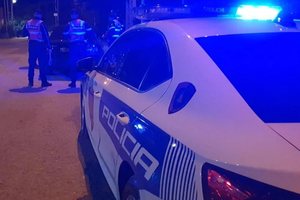
A massive brawl was recorded on Friday evening in Saranda,...
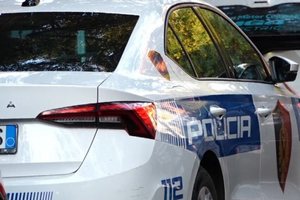
A 38-year-old man was arrested today near the Kamza turnof...

A money changer in Durrës lost 60 thousand euros after bei...
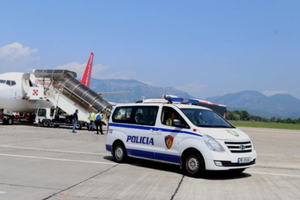
The 6 citizens captured in Dubai, members of criminal grou...
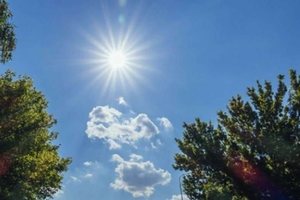
This Saturday will be characterized by mostly clear weathe...
Today our country will be affected by stable weather condi...

For many children and teenagers, the long summer holidays ...

Albania is facing an unprecedented demographic transition,...

Millions of Europeans still apply for jobs without knowing...

Following the Covid-19 pandemic, the World Health Organiza...
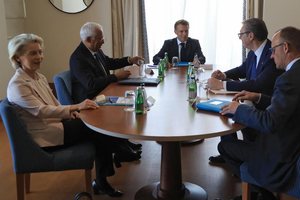
Leaders of the European Union and Western Balkan countries...

On the eve of the EU-Western Balkans summit, Germany and F...

Korça is ready to open the summer season with one of the c...

Two years after his passing, the renowned Korçë poet Skënd...
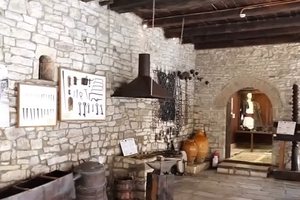
The Ethnographic Museum of Berat has opened its doors to v...
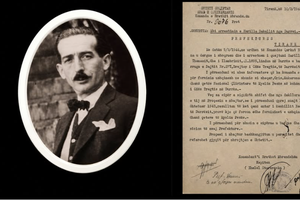
The story of Harilla Bakalli is one of the most chilling t...

This Saturday, one US dollar is bought for 81.4 lek and so...

Despite years of efforts at regional cooperation and free ...

Albania is the country with the highest level of severe ma...

This Friday, one US dollar is bought for 81.3 lek and sold...