

Tribute in honor of publicist Dashamir Dini/ Former director of RTSH Shkodra, was escorted to his final residence
Journalist, publicist, poet, former director of Radio Shko...


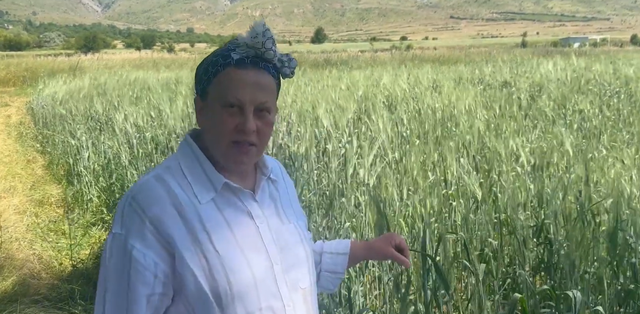
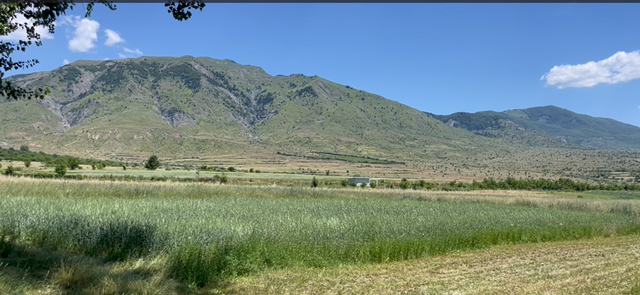
In a small town in southeastern Albania, where mountains and fields intertwine in complete harmony, an unusual story is being written every day on a small plot of land. Kolonja, known for its wild nature and traditional hospitality, has become the place where one woman has chosen to plant not only seeds, but a new way of life. Filloreta Prifti, a lecturer in the field of economics, left the urban life of Tirana to start over in her city of origin. Not to follow the usual course of agriculture, but to bring something unusual, a variety of wheat almost forgotten by the modern world, called “kamut”.
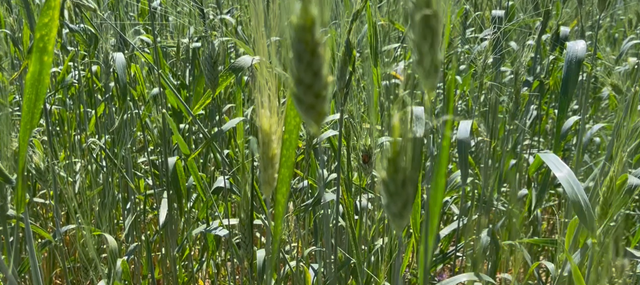
Filloreta Prifti tells CNA TV that "kamut" seed is an ancient type of wheat, believed to have been preserved for centuries in the Egyptian tombs of the pharaohs. Non-genetically modified, this wheat has a short life cycle and is sown late, immediately distinguishing it from any other wheat we are used to seeing in our fields.
"Behind my back is a small plot, almost 1 dunum of wheat. At first glance it looks strange because it is wheat in the early stages, just the ear has opened. The first question arises. What is this wheat so late? Yes, it is a very late wheat. It is one of the rarest seeds, or the rarest seed in the world today, called "kamut". It is a seed from somewhere during World War II, collected in the Egyptian tombs of the pharaohs. It was taken by someone and multiplied. It turned out to be a very ancient and ungenetically modified seed. It has a very short life cycle, 90 days. It is sown in the first two weeks of May and harvested at the end of August," said Filloreta.
This grain is not just an archaeological or botanical curiosity. It has a rich nutritional profile, with high protein content, antioxidant and anti-inflammatory properties and, above all, it is very easy for the human body to digest. It represents a real alternative for those seeking a diet as clean and natural as possible.
"It is a non-genetically modified and very ancient seed. It is a seed that has extremely positive effects in relation to human nutrition. It is easy to digest for the digestive system, it does not create any problems. It is totally assimilable by the body and has anti-inflammatory, antioxidant values, and contains proteins," says Filloreta.
The idea to bring this seed to Albania was born from a lecture by an Australian doctor who spoke about clean foods. Unmentioned in Albanian literature, the “kamut” seed was sought after by Filloreta with great insistence and was eventually ordered from Italy. Although the cost was very high, the desire to try it was greater than any hesitation.
“Nisjen e mora nga një mjeke popullore australiane, e cila në një nga leksionet e saj shpjegonte se cilat ishin farat e pamodifikuara gjenetikisht dhe shumë të mira për shëndetin. Një nga këto ishte fara "kamut". Hyra lexova, nuk njihet në Shqipëri, nuk ekziston në asnjë literaturë shqiptare, mora informacion dhe e kam gjetur si farë në Bolonja të Italisë. E porosita, është shumë i shtrenjtë sepse shkon gati 1000-1200€ kuintali, ose 12 mijë lek/kg. Megjithatë isha shumë kurioze ta provoja, nëse bëhet në Shqipëri dhe për ta përdorur për nevojat e mia. Thjesht kurioziteti! Mendoj se deri në këtë fazë ka funksionuar. Patjetër që do ta vazhdoj, por edhe do shikohet sipërfaqja. Mendoj që duhet të ketë një lloj interesi për këtë lloj gruri, në përgjithësi për njerëzit të cilët kërkojnë të ushqehen shumë shëndetshëm dhe të mos kenë probleme. Në përgjithësi, farat e modifikuara gjenetikisht nuk janë të mira, kështu që nëse kemi mundësi të kultivojmë këto lloj farash e bimësh, pse jo mos ta provojmë, pavarësisht kostos së lartë që ke”,-tha Filloreta.
Për Filloretën, kjo përpjekje ka qenë më shumë se një proces bujqësor. Ka qenë një zbulim. Rezultatet e para janë inkurajuese dhe ajo është e bindur se kultivimi i kësaj fare mund të zgjerohet, nëse rritet ndërgjegjësimi për vlerat që mbart. Për të, ky nuk është thjesht një eksperiment agrar. Është një udhëtim shpirtëror. Ajo e braktisi auditorin universitar dhe iu kthye tokës, duke u marrë jo vetëm me grurin "kamut", por edhe me drithëra të tjera si elbi dhe tërshëra, që përdoren për ushqimin e bagëtive. Sepse sipas saj, zinxhiri ushqimor nis nga toka dhe përfundon në shëndetin e njeriut. Filloreta ka zgjedhur të jetë sa më afër natyrës, duke punuar tokën vetë, duke mbjellë dhe korrur me duart e saj, duke jetuar në harmoni me ritmet e natyrës.
“Unë hyj në vitin e pestë që merrem me këtë profesion, lashë Tiranën dhe erdha në Kolonjë. E lashë profesionin e parë (pedagoge) për shumë arsye. Vjen një moment në jetë që kërkon të ndryshosh dhe unë e ndryshova jetën time. Unë kryesisht merrem me kultivimin e drithërave, ose kulturave elb, tërshërë që janë ushqim për bagëtinë. Gjithmonë më ka ngacmuar kjo ideja e ushqimit të shëndetshëm edhe për bagëtinë, edhe për njerëzit, sepse është zinxhir ushqimor. Nëse nuk ushqen mirë kafshët, nuk merr mish dhe bulmet të mirë. Duke qenë sa me afër natyrës, ti shikon gjenialitetin e saj, shikon anën mistike që ka natyra dhe çka bërë perëndia me natyrën. Aty e kupton se sa ke për të zbuluar. Nëse ti merresh me bimët, me tokën, me pemët, ti mrekullohesh e zbulon gjëra të jashtëzakonshme. Thua "ku kam qenë më parë që nuk i kam parë?". Kam zbuluar shumë gjëra, kam parë si është të mbjellësh vetë, të kultivosh gjëra që do ti konsumosh vetë. Është shumë "fun"”,-thotë Filloreta.
Primrose invites anyone, even for a short period in life, to walk barefoot on the ground, to work with plants, to put their hands in the soil. Because contact with the earth brings not only production, but also a deep spiritual peace and a sense of connection to something greater.
"I would suggest to everyone, even for a moment in their lives, to try it, to walk barefoot on the ground, to deal with plants, to get your hands dirty. It's an extraordinary thing and you learn a lot from nature. Meanwhile, I've been dealing with wheat this past year, precisely for the sake of healthy eating," said Filloreta.
The story of Filloreta is not only that of a woman who changed the course of her life, but of a man who decided to trust the land, nature and himself. In every ear of corn that grows on that dynym of land in Kolonjë, a clear message is hidden. There is still room for new things in the ancient, there is still hope in forgotten roots. All it takes is the courage to sow differently. /CNA

Journalist, publicist, poet, former director of Radio Shko...

The Mayor of Korça, Sotiraq Filo, has announced that he is...
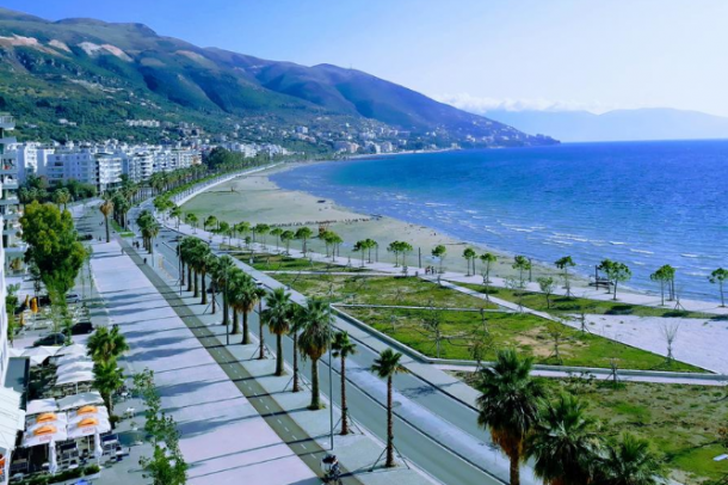
By Ardi Stefa At a time when coastal cities face nume...
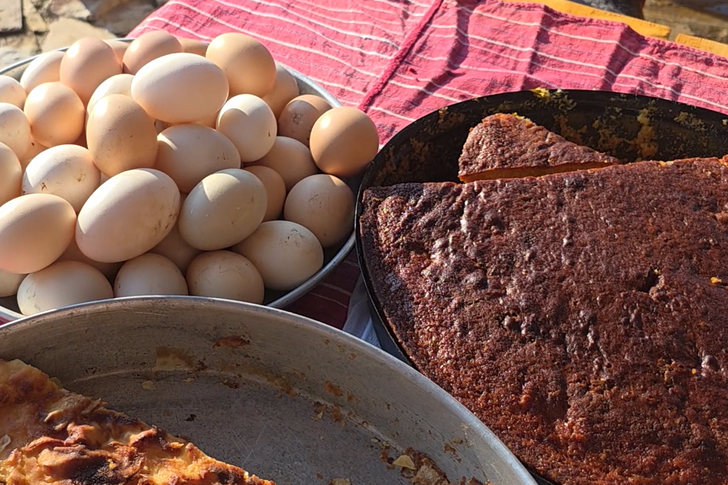
Almost three decades ago, Roza Hila from the village of...
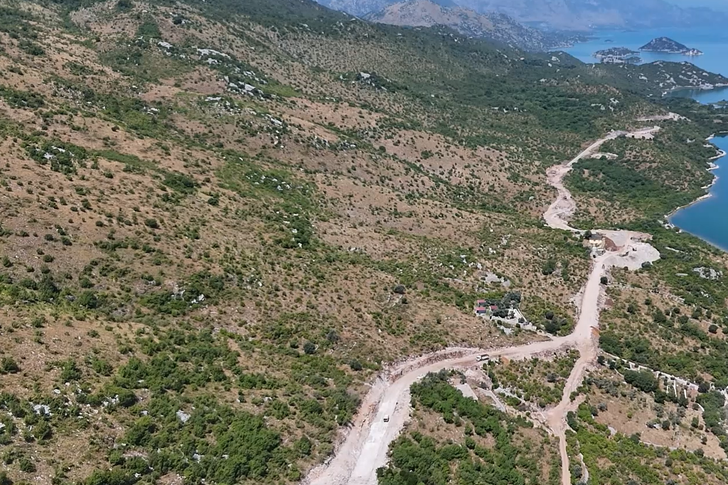
The Shiroka-Zogaj panoramic road is undergoing a transform...

In the heart of Pogradec, where the shadows of tradition i...
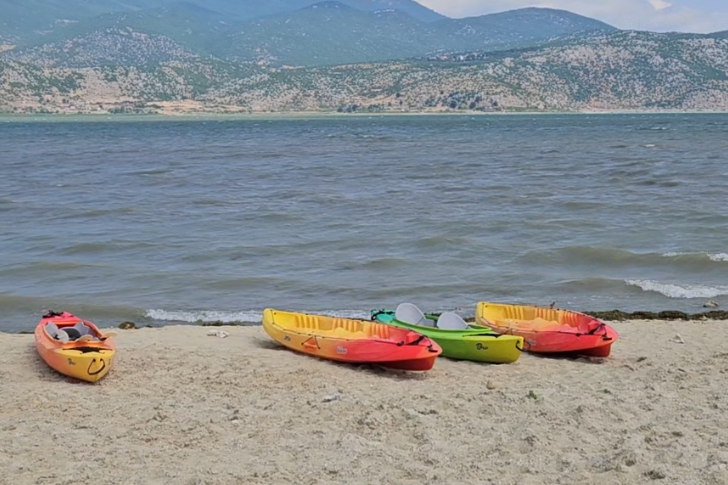
Prespa has become one of the newest and most attractive al...
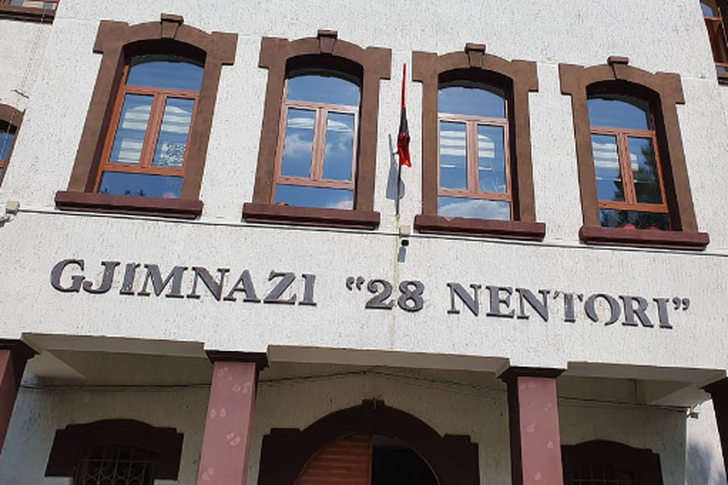
Shkolla e mesme “28 Nëntori” në Shkodër zhvilloi ceremonin...
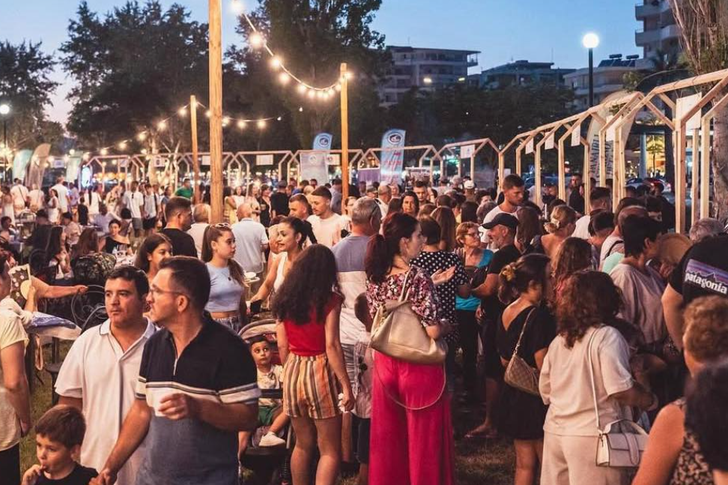
The beautiful summer evenings have begun in the city of Vl...
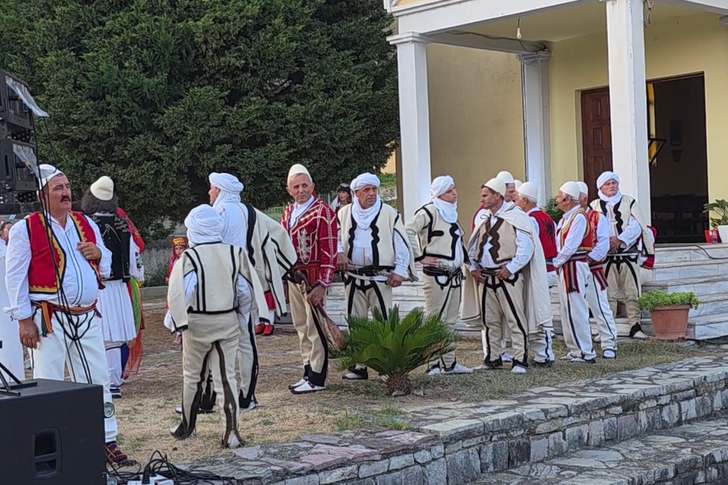
The Municipality of Vau i Dejës officially opened the tour...
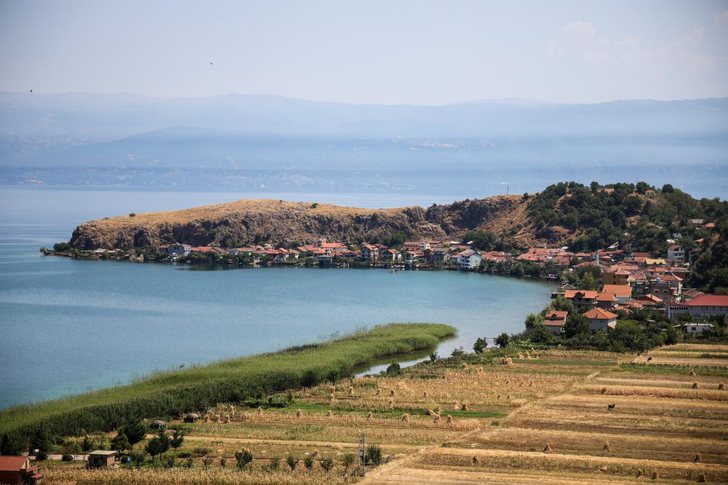
In the picturesque village of Lin, on the shores of Lake O...
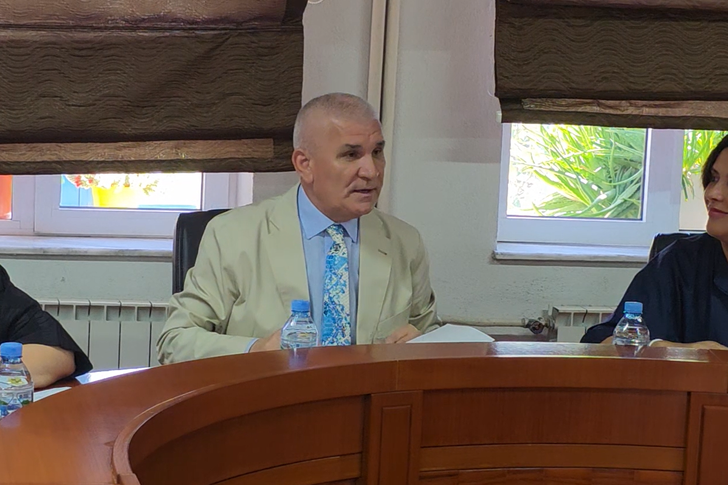
The University of Shkodra "Luigj Gurakuqi" signed a cooper...

After the Vjosa River, a project between Albania and Monte...

150 maturantë të gjimnazit "Oso Kuka" në Shkodër u dhanë l...
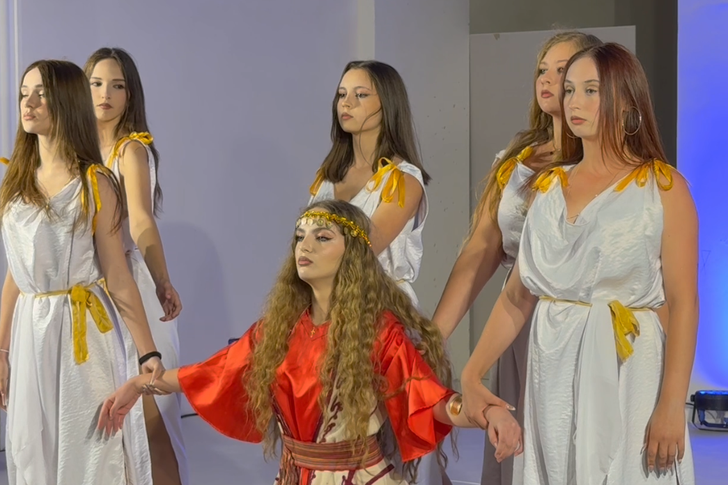
In a small town like Maliqi, where life flows quietly and ...

Me nisjen e sezonit turistik veror, autoritetet vendore në...

Bujar Qamili, the great artist and Honor of the Nation, ga...

Korça has once again hosted one of the most special events...

In the heart of Devoll, where one of the colossuses of Alb...

Works on the entrance to Shkodra are continuing on the roa...

CNA has launched another investigation that could lead to ...

Irfan Hysenbelliu is a businessman that we call "Irfan the...

In March 2026, CNA launched another investigation centered...
The arrested mayor of Tirana, Erion Veliaj, with 13 charge...

The Special Board of Appeal (KPA) decided this Monday ...

The KPA vetting decided this Thursday to dismiss the p...

Suela Salavaçi, a prosecutor in the Prosecutor's Offic...

The Special Board of Appeal reinstated the prosecutor ...

Footage emerges from the serious accident that occurred th...

A Shkodra traffic police officer was hit with hard objects...

This Wednesday, around 4:00 PM, a serious accident occurre...

Tirana Police have shared details regarding the accident t...

On Thursday, our country will be under the influence of st...
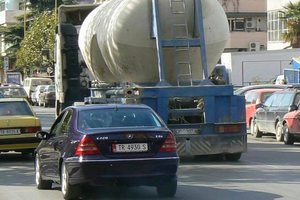
A serious accident that occurred this Wednesday with the c...

The Institute of Geosciences has shared a forecast for wea...
Rising energy and fertilizer prices are expected to contin...

Artificial intelligence (AI) models from the American comp...

At least 10 people have died after a fire broke out in a h...
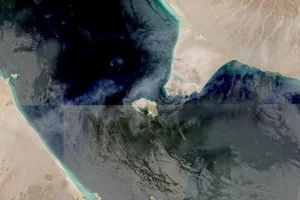
Yemen's Houthis have claimed to have attacked two Saudi oi...

The trial of ousted Venezuelan President Nicolas Maduro on...

At a time when industrial products are increasingly taking...

Trust among people is not just a three-syllable word. It c...

Master of humor Todi Llupi has passed away at the age of 7...

The ninth edition of "MIK Festival" kicked off with one of...
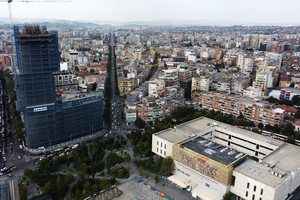
The average sale price of apartments in Tirana reaches rec...

This Thursday, one US dollar is bought for 81.5 lek and so...

The price of diesel reached 206 lek per liter from 198 lek...

Businesses will no longer be required to simply register t...