


Second victim of bad weather/ Fisherman drowns in Ksamil
Citizen MH, 61, a fisherman, was found dead near the islan...

Citizen MH, 61, a fisherman, was found dead near the islan...

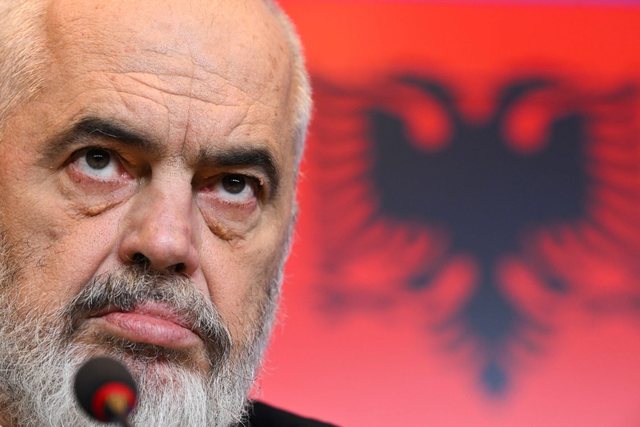
"Emotional manipulation"
Rama's narrative regarding Veliaj's arrest was filled with terms intended to arouse emotion and touch the public's sensibilities, while ignoring the facts or evidence of the investigative file.
In this regard, Rama portrayed prosecutors as 'heartless', having 'prevented a mother from taking her child to kindergarten', or stopped a father on the street with 'a child in a stroller'.
The emphasis on these examples shows, according to psychoanalyst Demi, how Rama "is trying to change the framework of interpreting events."
“Instead of the public seeing the investigation or even the arrest as a legal matter for alleged corruption, Mr. Rama tries to shift the focus towards human injustice, presenting SPAK in the eyes of the public as ruthless,” he told BIRN.
“The mention of children aims to activate the universal symbolism of children as innocent beings, evoking emotional reactions in the audience as children are a universal symbol of innocence, and their mention creates an emotional connection with the audience,” he added.
Even for Mërtir, the goal is precisely the emotional manipulation of the public, preventing them from seeing the broader picture of the events surrounding the accusations leveled against Veliaj.
"The inclusion of the family, especially children, in the rhetoric of victimization is something frequent, encountered by those who seek to place children as a barrier to public anger, and children are always a rhetorical object that arouses sensitivity and through them, the speaker manages to touch the audience to make them feel empathy for the person he seeks to protect," analyzes Mërtiri.
Edi Rama has always been a controversial figure in Albanian politics and has managed to portray himself for a very long time far from the costume of the ordinary politician, which according to psychological analysis seems to have been intentional.
He entered politics in 1998 as Minister of Culture in the government of Fatos Nano, where the newcomer from Paris stood out with his colorful clothes, red socks, and impatience, even aggressiveness, to change things according to his tastes and goals.
In the analysis of the traits that distinguish him from other politicians, the communication style that suits the image he has created for himself as a "non-politician" prevails.
According to Neli Demi, this metaphorical language was used by Rama to create for himself the image of a "tragic protagonist" who faces evil.
“Unlike Berisha, who uses direct and confrontational language, or Veliaj, who prefers a more technocratic and PR-friendly approach, Rama has a more complex and theatrical style and thus he creates a parallel reality, where he is the artist fighting against chaos, a kind of tragic protagonist who must deal with the “ignorance” and “injustice” of institutions that misunderstand or target him,” says Demi.
From Mërtir's sociological perspective, Edi Rama is a politician who most clearly reflects all the traits of a leader who relies entirely on 'manipulation of crowds'.
"Rama presents eloquence to aesthetically camouflage the vulgarity of the message he conveys," said Mërtiri, taking as an example the stylistic devices he uses such as: Kadri, kazan, tëmpë, sahan, tepsi.
Mërtiri also portrays Rama with the features of a totalitarian leader who speaks the language of the crowd, responding to its most characteristic traits.
"Thus, Rama poses before the crowd as a strong, determined leader, capable of facing any intrigue and conspiracy. He appears in the profile of a political gangster," he concluded./ Reporter.al

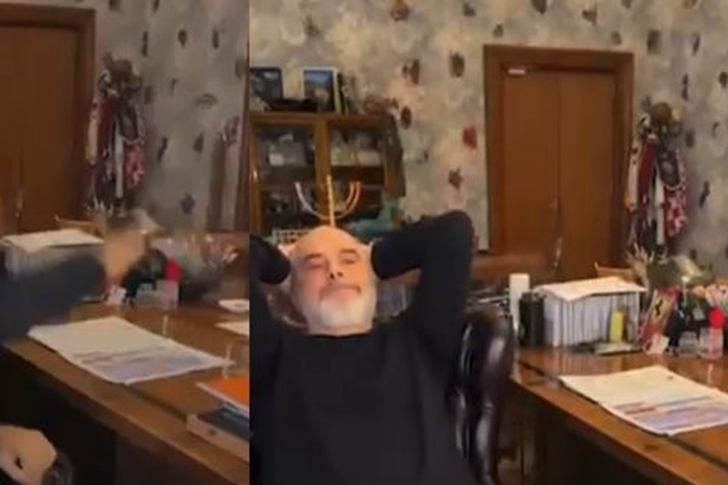
February 10 was a difficult day for Prime Minister Edi Ram...
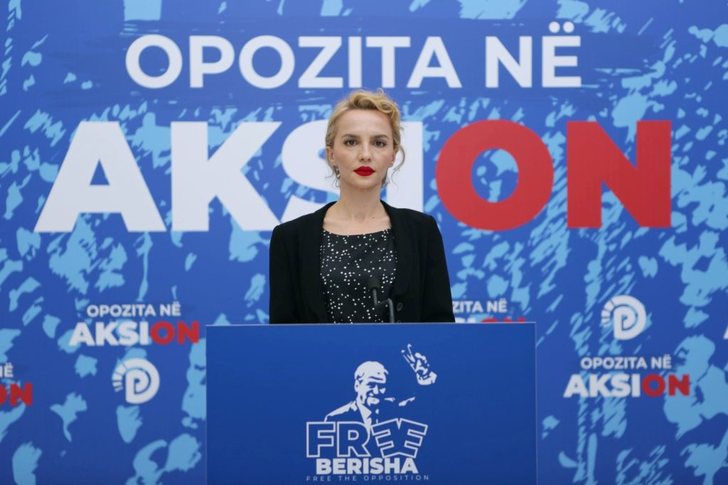
The Vice President of the Democratic Municipal Councilors ...
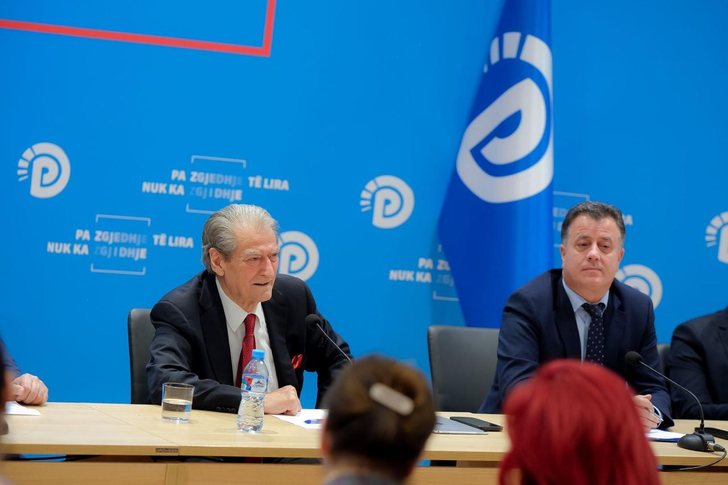
The leader of the Democratic Party, Sali Berisha, spoke to...
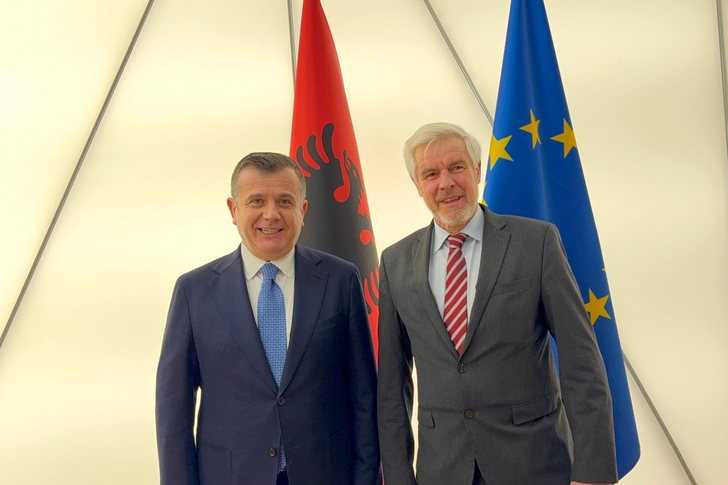
Minister of State for Parliamentary Relations, Taulant Bal...

The leader of the Democratic Party, Sali Berisha, convened...
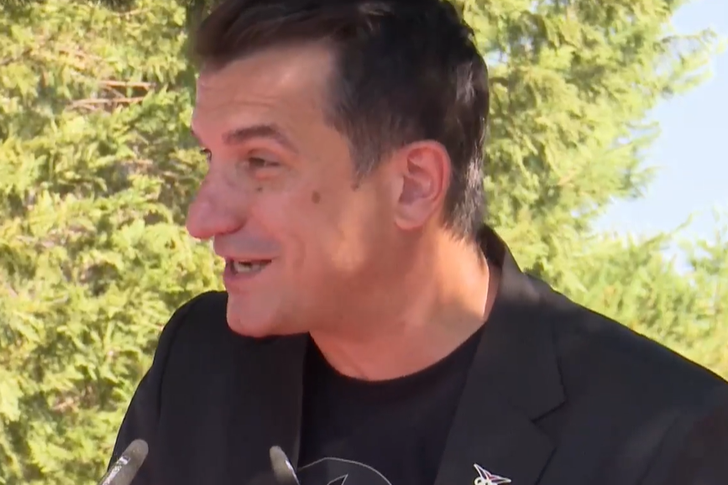
Erion Veliaj, arrested on suspicion of corruption and mone...
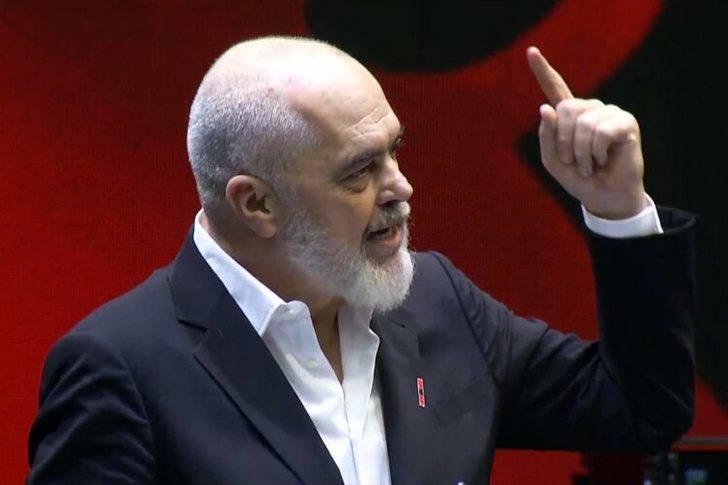
The political leader of the Democratic Party, Belind Këlli...
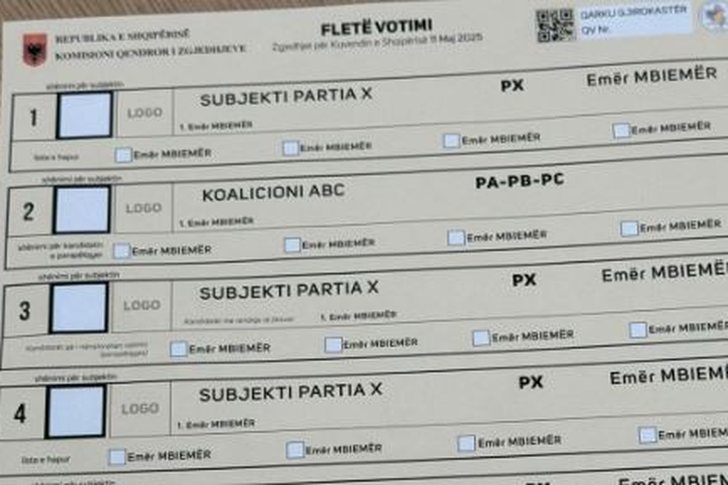
The Central Election Commission has sent political parties...
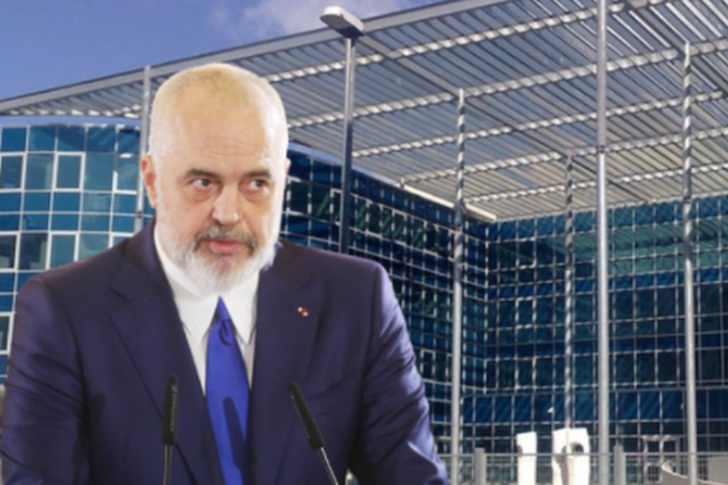
Prime Minister Edi Rama has become one of the main attacke...
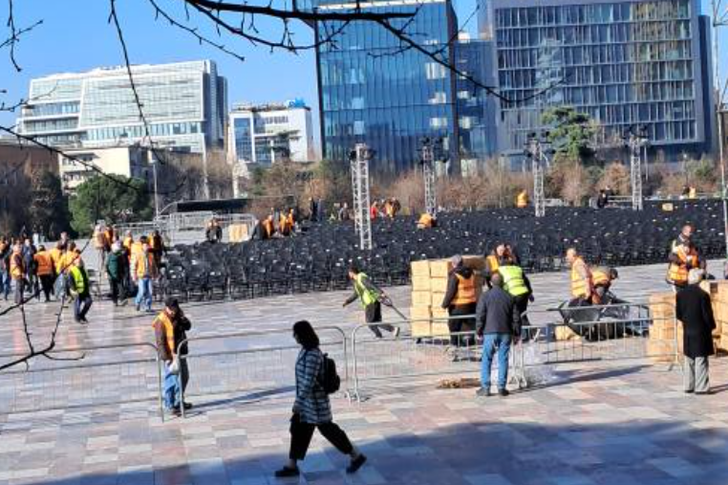
After noon, outside of official working hours, municip...
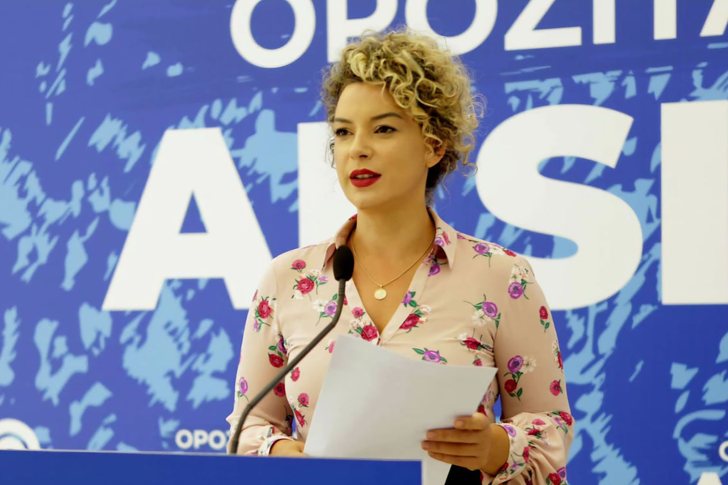
The Coordinator for Departments in the Democratic Party, S...
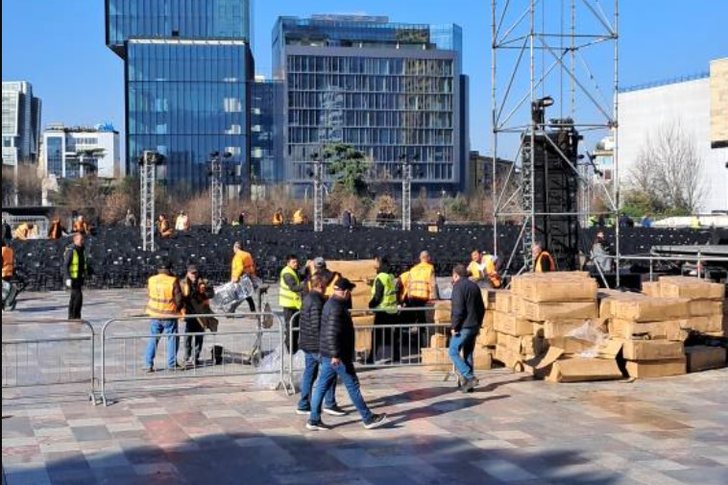
After successive attacks on prosecutors and judges followi...
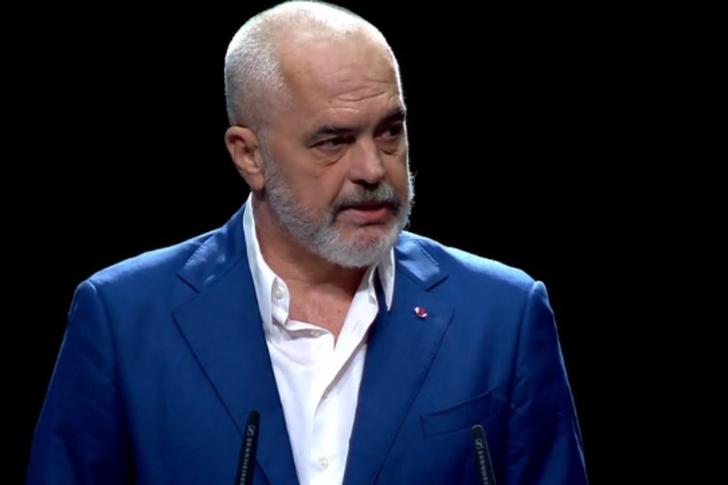
Prime Minister Edi Rama has already made it his business t...

A few days ago, SPAK, led by Altin Duman, presented a plan...

The leader of the National Development Movement Party, Das...
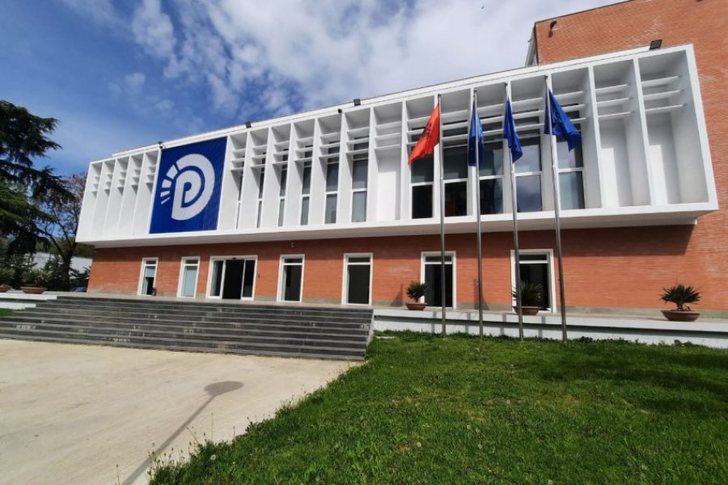
The Democratic Party, in today's presentation of the 2025-...
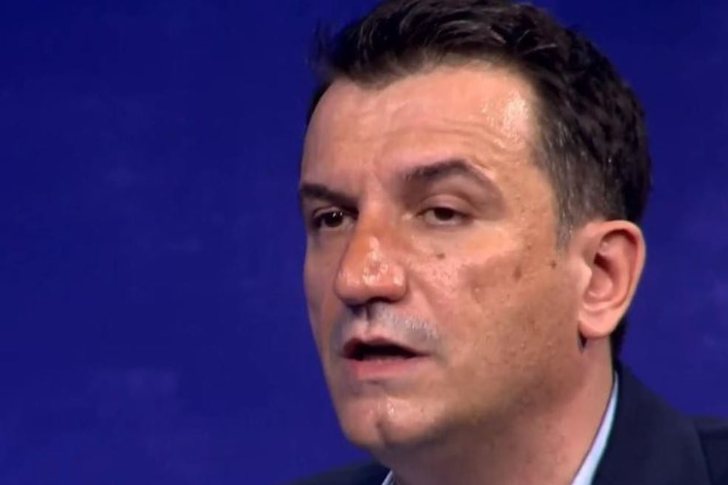
The Mayor of Tirana, after his arrest, has started to be a...
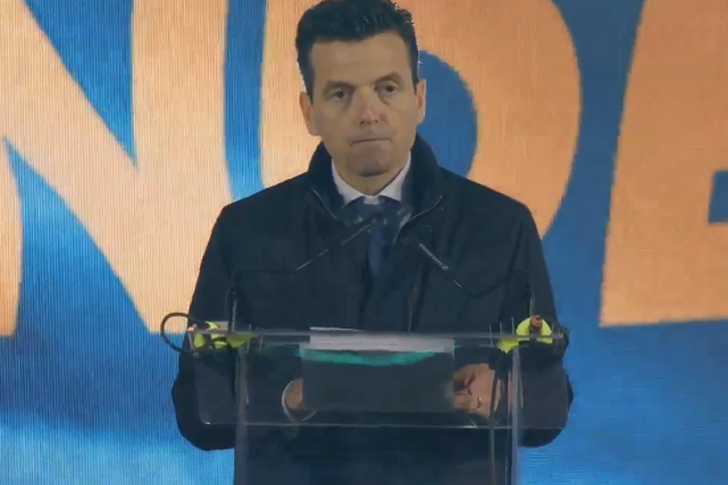
The leader of the Opportunity Party, Agron Shehaj, said to...
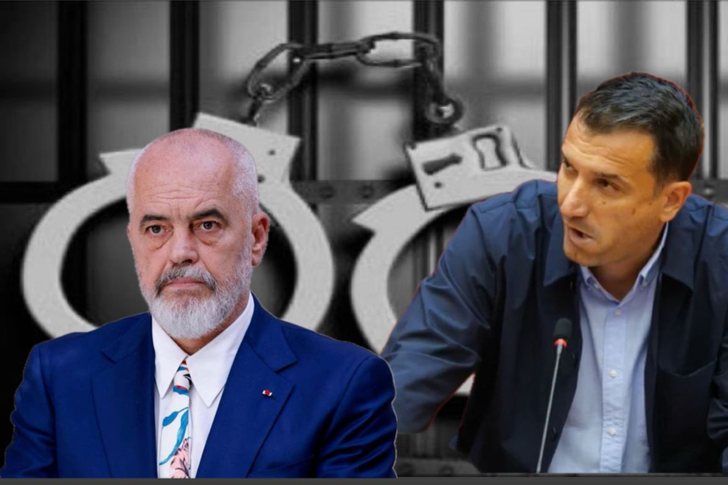
Prime Minister Edi Rama reacted again today, saying that h...
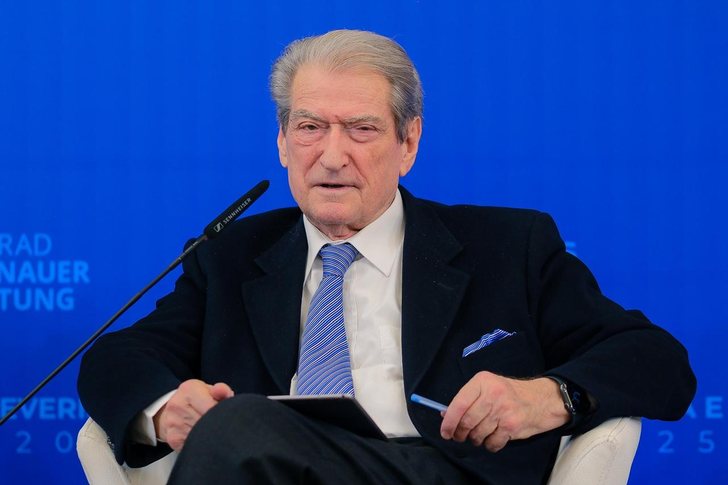
The Democratic Party has presented today the Government Pr...

CNA has launched another investigation that could lead to ...

Irfan Hysenbelliu is a businessman that we call "Irfan the...

In March 2026, CNA launched another investigation centered...
The arrested mayor of Tirana, Erion Veliaj, with 13 charge...

The Special Board of Appeal (KPA) decided this Monday ...

The KPA vetting decided this Thursday to dismiss the p...

Suela Salavaçi, a prosecutor in the Prosecutor's Offic...

The Special Board of Appeal reinstated the prosecutor ...
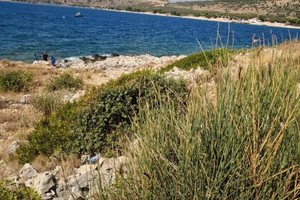
Citizen MH, 61, a fisherman, was found dead near the islan...
Another phase of the international operation, codenamed "T...

Police have arrested a 34-year-old woman at Rinas Airport ...

A serious accident has occurred on the Lezhë-Shëngjin axis...

This Wednesday, our country will be under the influence of...

All of Southern Europe will face changing weather conditio...

Albania was hit by temperatures significantly higher than ...

For the first time, Pogradec welcomed the Inter-Lake Chess...

Prime Minister Andy Burnham has announced that most bus fa...

France's parliament has passed a law to ban social media f...

US Secretary of State Marco Rubio arrived in Manila on Jul...
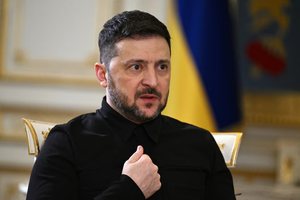
In the space of a few days, Ukrainian President Volodymyr ...

At a time when industrial products are increasingly taking...

Trust among people is not just a three-syllable word. It c...

Master of humor Todi Llupi has passed away at the age of 7...

The ninth edition of "MIK Festival" kicked off with one of...

Businesses will no longer be required to simply register t...

Despite economic growth and income in recent years, Albani...

This Wednesday, one US dollar is bought for 81.4 lek and s...

Construction company licenses will have a validity period ...