


"Rama, resign"/ Protesters begin march in the streets of the capital
Thousands of citizens have started a march through Tirana,...

Thousands of citizens have started a march through Tirana,...

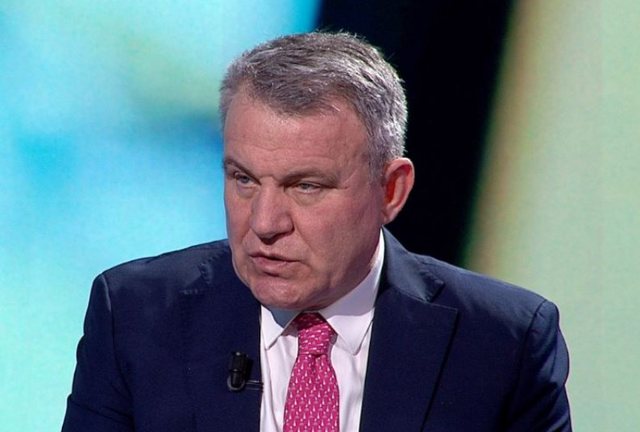
Former Minister of Finance, Arben Malaj, has reacted after statements made this morning by the head of the Socialist Party Parliamentary Group, Taulant Balla, regarding the mandate of the MP who left the SP, Marjana Koçeku.
Through a post on social media, Malaj expresses critical views towards this political force, saying that through its recent stances it is showing its true face.
Malaj does not hesitate to call it a political group without integrity, which, according to him, operates with the mindset of daily producing enemies.
Full post:
The Renaissance is showing its true face, as a political group without integrity and with a mentality that produces enemies every day.
Only in organizations with mafia rules do you have to think carefully when you suddenly leave them.
The Rilindatists no longer kill you with weapons, but with aggressive and contemptuous digital attacks, which are more serious than a "sweet political death."
This is why the MP is absolutely right. The Venice Commission and the Constitution clarify and guarantee that, from a constitutional perspective, the mandate is only individual.
This is one of the sharpest and most frequent debates in constitutional law and political ethics, especially in closed-list electoral systems, where the voter votes primarily for the party logo and not directly for the candidate's name.
In this clash between mainly two principles, here is how the legal and moral arguments divide:
1. Legal and Constitutional Perspective (Why the MP is not obliged to submit it)
From a legal perspective, party leaders have no legal mechanism to remove the MP's mandate.
Free mandate: The Constitution of Albania (Article 74) and the principles of the Venice Commission sanction that the mandate of the deputy is free and not representative (imperative).
The MP represents the people, not simply the party that put him on the list.
Protection from party dictates:
This constitutional principle was created precisely so that MPs would not be "slaves" to the will of the party leader.
If a member of parliament finds that the party is breaking promises, the Constitution gives him the right to vote and act according to his conscience, without fear that the party may take away his mandate.
2. The Party's Moral Viewpoint (Why Surrender is Required)
The party leaders' argument is based on the morality of the closed list system:
Lack of a nominal vote: In a closed list, the MP did not compete with her name to collect preferential votes from citizens. Votes were cast for the program, the chairman, and the logo of the Socialist Party.
"Ownership" of the mandate: The party argues that the mandate is a product of the structures, financing, campaigning and propaganda of the entire organization. Therefore, leaving with the entire mandate is seen as "stealing" the vote of the socialists who voted for the party, and not the individual.
3. The MP's Moral Counter-Argument (New Legitimacy)
On the other hand, the MP has an equally strong moral argument for retaining her mandate:
Betrayal of voters comes from the party, not the MP:
If the party has abandoned the electoral promises with which it won votes, the MP can declare that she is staying in parliament precisely to remain faithful to those promises as an independent.
Protection of the social contract:
Surrendering the mandate would mean replacing her with the next dummy from the party list, who would blindly vote for the violation of promises.
Maintaining the mandate, in this case, serves as an act of resistance and protection for citizens who were lied to by the official program.
Even though party leaders will morally label it as "treason" or "undeserved independence" due to the closed list, the Constitution and parliamentary law protect the MP.
If the party has deviated from its promises, its decision to become independent aligns with the essence of the MP's mission:
to be a representative of the people and their conscience,
not a simple number on the mayor's card. /CNA


Political expert, Ilda Zhulali, commented today on the rea...
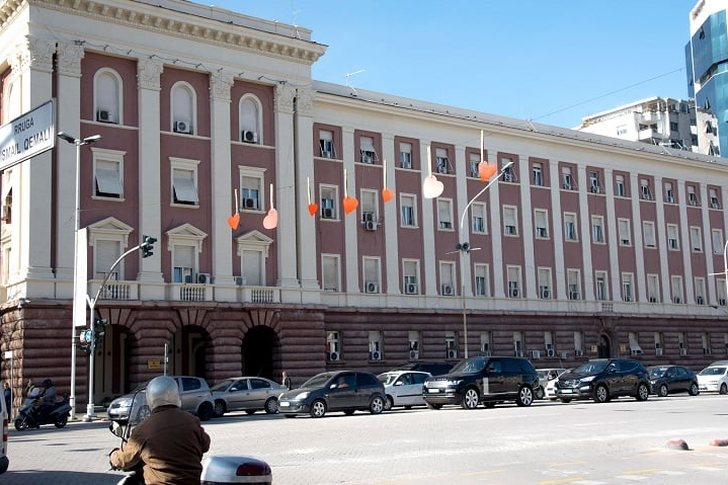
The Albanian Parliament has decided to establish a subcomm...
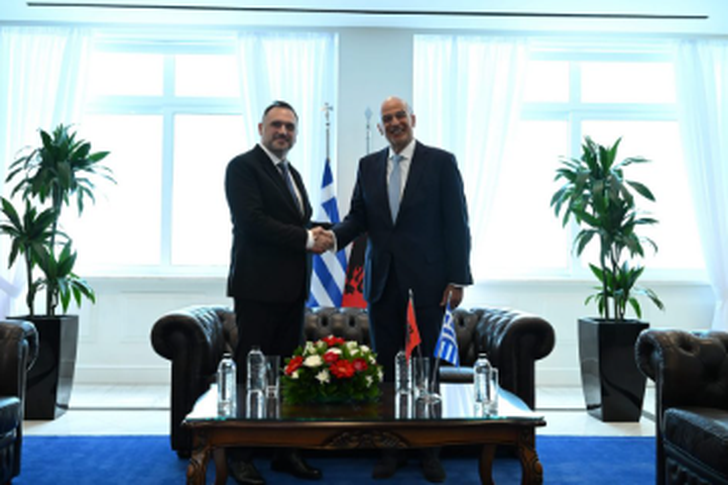
Albanian Minister of Defense, Ermal Nufi, met today wi...
Democratic Party MP Belind Këlliçi has reacted again to th...
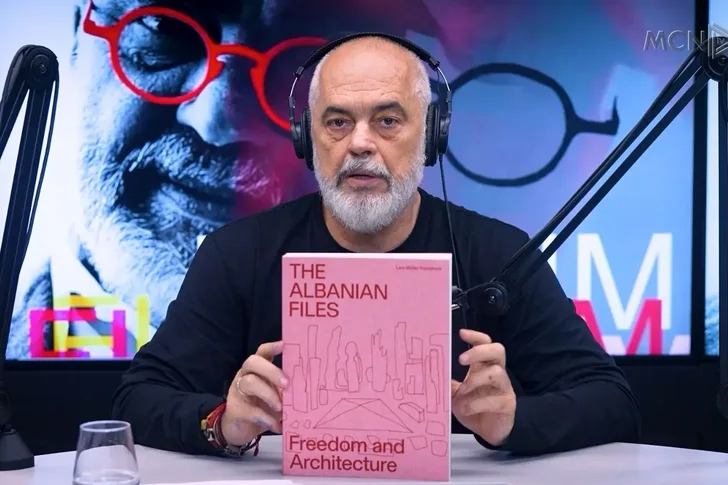
Prime Minister Edi Rama, through a post on social media, p...
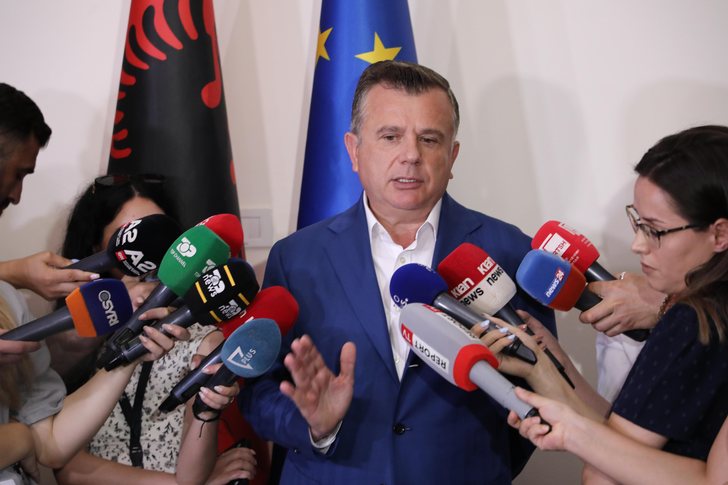
The Chairman of the Socialist Party Parliamentary Group, T...
The Chairman of the Socialist Party Parliamentary Group, T...
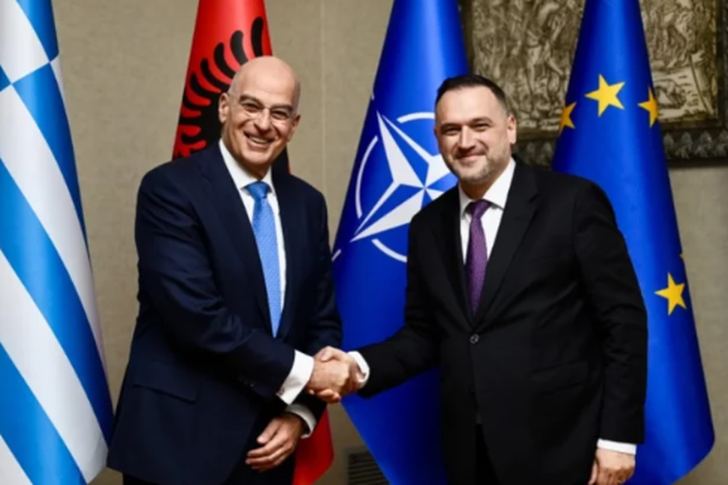
Defense Minister Ermal Nufi will travel to Athens on Monda...
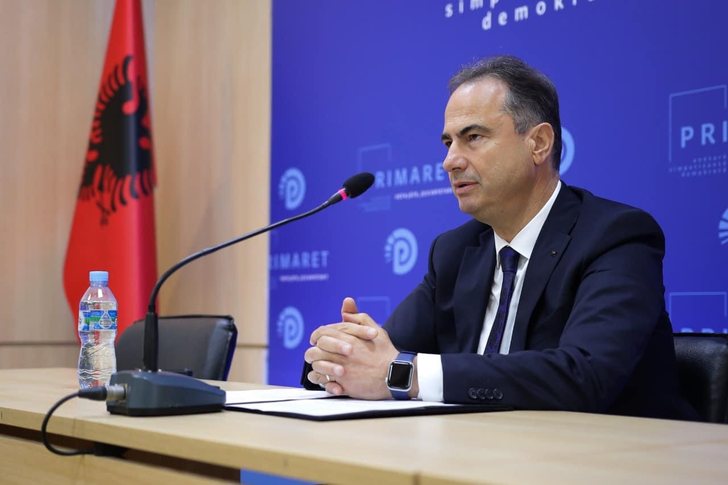
The Vice President of the Democratic Party, Luciano Boçi, ...
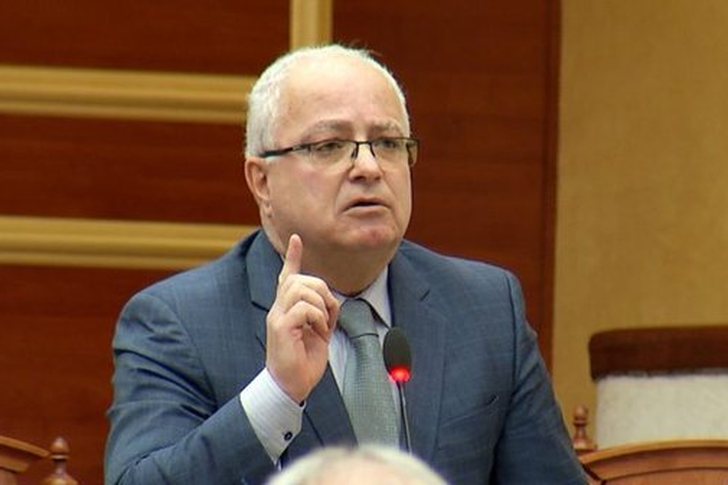
Former Democratic MP, Edmond Spaho, has responded to a rea...
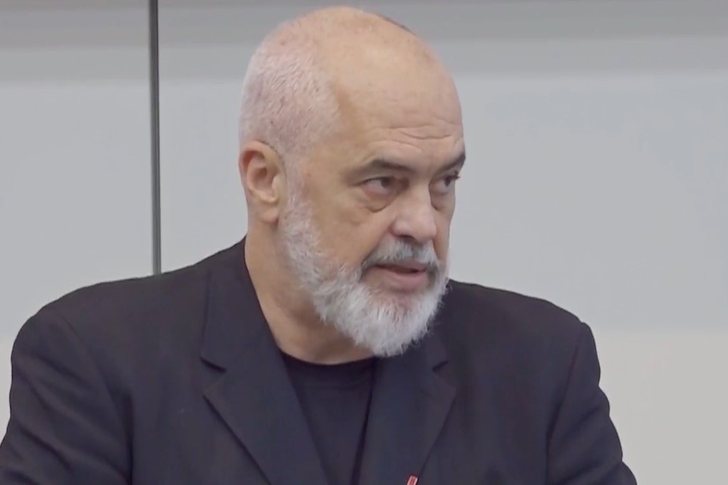
Prime Minister Edi Rama returned today to the situation wi...
Socialist MP, Ulsi Manja, has responded to former Democrat...
Former Democratic MP, Edmond Spaho, has reacted again rega...

The leader of the Democratic Party, Sali Berisha, has reac...
Prime Minister Edi Rama, in today's episode of his podcast...
Prime Minister Edi Rama, in today's episode of the "Flasim...

Prime Minister Edi Rama has made a post on social media wh...
DP MP Belind Këlliçi has reacted on social media regarding...
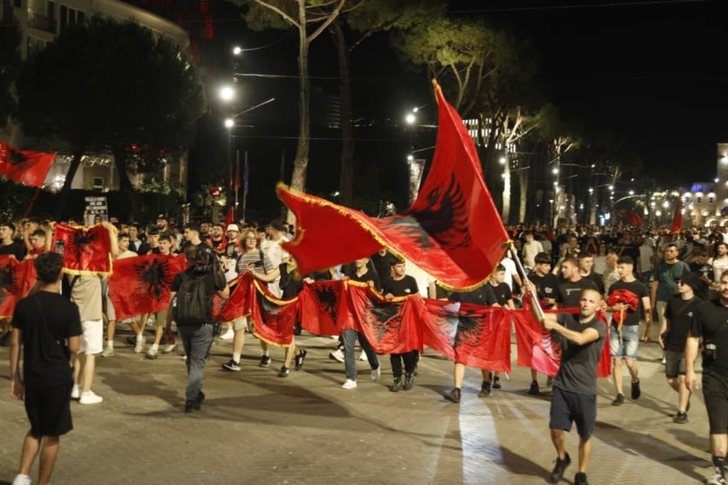
For about 4 hours, citizens have been continuing the 27th ...
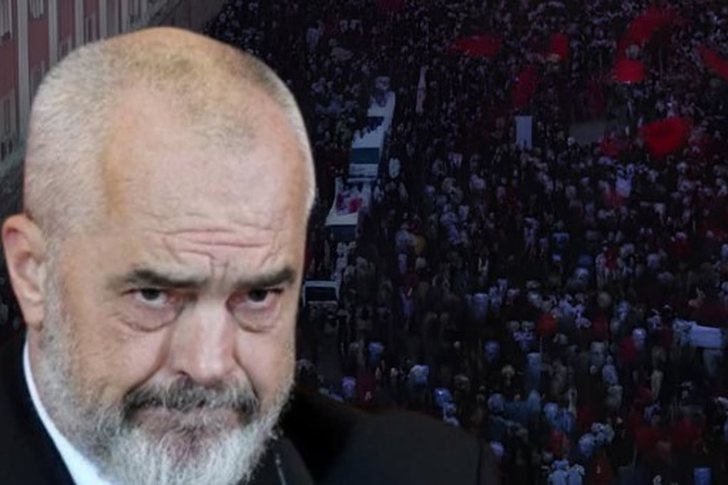
Prime Minister Edi Rama reacted again this Friday regardin...
After revealing the property portfolio in Tirana, Kavaja, ...
Four months ago, on March 11, CNA sent an official letter ...
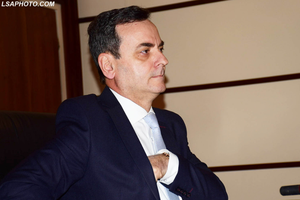
Sokol Sadushi, the president of the Supreme Court, is the ...
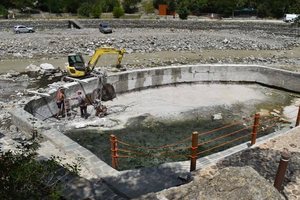
Journalist Elton Qyno has made a complaint regarding the w...

The Special Board of Appeal (KPA) decided this Monday ...

The KPA vetting decided this Thursday to dismiss the p...

Suela Salavaçi, a prosecutor in the Prosecutor's Offic...

The Special Board of Appeal reinstated the prosecutor ...

Tirana Police have announced that criminal proceedings hav...
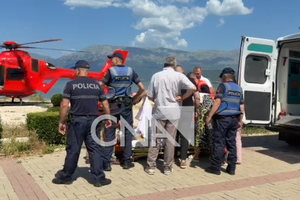
Citizen BS, who was wounded by gunfire this Monday in P...

The perpetrator of the injury of 35-year-old BS in Pograde...
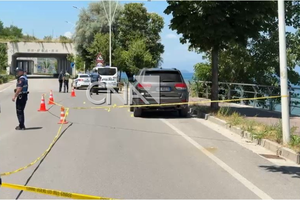
A gunshot wound occurred today in Pogradec. According to p...

On Monday, our country will be affected by stable weather ...
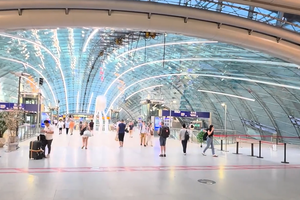
The heat wave that has swept across Europe is also causing...

The Director-General of the World Health Organization, Ted...

The Institute of Geosciences has today shared a forecast r...

A strong aftershock shook Venezuela this Monday following ...

US President Donald Trump said today that Iran has request...

Five people have died after a shooting in Stade, northern ...
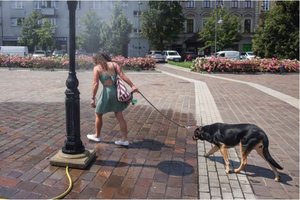
Germany, the Czech Republic, Poland and Hungary hit record...

During my research into the life and artistic photographic...

This year's edition of the Gjon Mili International Video A...
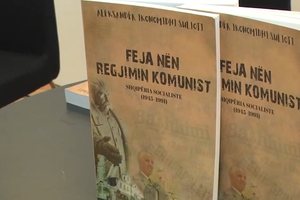
The promotion of the book by author Aleksandër Ikonomidhi ...
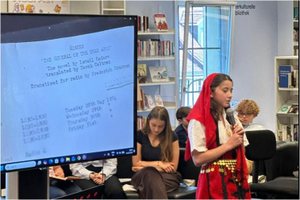
The Albanian Embassy in Switzerland has organized an eveni...

When citizens see that the euro drops a few points in a fe...

When talking about the euro exchange rate in Albania, it i...

This is the question that is often avoided. A strong lek s...

There is a political temptation to sell the strengthening ...