

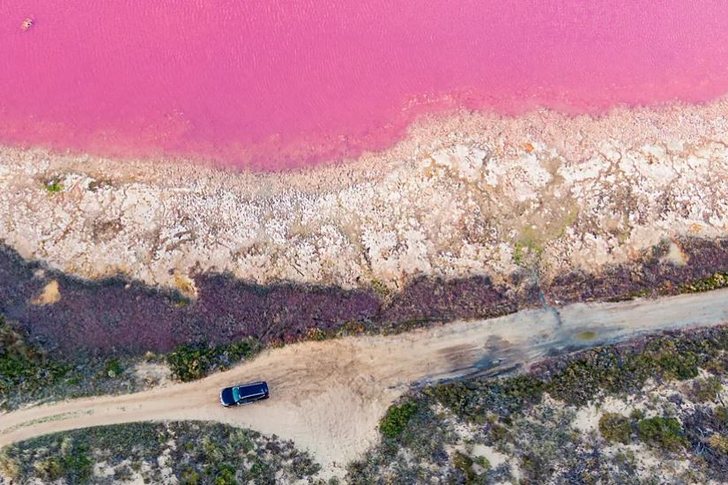
The 10 best places to travel in 2025
The BBC article presents a guide to the best destinations ...


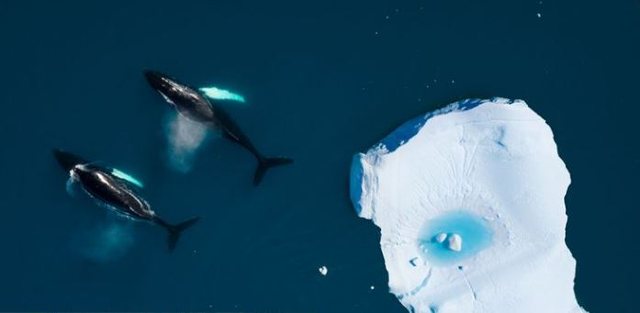
The eighth Copernicus State of the Ocean report, funded by the European Commission and produced by Mercator Ocean International, reveals unprecedented changes in the world's oceans due to global warming and greenhouse gas emissions.
Over 120 scientists from Europe and beyond have analysed data from satellites and marine measurements on temperature, currents, sea level, oxygen and marine organisms. The use of advanced computer simulations has helped to create models of the ocean in space and time.
The results show that the ocean is changing at an alarming rate, affecting weather patterns, ice melt and marine biodiversity. Experts say understanding these changes is essential to developing innovative solutions to protect the ocean and life on Earth.
In hot water
Ocean water temperatures are rising at a rapid pace, doubling since 2005. The ocean absorbs about 90% of excess heat from the greenhouse effect, and the warming is most pronounced in the Northern Hemisphere.
Marine heatwaves are also becoming more frequent and longer. In 1982, only half of the world's waters experienced a marine heatwave during the year, while in 2023 this figure increased to 80%. The average duration of these waves has doubled since the late 2000s.
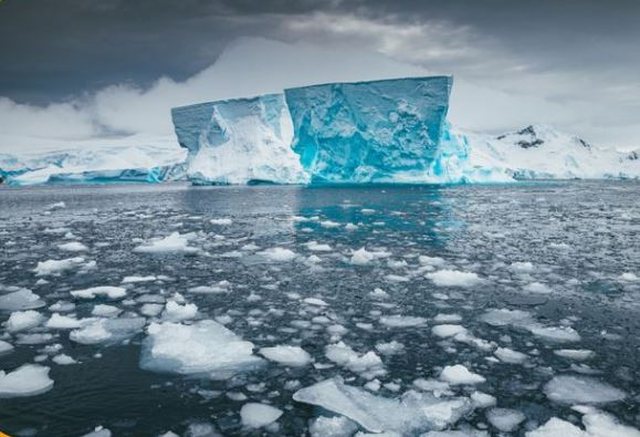
More marine heat waves
Marine heatwaves are becoming longer, more frequent and more intense, particularly in the Northeast Atlantic Ocean and surrounding seas.
In August 2022, waters near the Balearic Islands reached 29.2°C, the highest temperature in 40 years. In the Mallorca Channel, temperatures rose above 32°C, while the Gulf of Bothnia recorded an increase of 9.6°C above average. In the Iberian-Biscay-Ireland region, water temperatures reached temperatures up to 6°C higher than normal, with heat waves lasting an average of 145 days.
The warming has also reached deep into the ocean, up to 1,500 meters in the Mediterranean Sea. Meanwhile, the seabed to the northeast of the Barents Sea has entered a permanent state of heat.
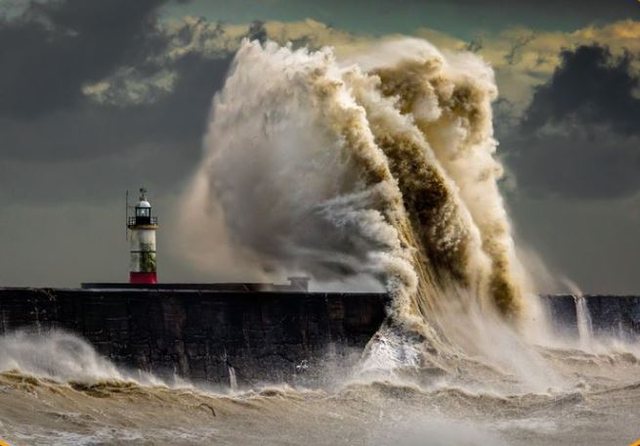
Holding up an icy mirror
Since 1979, the Arctic has lost an average of 4% of its sea ice cover each decade, losing an area of ??2.2 million km². This melting reduces the reflection of sunlight, absorbing more heat and accelerating ocean warming.
In Antarctica, sea ice fell to its lowest level on record in 2023, losing an area three times the size of France. These changes are causing continued sea level rise and intensifying extreme weather, including higher waves around the world.
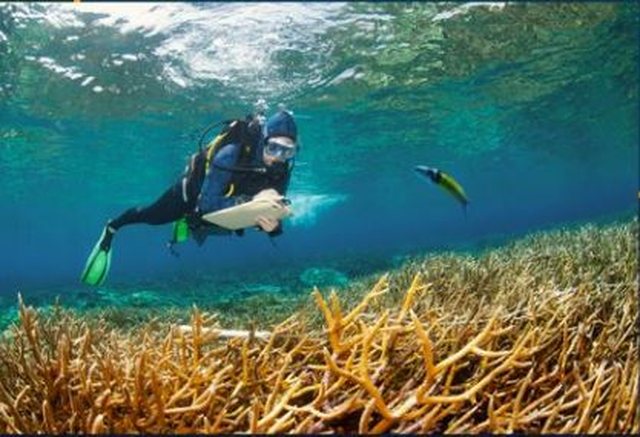
Scientists emphasize that accurate data is essential to understand these changes and take measures for a more sustainable future./ Taken from the BBC, translated by CNA.

The BBC article presents a guide to the best destinations ...
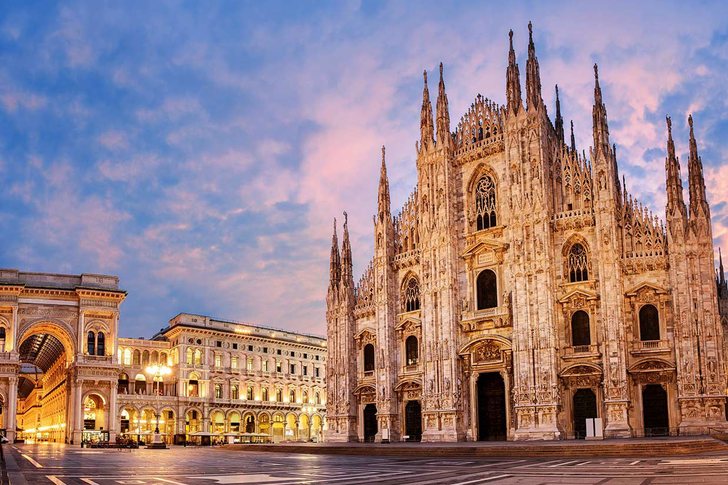
17 facts you might not know about Milan: 1. Milan, locate...
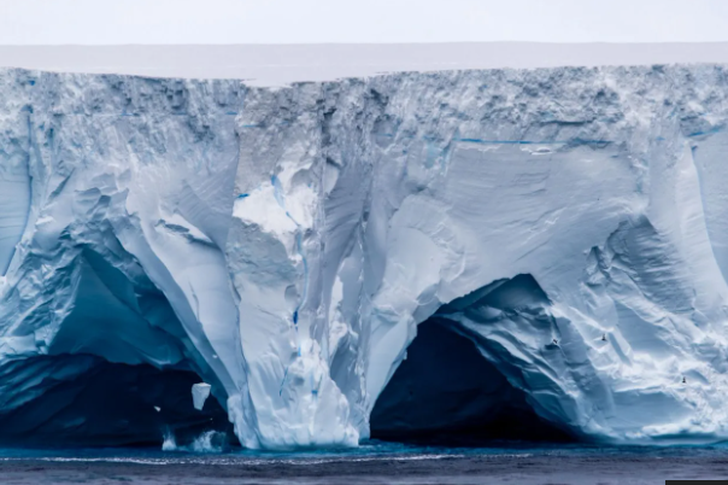
The world's largest iceberg, A23a, has begun sinking into ...

The Oscars are the oldest film awards ceremony in the worl...

Europe, the second smallest continent on Earth, is full of...

The 78th British Academy Film Awards, better known as the ...

Rings are one of the most favorite pieces of jewelry by al...

A new challenge has spread on TikTok and is considered one...
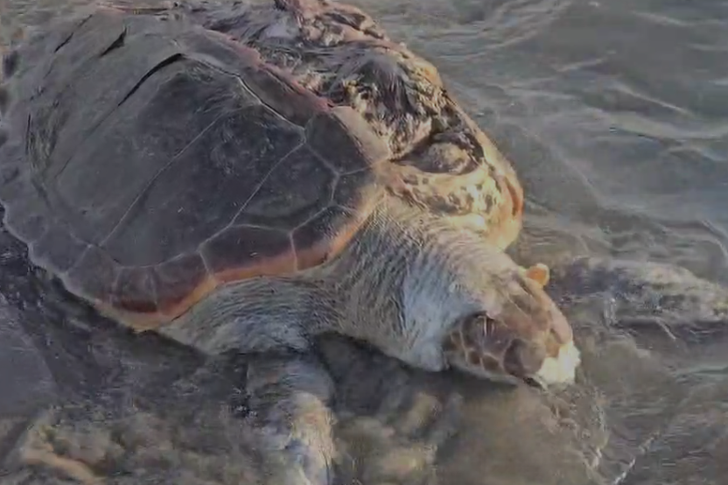
Një breshkë e rrallë deti është gjeëtur në Vlorë, në zonën...

Valentine's Day, marked on February 14, is a special day i...

Last week, the American company Boom Supersonic flew faste...
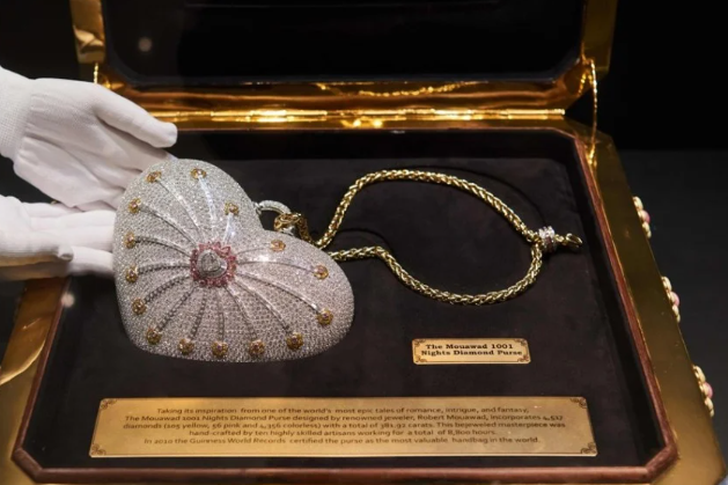
The Guinness Book of Records has named the "1001 Nights Di...

Telescopes around the world have observed a giant radio wa...
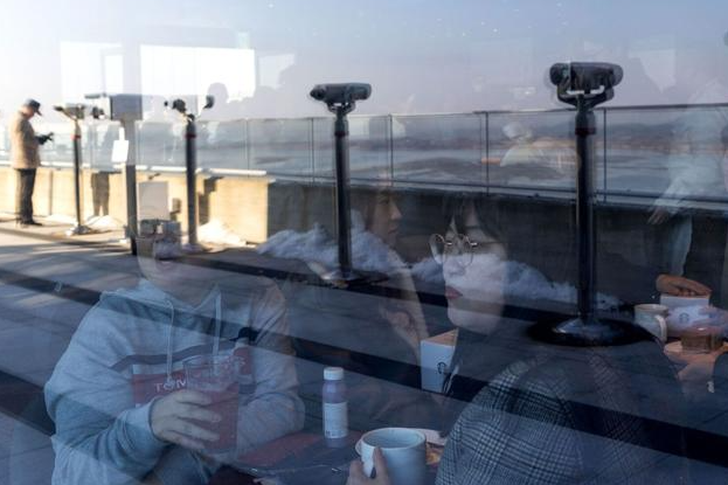
Coffee lovers around the world now have another opportunit...
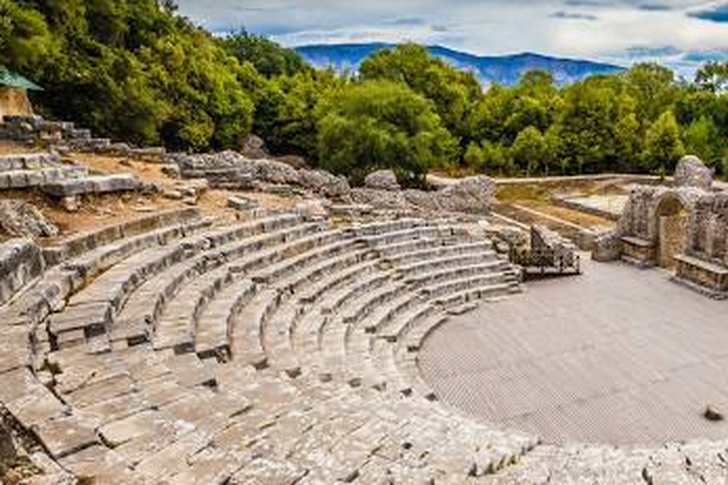
A special program is dedicated to Butrint on the BBC Trave...

A "very rare" piece of the 77-year-old cake served at the ...

Japanese toy manufacturer MegaHouse has unveiled a miniatu...
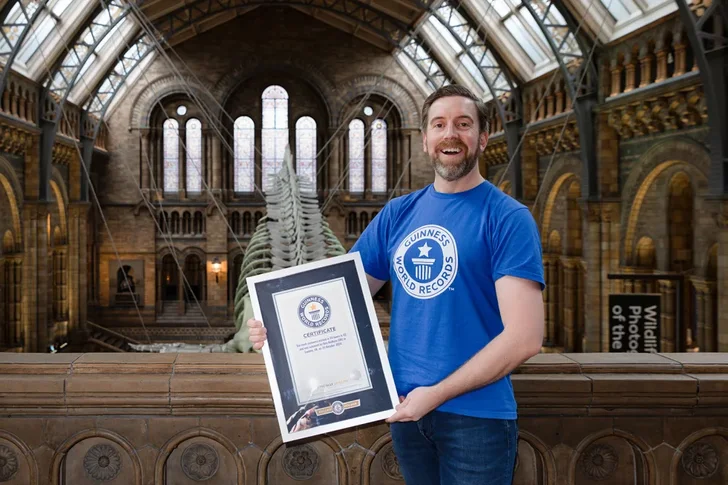
A Briton has entered the Guinness Book of Records after vi...

When Sam Panapoulos created what he and his brother called...
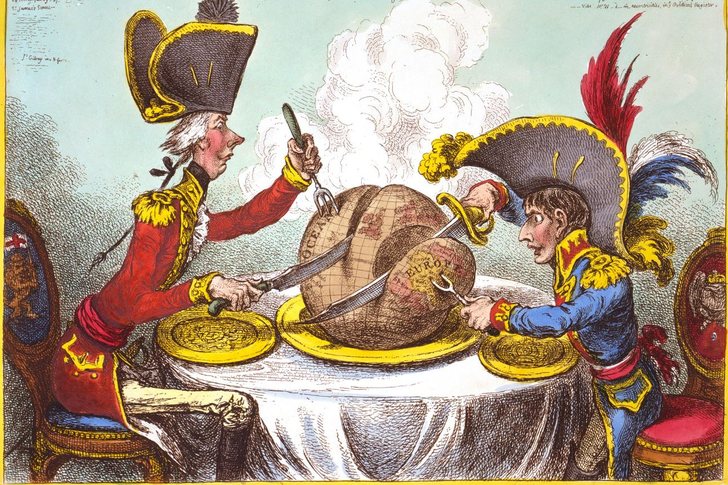
Caricature is a form of visual art that depicts figure...

CNA has launched another investigation that could lead to ...

Irfan Hysenbelliu is a businessman that we call "Irfan the...

In March 2026, CNA launched another investigation centered...
The arrested mayor of Tirana, Erion Veliaj, with 13 charge...

The Special Board of Appeal (KPA) decided this Monday ...

The KPA vetting decided this Thursday to dismiss the p...

Suela Salavaçi, a prosecutor in the Prosecutor's Offic...

The Special Board of Appeal reinstated the prosecutor ...

A road accident occurred this evening on Nikolla Zoraqi St...

Three people were shot and wounded in Elbasan last night b...

A serious incident occurred this Tuesday in the Yrshek are...

An accident occurred this Tuesday on "Dituria" street in K...
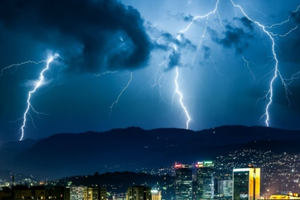
All of Southern Europe will face changing weather conditio...
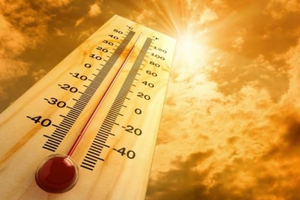
Albania was hit by temperatures significantly higher than ...

For the first time, Pogradec welcomed the Inter-Lake Chess...

Albania has achieved a record for the employment of foreig...

US Secretary of State Marco Rubio arrived in Manila on Jul...

In the space of a few days, Ukrainian President Volodymyr ...

The spokesman for the Iranian Foreign Ministry warned Bulg...

Autoritetet italiane sekuestruan pako me afër 800 kilogram...

At a time when industrial products are increasingly taking...

Trust among people is not just a three-syllable word. It c...

Master of humor Todi Llupi has passed away at the age of 7...

The ninth edition of "MIK Festival" kicked off with one of...

Construction company licenses will have a validity period ...
The Centralized Purchasing Operator recently opened a tend...

The new draft law "On the Bank of Albania" provides that t...

This Tuesday, one US dollar is bought for 81.2 lek and sol...