


Netanyahu to call for 'full occupation' of Gaza as ceasefire talks reach deadlock
Negotiations for a hostage deal and ceasefire in Gaza appe...


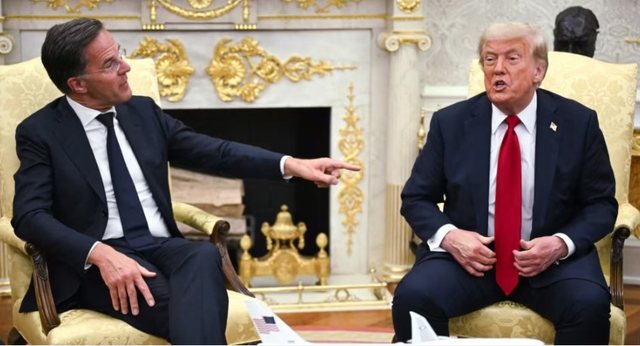
An agreement was reached in early July under which European NATO allies will buy American weapons, including Patriot missiles, for Ukraine. Although Germany recently announced that two Patriot systems will soon be sent to Kiev, there are still doubts whether this deal will give Ukraine what it needs in the coming months.
The agreement, announced by US President Donald Trump and NATO Secretary General Mark Rutte in Washington on July 14, is essentially a continuation of the modus operandi that Western allies have followed since Russia launched its full-scale invasion of Ukraine more than three years ago: the Europeans send Kiev military equipment they have available and then replace it with new – mostly American – weapons.
The big difference now is that the Europeans must significantly increase arms shipments to Ukraine, as the Trump administration has so far made no new promises. (Deliveries promised during the Biden administration, however, are still ongoing.)
To some extent, Europeans have increased production to fill the gap. The Kiel Institute, based in Germany, notes that for the first time since June 2022, Europe has surpassed the US in military aid to Ukraine, with 72 billion euros, compared to 65 billion euros from Washington.
The question for Ukraine and its allies is: how sustainable will this mechanism be? In the long run, Europeans will have to buy more weapons, having pledged to spend 5 percent of their Gross Domestic Product (GDP) on defense by 2034 at the NATO summit in The Hague in June.
Weapons for Ukraine will be a key part of this spending.
A diplomat from an EU country, speaking anonymously to Radio Free Europe, said the July agreement in Washington is the best way to keep "Americans engaged in Ukraine in particular and in Europe in general," as the United States will benefit from the expected increase in European defense spending.
And while Europe is keen to invest in its own defense sector, it will take time. European leaders have decided that, at least temporarily, it is better to buy from the US.
“It’s either this or we leave Ukraine without weapons,” a NATO official told REL, speaking on condition of anonymity because he is not authorized to speak publicly.
"I think there is a painful awareness on the European side that this has to happen one way or another," he added.
On July 21, the Contact Group on the Defense of Ukraine – an alliance of more than 50 states, including all NATO member states and several non-member partners – met online for the first time since the agreement was announced in Washington.
At this meeting, which was the main coordinator of Western arms deliveries to Kiev, up to seven countries expressed interest in purchasing American weapons for Ukraine. These included Canada, Belgium, Germany, the Netherlands and several Nordic countries.
The outcome of the Contact Group meeting, also known as the Ramstein group, was that Ukraine would prepare a “detailed wish list” of what it needs, with a particular emphasis on air defense and ammunition. NATO, in turn, would provide an estimate of the cost of this military equipment.
More clarity is expected when the Ramstein band meets again in the fall, perhaps for the first time in Ukraine.
The main question now is how quickly this military equipment can be delivered to Ukraine. European countries are expected to supply it with 2 million 155-millimeter artillery shells this year, and as Ukraine is starting domestic production with Western financial support, the shortage caused by the US export ban could be covered.
But for air defense, the situation is more complicated. And it is here that Ukraine still needs American weapons, especially Patriot surface-to-air missiles.
The European alternative to the American Patriot system, the Franco-Italian SAMP-T system, has been delivered to Kiev. Rome recently announced that the third battery will be delivered in the fall. But according to NATO diplomats, the production of the necessary interceptors and the entire configuration of the system takes longer than with the Patriots. Moreover, Kiev itself has questioned the impact of the European system.
When Trump and Rutte appeared before the media to announce the deal on July 14, the US president mentioned that 17 Patriot systems could be prepared to be purchased for Ukraine.
Last week, Germany announced that it would send two batteries to Ukraine soon, but it is not clear where the other systems will come from. Currently, six European countries – Germany, Greece, the Netherlands, Poland, Romania and Spain – operate Patriot systems, but these countries fear that sending them to Ukraine could leave their airspace unprotected.
Lockheed Martin and Raytheon, the two main manufacturers of Patriots, are increasing production to meet European demands, but Ukraine, which is under constant attack from Russia, is unlikely to feel the benefits of this increase anytime soon./ REL

Negotiations for a hostage deal and ceasefire in Gaza appe...

Romania's government announced today that it will use an E...
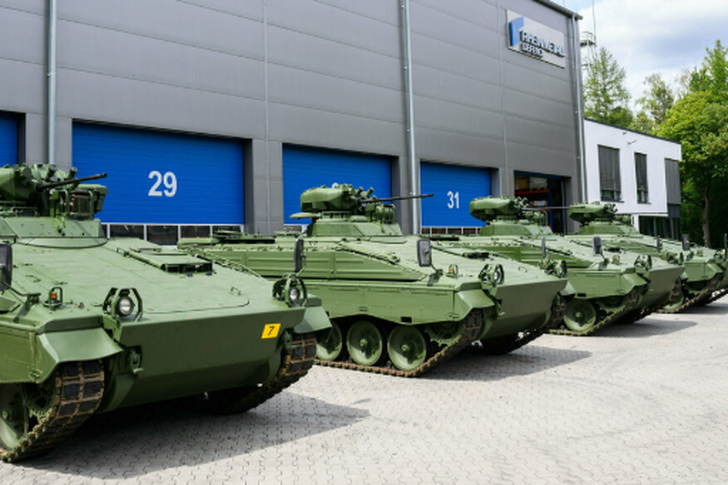
Germany's armed forces, the Bundeswehr, have placed an ord...
Albanian MP in the Serbian Parliament, Shaip Kamberi, the ...

Israeli Prime Minister Benjamin Netanyahu confirmed on Mon...
The US State Department has proposed a 12-month pilot prog...

Thousands of residents in Australia's southeastern state o...

US authorities said two people were killed and six others ...

Zjarrfikësit dhe banorët në Ponteceso, në provincën Coruna...
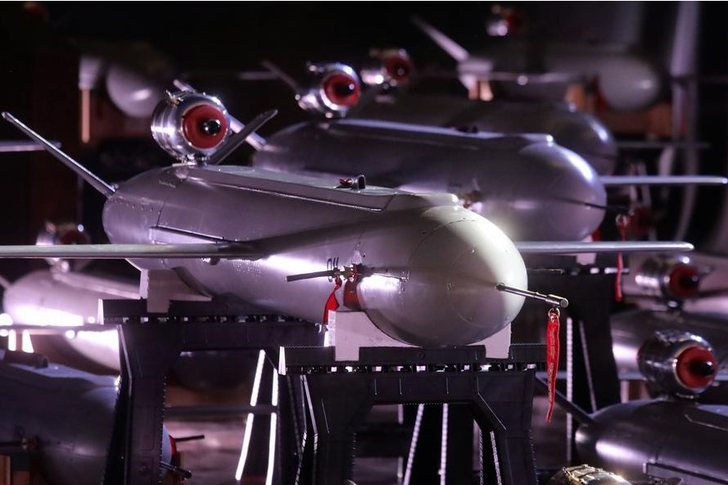
Në Ukrainë, hetuesit kanë zbuluar një skandal të ri korrup...
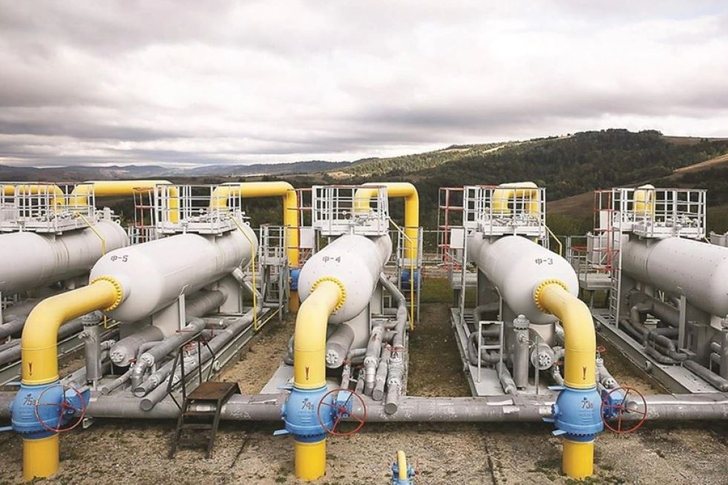
Azerbaijan has officially started exporting natural gas to...
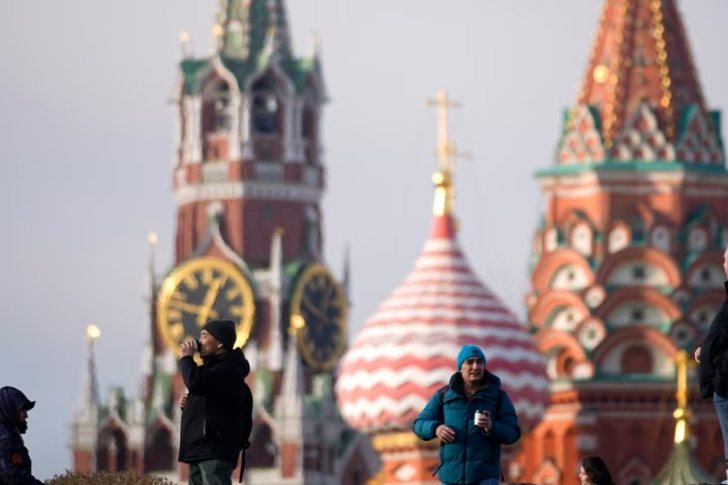
Russia called for caution after US President Donald Trump ...

Macedonian Prime Minister Hristijan Mickoski said he conde...
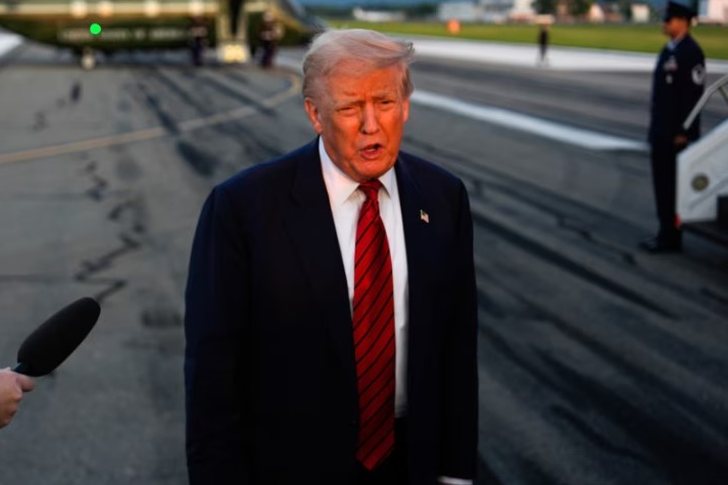
US President Donald Trump said his special envoy Steve Wit...
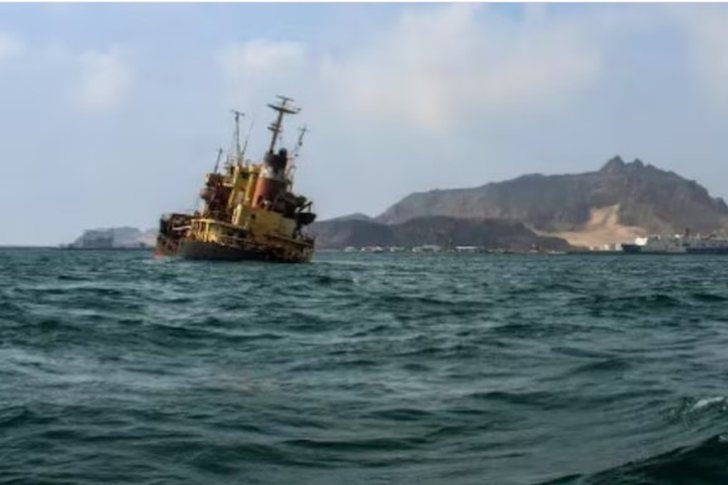
A ship has capsized off the coast of Yemen, leaving 68 Afr...
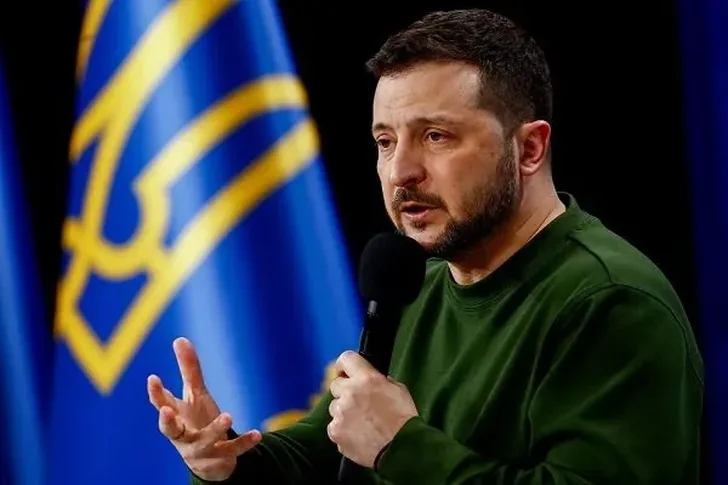
Ukrainian President Volodymyr Zelensky and Secretary of th...
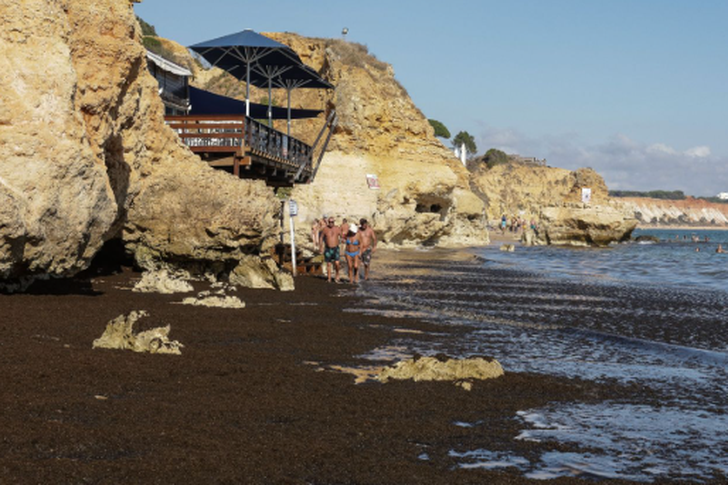
At least 116 people needed hospital treatment after visiti...
German Chancellor Friedrich Merz has stated that recent pr...

The Krasheninnikov volcano in Kamchatka, Russia, has begun...
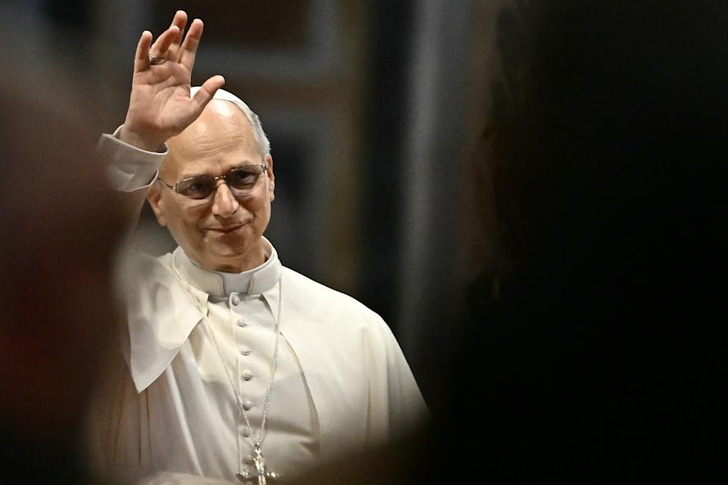
Pope Leo XIV called on the more than one million young Cat...

CNA has launched another investigation that could lead to ...

Irfan Hysenbelliu is a businessman that we call "Irfan the...

In March 2026, CNA launched another investigation centered...
The arrested mayor of Tirana, Erion Veliaj, with 13 charge...

The Special Board of Appeal (KPA) decided this Monday ...

The KPA vetting decided this Thursday to dismiss the p...

Suela Salavaçi, a prosecutor in the Prosecutor's Offic...

The Special Board of Appeal reinstated the prosecutor ...

Footage emerges from the serious accident that occurred th...

A Shkodra traffic police officer was hit with hard objects...
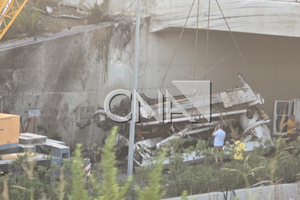
This Wednesday, around 4:00 PM, a serious accident occurre...

Tirana Police have shared details regarding the accident t...

A serious accident that occurred this Wednesday with the c...

The Institute of Geosciences has shared a forecast for wea...

Rising energy and fertilizer prices are expected to contin...

Over 18,000 foreign citizens from 140 countries have appli...

The trial of ousted Venezuelan President Nicolas Maduro on...

US President Donald Trump has issued another warning to Ir...

Prime Minister Andy Burnham has announced that most bus fa...

France's parliament has passed a law to ban social media f...

At a time when industrial products are increasingly taking...

Trust among people is not just a three-syllable word. It c...

Master of humor Todi Llupi has passed away at the age of 7...

The ninth edition of "MIK Festival" kicked off with one of...
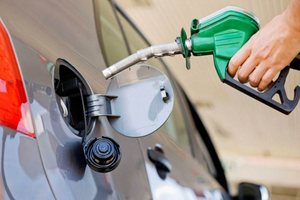
The price of diesel reached 206 lek per liter from 198 lek...

Businesses will no longer be required to simply register t...

Despite economic growth and income in recent years, Albani...

This Wednesday, one US dollar is bought for 81.4 lek and s...