


"A vehicle is not a weapon!"/ Lamallari warns drivers
The Minister of Interior, Besfort Lamallari, has reacted t...

The Minister of Interior, Besfort Lamallari, has reacted t...

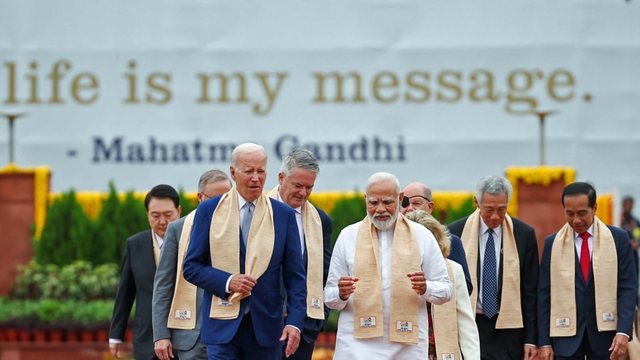
A corridor that will connect India and the Middle East to Europe is being considered as a modern version of an ancient ferry route that connected East and West and an alternative to China's One Belt One Road initiative. VOA reporter Anita Powell details how the United States and its allies are supporting this new rail and sea route.
The India-Middle East-Europe Economic Corridor, the result of the meeting of the world's most developed countries, known as the G-20, in India, will consist of a network of rail and sea lines from India to the Middle East, then through land towards the Mediterranean, through Greece to Europe.
President Joe Biden welcomed this agreement reached during the meeting in New Delhi.
"The corridor creates jobs, increases trade, strengthens supply chains and improves connections with each other. Lay the foundation that will strengthen trade and provide food for people in many states,” said President Biden.
The head of the European Commission, Ursula von der Leyen, agrees.
"The corridor is more than a railway or a cable. It's an environmental and digital bridge across continents and civilizations,” she says.
But will the corridor be enough to serve as an alternative to China's comprehensive One Belt One Road initiative, which is present in 150 countries?
"I do not consider it as direct global competition of the One Generation One Road initiative. This could be a way to give infrastructure to some states. But in reality, many of those countries already accept enough investment aid. Of course, Saudi Arabia, the United Arab Emirates, Israel do not need foreign capital. It's progress. But it could also be a political opportunity to bring Israel and Saudi Arabia closer together, becoming a very attractive long-term plan," says Mr. Zack Cooper from the American Enterprise Institute.
And although China is ahead – both in terms of time and funding – analyst Aparna Pande says this modest project nonetheless carries weight. And, she says, while it is not designed as a One Belt One Road initiative that has a multi-point hub, the corridor benefits more countries, albeit on a more modest scale.
"Should this have been done a decade earlier? Of course. Should we take this initiative now, since we are a decade late? I don't mind," says Ms. Pande from the Hudson Institute.
But the project – which gives states 60 days to develop and agree on an action plan – has already hit a snag.
At the meeting, the President of Turkey seemed to welcome the idea. But on the way to Ankara, he told reporters that the idea of ??avoiding Turkey "isn't going to work."
"Of course, Turkey wants to be part of the agreement. Relations between the United States and Turkey are currently quite strained, and Turkey does not have good relations with Saudi Arabia and Israel, nor with Greece. Turkey's inclusion in the deal is possible, but of course there are a number of countries that want to see Turkey change its approach if it becomes part of it," says analyst Cooper.
Mr. Biden calls it a "weighty agreement", but how quickly the agreement can become a reality remains to be seen./ VOA

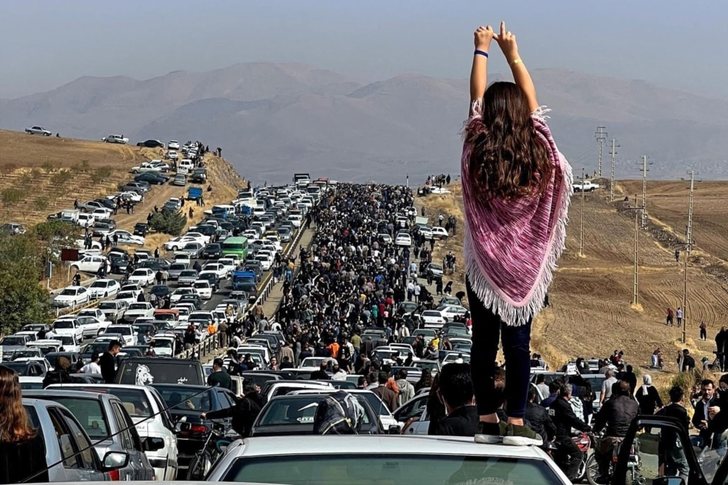
US lawmakers this week marked the one-year anniversary of ...

The Kosovo Police has asked for help in identifying a pers...
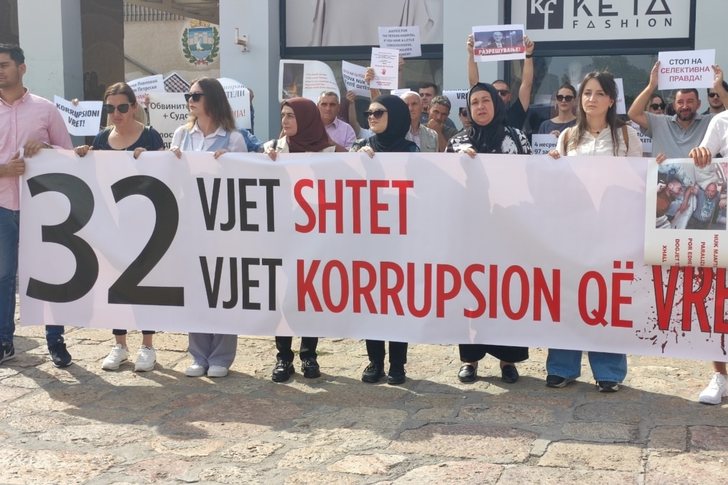
The relatives of the victims of the Tetova modular hospita...
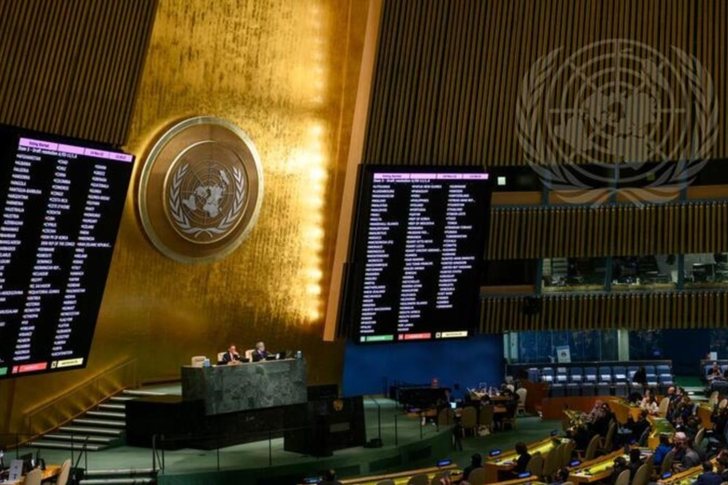
The war in Ukraine is expected to be the main topic for th...

The UK has officially designated the Russian mercenary gro...
A heroic man who managed to save his friend from a deadly ...
New concepts for submarines and unmanned underwater vehicl...

European regulators fined TikTok 345 million euros on Frid...
The relatives of the victims of the Tetova modular hospita...
Europol reports that 23 people have been arrested by the p...
The Central Bank of Russia has increased the interest ...
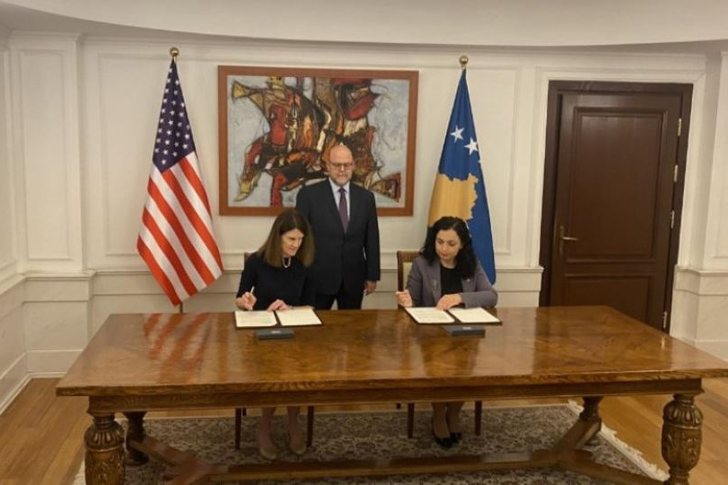
On Friday, Kosovo reached an agreement with the Americ...
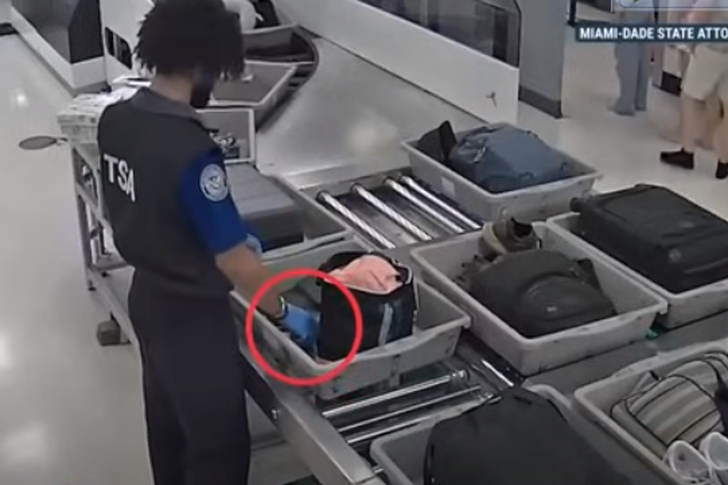
TSA agents at Miami International Airport in the US were c...
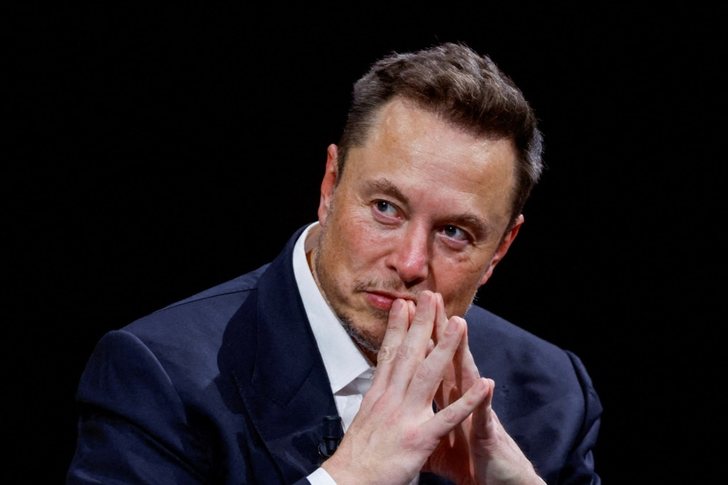
Taiwan has told US billionaire Elon Musk it is not "for sa...
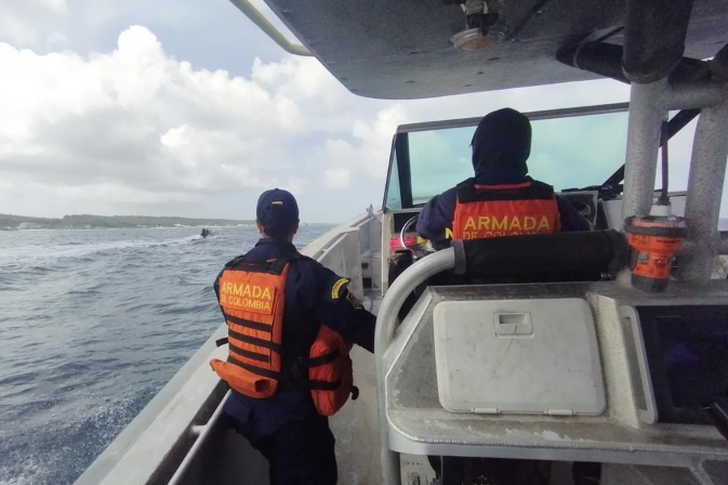
In a record-breaking operation, the Colombian Armed Fo...
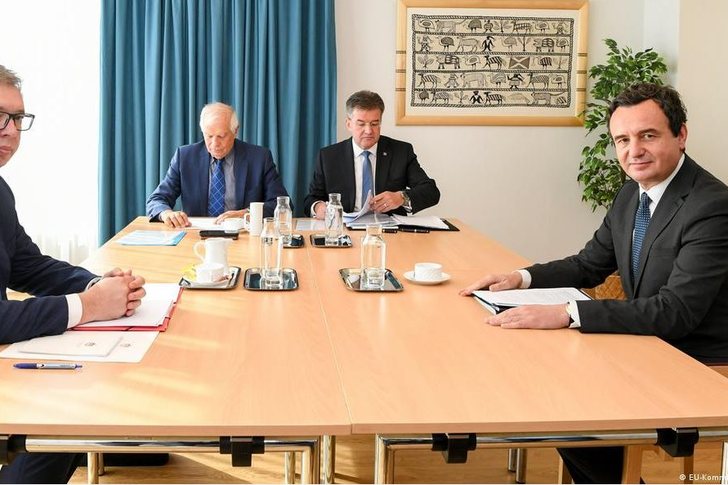
"Today it was not possible to overcome the differences", s...
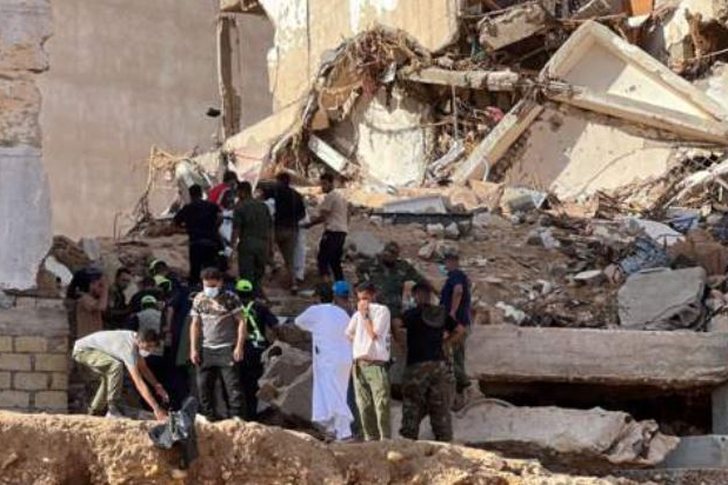
The number of victims from the floods in Libya has increas...
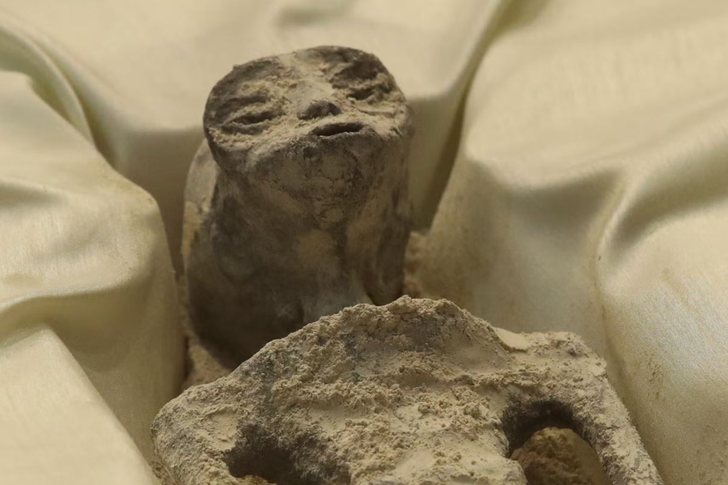
The fossilized bodies presented in glass cases by journali...
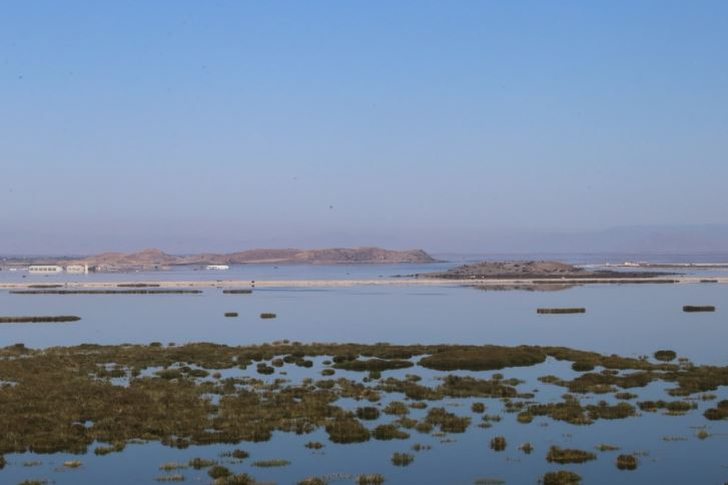
Fshatrat fqinjë Magnezi dhe Larisa po japin një sinjal par...
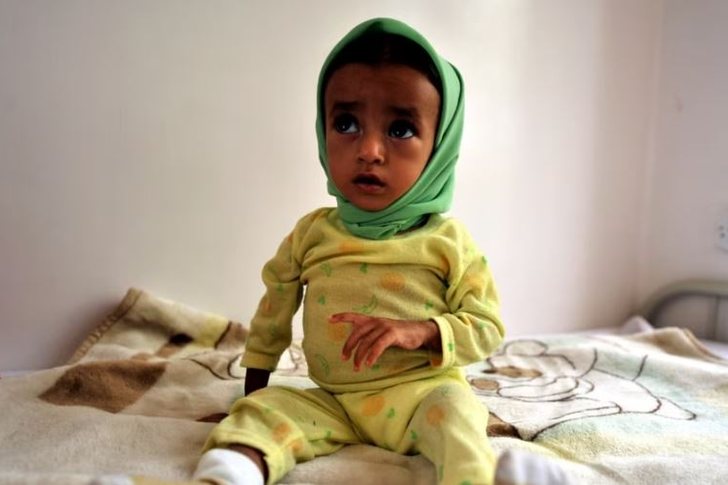
A global hunger crisis has left more than 700 million ...
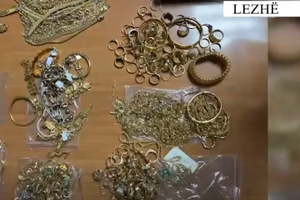
A 39-year-old citizen has been arrested in Lezha, after se...

CNA has launched another investigation that could lead to ...

Irfan Hysenbelliu is a businessman that we call "Irfan the...

In March 2026, CNA launched another investigation centered...

The Special Board of Appeal (KPA) decided this Monday ...

The KPA vetting decided this Thursday to dismiss the p...

Suela Salavaçi, a prosecutor in the Prosecutor's Offic...

The Special Board of Appeal reinstated the prosecutor ...
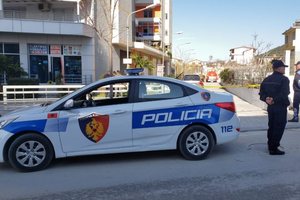
A serious incident occurred in Lushnje, where citizen IY, ...
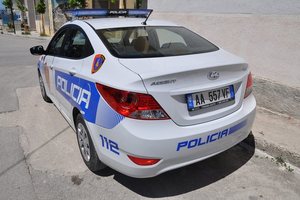
As a result of the investigative and procedural actions ca...
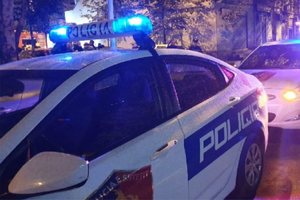
A conflict for weak motives was recorded today in the vill...
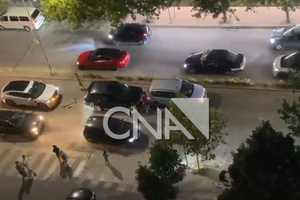
An accident involving three vehicles occurred a few minute...

Today, our country will be under the influence of stable a...

By noon, cloudiness is expected to prevail in almost all o...

Children without parental care, for whom alternative famil...
On Thursday, our country will be under the influence of st...
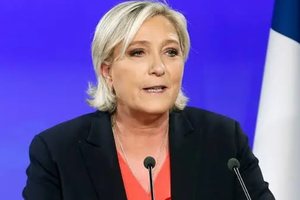
Marine Le Pen is entering the decisive phase of the presid...
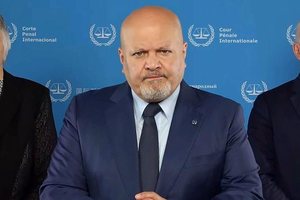
Member states of the International Criminal Court voted to...
From the declining role of exports to new public investmen...

South Korea is becoming one of the most sought-after desti...
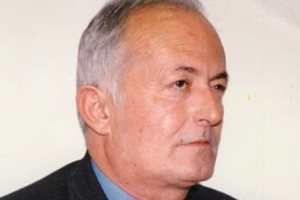
Two windows, a century of history and the metaphysics of p...
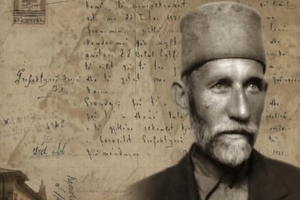
In my research at the Central State Archives, specifically...

At a time when industrial products are increasingly taking...

Trust among people is not just a three-syllable word. It c...
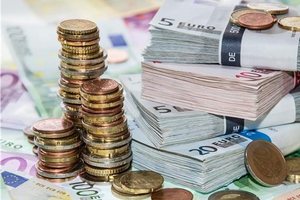
This Saturday, one US dollar is bought for 81.7 lek and so...
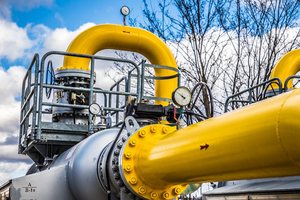
War, weather and supply disruptions could send gas prices ...
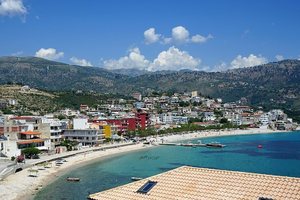
The number of active enterprises in Albania continued to g...
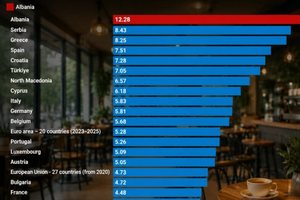
In Albania, the bar-cafe has long become an almost unique ...