

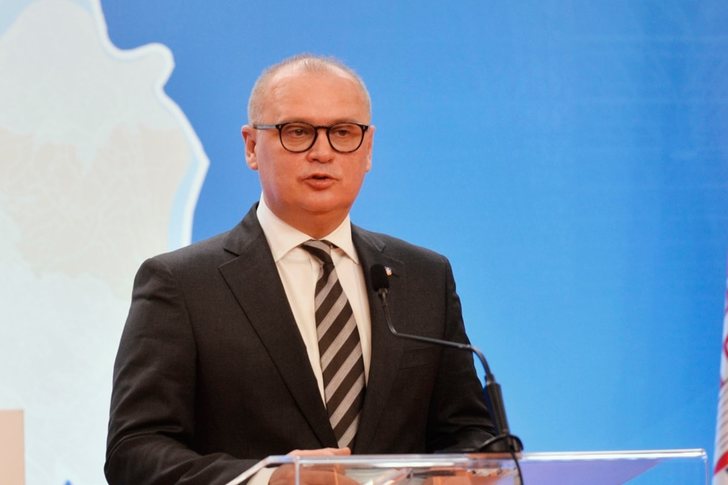
The Serbian Minister of Construction resigns after the incident in Novi Sad
Serbia's Minister of Construction, Transport and Infrastru...


Americans will elect a new President on Tuesday. The closer the voting time gets, the more anxiety grows on both sides, with polls predicting a tight race and very narrow margins between the candidates.
Precisely because of the expected close result, even the announcement of the winner may require days.
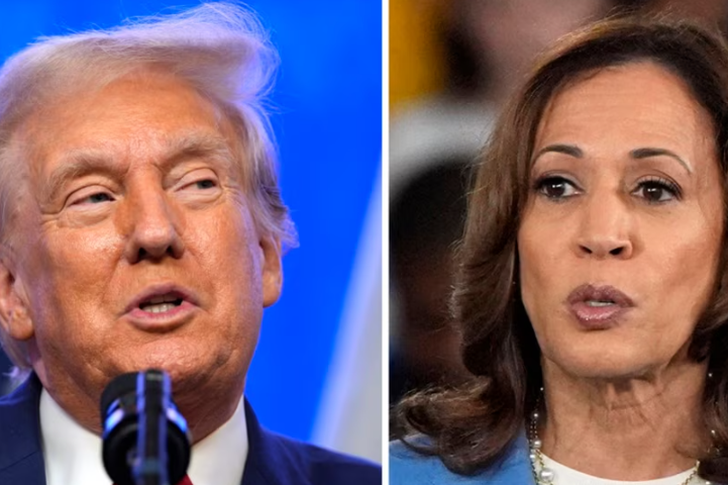
In the sixtieth presidential election, Americans must choose between the incumbent vice president, Democrat Kamala Harris, and the former president, Republican Donald Trump.
A day before the election, the dollar weakened on Monday as global markets hedged their bets on a victory for Republican candidate Donald Trump in the US presidential race.
The dollar fell 0.6 percent against a basket of major currencies, marking one of its biggest one-day declines since September. The euro was 0.6 percent higher against the US currency, trading at $1.09.
Markets reacted after a poll over the weekend showed a sudden surge in support for Democratic candidate Kamala Harris in Iowa, a state previously dominated by Trump, the Financial Times writes.
The poll, conducted by nonpartisan pollster J Ann Selzer, is considered the "gold standard" of opinion polls in the state.
Earlier, rising expectations of a Trump election victory on Tuesday, along with unexpectedly strong economic data, had driven the greenback to its biggest monthly gain since April 2022.
What the polls predict
According to the Financial Times, it will be narrow victories in several states where predictions are constantly changing that will determine whether Donald Trump or Kamala Harris wins the US presidential election on November 5.
The Financial Times has used the latest national and state polls to estimate the range of possible outcomes in each state.
The national average of polls shows that Kamala Harris has a slight lead over Donald Trump as Election Day approaches.
However, in US presidential elections, national polls are merely indicative because the overall winner is decided using the electoral college.
How the Electoral College works
Each state has a number of votes in the electoral college equal to the sum of its senators and representatives in Congress. The federal capital of Washington DC, which has no representatives or senators, has 3 more electoral college votes.
All but two states use a winner-take-all system, where whichever candidate wins the most votes in a state wins all of the electoral college votes in that state.
To win an outright majority in the electoral college, a candidate must reach 270 votes. In case of a 269-269 tie, the state delegations in the House of Representatives vote to decide the President.
When will we know the results?
While in some presidential contests the winner is announced late on election night, or early the next morning, this time, the tight race in many states may mean the media waits longer before predicting who won.
The Washington Post writes that it may take days to find out who won the presidency.
Election officials in states where the outcome is more uncertain are urging Americans to be patient as they count the results, a process that varies from state to state because each has different vote-counting laws. Polls show an extremely close presidential race, and the closer the results, the longer it will take to know the outcome.
The BBC writes that narrow victories could also mean recounts. For example, in the key state of Pennsylvania, a statewide recount may be required if there is a half-percentage difference between the votes cast for the winner and the loser. In 2020, the difference was just over 1.1 percentage points.
Legal challenges are also possible. More than 100 pre-election lawsuits have already been filed, including challenges to voter eligibility and voter registration management, by Republicans.
Other scenarios that could cause delays include any election-related disturbances, especially at polling stations./ Monitor Magazine

Serbia's Minister of Construction, Transport and Infrastru...
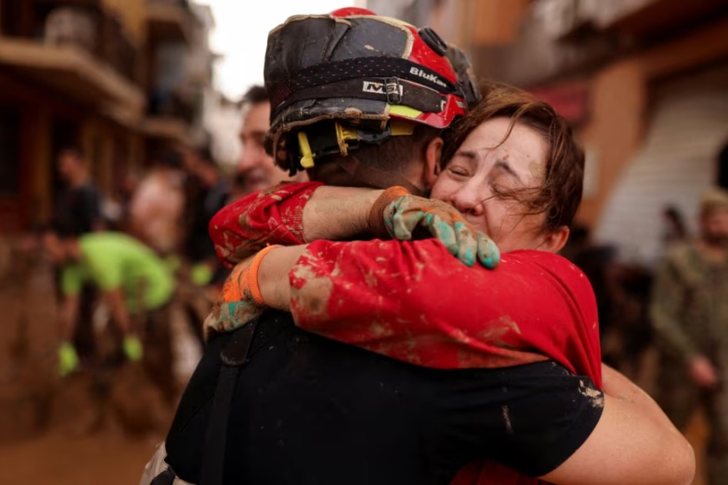
Some 7,500 military forces are being deployed to the regio...
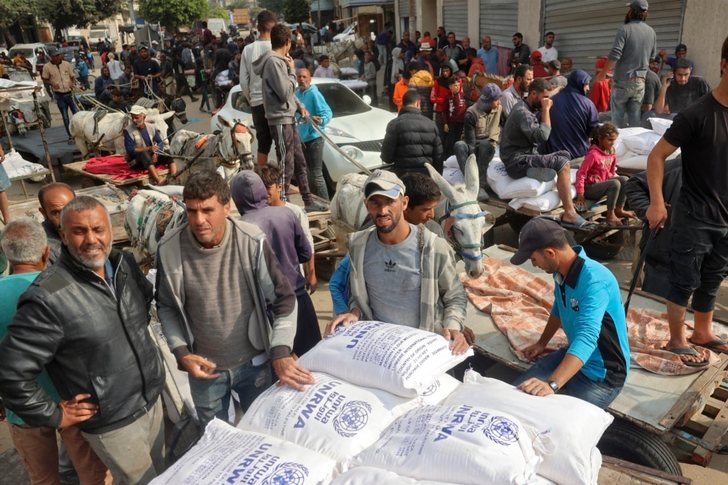
Israel's Foreign Ministry officially notified the United N...
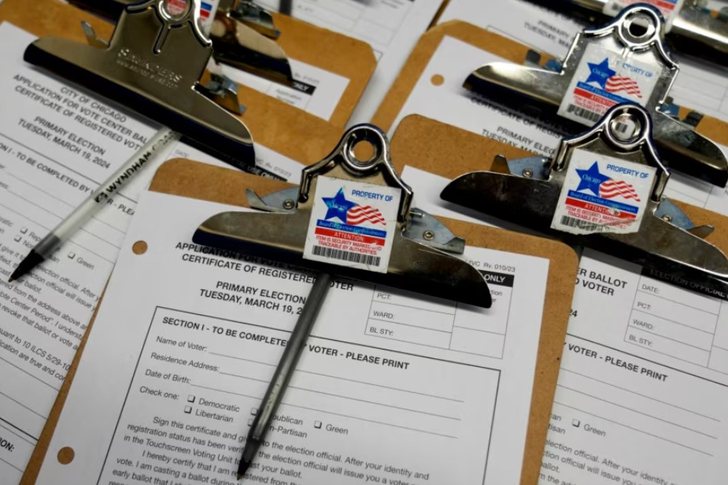
American farmers are facing economic hardship in this Whit...
The President of the United States, Joe Biden, on Monday c...
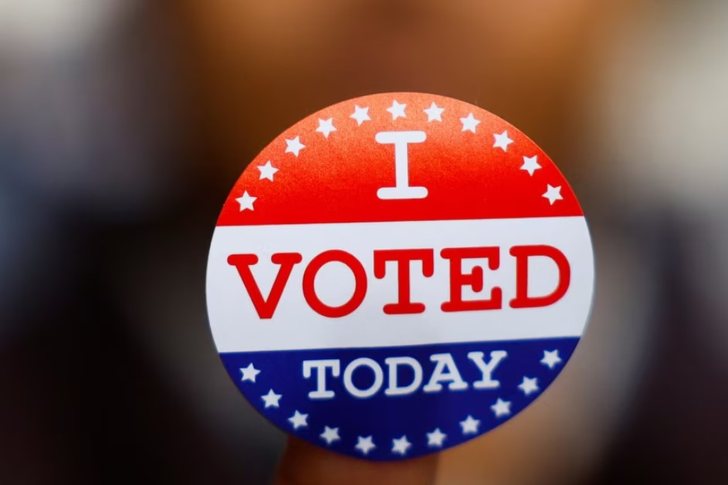
In the US presidential elections, special attention is pai...
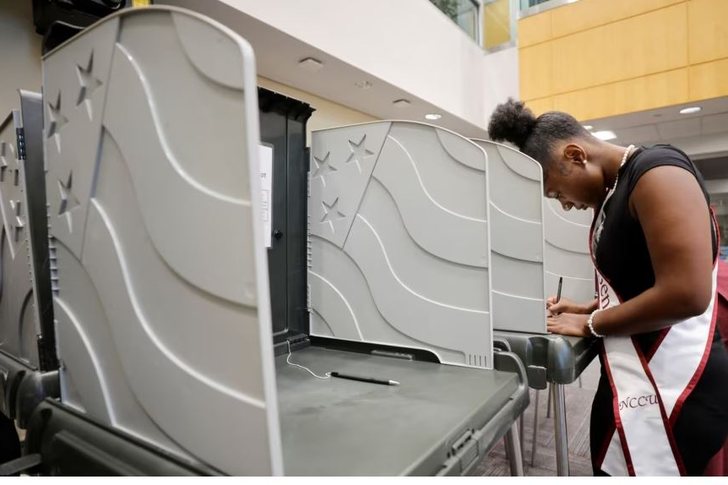
North Carolina is one of seven so-called swing states that...
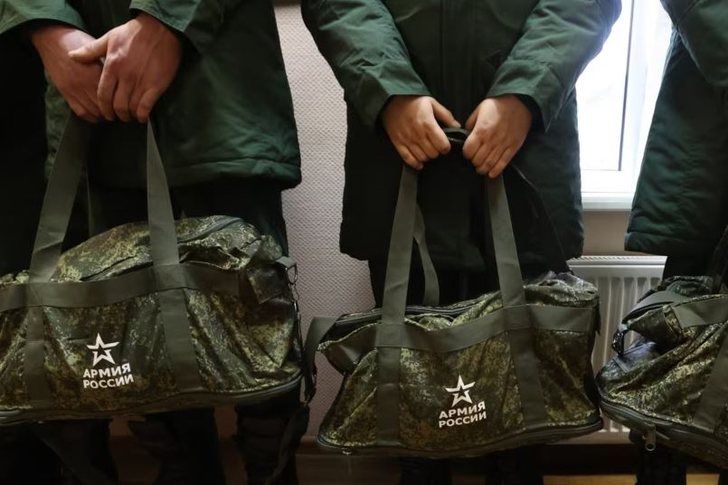
Russia has granted citizenship to 3,344 foreigners since t...
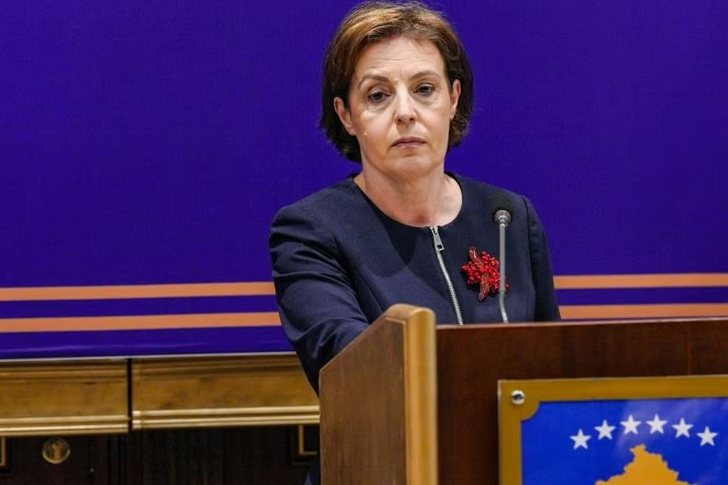
The Foreign Minister of Kosovo, Donika Gërvalla, said on M...
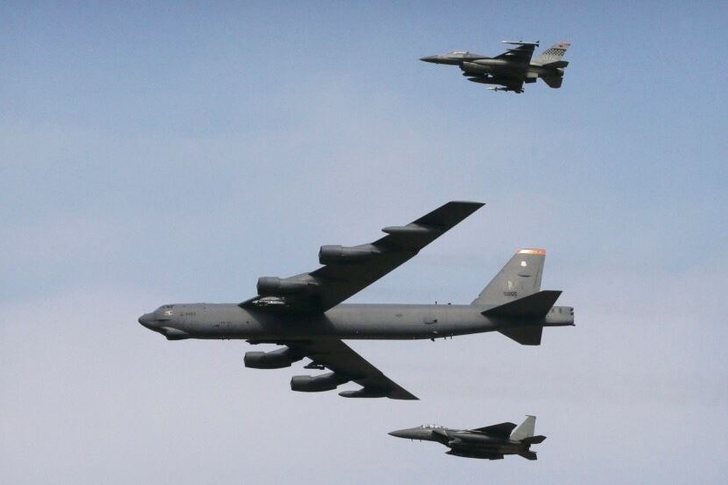
Iranian Foreign Ministry spokesman Emaeil Baghaei criticiz...
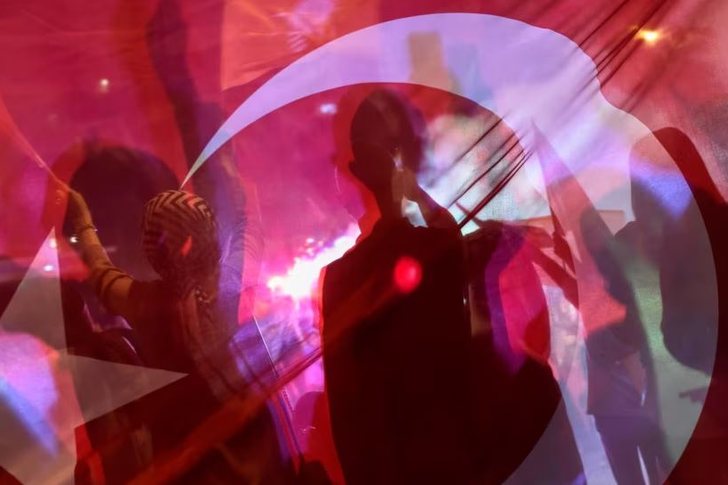
Turkey has sacked three mayors in the Kurdish-majority sou...

The November 5 presidential election in the United States is...
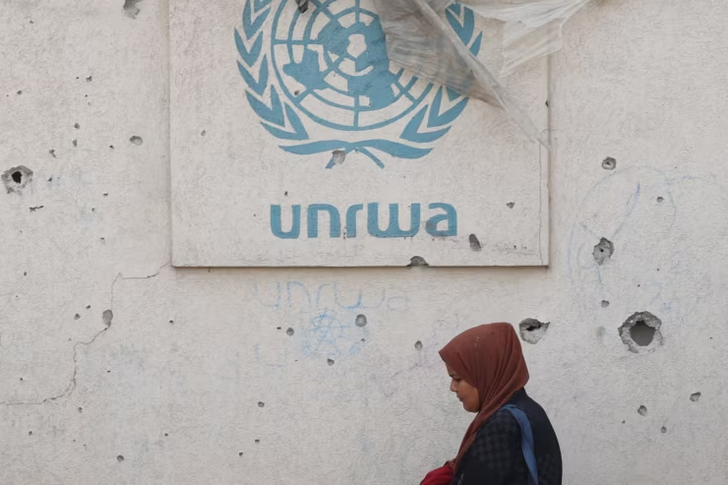
Israel said it formally notified the United Nations on Nov...
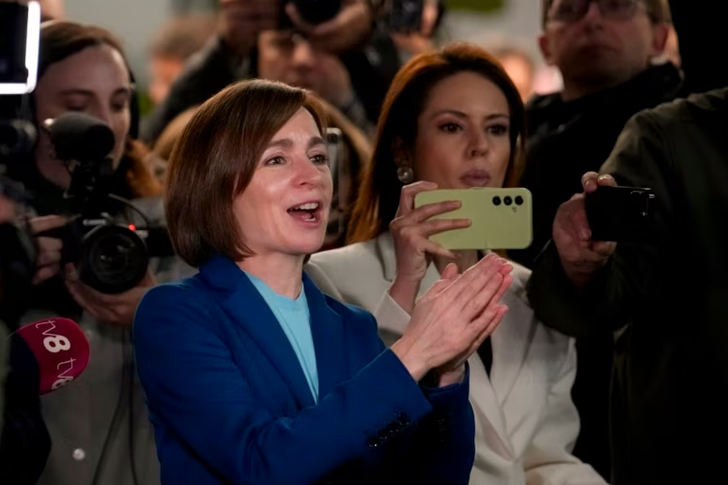
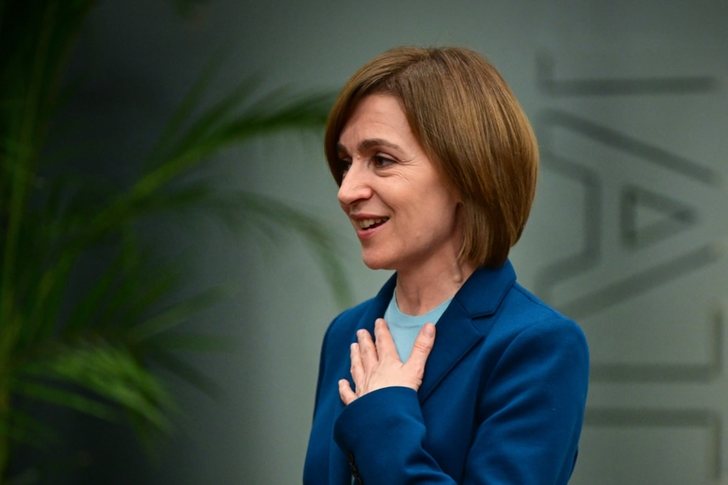
Moldova's pro-EU president, Maia Sandu, has declared victo...
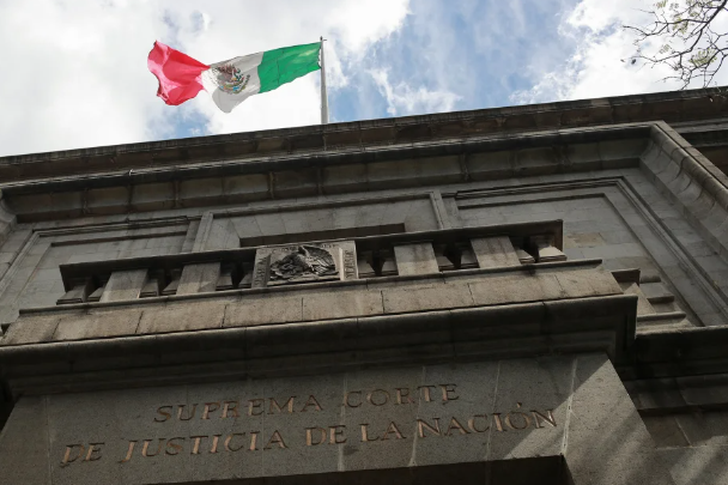
Eight of the 11 judges on Mexico's Supreme Court have resi...
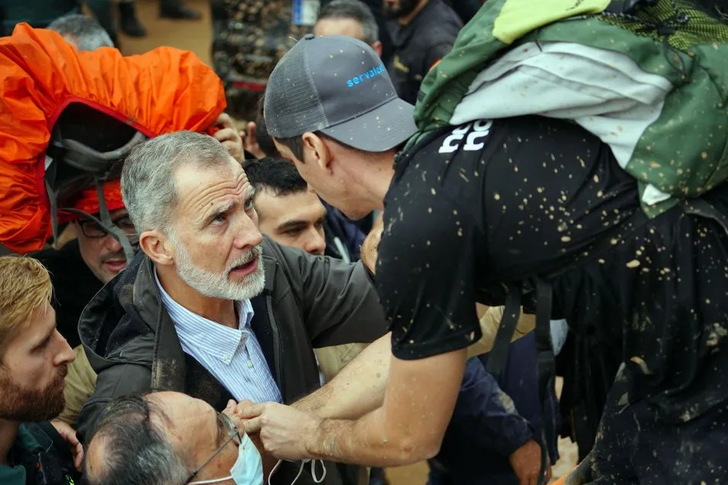
Spain's king and queen have been pelted with mud and other...
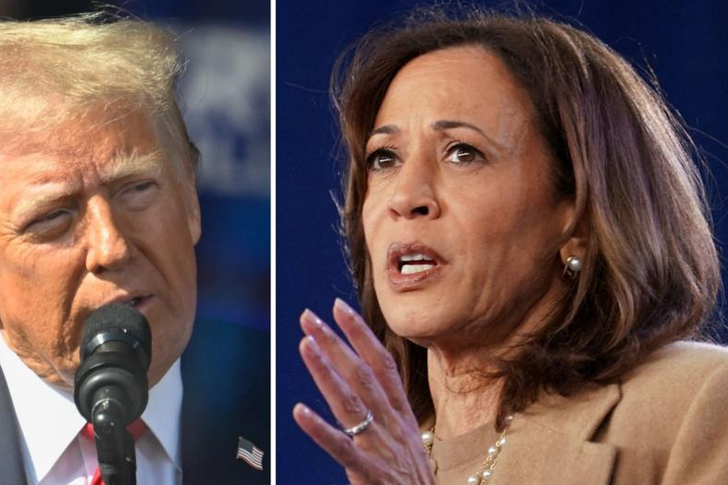
Donald Trump and Kamala Harris are giving their closing me...
In the last days of the election campaign, the Democratic ...
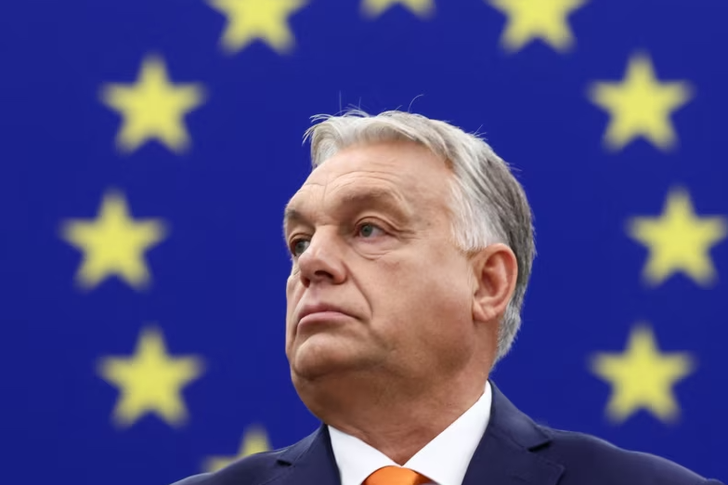
Europe should rethink support for Ukraine if Donald Trump ...
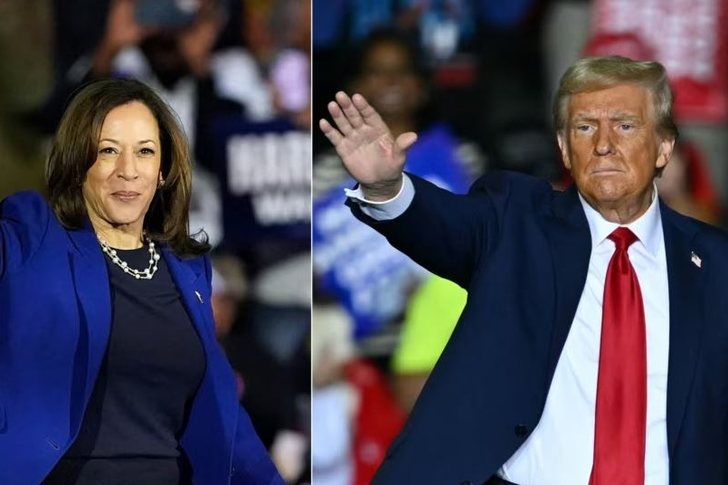
The US presidential candidates said that the fight against...

CNA has launched another investigation that could lead to ...

Irfan Hysenbelliu is a businessman that we call "Irfan the...

In March 2026, CNA launched another investigation centered...
The arrested mayor of Tirana, Erion Veliaj, with 13 charge...

The Special Board of Appeal (KPA) decided this Monday ...

The KPA vetting decided this Thursday to dismiss the p...

Suela Salavaçi, a prosecutor in the Prosecutor's Offic...

The Special Board of Appeal reinstated the prosecutor ...

Footage emerges from the serious accident that occurred th...

A Shkodra traffic police officer was hit with hard objects...

This Wednesday, around 4:00 PM, a serious accident occurre...

Tirana Police have shared details regarding the accident t...
A serious accident that occurred this Wednesday with the c...

The Institute of Geosciences has shared a forecast for wea...

Rising energy and fertilizer prices are expected to contin...
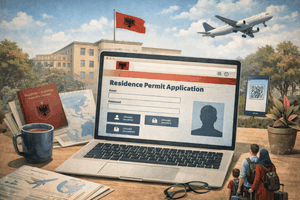
Over 18,000 foreign citizens from 140 countries have appli...
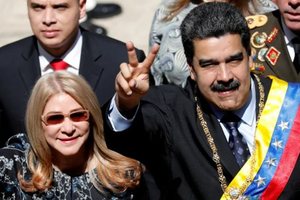
The trial of ousted Venezuelan President Nicolas Maduro on...
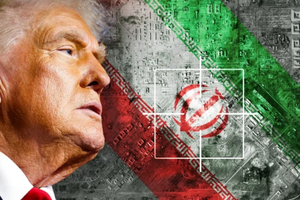
US President Donald Trump has issued another warning to Ir...
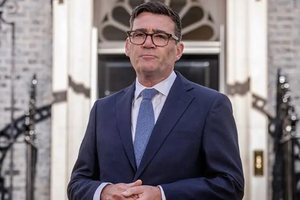
Prime Minister Andy Burnham has announced that most bus fa...

France's parliament has passed a law to ban social media f...

At a time when industrial products are increasingly taking...

Trust among people is not just a three-syllable word. It c...

Master of humor Todi Llupi has passed away at the age of 7...

The ninth edition of "MIK Festival" kicked off with one of...
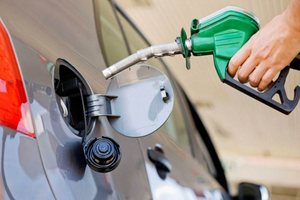
The price of diesel reached 206 lek per liter from 198 lek...

Businesses will no longer be required to simply register t...

Despite economic growth and income in recent years, Albani...

This Wednesday, one US dollar is bought for 81.4 lek and s...