

War in Ukraine/Russian economy under pressure
The Russian economy is faltering. Could further sanctions ...


After a relatively quiet summer, a series of anti-government protests have taken place in Bratislava and across Slovakia over the past two weeks. What has motivated protesters to take to the streets again?
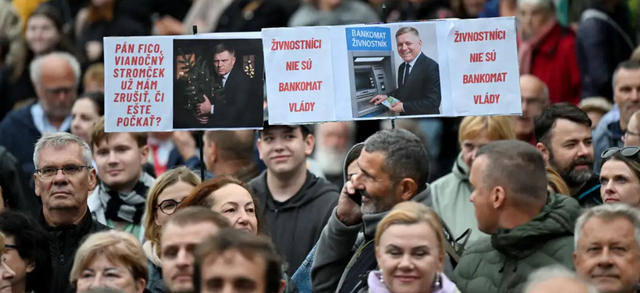
About 10,000 people gathered in Bratislava's Freedom Square this week to protest the policies of Prime Minister Robert Fico's government. Rallies were also held in several other cities across Slovakia.
The turnout was smaller than last week, when 16,000 people gathered in the capital. On that occasion, demonstrators also heard an announcement from four liberal opposition parties that they would reach a cooperation agreement.
The protests are a continuation of a series of demonstrations that began after Fico returned to the post of prime minister in late 2023. They are set to be added to the growing list of challenges - both domestic and international - facing the Slovak prime minister.
At the international level, attention continues to focus on Fico's close relations with Russia and China, which sparked the first protests.
The European front was further troubled by Fico's meeting with Russian President Vladimir Putin and Chinese President Xi Jinping in early September, as well as his refusal to halt Russian energy purchases, and his attempt to implement constitutional changes that would give Slovak law precedence over EU law.
All of this, along with authoritarian restrictions on the media and NGOs, reportedly convinced the Party of European Socialists (PES) to permanently expel Fico's party, known as the left-wing party, Smer, from its EU parliamentary group.
Michal Šemecka, leader of the liberal opposition party Progressive Slovakia (PS), told DW that the move, which the PES is expected to confirm in mid-October, "would be a significant blow to Robert Fico's reputation."
However, analysts say Slovakia's deep political polarization means that international affairs currently have little impact on the country. Radoslav Štefan?ík of the University of Economics in Bratislava tells DW that the PES move "won't even be noticed by Smer voters."
Domestic issues are clearly the main battleground in Slovakia. Recent opposition demonstrations, organized under the slogan "Protest against impoverishment!", have taken direct aim at Fico's economic policies.
They are a response to the consolidation package announced by the government, the third set of austerity measures since it took power.
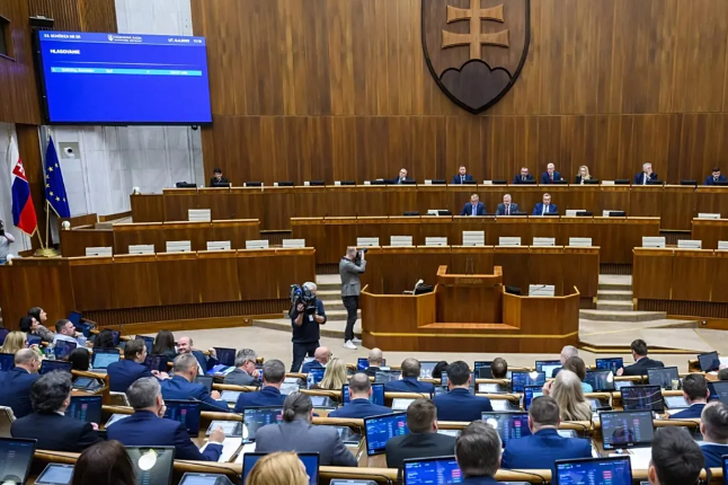
The package, approved by the Slovak parliament on Wednesday evening (September 24, 2025), is an attempt to curb the country's economic crisis, which is being further worsened by US tariffs on the automotive industry, a key industry in the country.
It aims to reduce the budget deficit by 2.7 billion euros by 2026. While no one disputes the need for the measures, the emphasis on increasing taxes and social security, cutting public sector wages and jobs, and cutting social welfare is causing discontent.
Critics argue that the package will hit ordinary citizens hard, while sparing oligarchs linked to Smer. Business groups complain that it will weaken competitiveness. The Slovak government's press office did not respond to DW's request for comment.
Some believe that widespread anger over the economic consolidation plan could revive the instability that has dogged the tripartite ruling coalition since it came to power nearly two years ago.
After temporarily losing his parliamentary majority earlier this year as rebel lawmakers sought to implement their demands, Fico has regained their loyalty in ministerial posts and his government now commands 79 of the 150 seats in Parliament.
Adrius Tursa of London-based consulting firm Teneo Intelligence said he expects the parliamentary debate on the economic package to "test Fico's fragile parliamentary majority."
The opposition wants to use the current situation to help bring down the ruling coalition. But this will not be easy.
Although, as the SP leader says, "representatives of each party are now publicly discussing a consolidation package," Fico's smaller coalition partners - the center-left Hlas party and the radical-right Slovak National Party - are taking no chances, aware that their support has been declining since the last elections.
None of them "want a repeat of the situation from 2020-2023, when they were in opposition," adds Radoslav Štefan?ik.
At the same time, voters have not forgotten those three years when a conflicting coalition, made up of liberal parties, caused chaos.
When asked how he could convince the country's citizens that the newly announced agreement for cooperation between the three parties would be different, Šime?ka stressed that members of his Progressive Slovakia (PS) party are "visiting the regions ... and talking to disappointed people who voted for Fico's coalition."
However, analysts believe that these voters - mainly from poorer backgrounds - will be the ones who will feel the economic consequences of the package the most and that, instead of liberals, they will be more likely to vote for parties such as the far-right Republica party.
Some in the liberal opposition are trying to exploit Fico's pro-Russian orientation to draw a parallel between the controversy over the package of measures to consolidate the economy and the 1989 "Revolution." Perhaps the most controversial part of the package is the proposal to abolish two official holidays, including November 17 - the Day of the Uprising that marked the beginning of the fall of the communist regime in Czechoslovakia. Some opposition parties have called for a general strike on that day, as happened 36 years ago.
But others in the opposition fear this could be an embarrassing and extremely costly disappointment. Shimecka stresses that his SP party will remain cautious, insisting that it is "ready to challenge Fico to a duel in the next elections, in two years or tomorrow."
But observers estimate that elections will most likely not take place until 2027. The Slovak prime minister was forced from power once - in 2018 - after the murder of journalist Jan Kucijak, who was investigating corruption and possible links between Slovak authorities and the mafia.
This was a near political disaster for Fico, as he faced indictments and an investigation. "This time he will not leave without a big fight," Matishak concludes./ DW

The Russian economy is faltering. Could further sanctions ...
Ministri i Jashtëm i Rusisë, Sergei Lavrov, tha se vendi i...
Policia e Kosovës tha se në podrumin e një ndërtese në Mit...
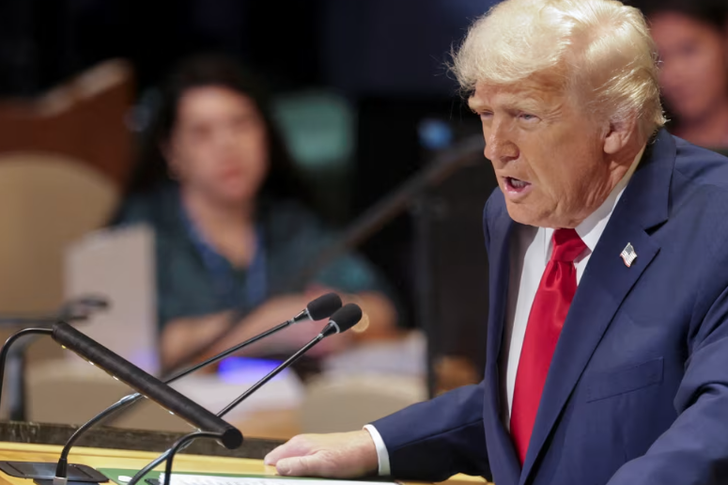
President Donald Trump has ordered the deployment of US tr...
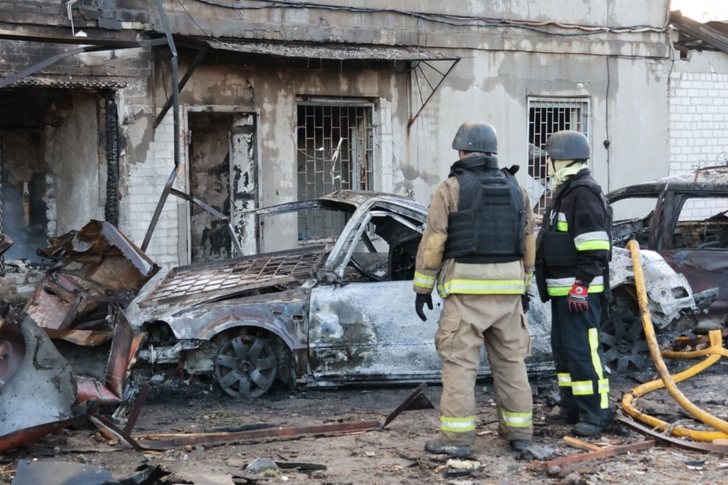
Russian forces have carried out airstrikes targeting sever...
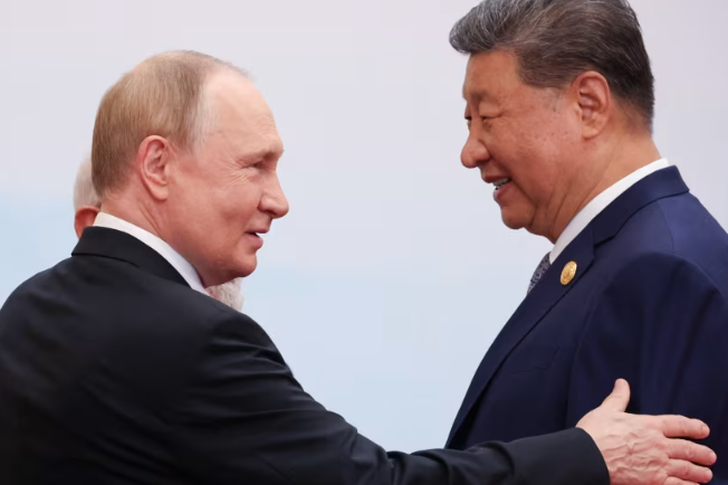
Russia has agreed to help China equip and train an airborn...
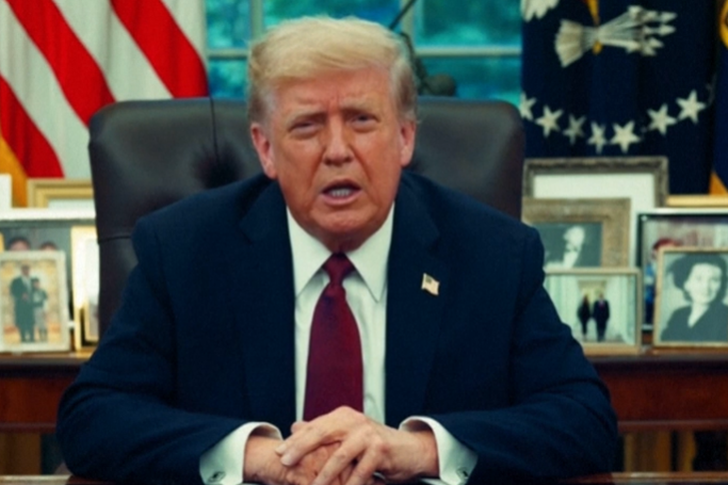
A coalition of conservative energy and environmental group...
The US State Department said yesterday that it will revoke...
The new amendment makes it almost impossible for anyone ot...
The UN Security Council has rejected a resolution submitte...
German Chancellor Friedrich Merz warned on Friday that Ger...
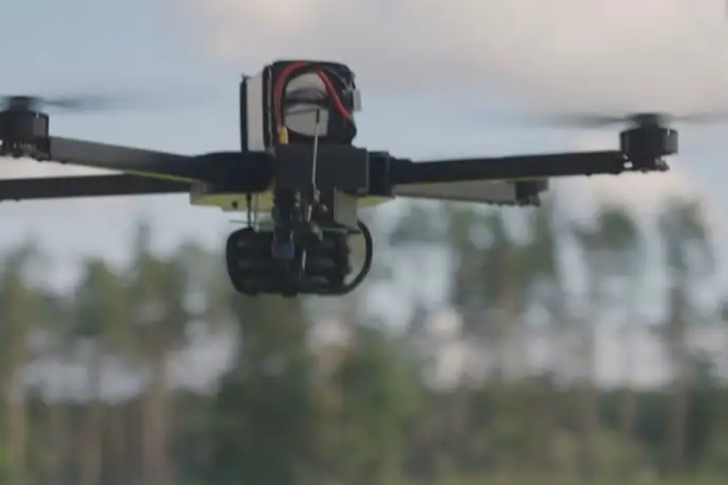
Recent drone incidents in Denmark, Romania and Poland have...
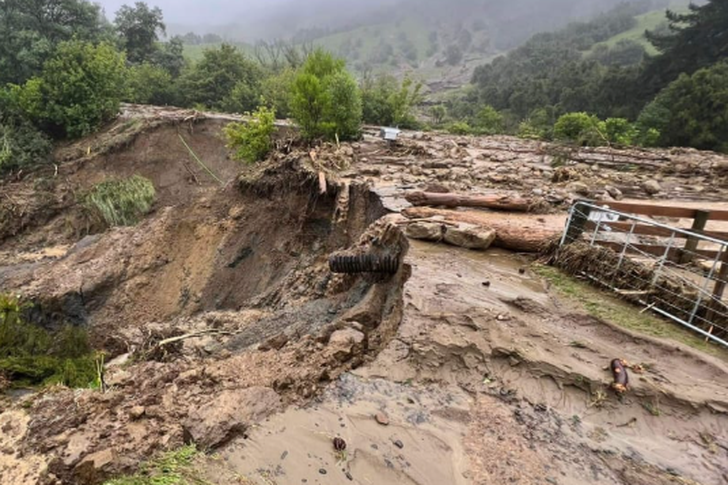
Cyclone Gabrielle hit Portugal's Azores islands, reaching ...
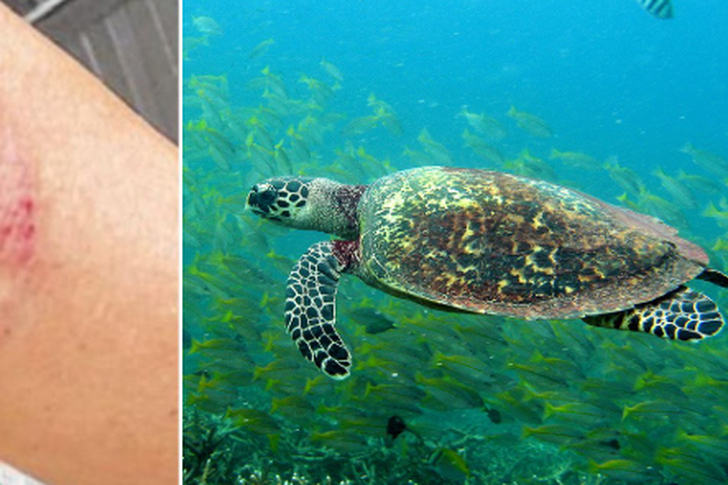
Marine biologists are attributing an increase in sea turtl...
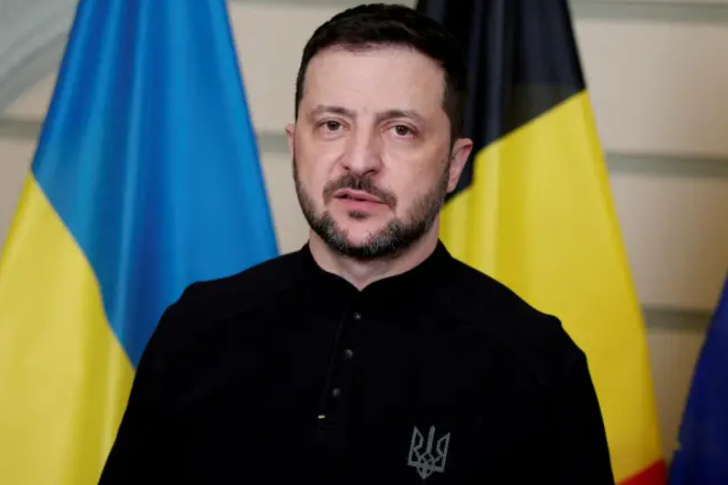
Ukrainian President Volodymyr Zelensky has hinted that he ...
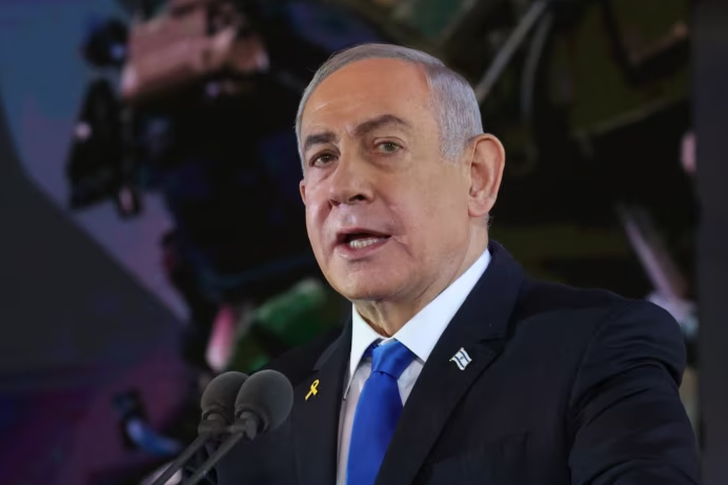
Israeli Prime Minister Benjamin Netanyahu delivered his sp...
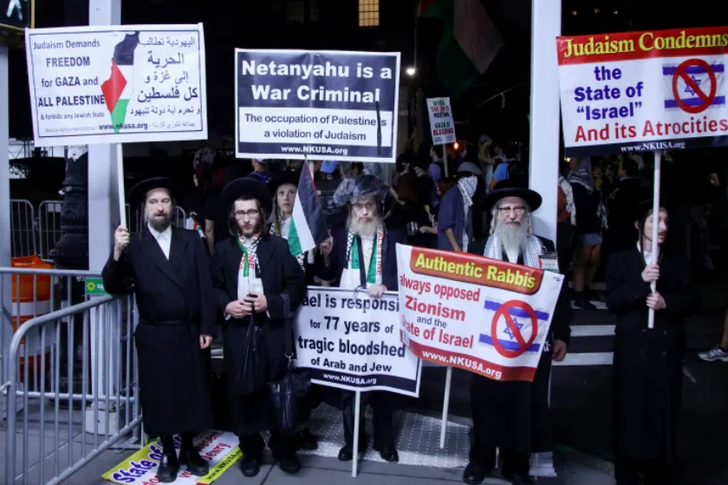
Pro-Palestinian activists, including members of the Jewish...
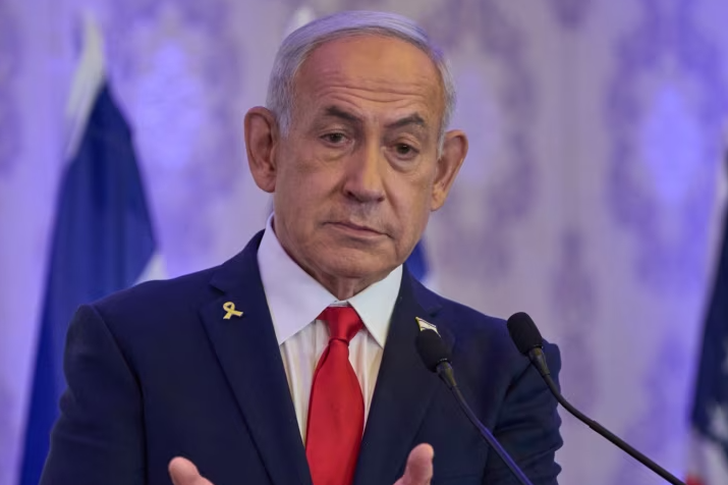
Israeli President Benjamin Netanyahu will speak at the Uni...
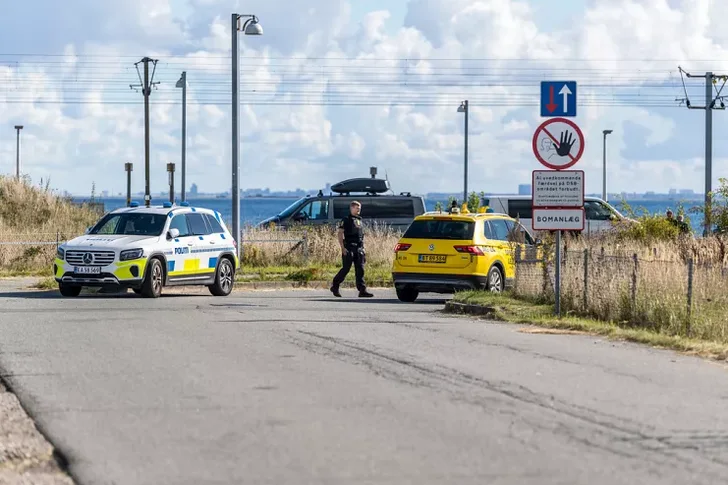
Suspected drone activity disrupted Denmark’s Aalborg airpo...
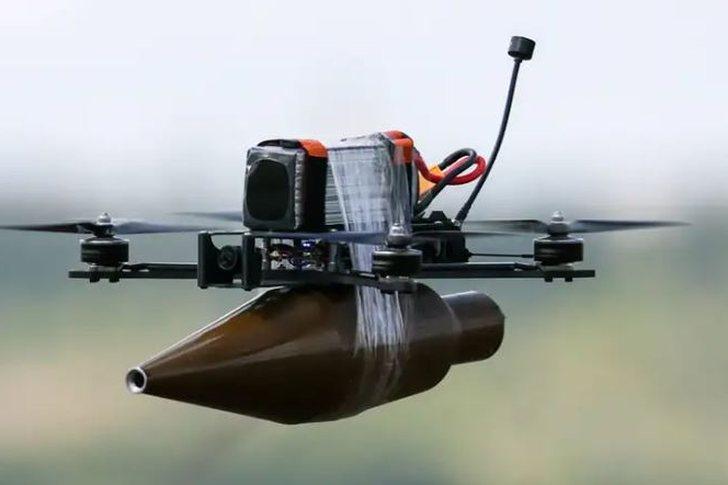
Kosovo Police Director Gazmend Hoxha said that it is suspe...

CNA has launched another investigation that could lead to ...

Irfan Hysenbelliu is a businessman that we call "Irfan the...

In March 2026, CNA launched another investigation centered...
The arrested mayor of Tirana, Erion Veliaj, with 13 charge...

The Special Board of Appeal (KPA) decided this Monday ...

The KPA vetting decided this Thursday to dismiss the p...

Suela Salavaçi, a prosecutor in the Prosecutor's Offic...

The Special Board of Appeal reinstated the prosecutor ...
Footage emerges from the serious accident that occurred th...
A Shkodra traffic police officer was hit with hard objects...
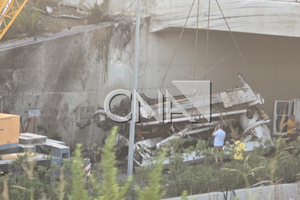
This Wednesday, around 4:00 PM, a serious accident occurre...
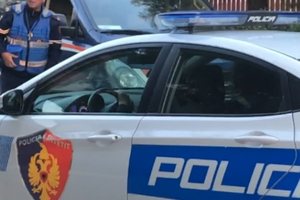
Tirana Police have shared details regarding the accident t...
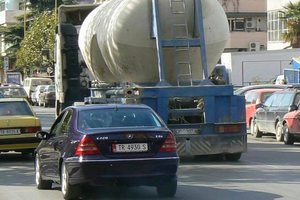
A serious accident that occurred this Wednesday with the c...

The Institute of Geosciences has shared a forecast for wea...
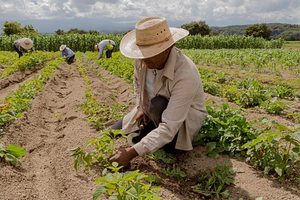
Rising energy and fertilizer prices are expected to contin...

Over 18,000 foreign citizens from 140 countries have appli...
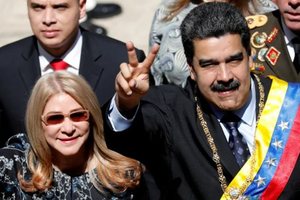
The trial of ousted Venezuelan President Nicolas Maduro on...
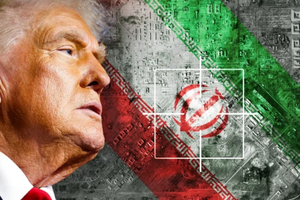
US President Donald Trump has issued another warning to Ir...
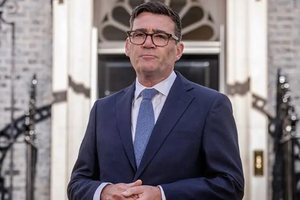
Prime Minister Andy Burnham has announced that most bus fa...
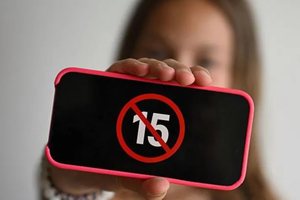
France's parliament has passed a law to ban social media f...

At a time when industrial products are increasingly taking...

Trust among people is not just a three-syllable word. It c...

Master of humor Todi Llupi has passed away at the age of 7...

The ninth edition of "MIK Festival" kicked off with one of...
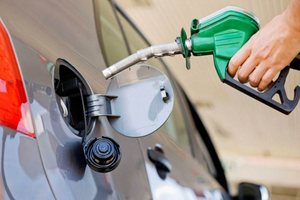
The price of diesel reached 206 lek per liter from 198 lek...

Businesses will no longer be required to simply register t...

Despite economic growth and income in recent years, Albani...

This Wednesday, one US dollar is bought for 81.4 lek and s...