

Lavrov: Rusia nuk ka ndërmend të sulmojë shtetet e BE-së ose NATO-s
Ministri i Jashtëm i Rusisë, Sergei Lavrov, tha se vendi i...


The Russian economy is faltering. Could further sanctions force President Putin to the negotiating table?
Russian President Vladimir Putin and policymakers in the Kremlin are feeling the pressure of the war in Ukraine. To curb a growing budget deficit, Moscow plans to raise taxes and cut spending. The draft budget for 2026 is scheduled to be presented to parliament on Monday (29.09). Only minor changes are expected after that, as Putin will have approved the most important points by then.
Contrary to Putin's previous promise not to raise taxes before 2030, the government recently said it would raise the value-added tax from 20 to 22 percent.
What are the current data from the Russian economy?
Falling oil export revenues are putting pressure on the budget. Cuts in non-defense spending, including social spending, are also expected.
Russia's budget deficit has widened to nearly 4.2 trillion rubles (42.7 billion euros). That represents roughly 1.9 percent of gross domestic product, GDP, almost four times the initial target of 0.5 percent for 2025. The Finance Ministry expects the deficit to grow to 5.7 trillion rubles by the end of the year.
Elina Rybakova, an expert on the Russian economy at the Kiev School of Economics, expects Moscow to continue its high military spending as in the past while cutting spending elsewhere. "The consequences are the same as in 2014," she told DW. "Cuts are being made everywhere, while military spending is increasing. Education, healthcare, social spending and environmental protection are the areas where cuts are being made."
Ukrainian drone attacks are having an effect
Russia's economy has been on the alert for some time. A fact that has not gone unnoticed by US President Donald Trump. On September 24, he posted on his social network Truth Social the message: "Putin and Russia are in deep economic trouble and it is time for Ukraine to act."
Donald Trump also mentioned the ongoing energy crisis in Russia. Successful Ukrainian drone attacks on Russian energy infrastructure, such as refineries and export terminals, have led to shortages of various fuels, rising prices and long wait times.
Another reason is the decline in revenues from oil and gas exports. High oil prices and new buyers in China and India boosted revenues in 2022. Revenues remained high in 2023, despite Western sanctions and the EU's declining dependence on Russian energy.
But now falling oil prices, a strong ruble, attacks on refineries and the impact of sanctions are putting pressure on the Kremlin's most important source of revenue. State revenues from gas and oil are expected to be 23 percent lower in September than last year, darkening the economic outlook.
"Controlled deceleration"?
In July, Russia's GDP grew by just 0.4 percent compared to the same period last year, indicating a slowdown in the economic climate. Official forecasts predict growth of one percent this year, well below the previous forecast of 2.5 percent. Last year, high inflation indicated an overheating economy, which had been fueled by massive increases in the defense budget.
Since 2021, defense spending has more than quadrupled. In June 2025, it reached about 16 trillion rubles. Officially, the government is calling this a “controlled slowdown,” according to Chris Weafer, a financial analyst at Macro Advisory in Moscow. The central bank raised interest rates to curb inflation and reduce rising consumer prices. A strategy that has been largely successful.
Budget cuts
Budget spending is “at pretty high levels,” Weafer explains. If there aren’t significant cuts in the coming years — including in military spending — “the whole narrative, how stable Russia is, how well the economy is doing, how little impact [the war] has on people’s lives, and how good everything is” is at risk.
"This would destroy the economy," says Weafer, who is convinced that Putin and the Kremlin are opening up to the idea of ??concluding a peace deal soon because of mounting economic pressure. "Budgetary pressure and the need for stability are important factors that reinforce the feeling that this war needs to end sooner rather than later," he says.
But expert Rybakova is less optimistic. "When they invaded Ukraine in 2022, they were aware of the economic costs. They took them into account and made the political decision that they were acceptable," she says.
Secondary sanctions against Russian oil customers
Given Russia’s economic woes, pressure is mounting on the EU and the US to tighten existing sanctions further to help the peace talks succeed. Trump recently called on Europeans to step up efforts to completely stop buying Russian gas – mainly liquefied natural gas, or LNG. Russian oil still reaches Europe, although only in the form of refined products.
The US is also considering imposing secondary sanctions on countries like India and China, which buy large amounts of Russian oil. This could significantly worsen Moscow's economic situation.
Rybakova believes it is time to increase the pressure on Moscow with further sanctions, as its economy is more vulnerable than it has been for a long time. However, she also refers to the governments in Venezuela, North Korea and Iran, which are still in power despite comprehensive sanctions and the resulting economic difficulties. Therefore, sanctions alone cannot save Ukraine. "Sanctions can be part of the solution, but not the whole solution," says Rybakova.
On the other hand, Chris Weafer is convinced that secondary sanctions could quickly force Russia to the negotiating table. If the US were to impose secondary sanctions on Russian oil buyers, this would be a significant step. "If revenues fall by, say, another 20 to 30 percent, a sustainable budget would no longer be possible and the domestic political dynamics would change massively."/ Rel

Ministri i Jashtëm i Rusisë, Sergei Lavrov, tha se vendi i...
Policia e Kosovës tha se në podrumin e një ndërtese në Mit...
President Donald Trump has ordered the deployment of US tr...
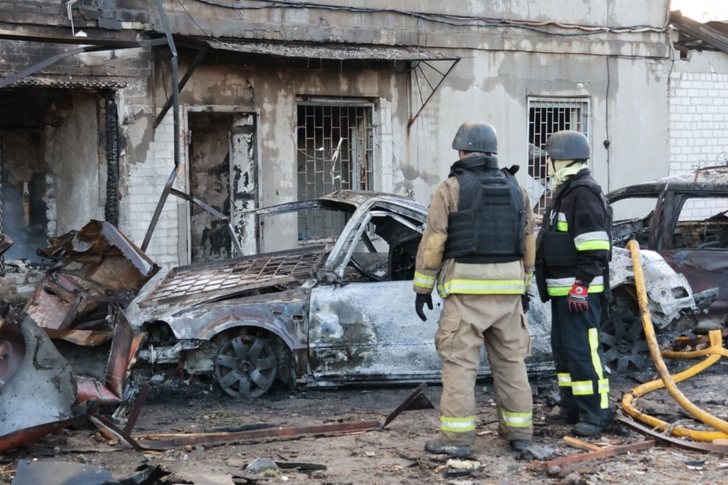
Russian forces have carried out airstrikes targeting sever...
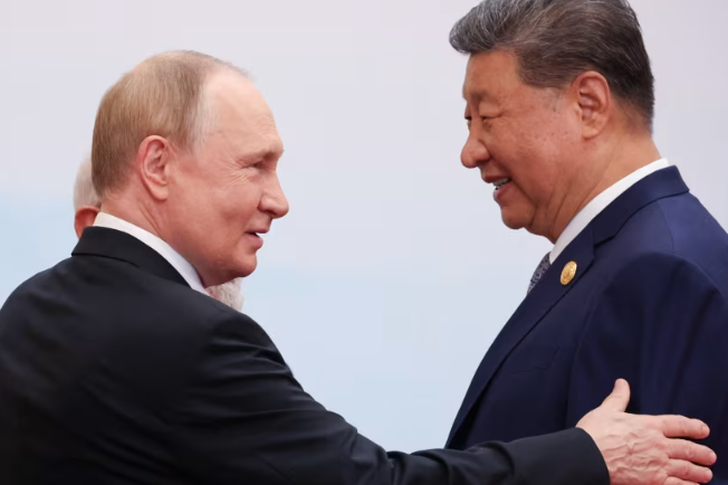
Russia has agreed to help China equip and train an airborn...
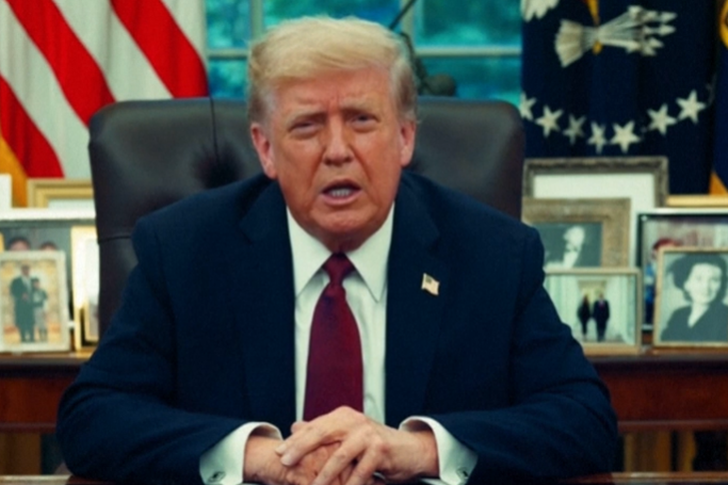
A coalition of conservative energy and environmental group...
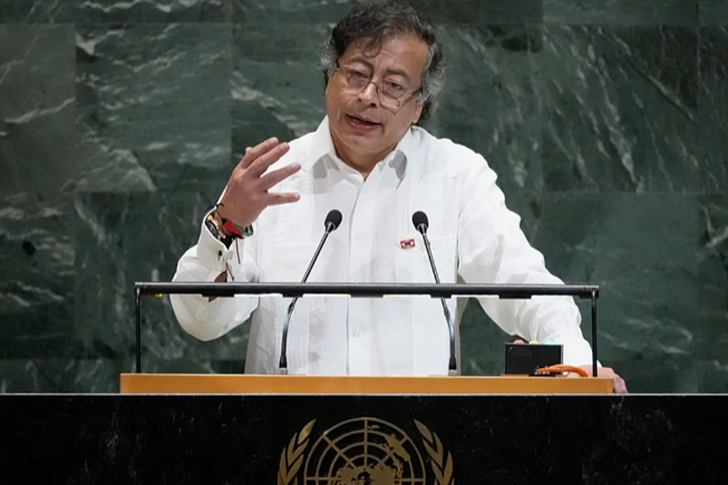
The US State Department said yesterday that it will revoke...
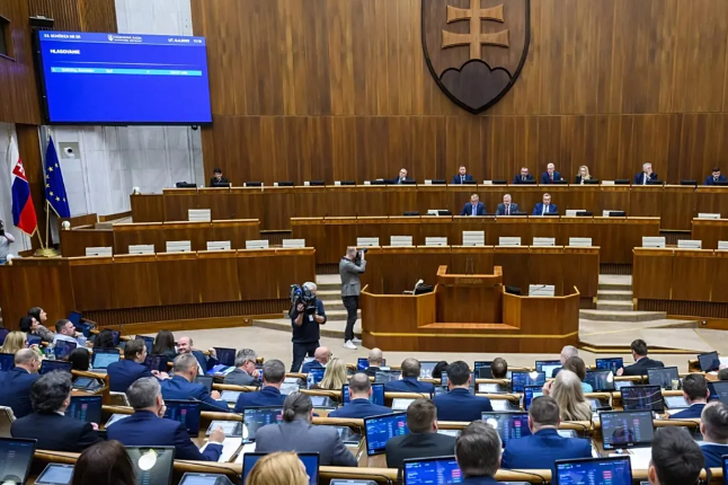
The new amendment makes it almost impossible for anyone ot...
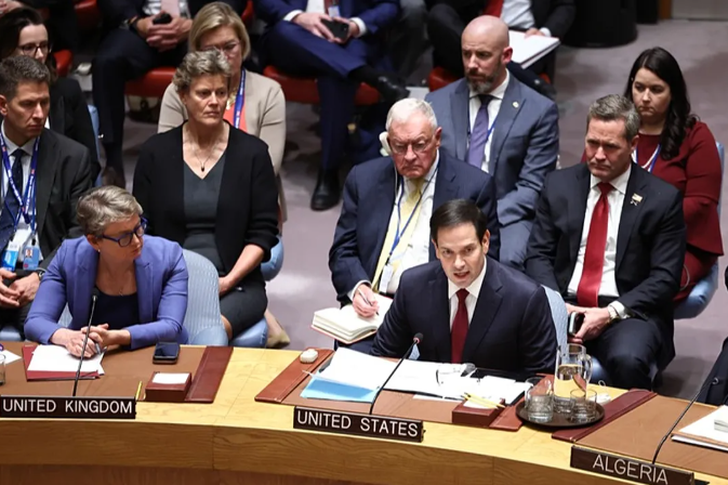
The UN Security Council has rejected a resolution submitte...
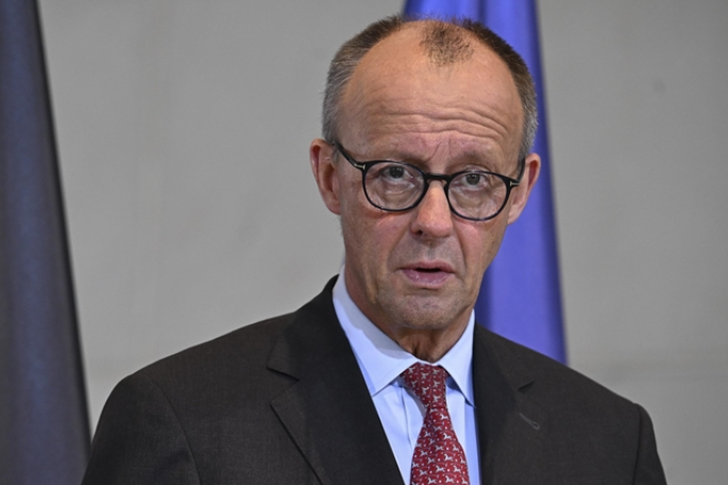
German Chancellor Friedrich Merz warned on Friday that Ger...
Recent drone incidents in Denmark, Romania and Poland have...
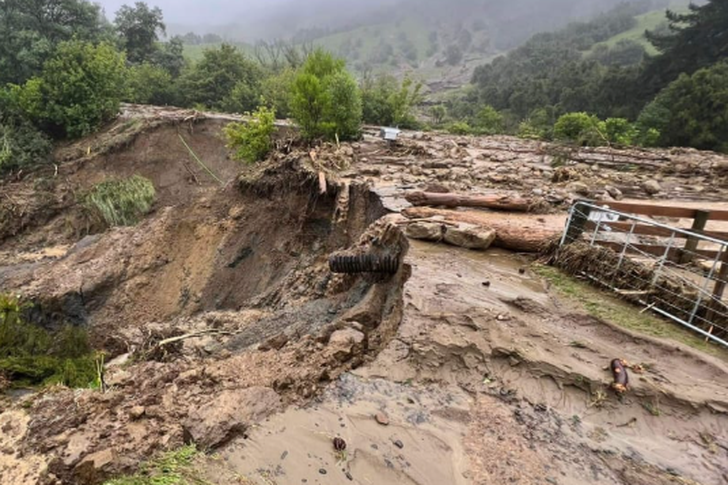
Cyclone Gabrielle hit Portugal's Azores islands, reaching ...
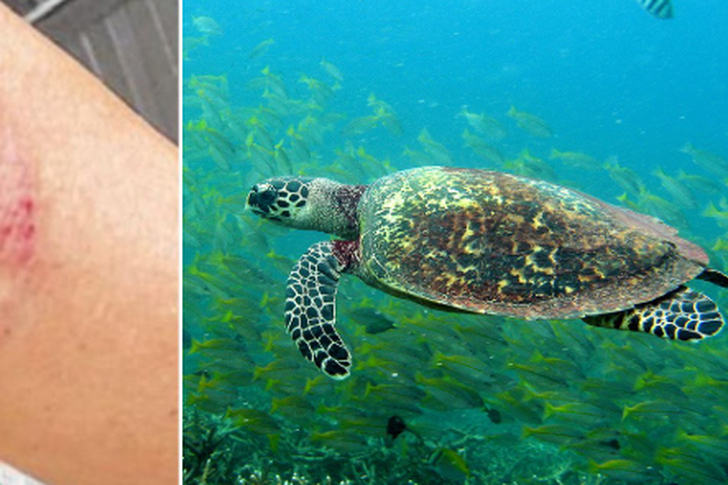
Marine biologists are attributing an increase in sea turtl...
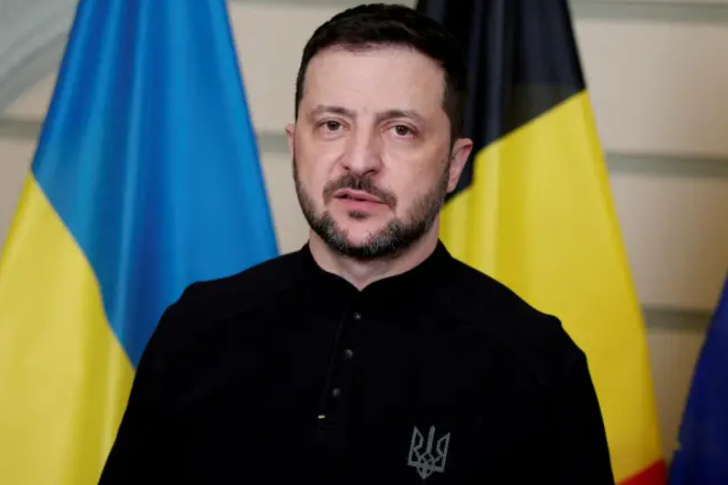
Ukrainian President Volodymyr Zelensky has hinted that he ...
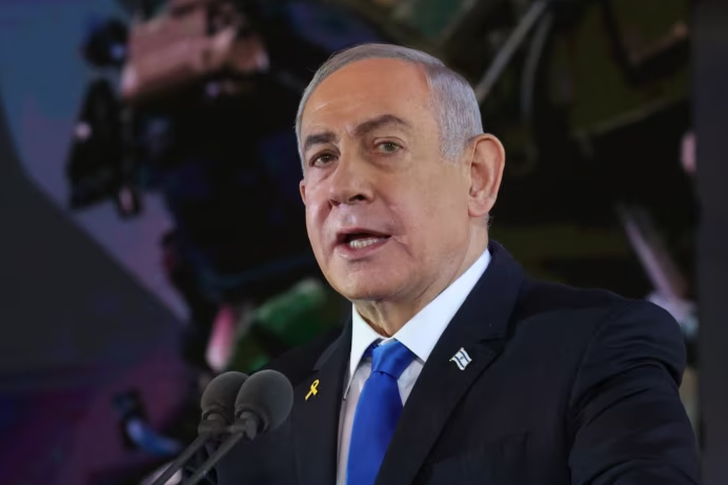
Israeli Prime Minister Benjamin Netanyahu delivered his sp...

Pro-Palestinian activists, including members of the Jewish...
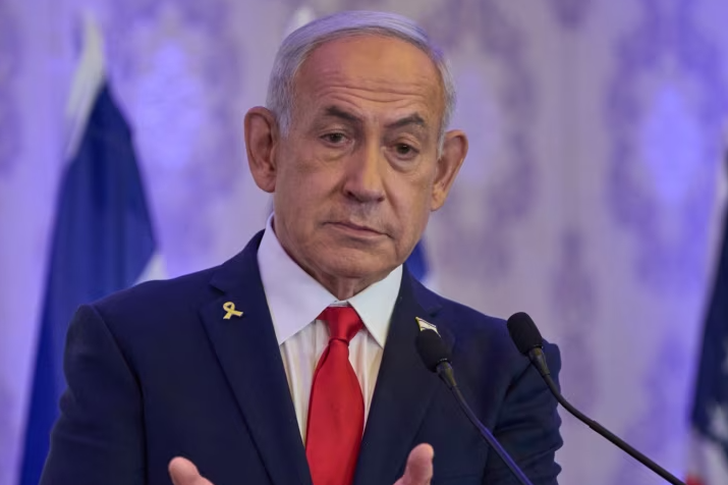
Israeli President Benjamin Netanyahu will speak at the Uni...
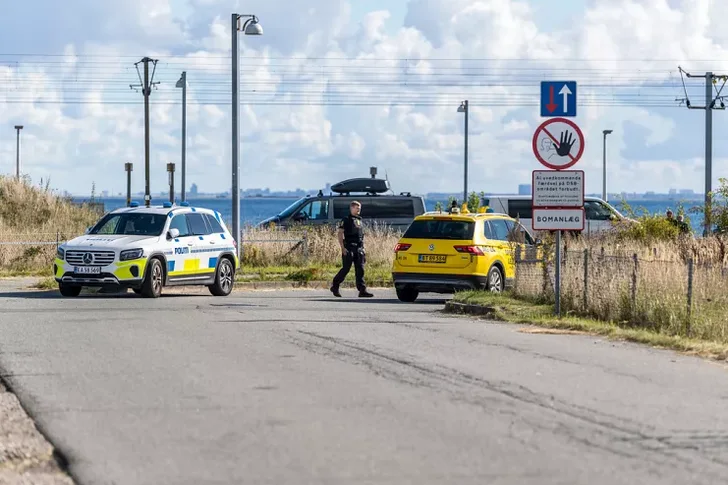
Suspected drone activity disrupted Denmark’s Aalborg airpo...
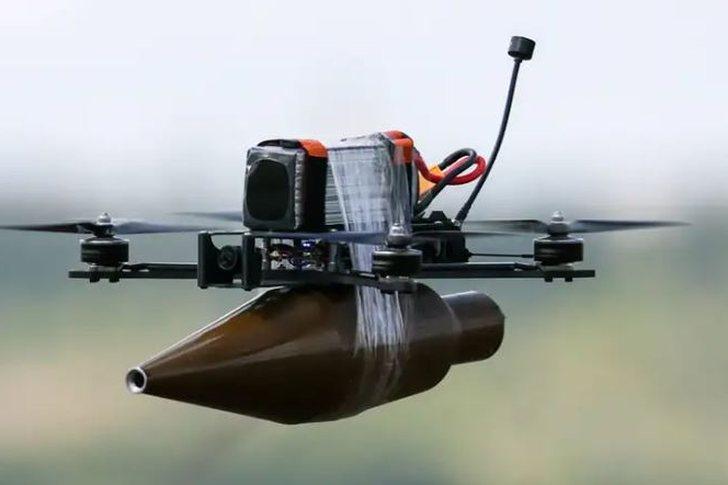
Kosovo Police Director Gazmend Hoxha said that it is suspe...
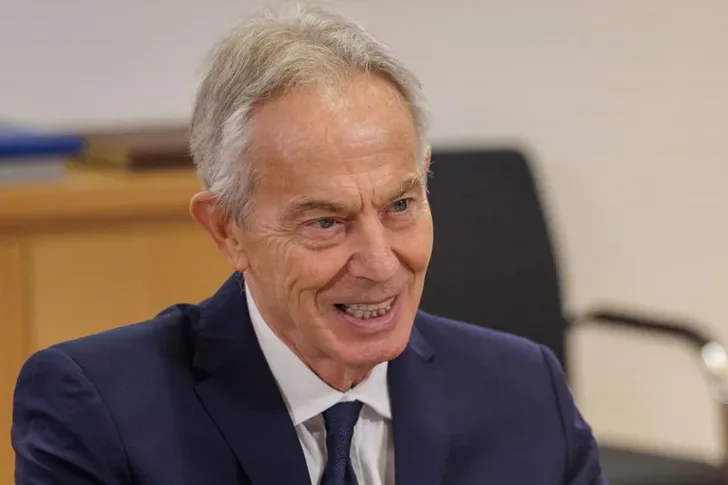
The BBC has learned that former UK Prime Minister Sir Tony...

CNA has launched another investigation that could lead to ...

Irfan Hysenbelliu is a businessman that we call "Irfan the...

In March 2026, CNA launched another investigation centered...
The arrested mayor of Tirana, Erion Veliaj, with 13 charge...

The Special Board of Appeal (KPA) decided this Monday ...

The KPA vetting decided this Thursday to dismiss the p...

Suela Salavaçi, a prosecutor in the Prosecutor's Offic...

The Special Board of Appeal reinstated the prosecutor ...
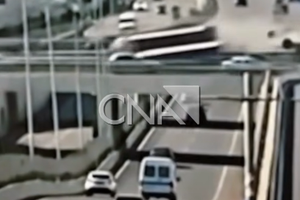
Footage emerges from the serious accident that occurred th...

A Shkodra traffic police officer was hit with hard objects...

This Wednesday, around 4:00 PM, a serious accident occurre...

Tirana Police have shared details regarding the accident t...

A serious accident that occurred this Wednesday with the c...

The Institute of Geosciences has shared a forecast for wea...

Rising energy and fertilizer prices are expected to contin...

Over 18,000 foreign citizens from 140 countries have appli...
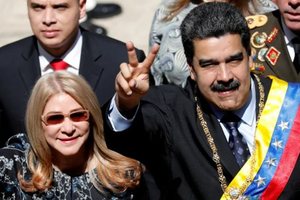
The trial of ousted Venezuelan President Nicolas Maduro on...
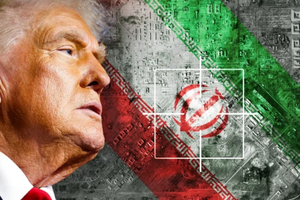
US President Donald Trump has issued another warning to Ir...
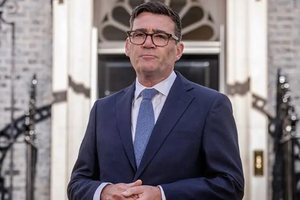
Prime Minister Andy Burnham has announced that most bus fa...

France's parliament has passed a law to ban social media f...

At a time when industrial products are increasingly taking...

Trust among people is not just a three-syllable word. It c...

Master of humor Todi Llupi has passed away at the age of 7...

The ninth edition of "MIK Festival" kicked off with one of...
The price of diesel reached 206 lek per liter from 198 lek...

Businesses will no longer be required to simply register t...

Despite economic growth and income in recent years, Albani...

This Wednesday, one US dollar is bought for 81.4 lek and s...