


"With fake but original FB"/ Rama stings Qori, Lapaj and Shehaj
Prime Minister Edi Rama has ironically mocked the infiltra...

Prime Minister Edi Rama has ironically mocked the infiltra...

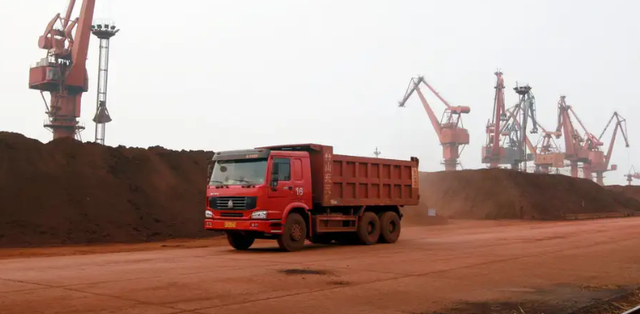
China's control over rare earth minerals - essential for the production of smartphones, electric cars and military technology - has made the US, Europe and India vulnerable.
China's strong grip on rare earth minerals - essential resources for the electronics, automotive and defense industries - gives the country a major strategic advantage over the United States during ongoing negotiations over trade terms.
Controlling about 60% of global production of rare earth minerals and almost 90% of their processing, China has further strengthened its influence, imposing restrictions on the export of rare earth elements and permanent magnets.
Some of these measures, which were initially a response to high tariffs imposed on Chinese exports by US President Donald Trump, were temporarily eased to pave the way for trade negotiations between the two countries.
However, on Thursday (09.10.2025), Beijing announced sweeping new restrictions on rare earth exports, including bans on processing technology and direct restrictions on overseas users in the defense and semiconductor industries. The move is China's version of the US Foreign Direct Investment Rule, through which Washington has restricted exports of chips to China, even from third countries.
This decision, taken a few weeks before a possible one-on-one meeting between Trump and Chinese President Xi Jinping, further emphasizes the dependence of the US, which has turned its lack of mineral processing capacity into a strategic weakness.
"The entire world economy depends on these magnets being produced in China," says Jost Wübbeke, co-founder of the Berlin-based research firm Sinolytics, which focuses on China's economy and industrial policies. "If their export is stopped, the effect will be felt all over the world."
Supply chain disruptions caused by previous restrictions have already hit U.S. industries hard. Ford, for example, announced in May that it had been forced to cut production of SUVs at its Chicago plant due to shortages. Meanwhile, auto parts suppliers Aptiv and BorgWarner said they were developing engines with little or no rare earth elements to avoid dependence on Chinese supplies.
Michael Dunne, a consultant focused on the Chinese market, told The New York Times in June that China's restrictions "could completely paralyze vehicle production in American factories."
Consumption of American reserves
A survey conducted in May by the American Chamber of Commerce in China found that 75% of American companies expect their rare earth reserves to run out within a few months. American producers have called on Washington to negotiate the lifting of restrictions, and during trade talks in London in June, China agreed to speed up the approval of export licenses, although there is still a large backlog of raw material requests. China’s latest restrictions, however, risk undoing any efforts to ease the situation.
China's strategic use of rare earths as a tool for geopolitical pressure is not new. In 2010, Beijing banned exports to Japan for two months over a territorial dispute, causing prices to skyrocket and exposing the dangers of dependence on a single source of supply.
Gabriel Wildau, managing director at New York-based executive advisory firm Teneo, warned that China's export licensing regime is a permanent structure, not simply a reaction to the tariffs imposed by Trump.
In a note sent to clients in June, he wrote that "supply disruptions will remain a constant threat," implying that China aims to maintain its strategic influence over the United States.
European industry is also affected by China's restrictions
The United States is not alone in suffering from a shortage of rare earth minerals. The European Union depends on China for about 98% of its rare earth magnets, needed to manufacture parts for automobiles, fighter jets and medical imaging equipment.
In June, the European Association of Automotive Suppliers warned that the sector is "already experiencing significant disruption" due to restrictions imposed by China, adding that they have caused the closure of several production lines and factories across Europe, with further consequences expected in the coming weeks as stocks run low.
According to Alberto Prina Cerai, a researcher at the Italian Institute for International Political Studies (ISPI), Brussels urgently needs to “buy time.” “In terms of scale, we [the West] cannot reach China,” he warned. “They have an integrated supply chain, from the mine to the magnet, that is extremely difficult to copy.”
Although a complete separation from China is "unthinkable" in the short term, he added that the EU must manage this dependence with a sustainable and coherent industrial strategy.
The European Commission, the executive branch of the European Union, aims to produce 7,000 tons of magnets within the EU by 2030, by investing in rare earth mining, processing and recycling projects. A large rare earth processing plant has already opened in Estonia, while another in southwest France is expected to become operational in 2026.
After a meeting with his Chinese counterpart in May, European Trade Commissioner Maros Sefcovic called China's restrictions "extremely worrying" for Europe's automotive and industrial sectors. China proposed creating a "green channel" to speed up export licenses for European companies, but experts warn that approvals could take up to 45 days.
India restricts exports to boost domestic supply
Although India has the world's fifth-largest reserves of rare earth minerals — about 6.9 million metric tons — it contributes less than 1% of global supply. The main reason is the lack of processing capacity to convert these materials into usable components for advanced technologies. Like many other countries, India still relies on Chinese exports, which have also been affected by recent restrictions.
Although New Delhi has stepped up efforts to diversify supply sources through agreements with the United States, Australia, and Central Asian countries, progress so far has been slow.
In June, the Indian government ordered state-owned IREL to halt exports of domestically produced rare earth minerals — including those destined for Japan — in a bid to preserve supplies for domestic producers. By 2024, IREL had shipped a third of the 2,900 metric tons of rare earth minerals it mined to Japan, through a Japanese processing company.
G7 leaders vow to confront disruptions from China
With China’s dominance of rare earths unlikely to be challenged anytime soon, G7 leaders, meeting in Canada in June, agreed on a joint strategy to prevent critical shortages of these essential resources. They pledged a coordinated response to deliberate market interference, such as that by China, and measures to diversify production and supply chains.
"Recognizing this threat to our economies, as well as other risks affecting the sustainability of critical mineral supply chains, we will work together and with partners beyond the G7 to swiftly protect our economic and national security," the group of developed economies said in a document titled "G7 Action Plan on Critical Minerals."
Meanwhile, Alberto Prina Cerai from ISPI told DW that accessing rare minerals will become increasingly important for the West as advanced technologies are developing at a rapid pace, noting that "robotics and humanoids could become a key market in the near future."
Rival countries increase production of rare earth minerals
After China's giant reserves of about 44 million tons of rare earth minerals, the countries with the largest reserves are Brazil, India and Australia, with a total of about 31.3 million tons, according to data from the United States Geological Survey (USGS). Recently, another 20 million tons have also been discovered in Kazakhstan, significantly increasing the global potential outside of China.
Of all the competing countries, the United States and Australia are the most advanced in increasing the extraction and processing of rare earth minerals, while other countries' plans are still in the initial or intermediate stages. These projects require multi-year investments — from 5 to 10 years, including detailed environmental studies and investments amounting to billions of dollars.
Another potential source of rare earths could be Greenland, despite its harsh climate. The United States and the European Union have already signed cooperation agreements to develop mineral resources there. In 2023, the Tanbreez project in southern Greenland was ranked by Mining Intelligence as the most promising rare earths project in the world, with estimated reserves of about 28.2 million tons.
However, until alternative supplies of these rare elements expand significantly, China will continue to use this critical resource as a powerful geopolitical weapon, keeping global industries and economies under its sway.
According to Jost Wübbeke of Sinolytics, it is hard to believe that other countries will ever be able to challenge China's dominance, due to its huge advantage in cost and scale of production.
"The moment China lifts export restrictions, prices fall and the supply situation eases. No one will talk about dependence on China anymore, because the focus will shift to prices," Wübbeke told DW. "Mines and refineries outside China have to compete with these prices — and usually, they can't."/ DW

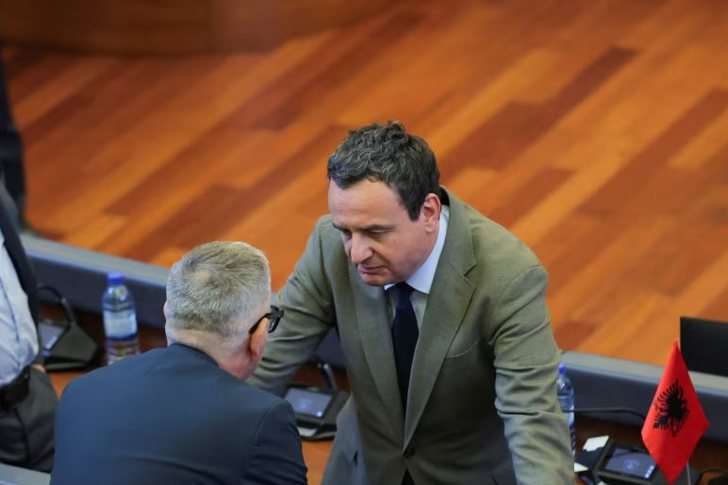
The acting Prime Minister of Kosovo, Albin Kurti, said tha...
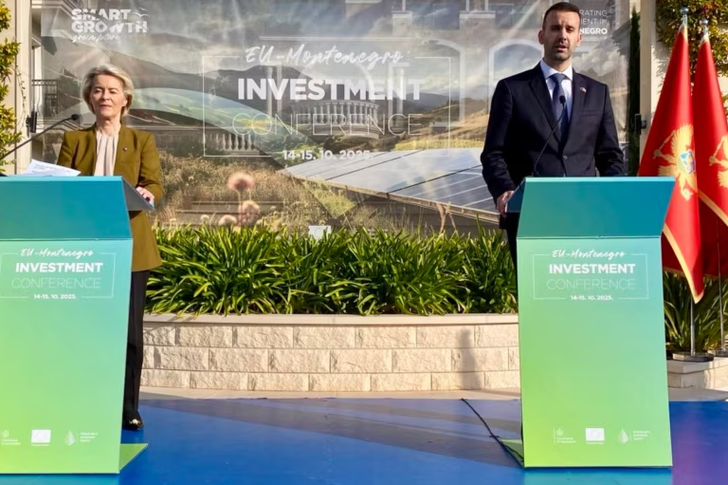
"The goal of Montenegro joining the European Union is trul...

The Central Election Commission (CEC) has announced that d...

Alcohol is a leading cause of cancer across Europe and exp...
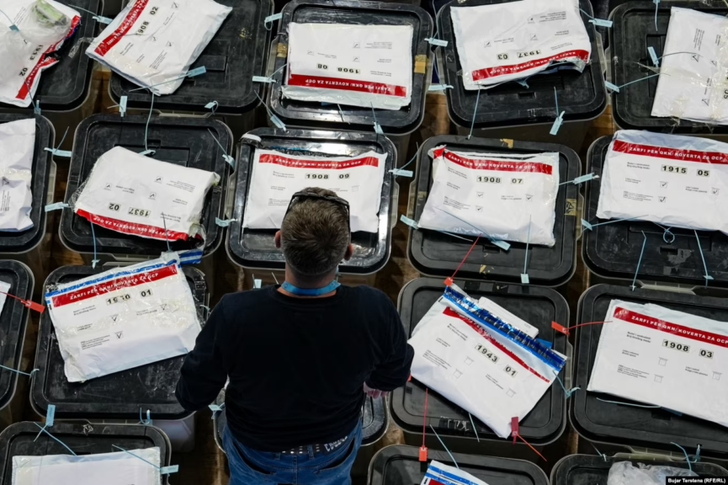
Kosovo held local elections for mayor and municipal assemb...
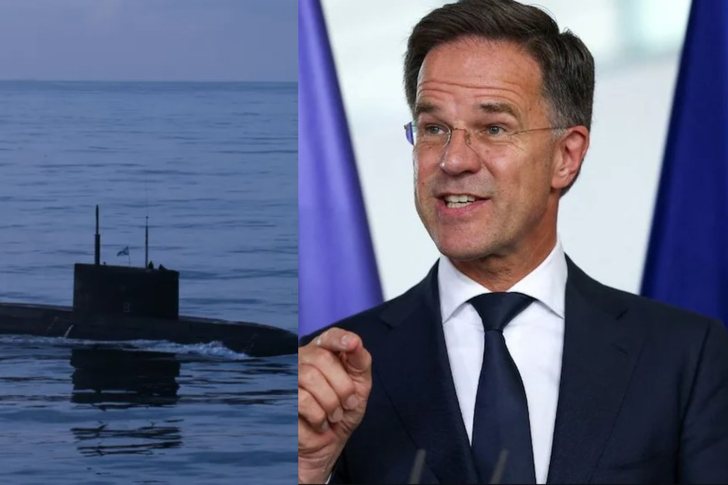
NATO Secretary General Mark Rutte, speaking in Slovenia, m...
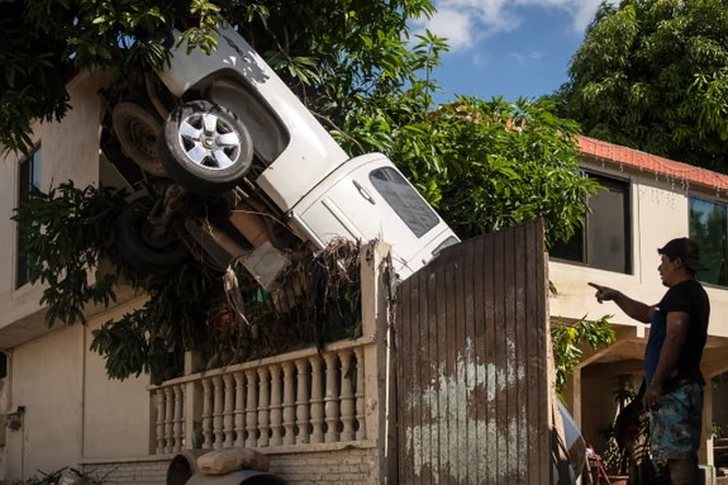
Massive flooding in central and eastern Mexico has left at...

An explosion has occurred in a village house in Castel D'A...
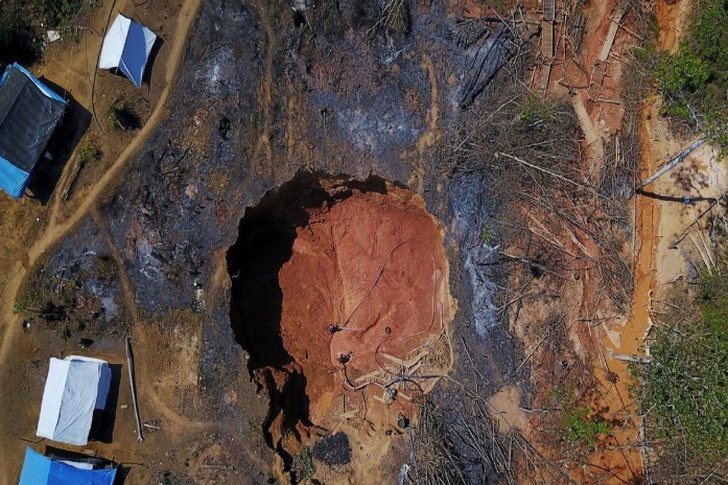
A serious incident has occurred in Venezuela, following th...
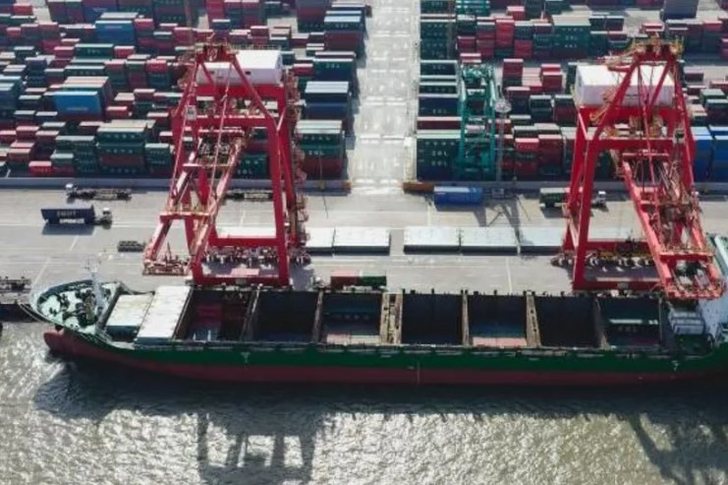
New tariffs on US ships arriving at Chinese ports take eff...

EU ministers pledged to step up their efforts to protect c...
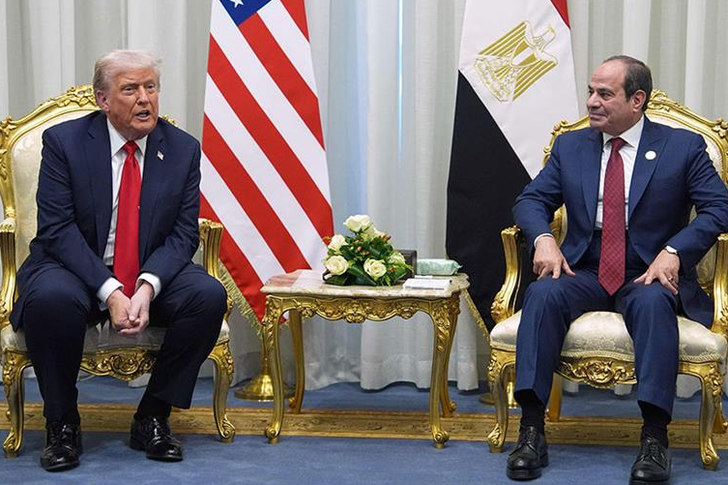
Egyptian President Abdel Fattah el-Sisi has awarded his Am...

Former French President Nicolas Sarkozy will begin serving...
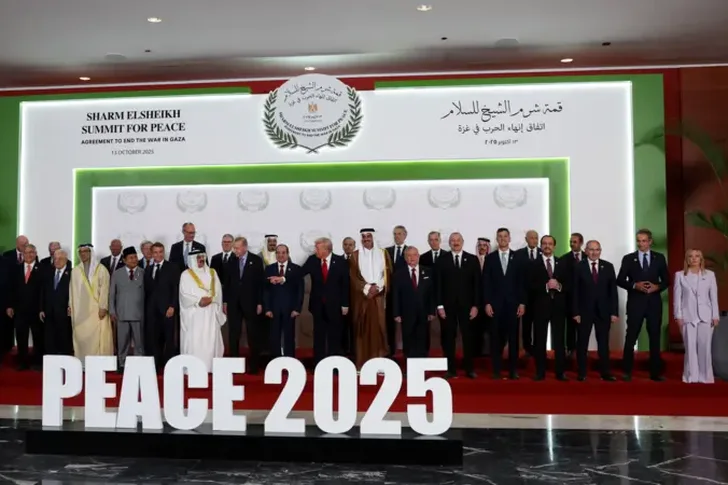
The President of the United States of America, Donald Trum...
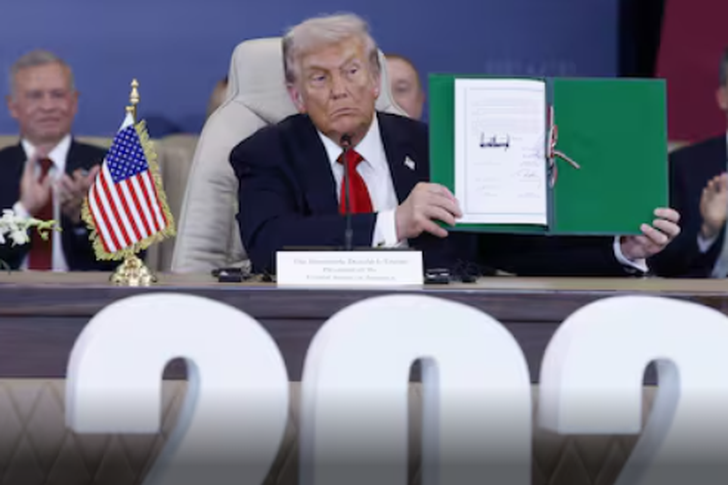
US President Donald Trump and mediators signed a deal to e...
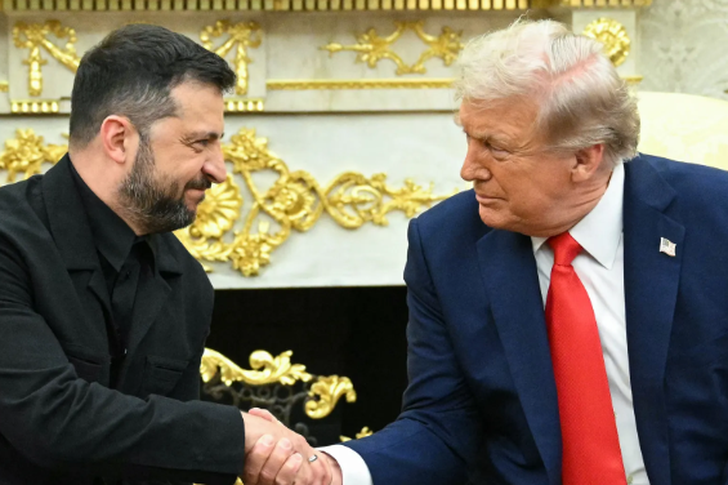
Ukrainian President Volodymyr Zelensky is expected to meet...
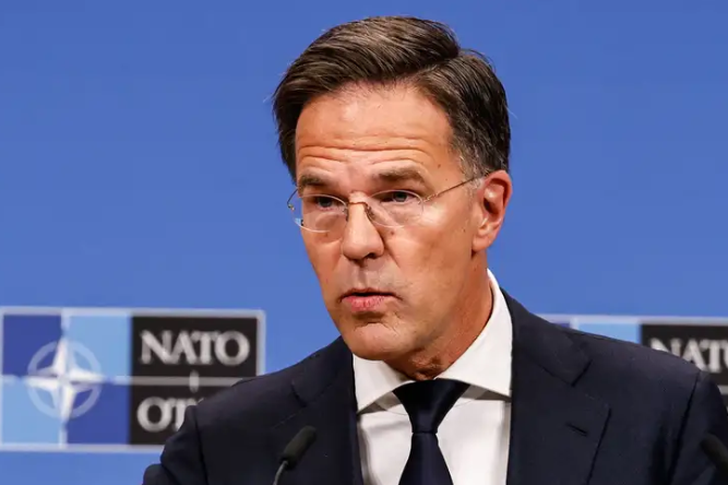
NATO began its annual nuclear exercise Steadfast Noon in t...
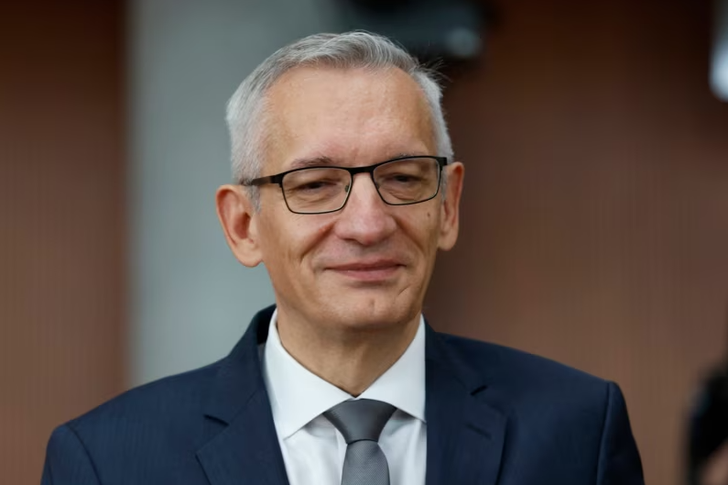
Germany's intelligence chief warned that Russia poses a di...

The NATO Parliamentary Assembly has awarded Kosovo Preside...
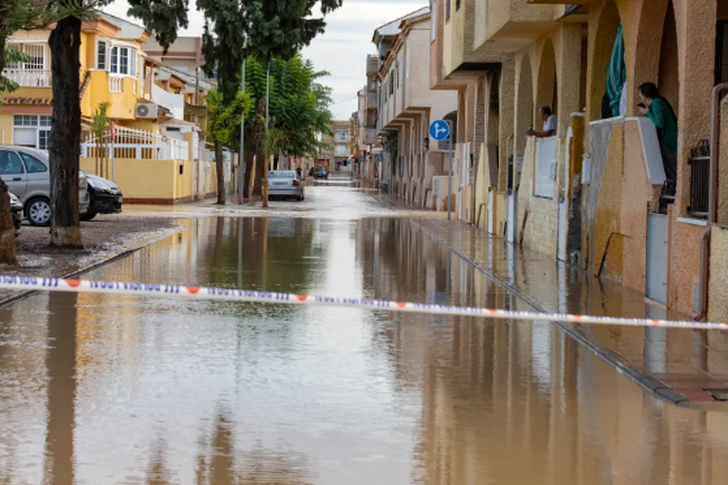
Severe weather warnings have been issued across eastern Sp...

CNA has launched another investigation that could lead to ...

Irfan Hysenbelliu is a businessman that we call "Irfan the...

In March 2026, CNA launched another investigation centered...
The arrested mayor of Tirana, Erion Veliaj, with 13 charge...

The Special Board of Appeal (KPA) decided this Monday ...

The KPA vetting decided this Thursday to dismiss the p...

Suela Salavaçi, a prosecutor in the Prosecutor's Offic...

The Special Board of Appeal reinstated the prosecutor ...

The bad weather that swept the country on Tuesday evening ...

A road accident occurred this evening on Nikolla Zoraqi St...

Three people were shot and wounded in Elbasan last night b...

A serious incident occurred this Tuesday in the Yrshek are...

This Wednesday, our country will be under the influence of...
All of Southern Europe will face changing weather conditio...
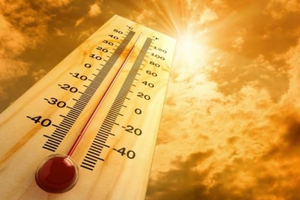
Albania was hit by temperatures significantly higher than ...

For the first time, Pogradec welcomed the Inter-Lake Chess...

Prime Minister Andy Burnham has announced that most bus fa...

France's parliament has passed a law to ban social media f...

US Secretary of State Marco Rubio arrived in Manila on Jul...

In the space of a few days, Ukrainian President Volodymyr ...

At a time when industrial products are increasingly taking...

Trust among people is not just a three-syllable word. It c...

Master of humor Todi Llupi has passed away at the age of 7...

The ninth edition of "MIK Festival" kicked off with one of...

Businesses will no longer be required to simply register t...

Despite economic growth and income in recent years, Albani...

This Wednesday, one US dollar is bought for 81.4 lek and s...
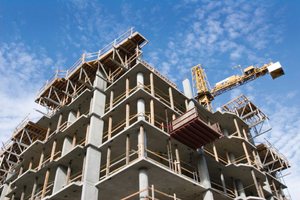
Construction company licenses will have a validity period ...