


Kurti warns: Other plans are being made in Serbia to attack Kosovo
The Prime Minister of Kosovo, Albin Kurti, held a join...


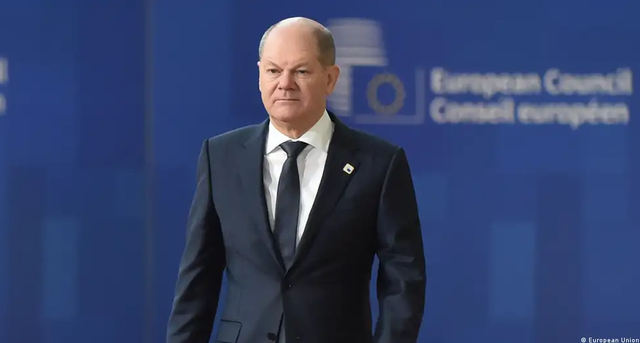
People in Germany will have to get used to the further militarization of everyday life in the coming year. Security experts in the country are convinced of this. Issues of war and defense will increasingly determine political decisions. The reason is that the risk of a Russian attack on NATO territory has become more real since the beginning of the major Russian aggression of Ukraine two years ago.
This can be seen from the construction of roads, one example among many, says political scientist Christian Mölling in an interview for DW. "We certainly need to renew the roads, we need to renew the bridges," he says. Many roads and bridges in Germany were not designed to withstand the burden of tanks and other military equipment.
Mölling heads the Center for Security and Defense at the German Council on Foreign Relations (DGAP). It recently caught the attention of Berlin with an analysis that, in the worst-case scenario, NATO needs five years to rearm. Otherwise, intimidation through military superiority over Russia would no longer exist.
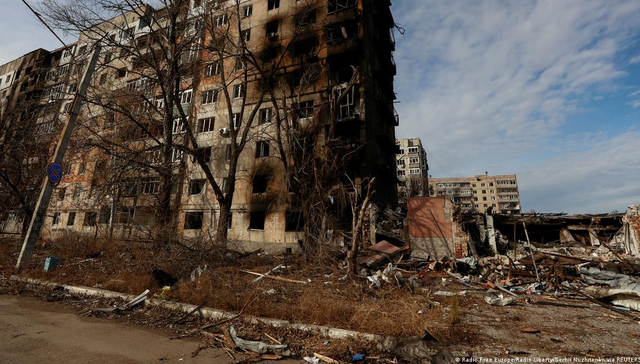
Change of era
Germany is experiencing a rapid epochal change: For three decades, since the fall of the Iron Curtain, Germans were confident that the end of the Cold War would also rule out the risk of a hot war, such as Russia's attack on Ukraine. But that's over.
This means that political discussions that have not existed since the end of the Cold War have returned to everyday life for Germans. "General defense is particularly about strengthening civil infrastructure and society so that they can withstand the events of war," explains Mölling. This would make the planning of a new road bridge in a potentially important military municipality. That is, if this bridge could play a strategic role in case of a defense.
But Mölling also sees this as an opportunity: to restore the country's defense capability, Germany needs to "suspend some regulations for a certain period of time. We described this in the paper as: investments up, regulations down."
German problems with change
People in Germany are finding it difficult to cope with the new realities. It has been almost two years since German Chancellor Olaf Scholz announced a "turning point" in the Bundestag, with a historic speech at the end of February 2022. With this speech, Scholz wanted to make it clear that the German military and defense capabilities have become a priority like before the fall of the Berlin Wall.
Most German security and defense experts, as well as DGAP analyst Mölling, say that Ukraine is protecting the freedom of all of Europe. Furthermore: if Ukraine is lost to Russia, Russian President Putin will continue to wage war and eventually attack NATO.
But when asked where Germany should save money if it no longer has enough money, 54 percent of respondents in Germany recently pointed to helping Ukraine in the Deutschlandtrend. While in another poll by the Second German Television (ZDF), almost 70 percent said that Ukraine should continue to be supplied with weapons and more military equipment.
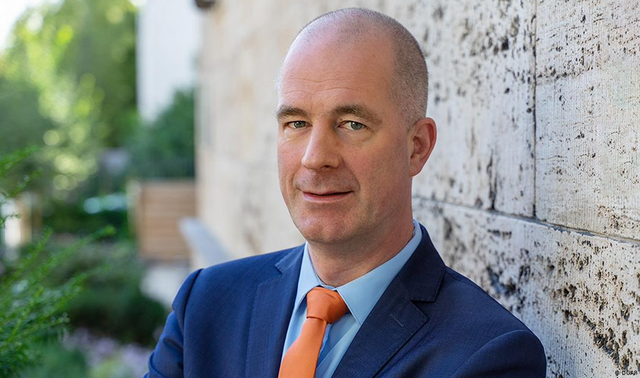
Even the DGAP analyst, Christian Mölling, sees this contradiction between the population in German politics. "Many people, including Germany, didn't understand that you can't push a button and produce tanks in one day," says the political scientist in an interview for DW. "It just takes a very long time to build such production capacities. What you can blame the federal government, but also all governments in Europe, is that they still haven't realized that there is a need to produce much more." says Mölling. And this "is not because Ukraine needs it, but we do too we need it."
Preparations for a new Trump
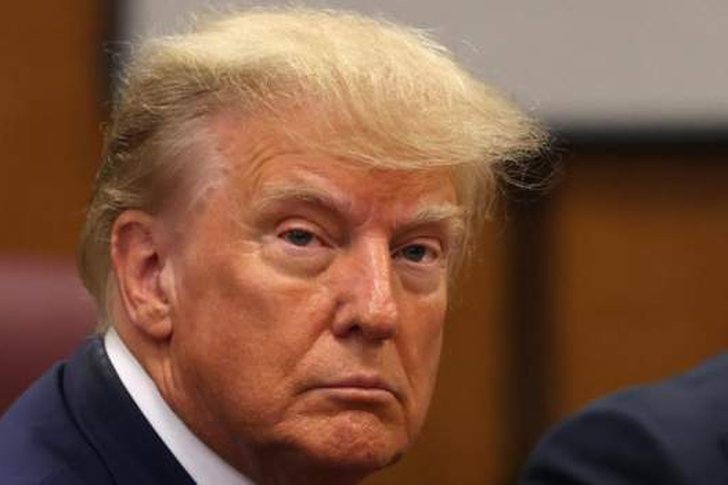
This applies in particular when it is known that tomorrow Donald Trump may return to power, and he had questioned the future of NATO. "We have to prepare for this now," says the head of the Institute for the World Economy (ifw), Moritz Schularick, in an interview with DW - and not only when the time comes. The research institute from Kiel publishes in the "Ukraine Support Tracker" - a summary of international military and financial aid to Ukraine Ifw recently updated this table stating that Germany is now the second most important arms supplier to Ukraine after the US.
But German weapons production has not yet increased significantly, criticizes DGAP analyst Christian Mölling: "Currently we are simply plugging holes, we are not starting to build new production capacities, which would enable us to be ready in time with the planned plans ."/ DW

The Prime Minister of Kosovo, Albin Kurti, held a join...
Israel's war to destroy Hamas - the Palestinian group ...
Russia's Central Election Commission has rejected the ...
The Director of Prisons of Kosovo, Ismail Dibrani, issued ...
The President of the United States of America, Joe Bid...
Diplomat Wolfgang Petritsch has said that the internal...
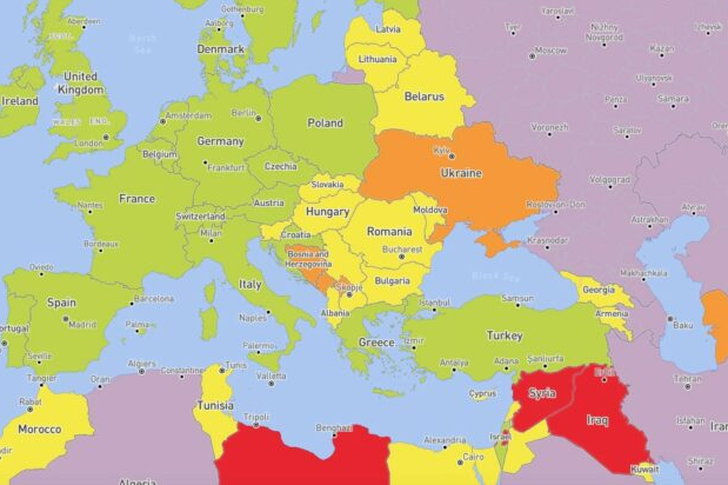
Are you planning a trip abroad in the coming months? Inter...
Germany's dual citizenship law could officially come i...
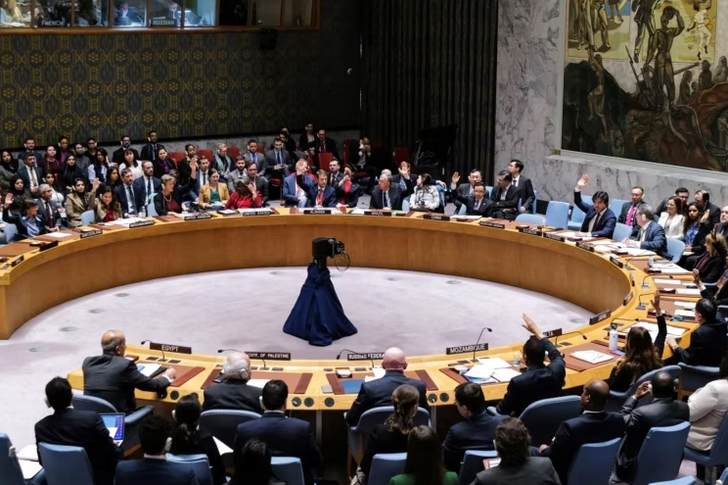
Këshilli i Sigurimit i OKB-së miratoi të premten një rezol...
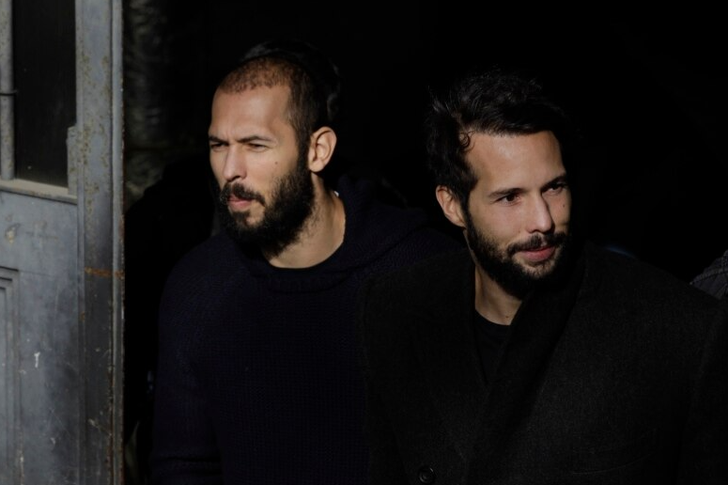
An application by Andrew Tate and his brother Tristan ...
The Supreme Court has decided, for now, not to decide ...
The United Nations Security Council on Friday adopted ...
American President Joe Biden signed an executive order on ...
The Parliament of the Netherlands has voted for the admiss...
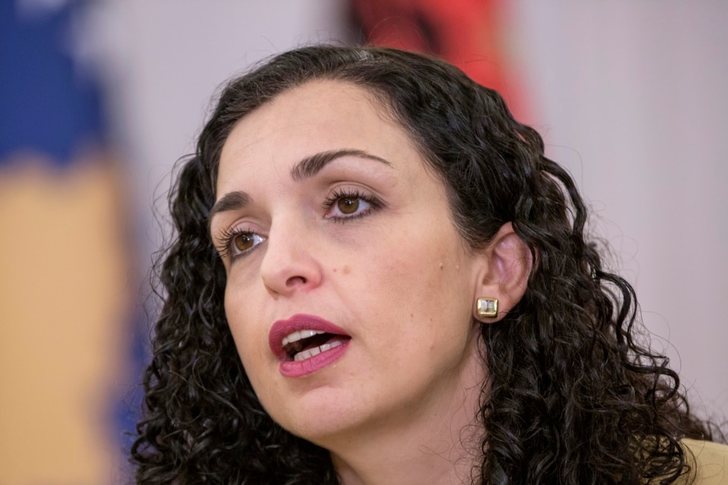
The President of Kosovo, Vjosa Osmani, said on Friday ...
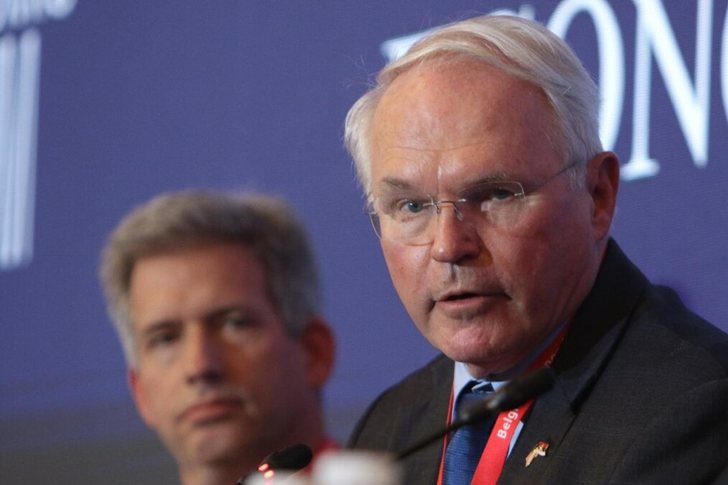
The US ambassador to Belgrade, Christopher Hill, said ...
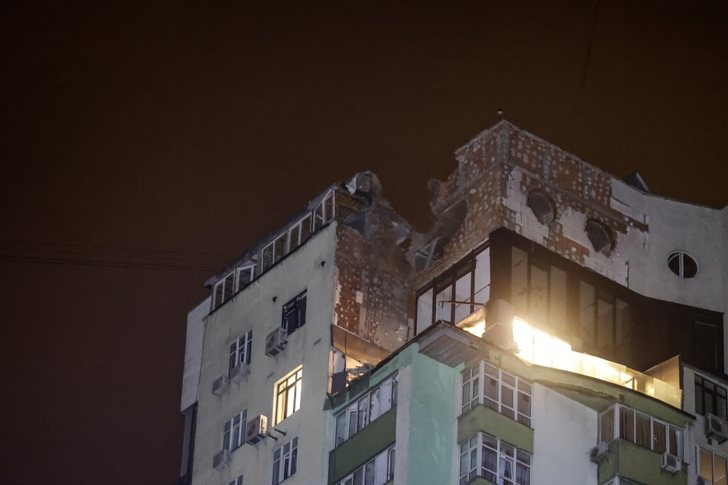
The Russian military launched a drone attack on Ukraine's ...
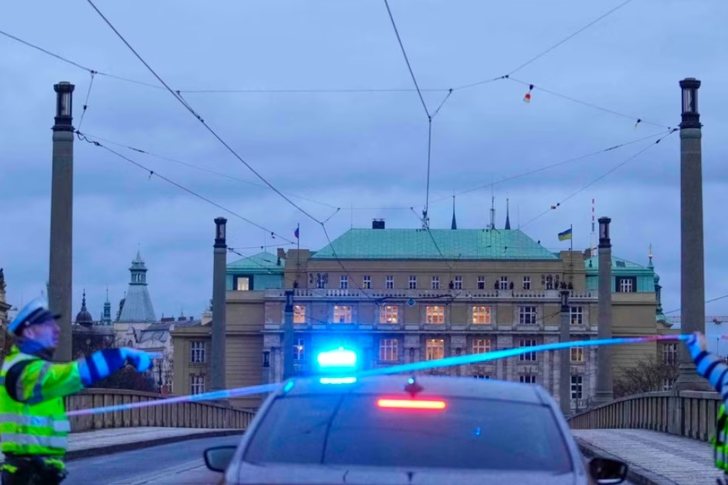
Saturday has been declared a day of national mourning in t...
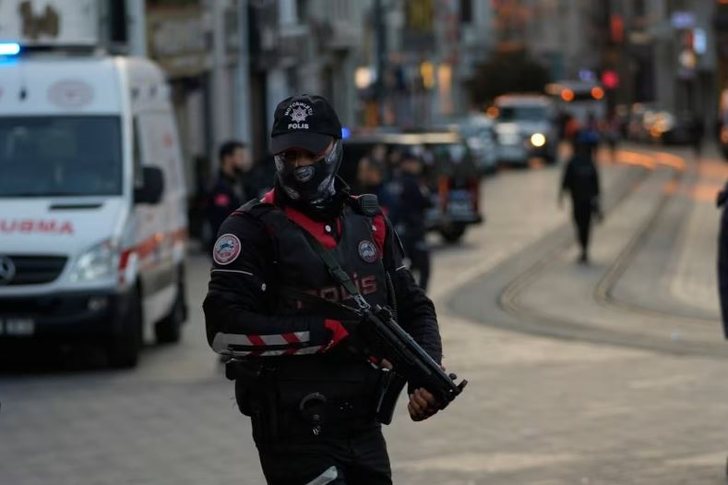
Turkish authorities have arrested 304 people suspected...
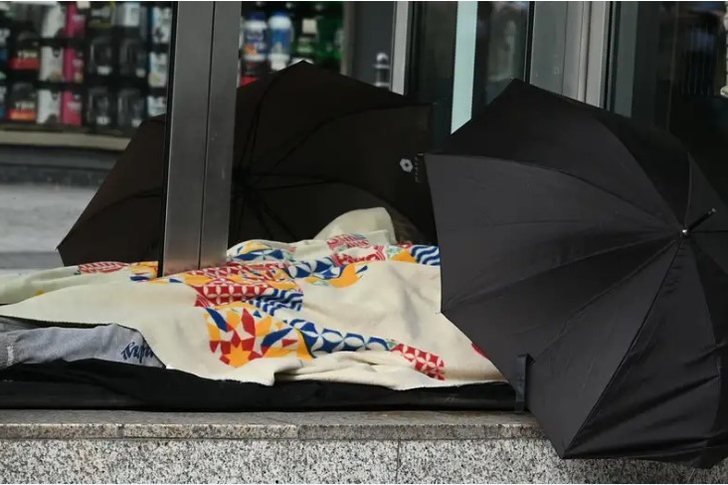
The first ones arrived half an hour earlier. Every Wednesd...
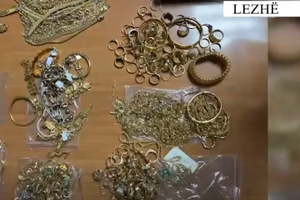
A 39-year-old citizen has been arrested in Lezha, after se...

CNA has launched another investigation that could lead to ...

Irfan Hysenbelliu is a businessman that we call "Irfan the...

In March 2026, CNA launched another investigation centered...

The Special Board of Appeal (KPA) decided this Monday ...

The KPA vetting decided this Thursday to dismiss the p...

Suela Salavaçi, a prosecutor in the Prosecutor's Offic...

The Special Board of Appeal reinstated the prosecutor ...
A conflict for weak motives was recorded today in the vill...
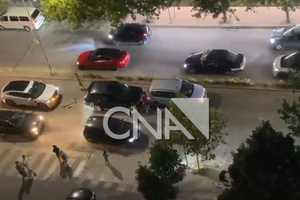
An accident involving three vehicles occurred a few minute...
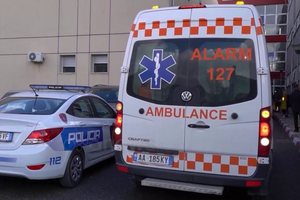
55-year-old Belere Plaka, who was injured today with a sho...
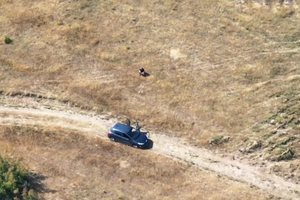
Police Announcement: Following preliminary information...

By noon, cloudiness is expected to prevail in almost all o...

Children without parental care, for whom alternative famil...

On Thursday, our country will be under the influence of st...

A serious accident that occurred this Wednesday with the c...

Peru and Venezuela will restore diplomatic relations, the ...
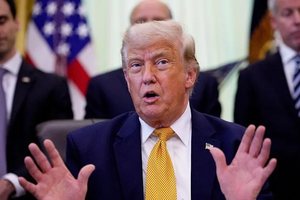
United States President Donald Trump has left open the pos...
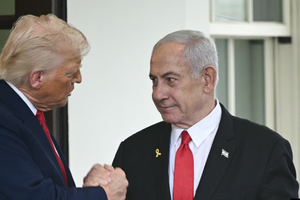
Israeli Prime Minister Benjamin Netanyahu will travel to t...
A bipartisan group of US lawmakers is calling for a Europe...

In my research at the Central State Archives, specifically...

At a time when industrial products are increasingly taking...

Trust among people is not just a three-syllable word. It c...

Master of humor Todi Llupi has passed away at the age of 7...
War, weather and supply disruptions could send gas prices ...
The number of active enterprises in Albania continued to g...
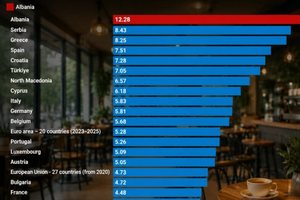
In Albania, the bar-cafe has long become an almost unique ...
This Friday, one US dollar is bought for 81.7 lek and sold...