


Serious accident in Orikum/ Vacationer loses life
A person has died today on Orikum beach. According to repo...

A person has died today on Orikum beach. According to repo...

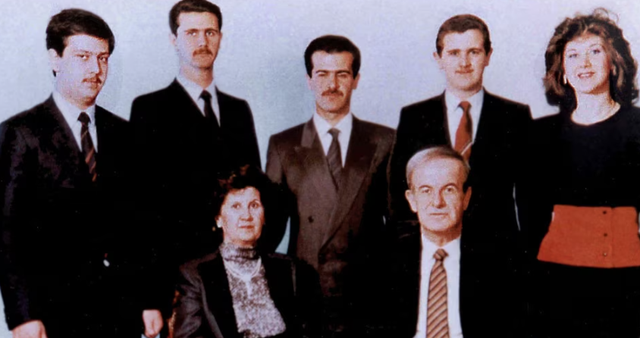
Syrian President Bashar Assad fled the country on Sunday, a dramatic end to his nearly 14-year struggle to hold on to power as his country was wracked by a brutal civil war that turned into a battleground for regional and international powers. .
Assad's departure was in stark contrast to his first months as Syria's powerful president in 2000, when many hoped he would be a reformer after three decades of his father's iron rule.
Just 34 at the time, the Western-educated ophthalmologist was a computer enthusiast and tech savvy with a gentle temperament.
But when faced with protests against his rule that erupted in March 2011, Assad reverted to his father's brutal tactics in an attempt to crush opponents. As the uprising turned into a civil war, he pulled the army into opposition-held cities with the support of his allies: Iran and Russia.
International human rights groups and prosecutors accused the al-Assad regime of widespread use of torture and extrajudicial killings in Syrian government-run detention centers. The war has killed half a million people and displaced half of the country's pre-war population of 23 million.
The conflict appeared to have cooled in recent years, and al-Assad's government regained control of most of Syria's territory, while the northwest remained under the control of opposition groups and the northeast under Kurdish control.
Although Damascus remained under crippling Western sanctions, neighboring countries were beginning to accept the reality of al-Assad's continued hold on power. The Arab League readmitted Syria as a member last year, and Saudi Arabia in May announced the appointment of its first ambassador since cutting ties with Damascus 12 years ago.
However, the geopolitical reality changed rapidly when opposition groups in northwestern Syria launched a surprise offensive in late November. Government forces quickly capitulated while al-Assad's allies, embroiled in other conflicts — Russia's war in Ukraine and the year-long wars between Israel and Iran-backed militant groups Hezbollah and Hamas — appeared unwilling to intervene forcefully.
The end of the Assad family rule
Al-Assad came to power in 2000 in a twist of fate. His father had groomed Bashar's older brother, Basil, as his successor, but in 1994, Basil was killed in a car accident in Damascus. The family brought Bashar from London where he had an eye clinic. He underwent military training and attained the rank of colonel to fulfill the credentials to one day take power. When Hafez al-Assad died in 2000, parliament quickly lowered the minimum age for presidents from 40 to 34. Bashar's rise to the presidency was cemented by a national referendum in which he was the only candidate. Hafez, a military man, ruled the country for nearly 30 years during which he created a centralized Soviet-style economy and wielded such an iron fist against opponents that Syrians were afraid to even joke about politics with their friends. He followed a secular ideology that sought to eliminate sectarian differences, emphasizing Arab nationalism and the image of heroic resistance to Israel. He formed an alliance with the Shiite clerical leadership in Iran, consolidated Syrian dominance over Lebanon, and established a network of Palestinian and Lebanese militant groups.
Bashar initially seemed completely different from his stern father. Tall and lean, he had a calm and gentle nature. His only official position before becoming president was as head of the Syrian Computer Society.
His wife, Asma al-Akhras, whom he married a few months after taking office, was attractive, stylish and of British descent. The young couple, who had three children, seemed to shun the luxury of power. They lived in an apartment in the affluent Abu Rummaneh neighborhood of Damascus rather than a grand palace like other Arab leaders. When he first took office, al-Assad released political prisoners and allowed freedom of expression. During the "Damascus Spring", the country's intellectuals gathered to discuss art, culture and politics, something that was impossible under his father's time. But after 1,000 intellectuals signed a public petition calling for pluralist democracy and greater freedoms in 2001, and a group tried to form a political party, these activities were stopped by the fearsome secret police who jailed dozens of activists.
In the face of the Arab Spring, al-Assad relied on old alliances to hold on to power
Instead of allowing political opening, al-Assad pursued the path of economic reforms. He slowly lifted economic restrictions, allowed foreign banks to open, opened the doors to imports and empowered the private sector. In Damascus and other cities long mired in misery, there was a boom in shopping malls, new restaurants and consumer goods. Tourism increased. In foreign policy, he continued the line his father had followed, based on the alliance with Iran and a policy of insisting on a full return of the Israeli-annexed Golan Heights, although in practice al-Assad never confronted Israel militarily. .
In 2005, he suffered a crushing defeat with the loss of Syria's decade-old control over neighboring Lebanon after the assassination of former prime minister Rafik Hariri. Many Lebanese accused Damascus of being behind the killing, and Syria was forced to withdraw its troops from the country where a pro-American government came to power. At the same time, the Arab world split into two camps – one made up of US allies, led by Sunnis such as Saudi Arabia and Egypt, the other consisting of Syria and Shiite-led Iran with links to Hezbollah and Palestinian militants.
Throughout, al-Assad relied largely on the same base as his father: his Alawite sect, a branch of Shia Islam that makes up about 10% of the population. Many of the positions in his government were given to younger generations of the same families that had worked for his father. He also included members of the new middle class created by his reforms, including prominent Sunni merchant families.
Al-Assad also relied on his family. His younger brother Maher led the elite Presidential Guard and spearheaded the counter-insurgency crackdown. Their sister Bushra was a strong voice in his inner circle, along with her husband, Deputy Defense Minister Assef Shawkat, until he was killed in a 2012 bombing. Bashar's cousin, Rami Makhlouf, became the businessman the country's largest, running a financial empire before a dispute led to Makhlouf's ouster.
Al-Assad had also entrusted increasingly key roles to his wife, Asma, before she announced in May that she was undergoing treatment for leukemia and retired from the public scene.
When protests erupted in Tunisia and Egypt in 2011, eventually toppling their rulers, al-Assad denied the possibility of the same happening in his country, insisting his regime was in harmony with its people.
After the Arab Spring arrived in Syria, his security forces staged a brutal crackdown, while al-Assad repeatedly denied he was facing a popular revolt. He blamed "foreign-backed terrorists" for trying to destabilize his regime.
His rhetoric was welcomed by many of Syria's minority groups – including Christians, Druze and Shiites – as well as some Sunnis who fear the prospect of rule by Sunni extremists even more than al-Assad's authoritarian rule.
As the uprising turned into a civil war, millions of Syrians fled to Jordan, Turkey, Iraq and Lebanon, and to Europe. It was ironic how on February 26, 2011, two days after protesters toppled Egypt's Hosni Mubarak and just days before the wave of Arab Spring protests swept his country, al-Assad sent an e-mail that in play the stubborn refusal of the Egyptian leader to resign./ VOA

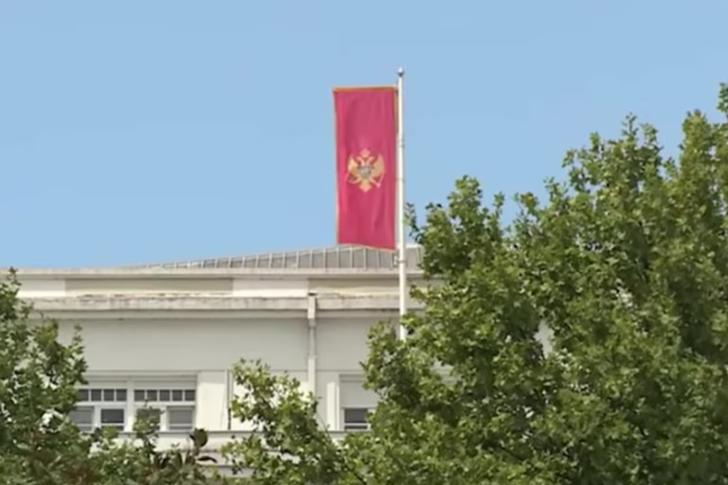
In Montenegro, recently, attacks and threats against journ...
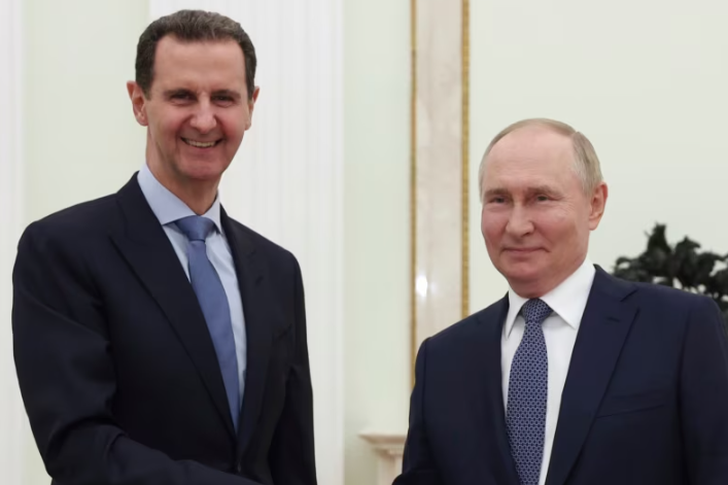
Ousted Syrian President Bashar Assad fled to Moscow on Sun...

December 5 marked 30 years since Ukraine signed the agreem...
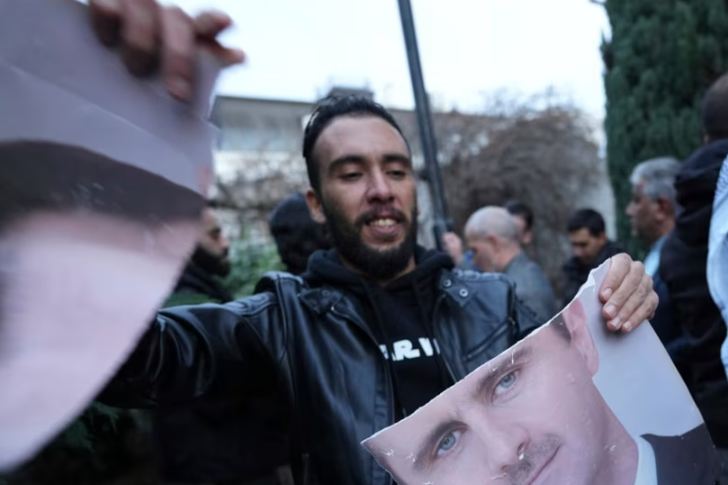
Syrian rebels declared they had ousted President Bashar al...
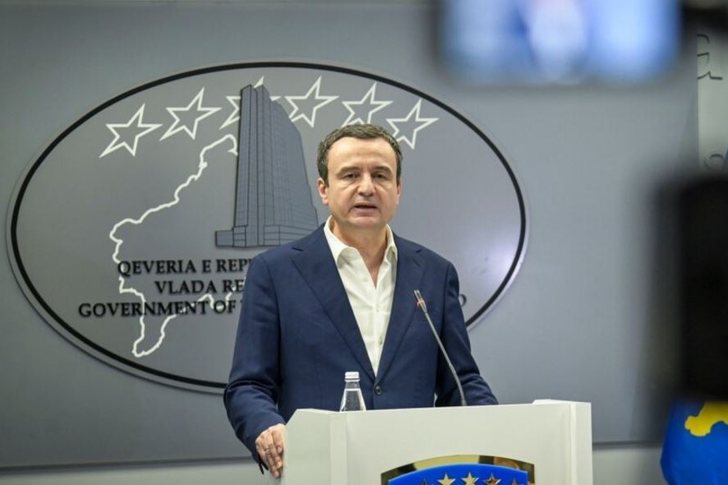
The Prime Minister of Kosovo, Albin Kurti, has published a...
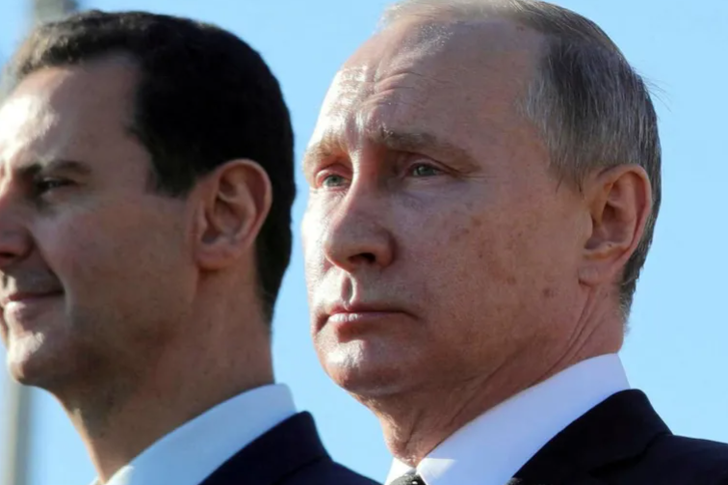
It was Russian firepower that had helped keep Bashar al-As...
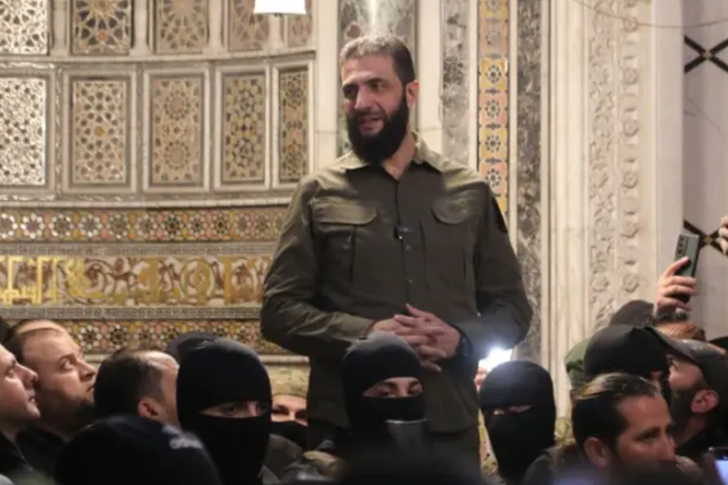
Syrian rebel leader Abu Mohammed al-Jalani addressed the c...
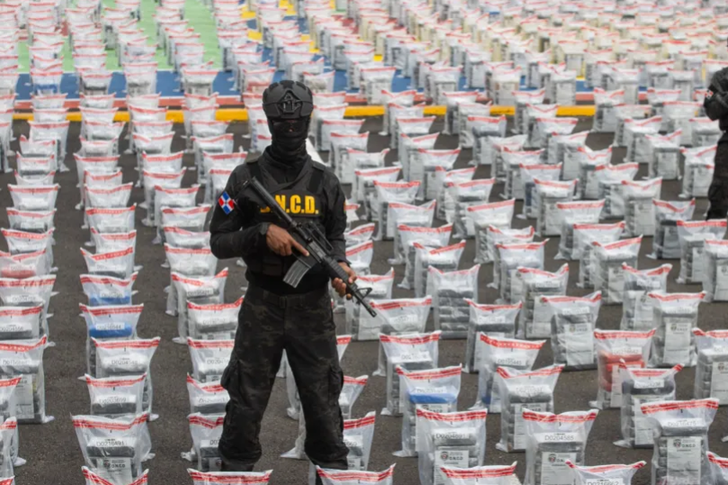
Authorities in the Dominican Republic have seized the ...

Ghana's vice president, Mahamudu Bawumia, has conceded def...
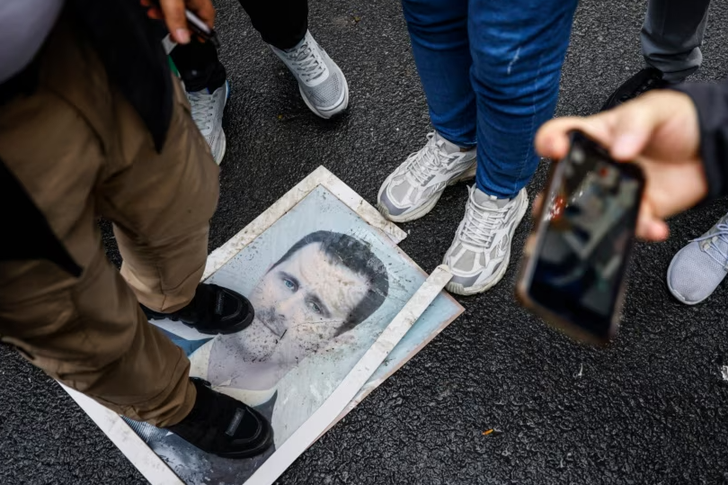
Syrian President Bashar al-Assad fled Damascus on Sunday, ...

US President-elect Donald Trump called for an immediate ce...
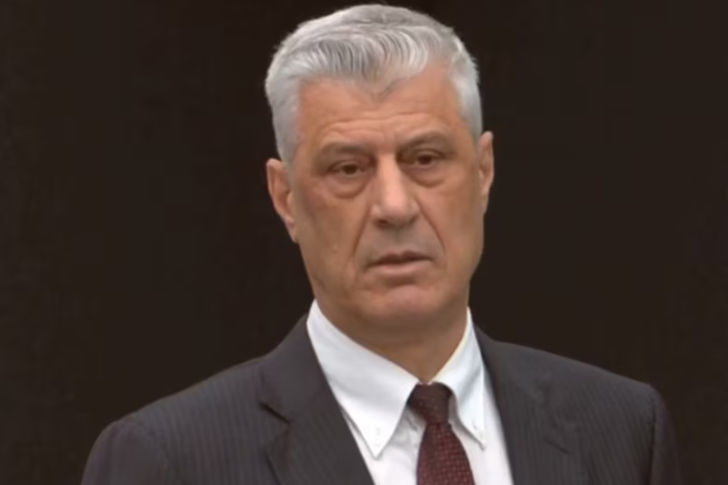
The former president of Kosovo, Hashim Thaçi, did not decl...
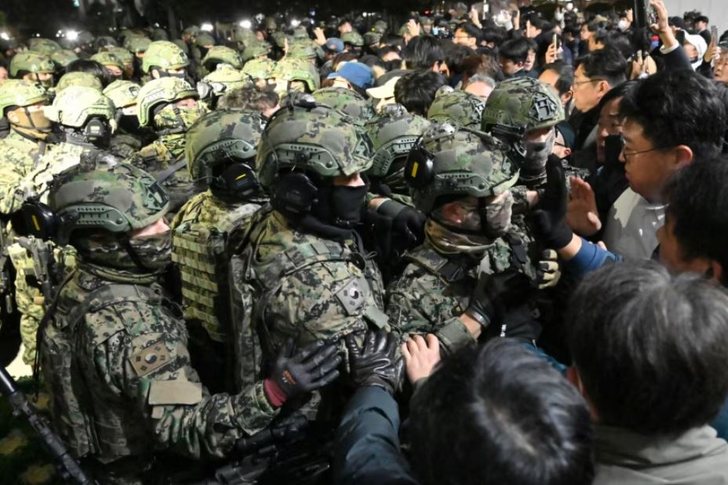
Prosecutors in South Korea have arrested the former defens...
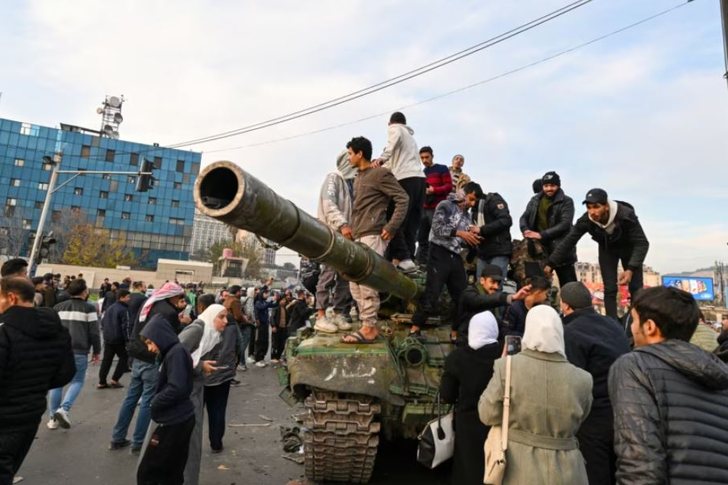
Syrian rebels claimed early in the morning of December 8 t...
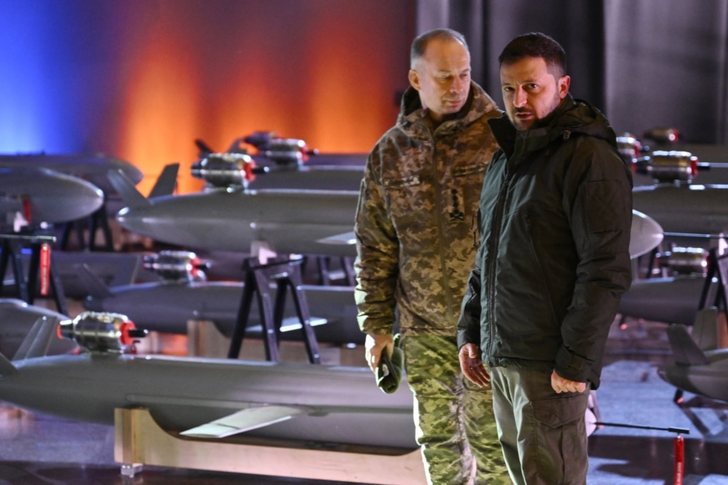
Ukrainian President Volodymyr Zelensky on Friday presented...
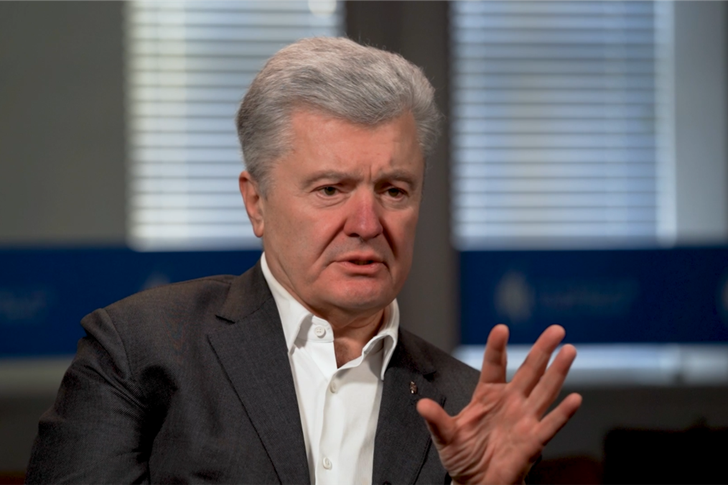
Former Ukrainian President Petro Poroshenko, now head of t...

Volkswagen is planning to make massive layoffs, prompting ...

Through social media posts, President-elect Donald Trump h...

The Independent Forum of Albanian Women published the moni...
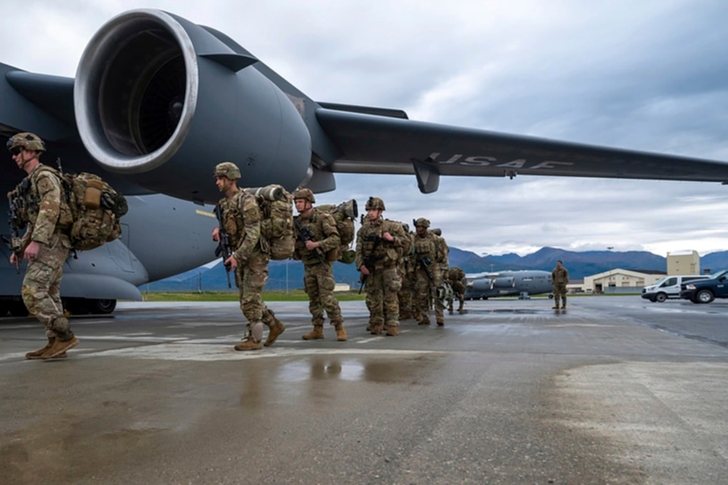
Most Americans want the United States to lead on the globa...

CNA has launched another investigation that could lead to ...

Irfan Hysenbelliu is a businessman that we call "Irfan the...

In March 2026, CNA launched another investigation centered...
The arrested mayor of Tirana, Erion Veliaj, with 13 charge...

The Special Board of Appeal (KPA) decided this Monday ...

The KPA vetting decided this Thursday to dismiss the p...

Suela Salavaçi, a prosecutor in the Prosecutor's Offic...

The Special Board of Appeal reinstated the prosecutor ...
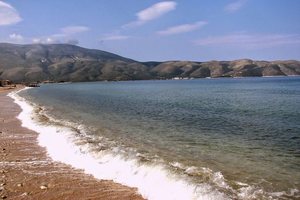
A person has died today on Orikum beach. According to repo...

Footage emerges from the serious accident that occurred th...

A Shkodra traffic police officer was hit with hard objects...
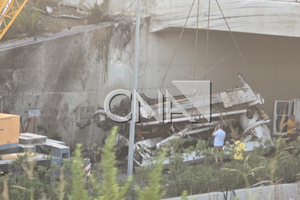
This Wednesday, around 4:00 PM, a serious accident occurre...

On Thursday, our country will be under the influence of st...
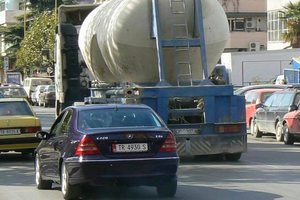
A serious accident that occurred this Wednesday with the c...

The Institute of Geosciences has shared a forecast for wea...
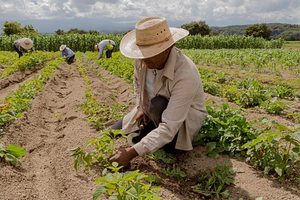
Rising energy and fertilizer prices are expected to contin...

Artificial intelligence (AI) models from the American comp...
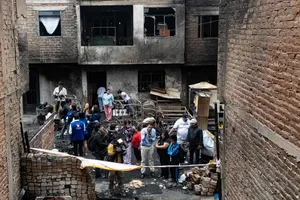
At least 10 people have died after a fire broke out in a h...
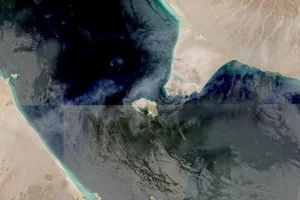
Yemen's Houthis have claimed to have attacked two Saudi oi...
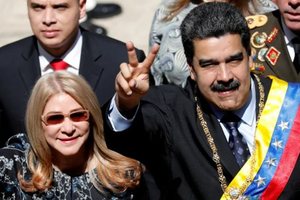
The trial of ousted Venezuelan President Nicolas Maduro on...

At a time when industrial products are increasingly taking...

Trust among people is not just a three-syllable word. It c...

Master of humor Todi Llupi has passed away at the age of 7...

The ninth edition of "MIK Festival" kicked off with one of...
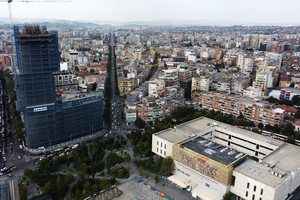
The average sale price of apartments in Tirana reaches rec...

This Thursday, one US dollar is bought for 81.5 lek and so...

The price of diesel reached 206 lek per liter from 198 lek...

Businesses will no longer be required to simply register t...