


Serious accident in Orikum/ Vacationer loses life
A person has died today on Orikum beach. According to repo...

A person has died today on Orikum beach. According to repo...

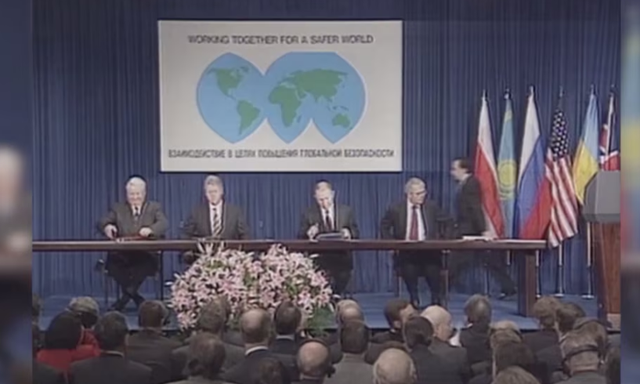
December 5 marked 30 years since Ukraine signed the agreement to surrender its nuclear arsenal, the world's third largest at the time. As Russia's aggression against Ukraine approaches its third year, Kiev now describes the agreement with Moscow as short-sighted. VOA correspondent Tatiana Vorozhko takes a look at the history of this deal.
December 5, 1994. The leaders of Ukraine, Russia, the United States and Britain sign the Budapest Memorandum. Steven Pifer helped negotiate the treaty.
"The United States, Britain and Russia pledged to respect Ukraine's sovereignty, independence and existing borders and pledged not to use force, or threaten to use force, against Ukraine," said Mr. Pifer.
Ukraine, which inherited the third-largest nuclear arsenal after the collapse of the Soviet Union, agreed to transfer all nuclear weapons to Russia to be dismantled and to decommission underground storage facilities from which nuclear missiles could be launched.
Mariana Budjeryn is the author of a book on the events of that time.
"Part of the agreement were also other issues, such as technical and financial assistance", she says.
In 2014, Russia invaded and annexed Crimea from Ukraine and fueled a separatist movement in Ukraine's eastern regions. In 2022, the large-scale attack began.
In a recent statement, Ukraine's Foreign Ministry called the Budapest Memorandum "evidence of short-sightedness in strategic security decision-making." Ukrainian Foreign Minister Andrii Sybiha brought a copy of the memorandum to the NATO meeting a few days ago.
"This document, or this letter, failed to protect Ukraine's security and transatlantic security. Therefore, we must avoid repeating such mistakes", said Minister Sybiha.
Kiev says that the only real guarantee for Ukraine's security and preventing further Russian aggression against it is Ukraine's membership in NATO.
Petro Poroshenko, opposition leader and former President of Ukraine, shares the same opinion.
"The signing of an invitation for membership in NATO should be considered as a continuation of the obligations of our partners, including the United States, derived from the Budapest Memorandum. This was a precondition when Ukraine voluntarily gave up the third largest nuclear arsenal in the world", says Mr. Poroshenko.
Both Ms. Budjeryn and Mr. Pifer say that at the time of the memorandum, Ukraine needed more technical and economic capabilities to maintain and develop its nuclear arsenal as a deterrent to Russia.
However, Ms Budjeryn says Ukraine could have invested more in its conventional military capabilities.
"No single document, no matter how legally binding, no matter how well written, is a sufficient basis for national security. Every country should invest in national defense and security," she says.
Mr. Pifer says the Budapest Memorandum is not the only document the Russians signed and violated, raising questions about future deals with Moscow.
"It also happened in the Russia-Ukraine Treaty of 1997 on Friendship, Cooperation and Peace. There have been several other documents where the Russian government has clearly stated: "We recognize Ukraine at the borders of 1991."
The violations also show the fragility of the international security system, Ms. Budjeryn says.
"Their effectiveness depends on states voluntarily observing, but just as much on states responding appropriately to violations."
Russian officials blame Ukraine and its partners for violating the Budapest Memorandum because, as they say, NATO expansion threatens Russian security interests./ VOA

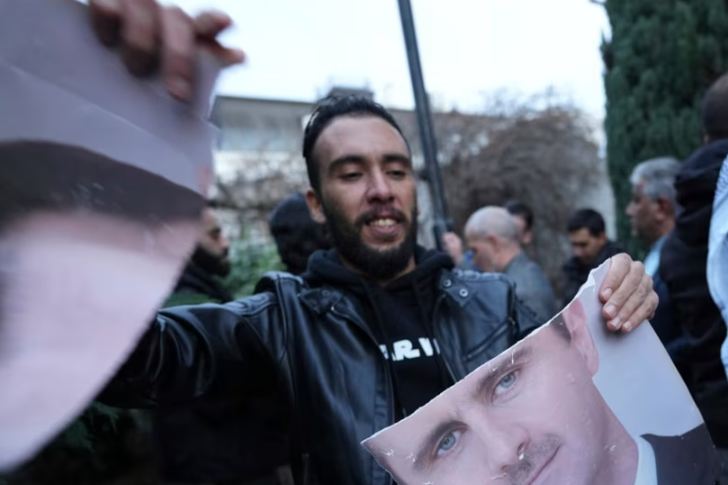
Syrian rebels declared they had ousted President Bashar al...
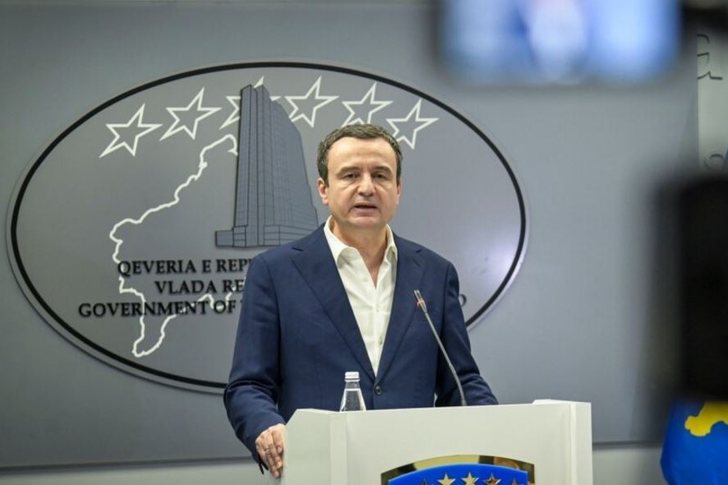
The Prime Minister of Kosovo, Albin Kurti, has published a...
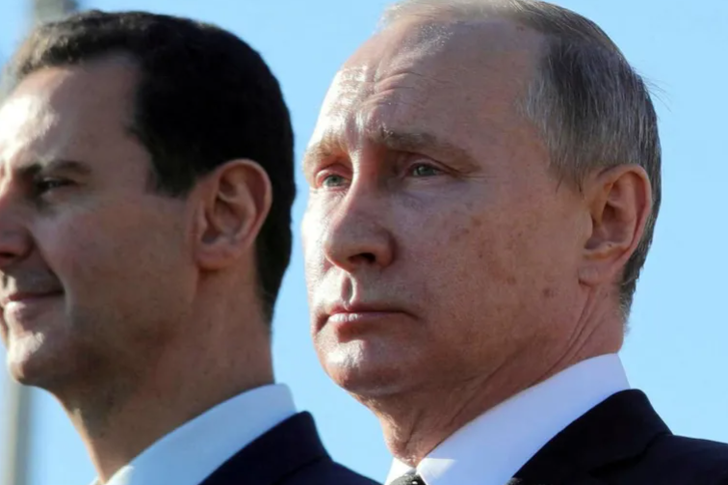
It was Russian firepower that had helped keep Bashar al-As...
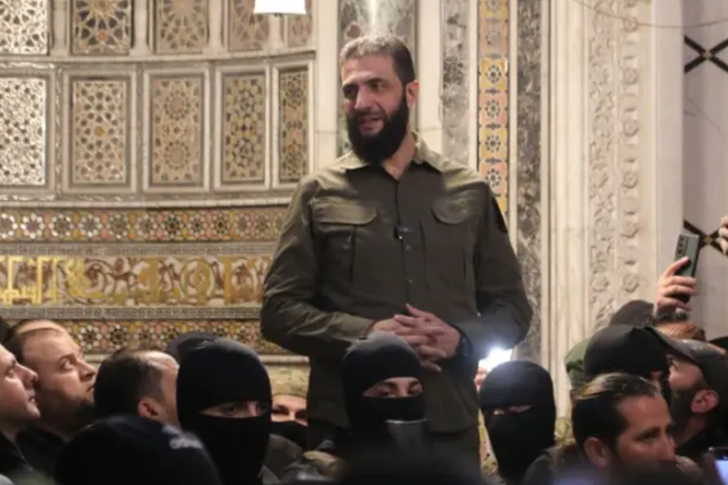
Syrian rebel leader Abu Mohammed al-Jalani addressed the c...
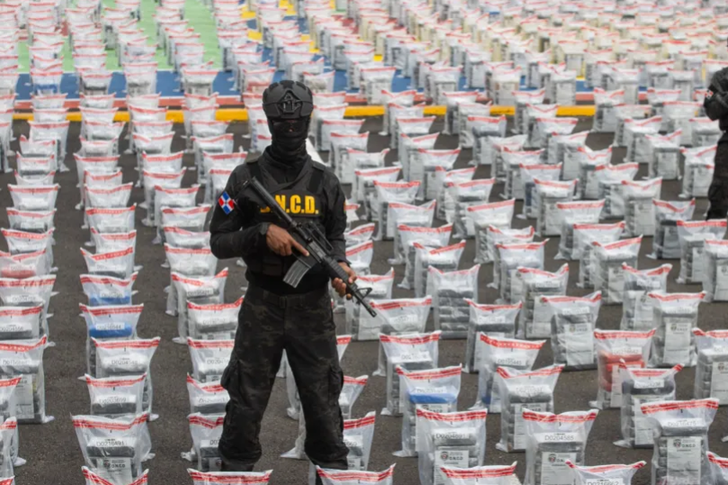
Authorities in the Dominican Republic have seized the ...
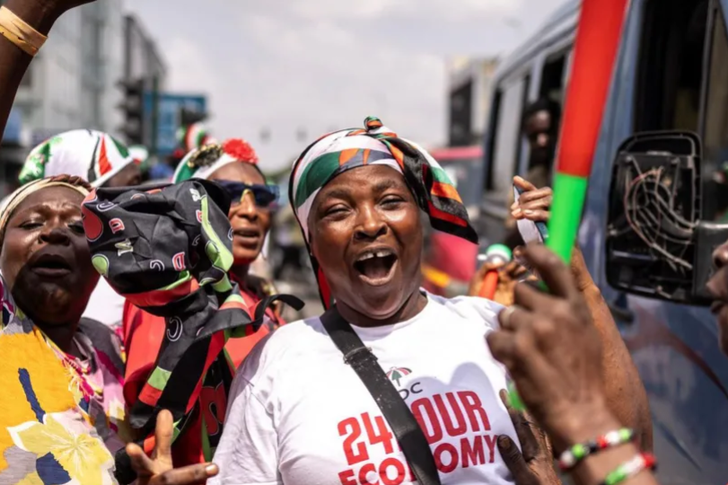
Ghana's vice president, Mahamudu Bawumia, has conceded def...
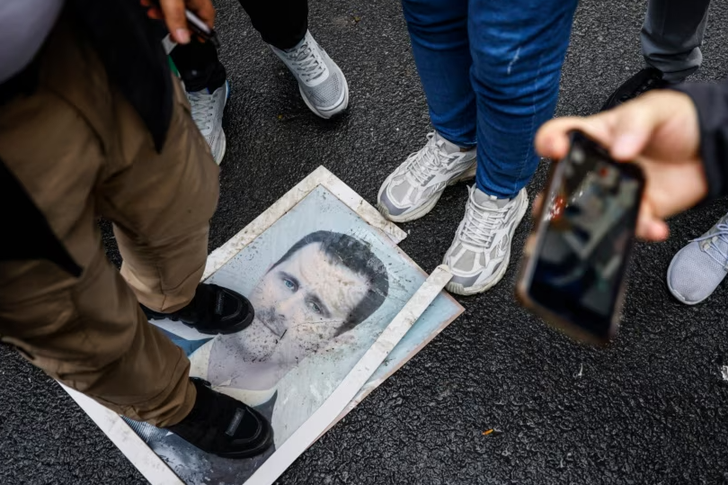
Syrian President Bashar al-Assad fled Damascus on Sunday, ...
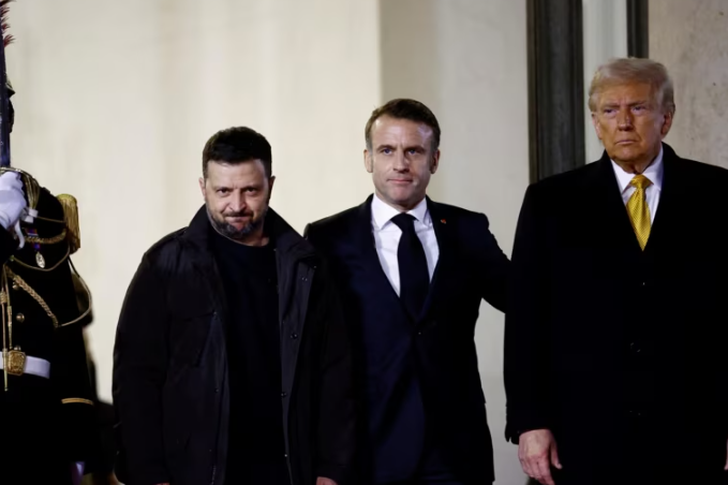
US President-elect Donald Trump called for an immediate ce...
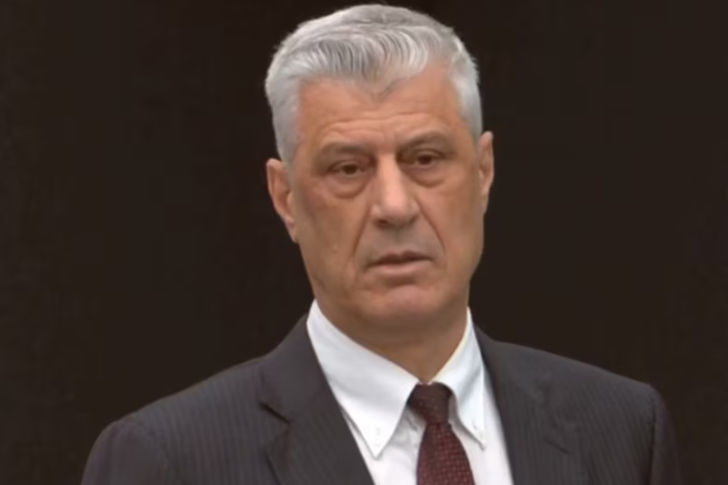
The former president of Kosovo, Hashim Thaçi, did not decl...
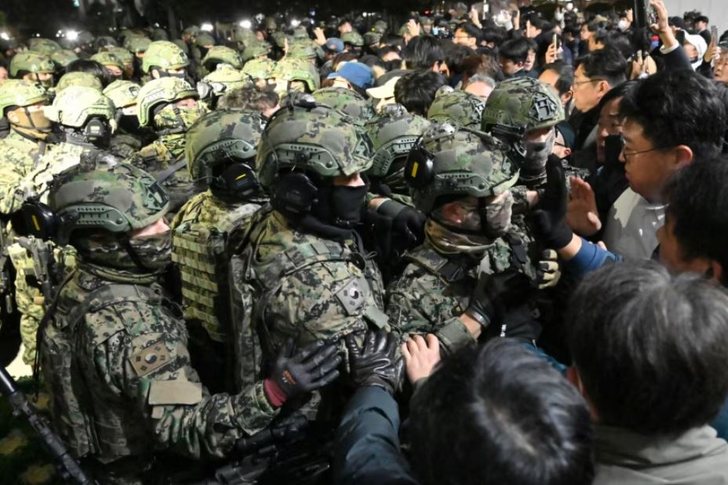
Prosecutors in South Korea have arrested the former defens...
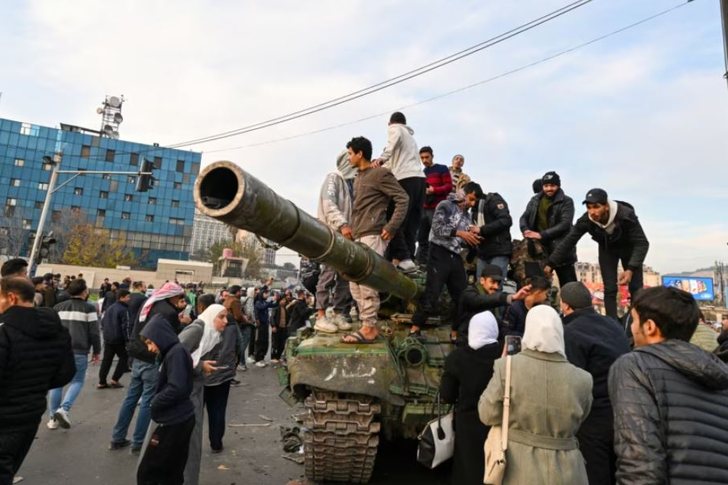
Syrian rebels claimed early in the morning of December 8 t...
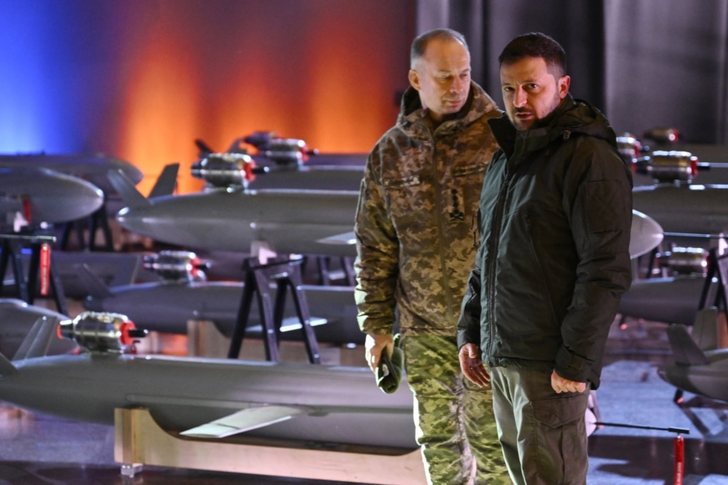
Ukrainian President Volodymyr Zelensky on Friday presented...
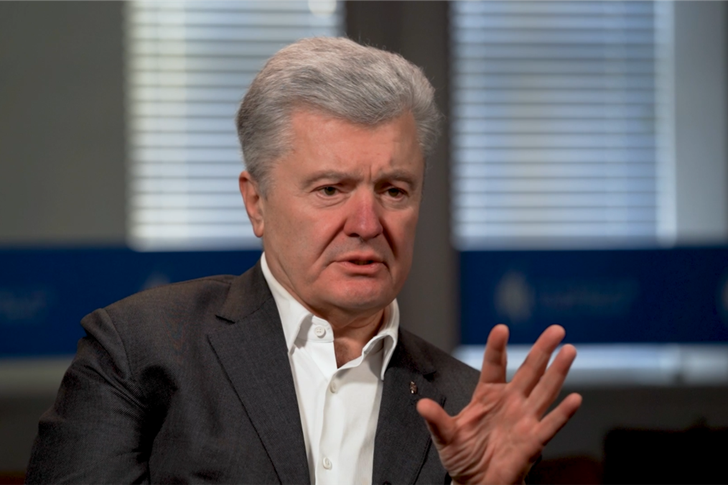
Former Ukrainian President Petro Poroshenko, now head of t...
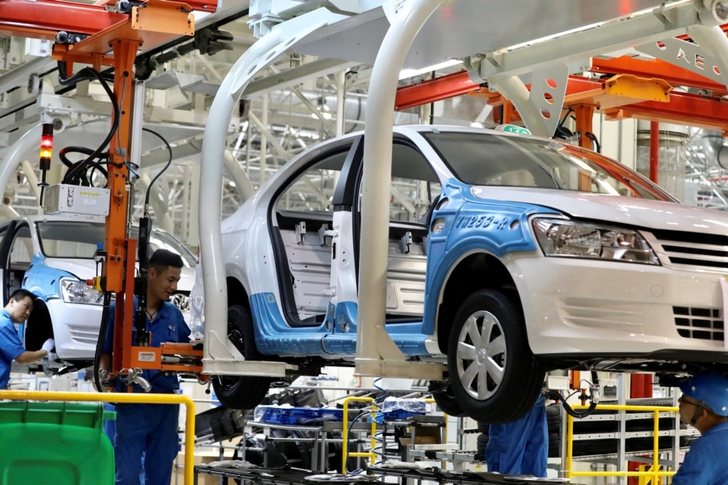
Volkswagen is planning to make massive layoffs, prompting ...

Through social media posts, President-elect Donald Trump h...
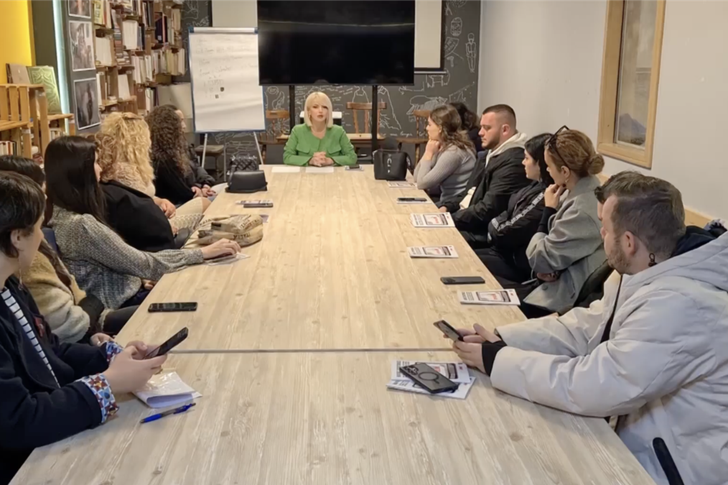
The Independent Forum of Albanian Women published the moni...
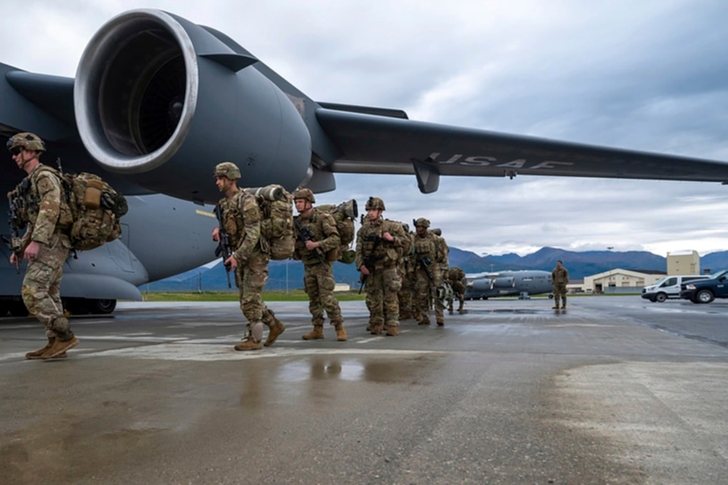
Most Americans want the United States to lead on the globa...
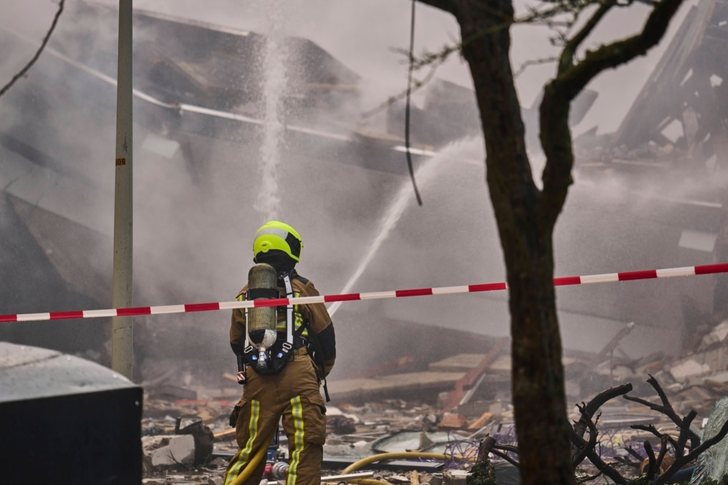
Rescuers are searching through the rubble of a three-story...
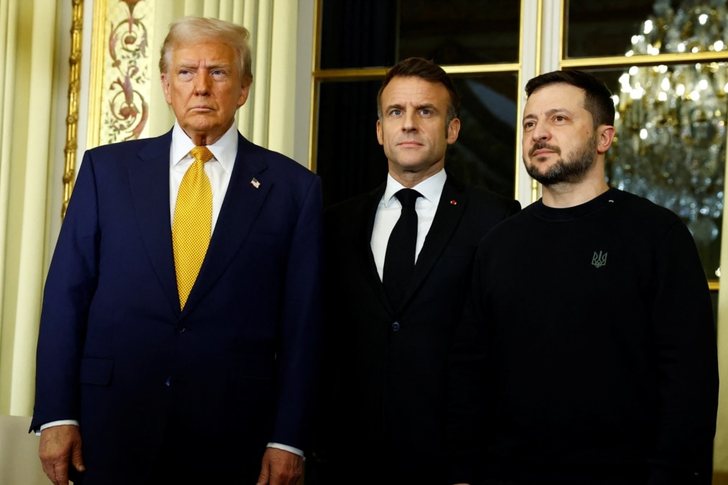
Ukrainian President Volodymyr Zelensky held trilateral tal...
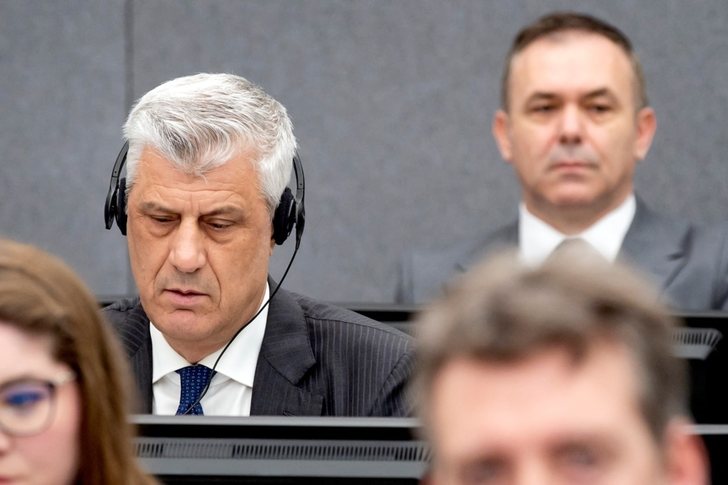
The Specialized Chambers and the Office of the Specialized...

CNA has launched another investigation that could lead to ...

Irfan Hysenbelliu is a businessman that we call "Irfan the...

In March 2026, CNA launched another investigation centered...
The arrested mayor of Tirana, Erion Veliaj, with 13 charge...

The Special Board of Appeal (KPA) decided this Monday ...

The KPA vetting decided this Thursday to dismiss the p...

Suela Salavaçi, a prosecutor in the Prosecutor's Offic...

The Special Board of Appeal reinstated the prosecutor ...
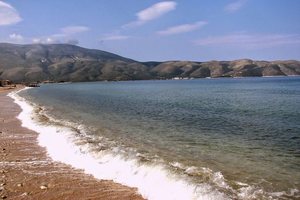
A person has died today on Orikum beach. According to repo...
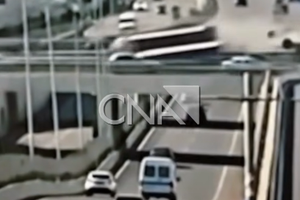
Footage emerges from the serious accident that occurred th...

A Shkodra traffic police officer was hit with hard objects...
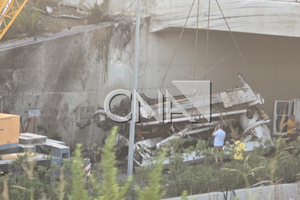
This Wednesday, around 4:00 PM, a serious accident occurre...

On Thursday, our country will be under the influence of st...

A serious accident that occurred this Wednesday with the c...

The Institute of Geosciences has shared a forecast for wea...

Rising energy and fertilizer prices are expected to contin...

Artificial intelligence (AI) models from the American comp...
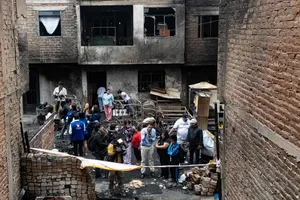
At least 10 people have died after a fire broke out in a h...
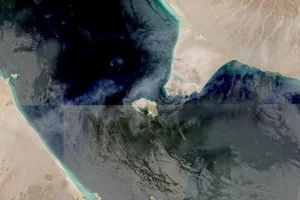
Yemen's Houthis have claimed to have attacked two Saudi oi...
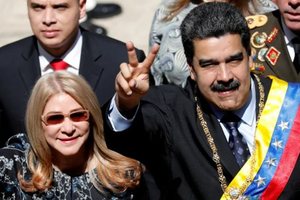
The trial of ousted Venezuelan President Nicolas Maduro on...

At a time when industrial products are increasingly taking...

Trust among people is not just a three-syllable word. It c...

Master of humor Todi Llupi has passed away at the age of 7...

The ninth edition of "MIK Festival" kicked off with one of...

The average sale price of apartments in Tirana reaches rec...

This Thursday, one US dollar is bought for 81.5 lek and so...

The price of diesel reached 206 lek per liter from 198 lek...

Businesses will no longer be required to simply register t...