


Plenary sessions resume with debates/ Rama present in Parliament, podium blocked
Plenary sessions have resumed, with Prime Minister Edi Ram...

Plenary sessions have resumed, with Prime Minister Edi Ram...

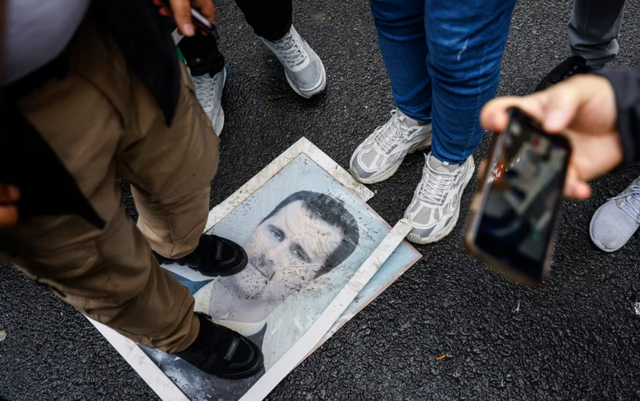
Syrian President Bashar al-Assad fled Damascus on Sunday, December 8, dramatically ending his nearly 14-year struggle to hold on to power as his country was torn apart by a bitter civil war and turned in a battleground for regional and international forces.
Assad's departure is in stark contrast to his first months as Syria's president in 2000. Back then, there had been hopes that he would be a reformist leader after three decades of iron rule by his father, Hafez Assad. .
Just 34 years old, a Western-educated ophthalmologist, he came across as "technically skilled, computer-savvy and mild-mannered," wrote the Associated Press.
But in the face of protests against his rule that erupted in March 2011, Assad returned to his father's brutal tactics in an attempt to quell the protests.
As the uprising turned into open civil war, he deployed the military, with the support of his allies Iran and Russia, destroying opposition-held cities.
International human rights groups and prosecutors have cited the widespread use of torture and extrajudicial killings in detention centers controlled by Syrian authorities.
Almost half a million people have died in the war and half of the population, from 23 million before the war, has been displaced.
In recent years, the conflict has cooled and the Assad government has regained control over most of Syria's territory, while the northwest remains under the control of opposition groups and the northeast under the control of the Kurds.
For Assad, compromise is a sign of weakness
Although official Damascus has remained under Western sanctions with devastating consequences for the Syrian economy, neighboring countries have meanwhile tried to adjust to the political reality that Assad was still in power, controlling 70 percent of the territory he retook with the help of Iran, Hezbollah and Russia, after Moscow's intervention - and establish certain relations with it.
In fact, in recent years more moderate Arab regimes, with the tacit support of Israel and the United States, have attempted to bring Assad back to their side—to "normalize" him as just another Arab despot and thereby try to remove him. by his Iranian supporters, writes The Washington Post. The Arab League renewed in 2023 the membership of Syria - which had been suspended - in the hope that the Assad regime would cooperate to prevent drug trafficking and return refugees.
Last year, the Arab League reinstated Syria's membership, and Saudi Arabia in May appointed its first ambassador to Syria since severing relations with Damascus 12 years ago.
This fall, the administration of US President Joe Biden is said to have discussed, at the initiative of the United Arab Emirates, the possibility of not renewing the toughest US sanctions against Syria when they expire on December 20.
Some European countries, notably Italy, began to have reports in the hope that Assad would return Syrian refugees to the country, perhaps in exchange for sanctions relief.
Turkey has also been keen to reach a similar deal, as it hosts more than 3 million Syrian refugees, said Professor Christopher Philips of Chatham House in London. But the negotiations broke down due to Assad's refusal to grant Ankara a large neutral zone inside Syria to keep Kurdish militants away from Turkish territory, as well as failure to meet any of the other demands.
Instead, Assad continued attacks on rebel-held Idlib, prompting thousands of new refugees to seek refuge near the border with Turkey.
Turkey's apparent approval of attacks by rival Islamist group Hayat Tahrir al-Sham (HTS) suggests its patience with Assad has run out, as confirmed by the participation of the Ankara-backed Syrian National Army in the latest offensive. north and east of Aleppo. Assad has always considered compromise as a sign of weakness, Syrian analyst Malik al-Abdeh said.
However, the geopolitical situation quickly changed when rebel groups in northwest Syria launched a surprise offensive in late November.
A weakened Iran and Russia's involvement in Ukraine
Government forces were quickly overwhelmed, while Assad's allies, preoccupied with other conflicts — Russia's war in Ukraine and the year-long wars between Israel and Iran-backed terrorist groups Hezbollah and Hamas — were unwilling to intervene any longer. seen.
Although the Russian air force tried to help the Syrian army with airstrikes against the rebels, and Iran announced the dispatch of Shia militia units from Iraq, the assistance provided was insufficient. Dissatisfaction even among Assad's supporters
Over the past five years, Syrians have become poorer and the regime has done little to improve their living conditions, said Syrian economic expert Jihad Yazigi.
With rising taxes, expropriation of land and an economy that is collapsing, "here we also have the corruption of the regime, which is integrated into every segment of the state."
Yazigi added that neglect of the suffering of Syrians and greed from the Assad family have contributed to the spread of discontent beyond the territories controlled by his opponents, spreading throughout Syrian society, including in areas where his religious minority loyalists live. Alawite, to which Assad also belongs.
Assad took power in 2000 and his rise to power was a matter of luck. His father had groomed his eldest son, Basil, as heir, but in 1994 Basil died in a car accident in Damascus.
Bashar al-Assad returned to Syria, leaving his job as an ophthalmologist in London. After his return, he underwent military training and was promoted to the rank of colonel to strengthen his position so that he would one day be able to rule.
When Hafez Assad died in 2000, Parliament quickly lowered the minimum age for president from 40 to 34.
Bashar al-Assad's rise to power was confirmed in a national referendum, where he was the only candidate.
Hafez Assad ruled the country for nearly 30 years, practicing a centralized, Soviet-style economy. At the same time, he ruled with an iron fist, so much so that Syrians were afraid to joke about politics, even in conversations with friends.
In 1982, in the city of Hama - which rebels took last week - Hafez al-Assad's army killed thousands of opponents, ending an uprising led by the Muslim Brotherhood.
Hafez Assad pursued a secular ideology, trying to erase sectarian and religious differences, promoting Arab nationalism and creating an image of fierce resistance against Israel.
He forged an alliance with Iran's Shiite clerical leaders, sealed Syrian dominance over Lebanon, and established a network of Palestinian and Lebanese militant groups. He seemed more moderate than his father
Bashar al-Assad initially seemed completely different from his father, who was a powerful and ruthless leader. Tall and lean, he had the demeanor of a quiet, withdrawn man.
His only official position, before becoming president, was as head of the Syrian Computer Association.
His wife, Asma al-Akhras, whom he married a few months after taking office, a former banker of Syrian descent who grew up in London, helped improve that image, CNN writes.
The young couple, who have three children, seemed to avoid the trappings of power. They lived in an apartment in the luxurious Abu Rumane neighborhood in Damascus, unlike the lavish villas of other Arab leaders.
In the first years of taking power, Assad released political prisoners and allowed a more open discourse in society.
In the period known as the "Damascus Spring," from 2000 to 2001, salons for intellectuals emerged where Syrians could discuss art, culture and politics — something unimaginable during the rule of Bashar al-Assad's father.
However, after 2001, when 1,000 intellectuals signed a public petition calling for multiparty democracy and greater freedoms, and others attempted to form a political party, the salons were closed by the secret police, who arrested dozens of activists.
Economic openness to the world
Instead of opening up the country politically, Assad turned to economic reforms.
Gradually, he removed economic restrictions, allowed foreign banks to operate, opened the doors to imports and empowered the private sector.
Damascus and other cities, long plunged into a state of gloom, experienced a boom in the construction of shopping malls, new restaurants and consumer goods. Tourism flourished.
Abroad, he followed the policy established by his father, maintaining the alliance with Iran and insisting on the full return of the Israeli-annexed Golan Heights, although in practice Assad never engaged militarily in a conflict with Israel. .
In 2005, it suffered a severe blow with the loss of Syria's long-held control over neighboring Lebanon, following the assassination of former Prime Minister Rafik Hariri.
After many Lebanese accused Damascus of being behind the killing, Syria was forced to withdraw troops from Lebanon, where a pro-American government came to power.
Support to Iran
At the same time, the Arab world split into two blocs: one led by Sunni states and US allies such as Saudi Arabia and Egypt.
The other was led by Shiite Iran, then Syria – with its Alawite Shiite minority – and other Shiite groups across the region, with Lebanon's Hezbollah being the most powerful, but also the Sunni Palestinian group Hamas. All the while, Assad relied largely on the same base of power inside the country as his father: his Alawite sect, an offshoot of Shiite Islam to which a small percentage of Syria's population belong.
Many positions in his government were given to younger generations of the same families that had worked for his father. He also brought into government members of a new middle class created by his reforms, including prominent Sunni merchant families.
The Assad family's control over Syria
Assad also relied on his family. His younger brother, Maher, led the elite Presidential Guard that suppressed the uprisings.
Their sister, Bushra, was a powerful voice in his inner circle, along with her husband, Deputy Defense Minister Asef Shaukat, until he died in an attack in 2012.
Bashar al-Assad's cousin, Rami Makhlouf, became the country's biggest businessman, running a financial empire, until the two broke up, forcing Makhlouf out of the picture and into oblivion.
Assad also gave more important roles to his wife, before she announced in May that she was being treated for leukemia and retired from state duties.
Assad's accusations of war
When protests erupted in Tunisia and Egypt in 2011, toppling leaders there, Assad ruled out the same happening in his country, insisting his regime was more in tune with its people.
After the wave of the Arab Spring reached Syria, his security forces clashed brutally with opponents, while Assad denied he was facing a popular uprising.
Instead, he blamed "foreign-backed terrorists" who were trying to destabilize his regime.
His rhetoric was welcomed by many minority groups in Syria – including Christians, Druze and Shiites – as well as some Sunnis, who feared the possibility of Sunni extremists ruling more than Assad's authoritarian rule.
As the uprising turned into civil war, millions of Syrians fled to Jordan, Turkey, Iraq and Lebanon, as well as to Europe. In May 2011, then-US President Barack Obama declared that the Assad regime had "chosen the path of mass killings and arrests of its own citizens" and invited him to lead a democratic transition "or leave power".
But the Western-sanctioned and internationally isolated regime has so far stayed in power thanks to the support of powerful allies such as Russia and Iran and a relentless campaign against the opposition.
Assad's forces have been accused of gross human rights abuses and brutal attacks on civilians during the 13-year civil war, including using chemical weapons against their own people.
Assad had been re-elected with an absolute majority every seven years, most recently in 2021, in an election that the US, UK, France, Germany and Italy have called a "sham election."
Assad had warned Western nations not to support rebel groups fighting his forces, saying the militants would one day attack the US and others.
Later, in 2015, he declared that Syria would not join the US-led coalition aimed at destroying the Islamic State terrorist group, which controlled parts of war-torn Syria.
That year, his regime was on the verge of collapse, but he survived and strengthened his position thanks to Russian military intervention.
The conflict is the epicenter of Assad's brutal legacy, which has left hundreds of thousands dead. The United Nations, earlier this year, stated that there are over 7 million internally displaced people and over 6 million people who have fled Syria.
It is ironic since on February 26, 2011, two days after the fall of Egypt's Hosni Mubarak and just days before the wave of Arab Spring protests swept Syria, Assad had sent an email joking about the Egyptian leader's stubbornness in refusing to withdrew peacefully, the Associated Press recalled./ Rel

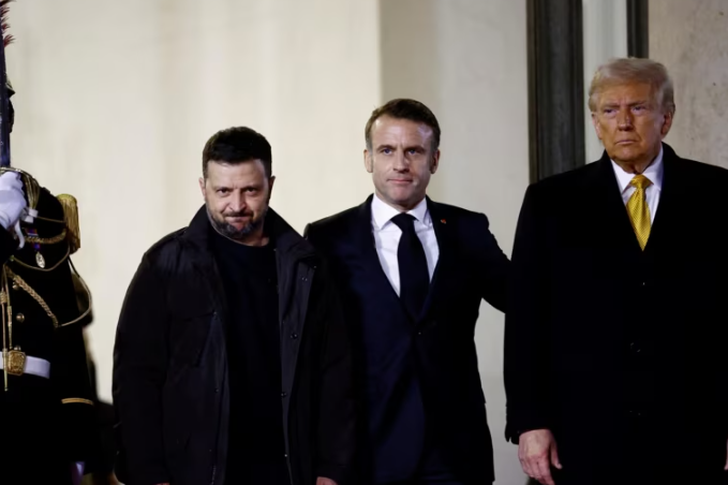
US President-elect Donald Trump called for an immediate ce...
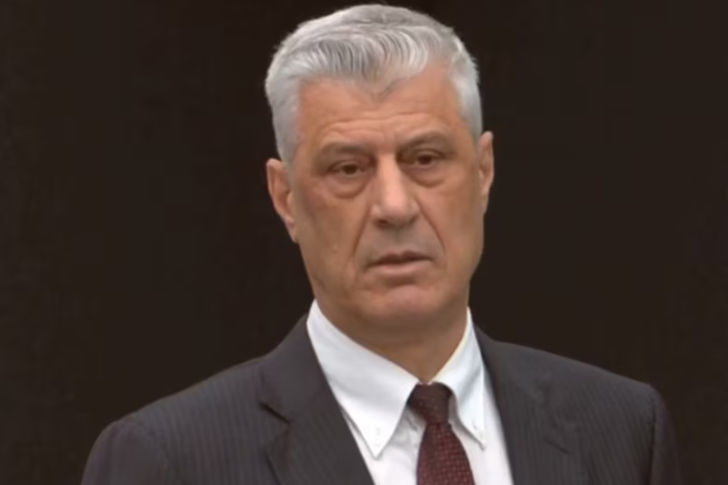
The former president of Kosovo, Hashim Thaçi, did not decl...
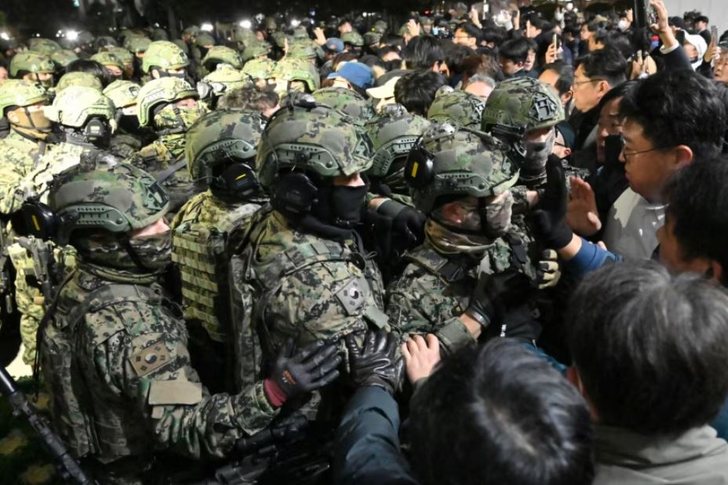
Prosecutors in South Korea have arrested the former defens...
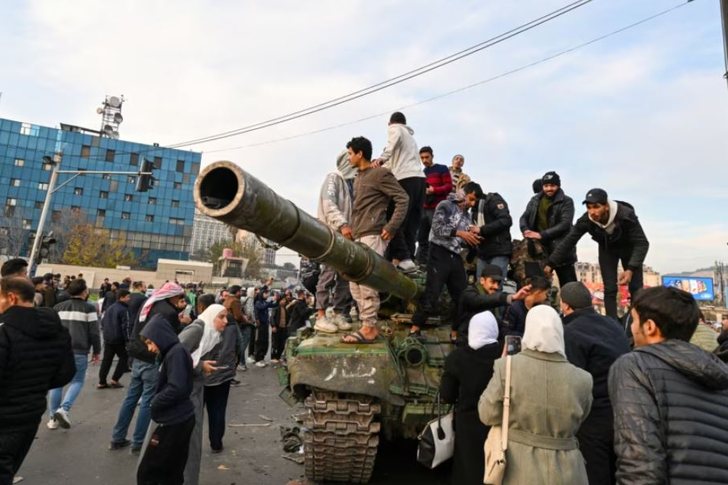
Syrian rebels claimed early in the morning of December 8 t...
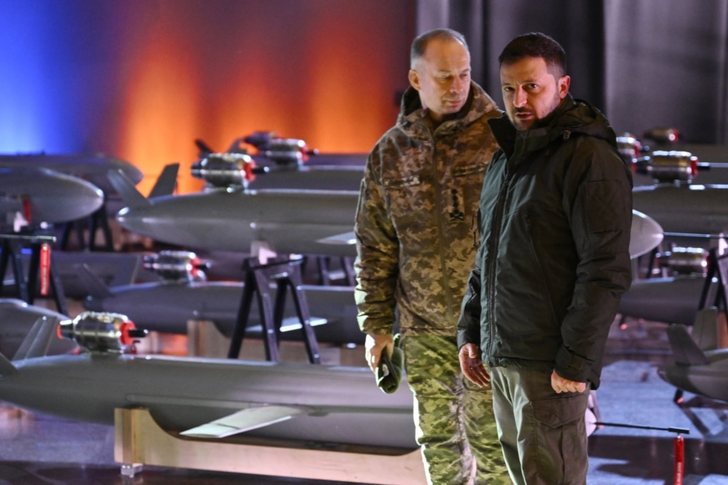
Ukrainian President Volodymyr Zelensky on Friday presented...
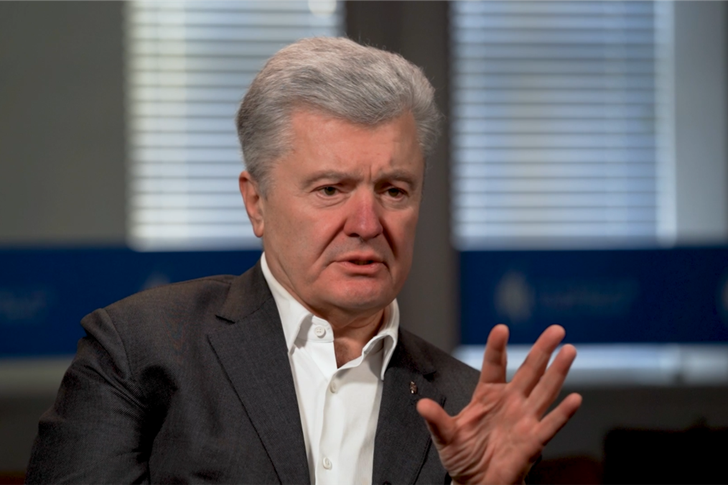
Former Ukrainian President Petro Poroshenko, now head of t...
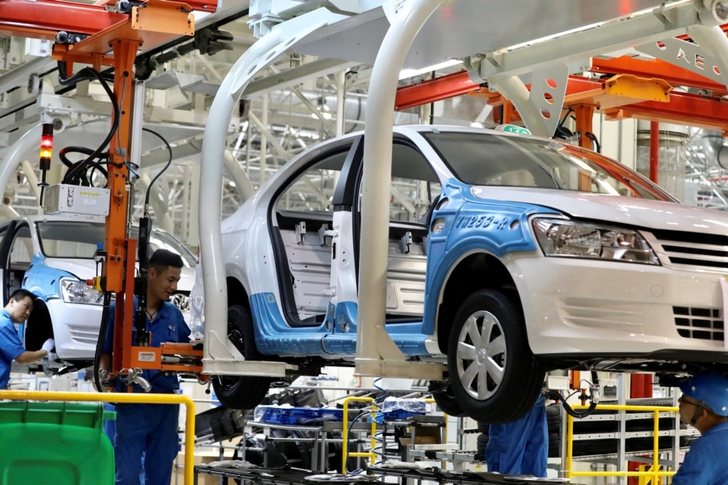
Volkswagen is planning to make massive layoffs, prompting ...

Through social media posts, President-elect Donald Trump h...

The Independent Forum of Albanian Women published the moni...
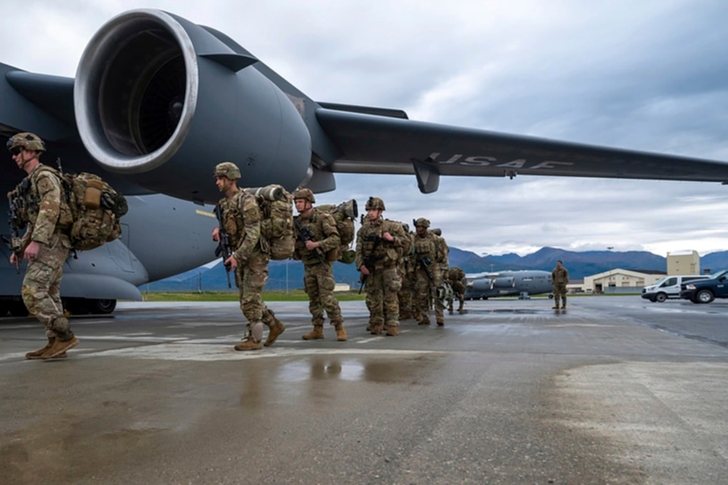
Most Americans want the United States to lead on the globa...
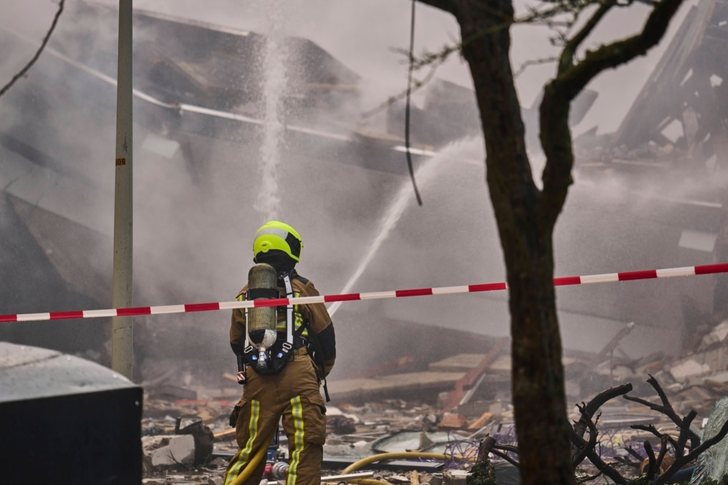
Rescuers are searching through the rubble of a three-story...
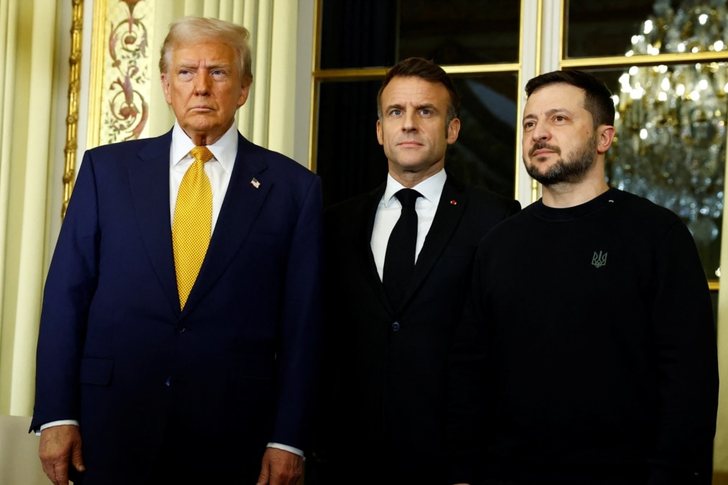
Ukrainian President Volodymyr Zelensky held trilateral tal...
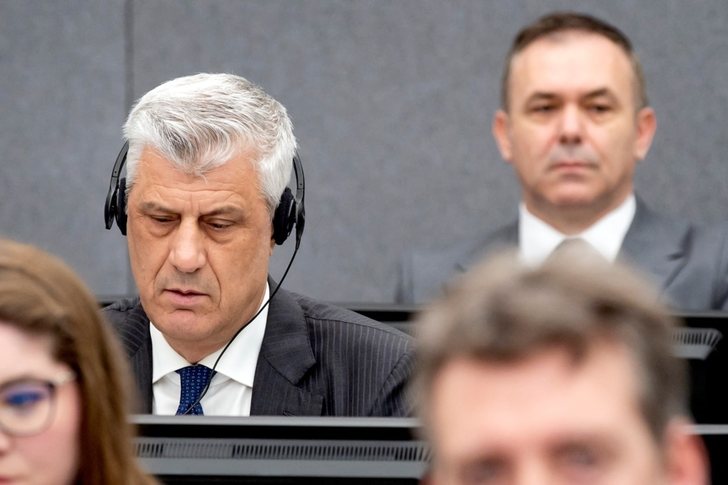
The Specialized Chambers and the Office of the Specialized...

Syrian rebels have reached the outskirts of Damascus as pa...

A motion to impeach South Korean President Yoon Suk Yeol f...
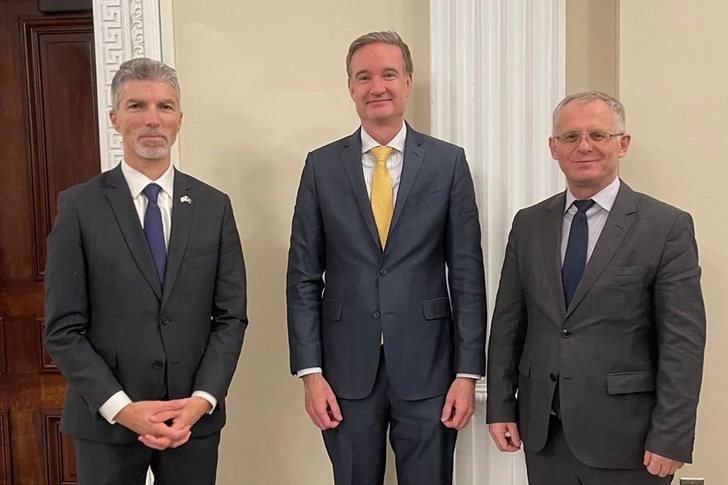
The Deputy Prime Minister of Kosovo, Besnik Bislimi, durin...

At least 29 people have been killed, including four medica...
Ukrainian President Volodymyr Zelenskyy on Friday unveiled...
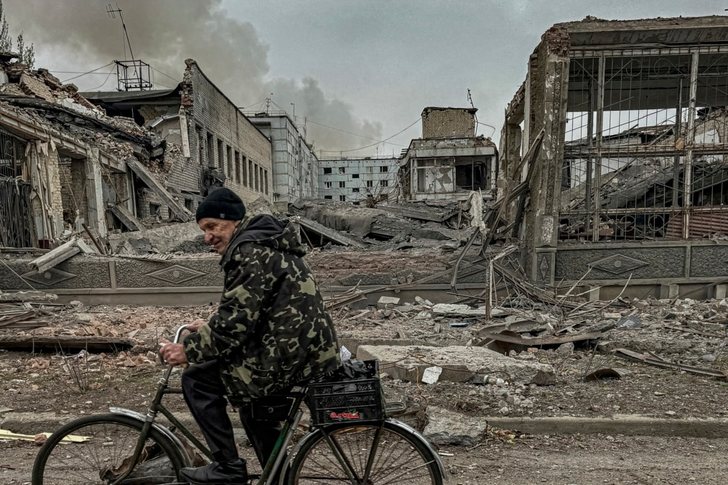
Russia announced on Friday that its forces had taken contr...
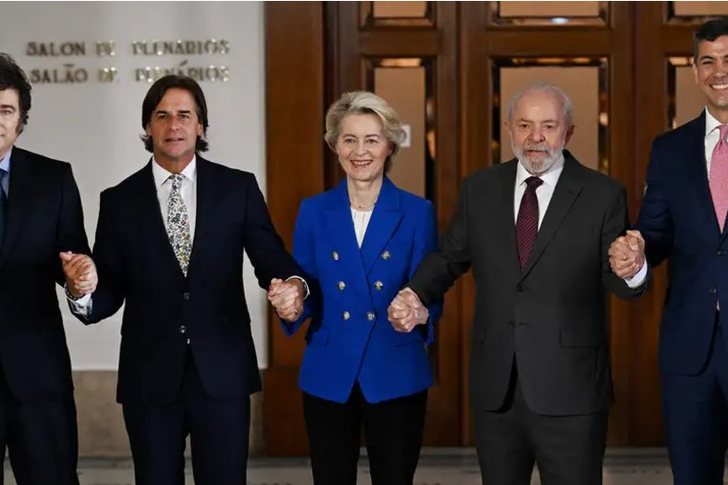
In addition to the host country Uruguay, the Mercosur econ...
CNA has launched another investigation that could lead to ...

Irfan Hysenbelliu is a businessman that we call "Irfan the...
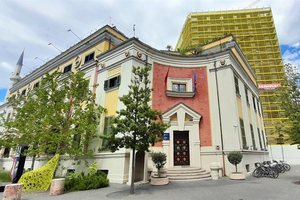
In March 2026, CNA launched another investigation centered...
The arrested mayor of Tirana, Erion Veliaj, with 13 charge...

The Special Board of Appeal (KPA) decided this Monday ...

The KPA vetting decided this Thursday to dismiss the p...

Suela Salavaçi, a prosecutor in the Prosecutor's Offic...

The Special Board of Appeal reinstated the prosecutor ...
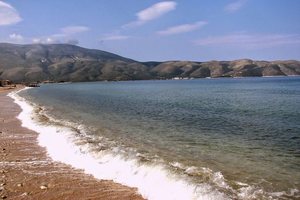
A person has died today on Orikum beach. According to repo...

Footage emerges from the serious accident that occurred th...

A Shkodra traffic police officer was hit with hard objects...
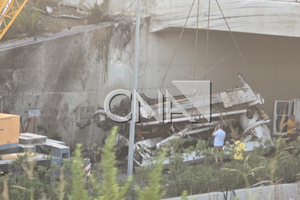
This Wednesday, around 4:00 PM, a serious accident occurre...

Children without parental care, for whom alternative famil...

On Thursday, our country will be under the influence of st...
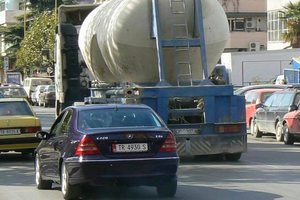
A serious accident that occurred this Wednesday with the c...

The Institute of Geosciences has shared a forecast for wea...

Artificial intelligence (AI) models from the American comp...
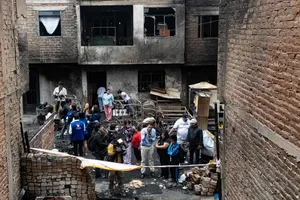
At least 10 people have died after a fire broke out in a h...
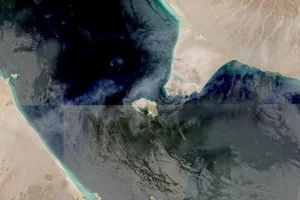
Yemen's Houthis have claimed to have attacked two Saudi oi...
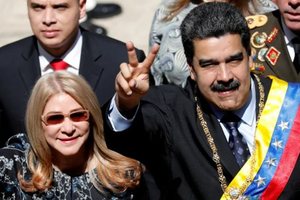
The trial of ousted Venezuelan President Nicolas Maduro on...
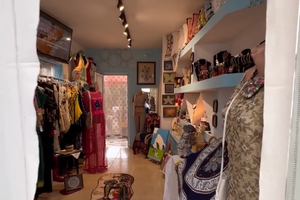
At a time when industrial products are increasingly taking...

Trust among people is not just a three-syllable word. It c...

Master of humor Todi Llupi has passed away at the age of 7...

The ninth edition of "MIK Festival" kicked off with one of...
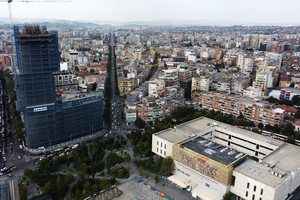
The average sale price of apartments in Tirana reaches rec...

This Thursday, one US dollar is bought for 81.5 lek and so...

The price of diesel reached 206 lek per liter from 198 lek...

Businesses will no longer be required to simply register t...