


Plenary sessions resume with debates/ Rama present in Parliament, podium blocked
Plenary sessions have resumed, with Prime Minister Edi Ram...

Plenary sessions have resumed, with Prime Minister Edi Ram...

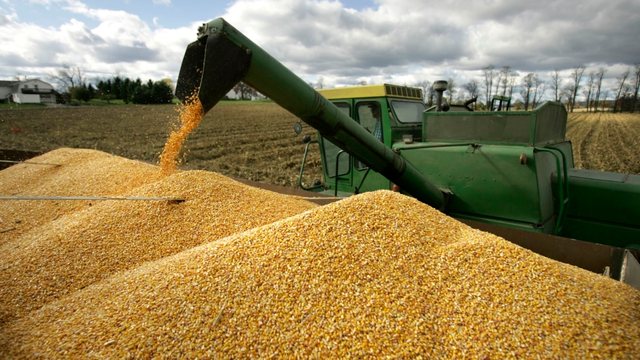
Through social media posts, President-elect Donald Trump has threatened to impose tariffs on Canada, China and Mexico, three of the United States' top trading partners. Farmers and economists fear the tariffs could have a negative impact on the US economy.
When then-President Donald Trump signed the 2020 U.S.-Mexico-Canada Trade Agreement, Illinois farmer David Isermann saw it as a positive move for U.S. trade policy.
"It was something that had to be done, and he deserves credit for it because the prior agreement was problematic," he says.
But Mr. Trump's recent comments on social media in which he proposed imposing tariffs on Canada and Mexico would violate the 2020 trade deal and could affect the price of corn and soybeans, products that the United States exports to those places, which are major sources of income for farmers like David Isermann.
"The problem with imposing a tariff is that it can trigger a tariff war between countries," he says.
"If we impose these types of tariffs, then many of our trading partners will retaliate by imposing similar tariffs on our country."
Kimberly Clausing is an economist at the University of California, Los Angeles.
"Indeed no rich country relies on tariffs as a substantial source of revenue," she says.
"To me the most beautiful word in the dictionary is tariff."
Speaking at the Economic Club of Chicago during the presidential campaign in October, Mr Trump detailed why he believes the tariffs could help the US economy.
"First the tariffs protect the companies we have here and the new companies that will come here. We will have thousands of companies coming to this country. We will increase their number like never before," he said.
In a report released in June of this year, the nonpartisan, nonprofit Tax Foundation said that tariffs imposed on about $380 billion worth of products during President Trump's first administration cost Americans about $80 billion in new taxes.
President Joe Biden's administration kept most of those tariffs in place and added about $18 billion in new tariffs on Chinese goods, including on microprocessors and electric cars. According to the Tax Foundation, tariffs imposed over the past seven years have reduced gross domestic product by 0.2 percent and eliminated about 140,000 full-time jobs in the United States.
"The tariffs are not a competitive advantage for Illinois farmers or the American agriculture sector."
Ryan Whitehouse is director of legislative affairs at the Illinois Farm Bureau and works with legislators to protect farmers' interests. In 2019, China imposed retaliatory tariffs on US soybean exports, making China dependent on other suppliers. This year, US soybean imports into China were at 18%, up from 40% in 2016, while Chinese customs data show soybean imports from Brazil rose to 76%.
Ryan Whitehouse is concerned that a new wave of retaliatory tariffs would hurt US corn and soybean farmers who are already struggling with low prices.
"The path followed by Mr. Trump's previous administration is cause for concern. We want to make sure we open those markets, not close them,” he says.
"We're going to have the largest agricultural trade deficit in a long time," says farmer David Isermann.
That's why farmer David Isermann hopes the debate over the new fees won't lead to actions that could affect his income.
"History shows that there are no winners in this kind of war," he says./ VOA


The Independent Forum of Albanian Women published the moni...

Most Americans want the United States to lead on the globa...

Rescuers are searching through the rubble of a three-story...
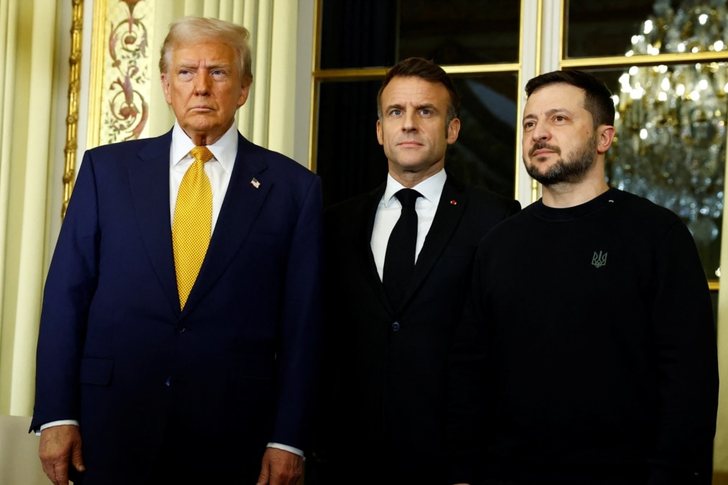
Ukrainian President Volodymyr Zelensky held trilateral tal...
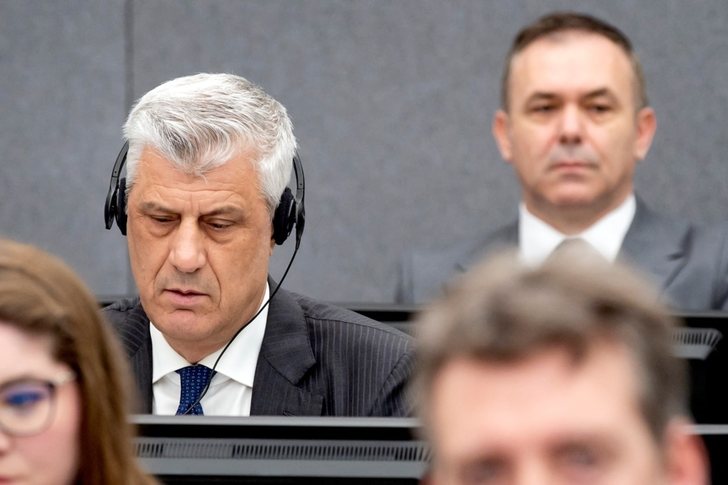
The Specialized Chambers and the Office of the Specialized...

Syrian rebels have reached the outskirts of Damascus as pa...

A motion to impeach South Korean President Yoon Suk Yeol f...
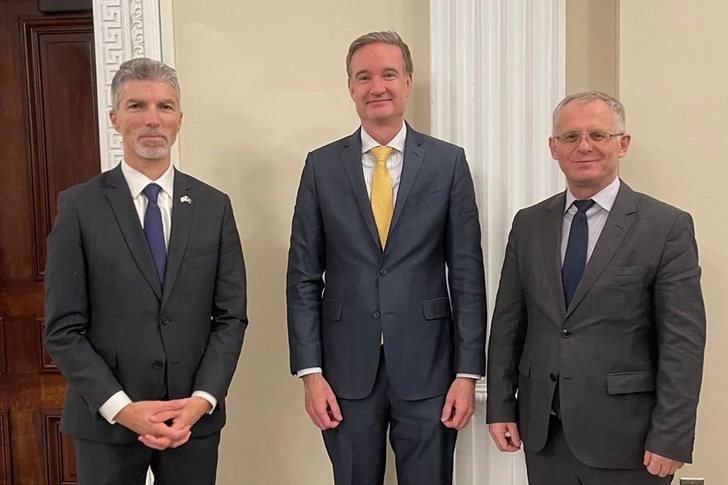
The Deputy Prime Minister of Kosovo, Besnik Bislimi, durin...

At least 29 people have been killed, including four medica...

Ukrainian President Volodymyr Zelenskyy on Friday unveiled...
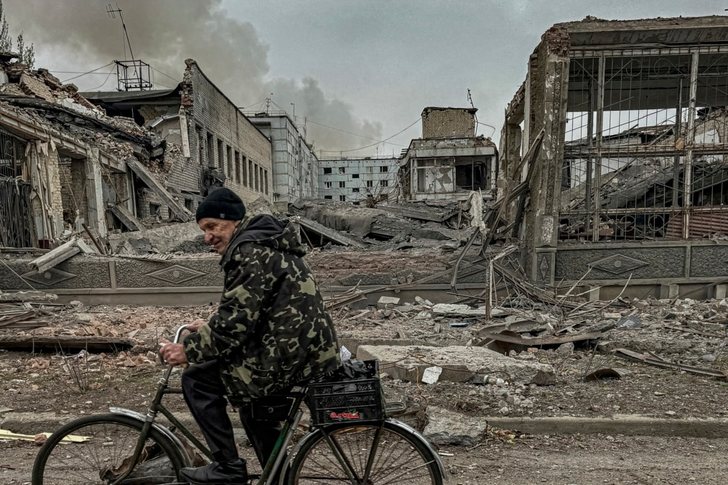
Russia announced on Friday that its forces had taken contr...
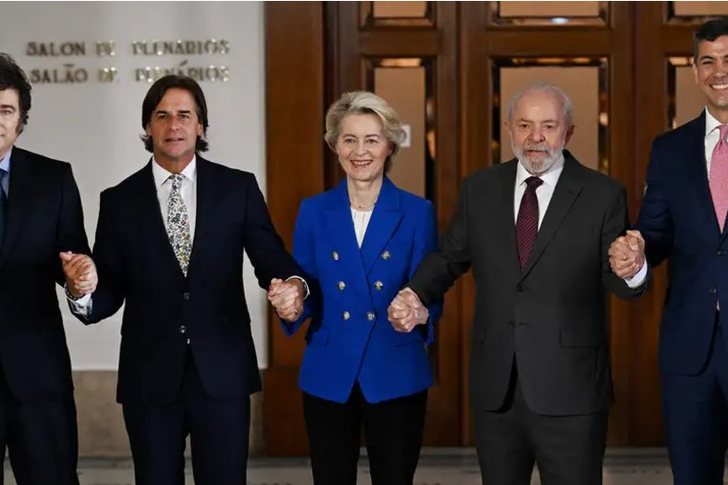
In addition to the host country Uruguay, the Mercosur econ...
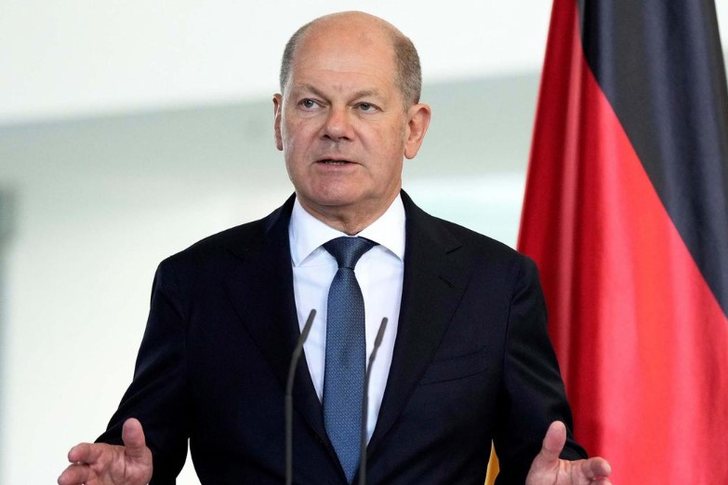
On February 23, 2025, German citizens will elect a new cha...
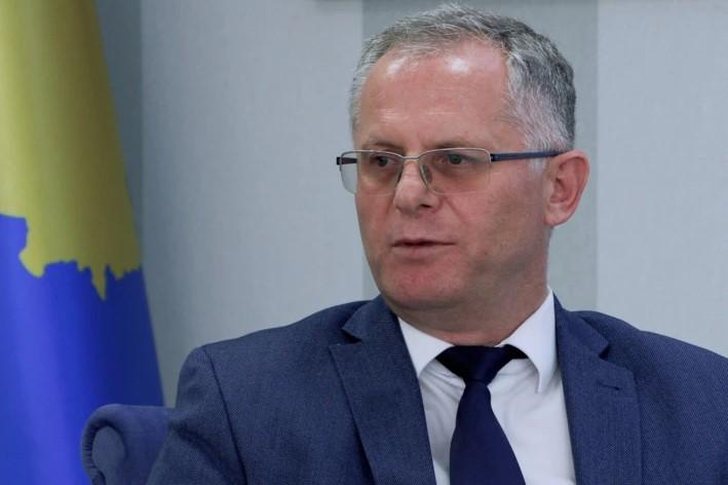
The Deputy Prime Minister of Kosovo, Besnik Bislimi, s...
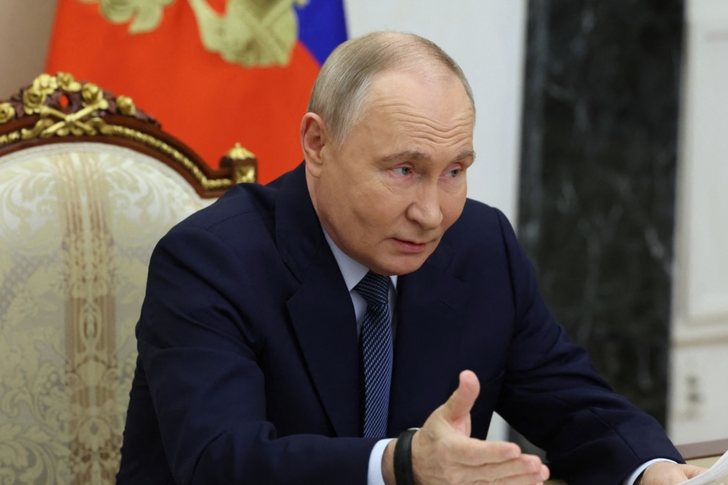
Russian President Vladimir Putin said on Friday that Russi...

President-elect Donald Trump on Friday publicly endorsed h...
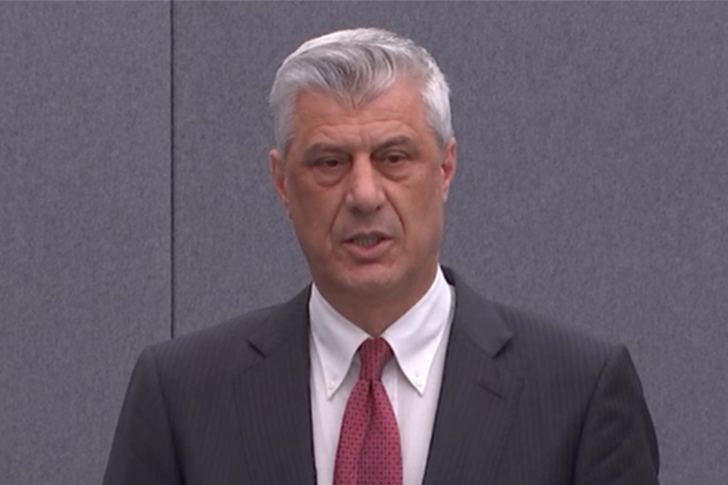
The Special Court in The Hague has filed a new indictment ...

Syrian rebels entered two more towns on Friday, north of t...

Romania's Constitutional Court today annulled the first ro...
Syrian rebels entered two more towns on Friday, north of t...

CNA has launched another investigation that could lead to ...

Irfan Hysenbelliu is a businessman that we call "Irfan the...

In March 2026, CNA launched another investigation centered...
The arrested mayor of Tirana, Erion Veliaj, with 13 charge...

The Special Board of Appeal (KPA) decided this Monday ...

The KPA vetting decided this Thursday to dismiss the p...

Suela Salavaçi, a prosecutor in the Prosecutor's Offic...

The Special Board of Appeal reinstated the prosecutor ...

A person has died today on Orikum beach. According to repo...

Footage emerges from the serious accident that occurred th...

A Shkodra traffic police officer was hit with hard objects...

This Wednesday, around 4:00 PM, a serious accident occurre...

Children without parental care, for whom alternative famil...

On Thursday, our country will be under the influence of st...

A serious accident that occurred this Wednesday with the c...

The Institute of Geosciences has shared a forecast for wea...

Artificial intelligence (AI) models from the American comp...

At least 10 people have died after a fire broke out in a h...

Yemen's Houthis have claimed to have attacked two Saudi oi...

The trial of ousted Venezuelan President Nicolas Maduro on...

At a time when industrial products are increasingly taking...

Trust among people is not just a three-syllable word. It c...

Master of humor Todi Llupi has passed away at the age of 7...

The ninth edition of "MIK Festival" kicked off with one of...

The average sale price of apartments in Tirana reaches rec...

This Thursday, one US dollar is bought for 81.5 lek and so...

The price of diesel reached 206 lek per liter from 198 lek...

Businesses will no longer be required to simply register t...