


Parliament gives green light to proposal for changes to the 2026 Budget
The Assembly has approved two normative acts presented by ...

The Assembly has approved two normative acts presented by ...

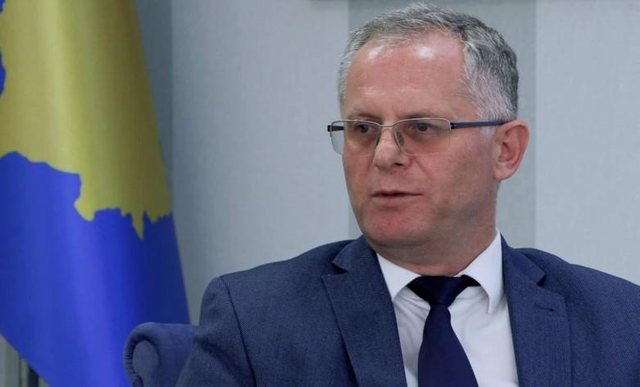
The Deputy Prime Minister of Kosovo, Besnik Bislimi, says that Serbia is behind the explosion in the water supply channel from Lake Ujman and therefore it would not be logical to become part of the crime investigation. Although Belgrade has denied having a role in the explosion that has further strained relations between the two countries, Mr. Bislimi said in an interview for the Voice of America that "all the information we have leads to only one address." According to the Deputy Prime Minister, who is also Kosovo's chief negotiator in the talks with Serbia mediated by the European Union, this latest incident reconfirms that Serbia is not interested in normalizing relations and that it alone is responsible for the stalemate, despite Western criticism. to both parties.
VOA: Tensions have risen over last week's explosion. Although the Kosovo government accused Serbia of being behind the explosion, Serbia itself has denied such a thing. Would Kosovo be ready to accept Serbia's cooperation in the investigation of this explosion, this issue?
Besnik Bislimi: It would be illogical that at this stage the main address to which the crime is attributed would become part of the crime investigation. Therefore, I think it is impossible for the investigators from Serbia to become part of the investigations. For the moment there is no need. Our institutions have asked for help internationally, but not from Serbia.
Voice of America: A conclusion has not yet been reached as to who is behind this explosion...
Besnik Bislimi: Now we must take care that the terrorist attack that happened in the irrigation canal, or the water supply, in Ibër Lepenc, does not become a test of Kosovo's ability to prove the perpetrator of the crime, and of Serbia's ability to carry out a perfect crime. All the information we have leads to only one address and I think it would be illogical to now deal with whether there is enough evidence or not. What is important is to analyze what was the primary purpose of this attack. Was it only the damage to the channel, or was the intention to destroy it completely, so that then the supply of electricity, water and communications is impossible? Or was it just the intention to send the signal that Serbia still has the potential to destabilize Kosovo and then use this to increase their negotiating power in Brussels.
Voice of America: Mr. Bislimi, have you asked for international help to investigate this incident, this explosion?
Besnik Bislimi: Police institutions have requested cooperation with certain international segments, but we must also understand the nature of the crime. The terrorist attack happened in the channel that brings water. It means that the explosion also happened there and therefore it will be difficult to find certain evidence at the scene of the crime. The evidence we have relates to communications that occurred before the attack and possibly after it, which then requires a different nature of forensics.
Voice of America: What impact do you think such an event will have on the general process of negotiations and talks?
Besnik Bislimi: Now, the signals that are important for us is that we are not (simply) dealing with a terrorist act, but part of a wider plan, which prove that Serbia has other agendas. It means that Serbia is not interested in normalizing relations. Appearing in Brussels, Serbia only serves to continue absorbing financial funds from the European Union, which are then combined with pro-Russian influence. But in the dialogue talks, Serbia's participation is only pro forma, and their only contribution in Brussels is the press conference they organize after the meetings, where they show their constructiveness and willingness to cooperate. But in fact, this participation has always been fake, because there is no case during these three years where I have seen the minimum of constructiveness on the part of the Serbian side, or the minimum of readiness to take any step that at least takes us further. a little towards normalization.
Voice of America: In fact, the criticisms of the internationals have been towards both sides, regarding the will for these talks, for these negotiations, but also for the various actions of the parties, regarding the agreements...
Besnik Bislimi: It has been an approach in Brussels that in order to move forward with normalization we need both sides, and any attempt for one side to apostrophize as the responsible party, may negatively affect the willingness of this side to participate. And in this context, in the absence of the will to identify the blocking party, the European Union has then preferred to share the blame between the parties, but informally it is clearly known who is the party that blocks and who is the party that is constructive and offers alternatives. For example, for each Brussels initiative, the Kosovar side has offered its constructive proposals. Let's take as an example the discussions we have had about the sequencing plan. So far, we have ten drafts prepared by Mr. Lajçak's office. In these ten drafts, we have ten comments from the Kosovar side, but zero comments from the Serbian side. This shows which party has been active in finding a solution, which has been active in blocking solutions.
Voice of America: December 17 is the next meeting mediated by the European Union with the envoy Miroslav Lajcak and the chief negotiator of Serbia. In these conditions that you describe, what are the expectations of this upcoming meeting?
Besnik Bislimi: The meeting of December 17th is not that it could produce, that it should produce reception, either in Brussels or in Pristina or in Belgrade. It is happening at a critical moment for three reasons. First, we have the terrorist attack on the Ibër Lepenci channel. We have the arrival of new figures in the Commission, who will be responsible for the dialogue. And we have the departure of Mr. Lajçak, who ends his mandate as emissary. Consequently, this is not the best period to start something bigger, but there is also probably no readiness on the part of the Serbian side to deal seriously with the implementation of the Brussels agreement and the Ohrid implementing annex of 2023.
Voice of America: In terms of international political changes, we will have a new administration here in Washington in January, the leaders of the European Union have changed, how do you foresee the progress of relations with the new administration of Mr. Trump, while we must emphasize that even during the time of Mr. Biden, relations were not so good, let's say...
Besnik Bislimi: First, let's say that in Europe we have more clarity at the moment, because the main figures who will have the Kosovo issue on the table are well-known. Ms. Kaja Kallas, as a high representative who will also be in charge of the dialogue portfolio between Kosovo and Serbia. And we have Mrs. Marta Kos, who will deal with the enlargement policy. What is missing is only the name of the new facilitator, or the special representative for the Kosovo-Serbia dialogue. In the United States of America, the administration is still being completed. Still those figures who can deal with Kosovo, or the Western Balkans region are not known. I would not have agreed with the conclusion that relations with the administration of President Biden have not been good...
VOA: ...according to comments from Mr. Biden's administration officials themselves.
Besnik Bislimi: ...now I cannot speak based on the comments. I can speak based on what was said in the meetings. I think that through continuous meetings, the pro-American attitude of the Kosovo government has been recognized. There have even been cases when it has been established that the pro-American attitude is documented through the promotion of the values ??for which America stands, which are related to increasing well-being, fighting crime and corruption, policies which the Kurti government has done best .

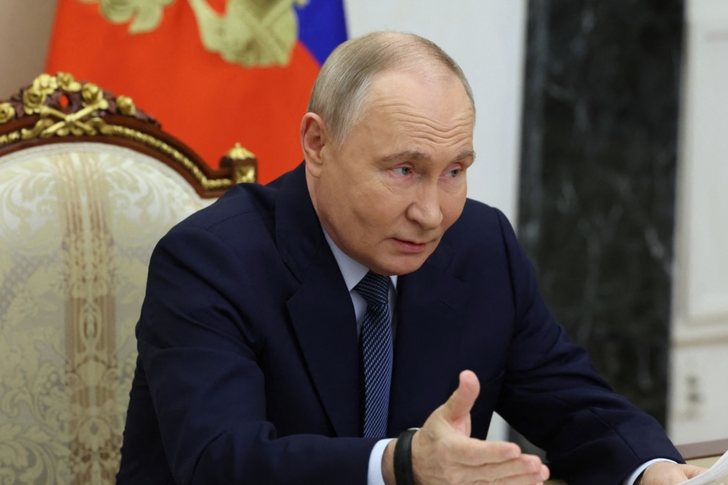
Russian President Vladimir Putin said on Friday that Russi...
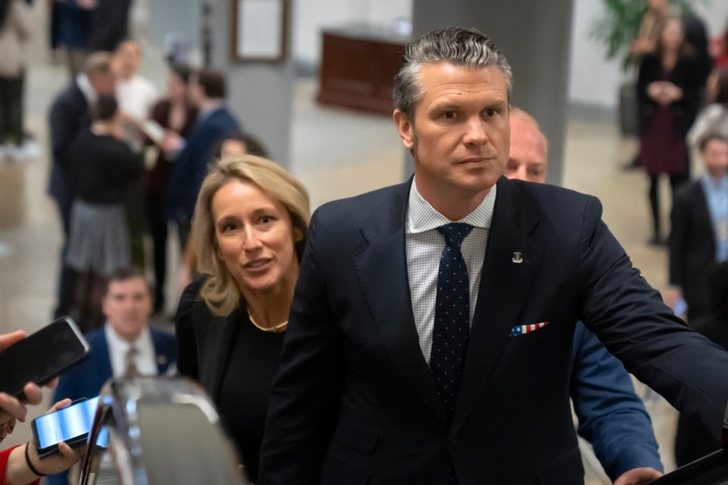
President-elect Donald Trump on Friday publicly endorsed h...
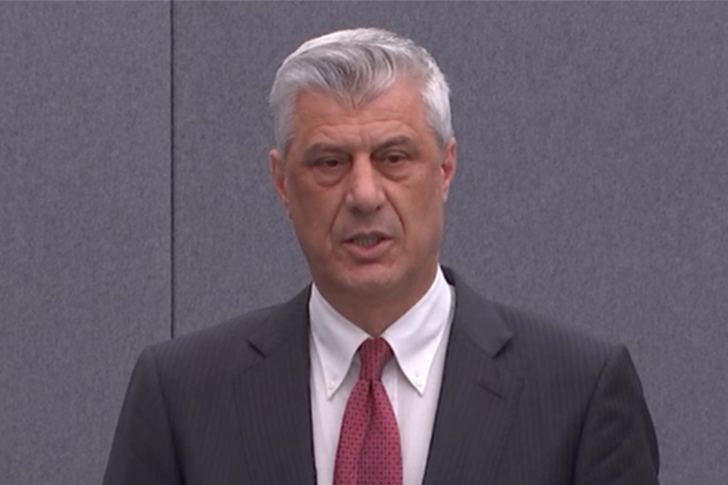
The Special Court in The Hague has filed a new indictment ...
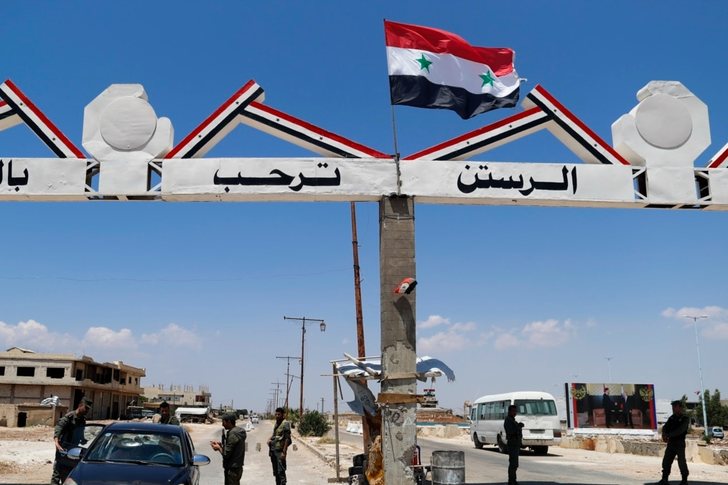
Syrian rebels entered two more towns on Friday, north of t...
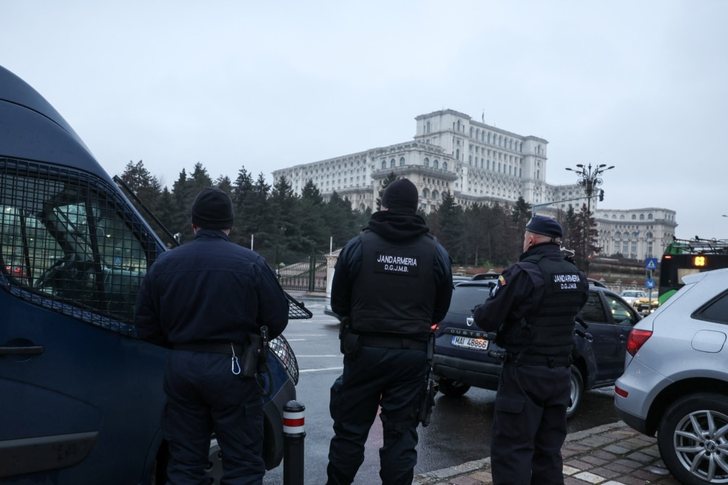
Romania's Constitutional Court today annulled the first ro...
Syrian rebels entered two more towns on Friday, north of t...
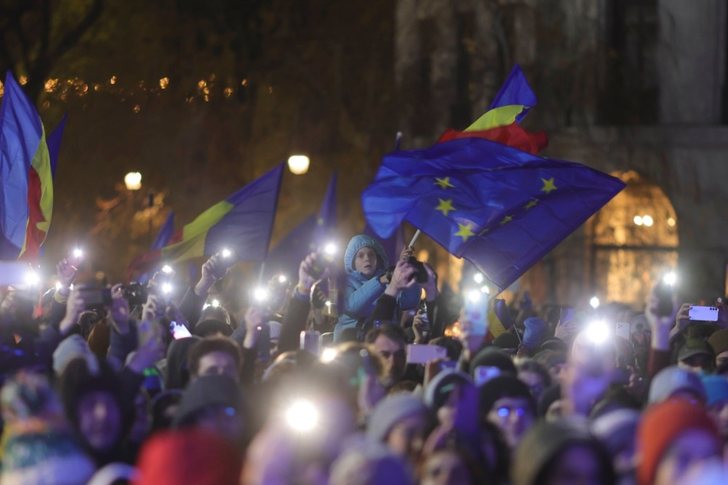
The Constitutional Court of Romania has decided that the p...
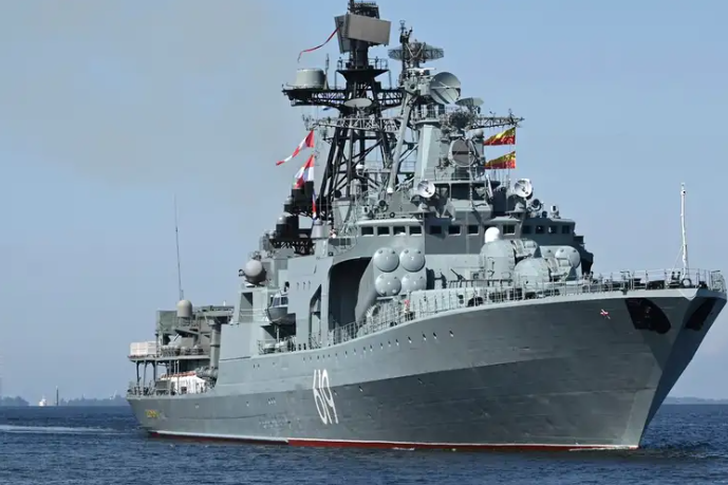
In the Baltic Sea, according to the German Defense Ministe...
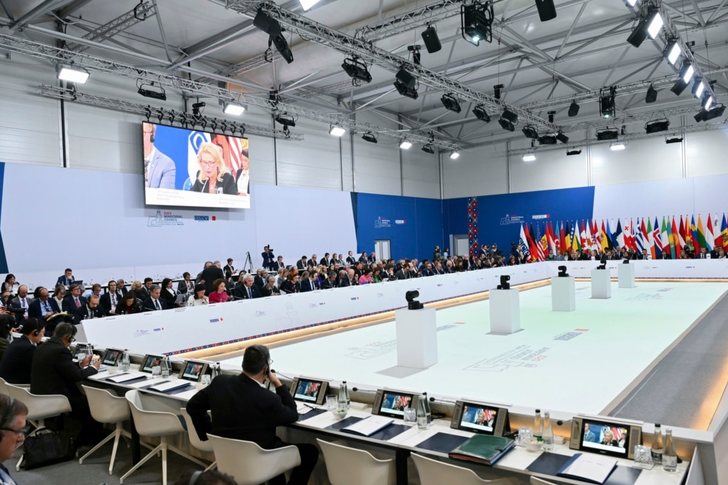
Western countries, including the United States, criticized...
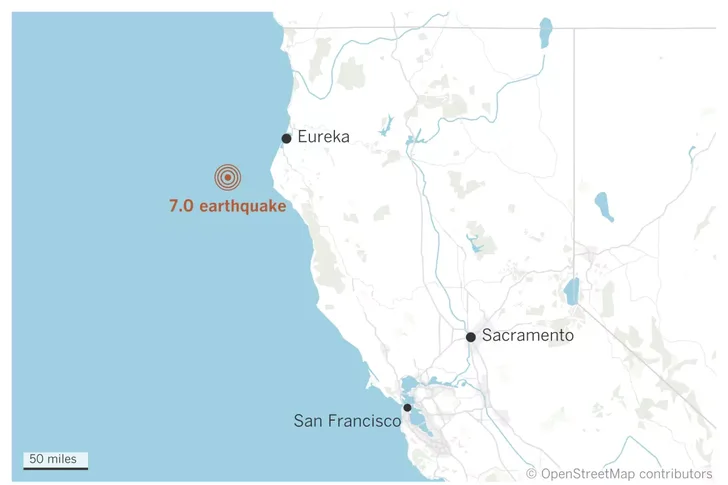
A powerful earthquake was felt across northern California ...
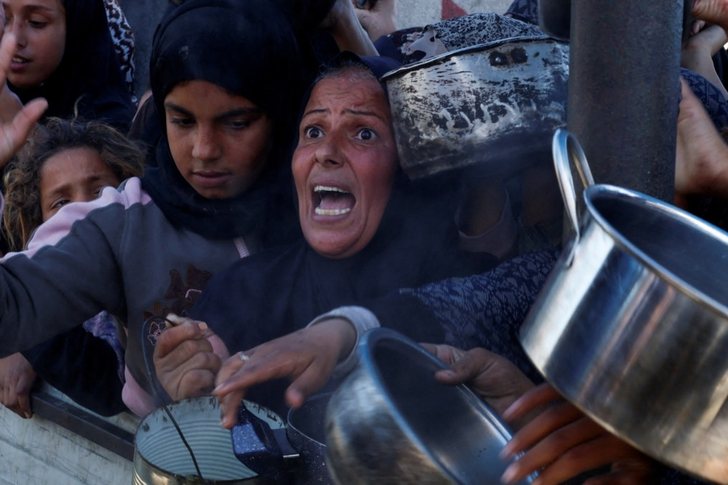
Amnesty International has accused Israel of committing gen...

Notre Dame Cathedral reopens this weekend five years after...
The Hague-based Specialized Prosecutor's Office, which dea...
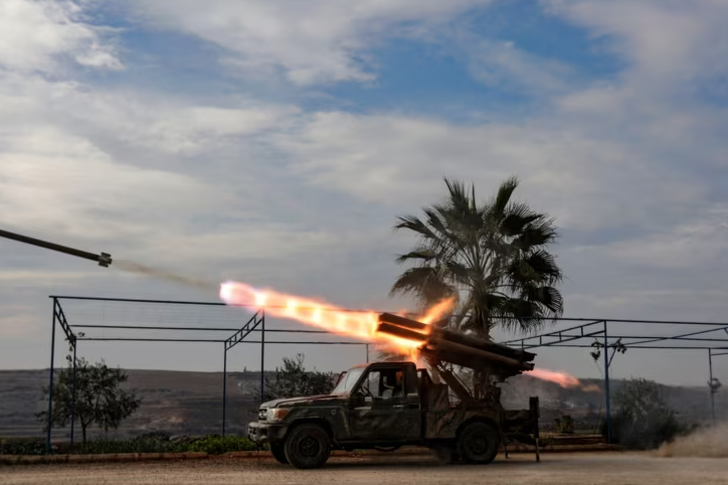
The Syrian army has redeployed troops "to protect civilian...
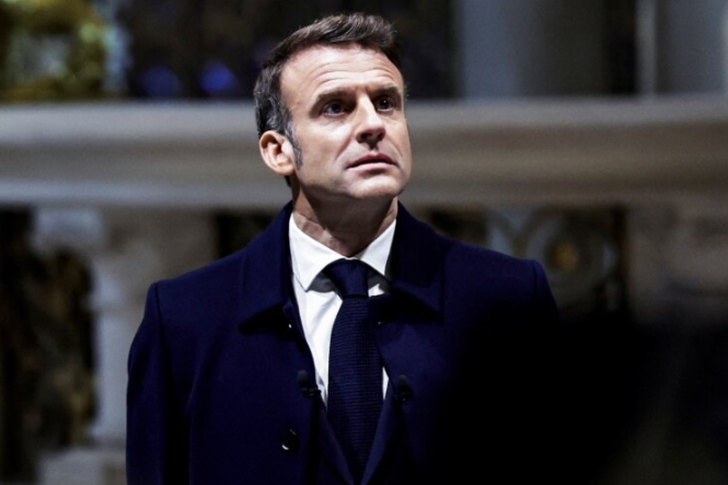
French President Emmanuel Macron held meetings with allies...

China has imposed sanctions on 13 US military firms on Thu...
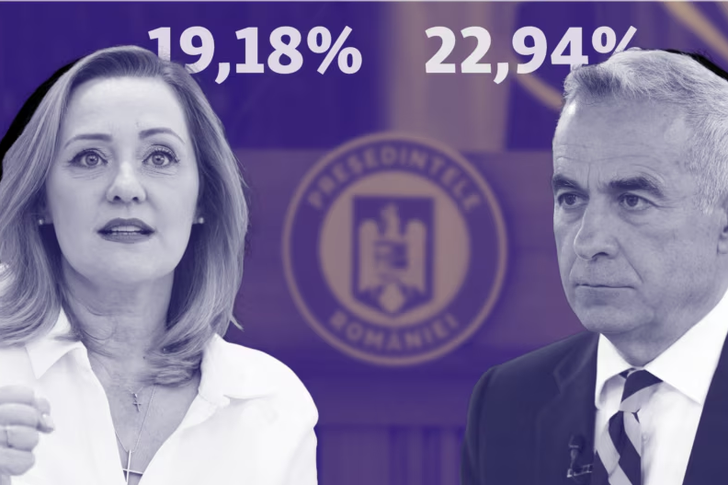
The United States has called for a full investigation into...
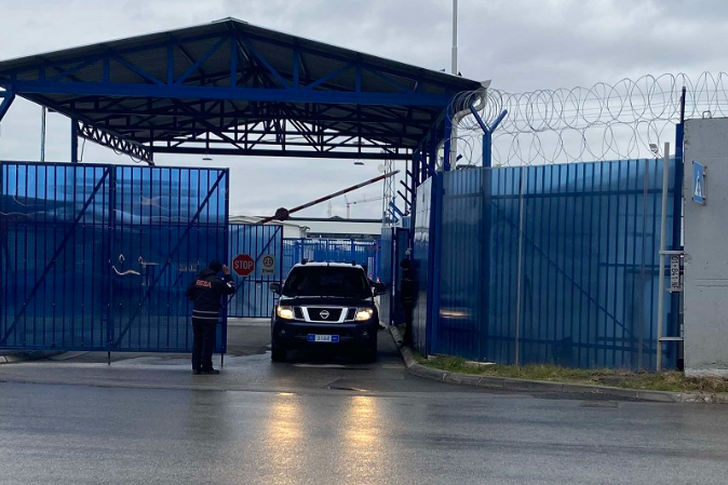
The Office of the Specialized Prosecutor has confirmed tha...
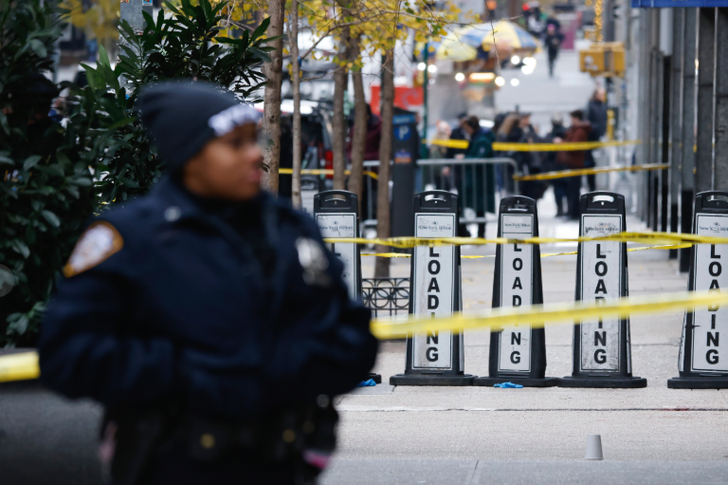
New York is shocked by the murder of Brian Thompson CEO of...
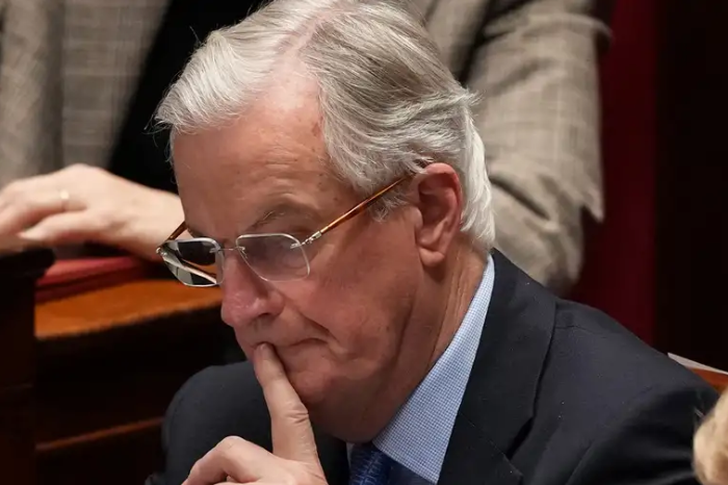
In France, after less than three months in power, the cent...

CNA has launched another investigation that could lead to ...

Irfan Hysenbelliu is a businessman that we call "Irfan the...

In March 2026, CNA launched another investigation centered...
The arrested mayor of Tirana, Erion Veliaj, with 13 charge...

The Special Board of Appeal (KPA) decided this Monday ...

The KPA vetting decided this Thursday to dismiss the p...

Suela Salavaçi, a prosecutor in the Prosecutor's Offic...

The Special Board of Appeal reinstated the prosecutor ...
A person has died today on Orikum beach. According to repo...
Footage emerges from the serious accident that occurred th...

A Shkodra traffic police officer was hit with hard objects...
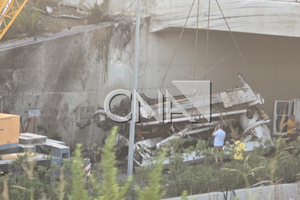
This Wednesday, around 4:00 PM, a serious accident occurre...

Children without parental care, for whom alternative famil...

On Thursday, our country will be under the influence of st...
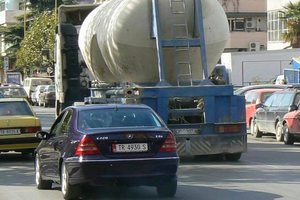
A serious accident that occurred this Wednesday with the c...

The Institute of Geosciences has shared a forecast for wea...

Artificial intelligence (AI) models from the American comp...
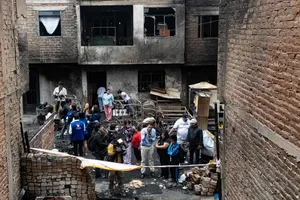
At least 10 people have died after a fire broke out in a h...

Yemen's Houthis have claimed to have attacked two Saudi oi...
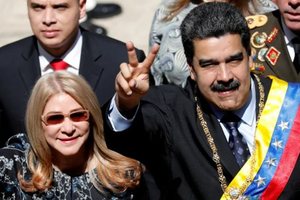
The trial of ousted Venezuelan President Nicolas Maduro on...

At a time when industrial products are increasingly taking...

Trust among people is not just a three-syllable word. It c...

Master of humor Todi Llupi has passed away at the age of 7...

The ninth edition of "MIK Festival" kicked off with one of...
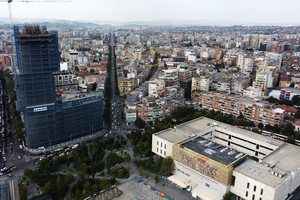
The average sale price of apartments in Tirana reaches rec...

This Thursday, one US dollar is bought for 81.5 lek and so...

The price of diesel reached 206 lek per liter from 198 lek...

Businesses will no longer be required to simply register t...