


Serious accident in Orikum/ Vacationer loses life
A person has died today on Orikum beach. According to repo...

A person has died today on Orikum beach. According to repo...

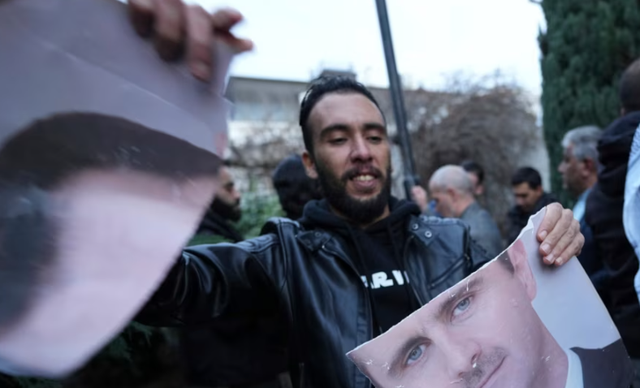
Syrian rebels declared they had ousted President Bashar al-Assad after seizing control of Damascus on Sunday, forcing him to flee and ending his family's autocratic rule after more than 14 years of civil war. The rebels also dealt a major blow to the influence of Russia and Iran in Syria in the heartland of the region - allies that had supported al-Assad during critical periods of the conflict.
Syrians took to the streets on Sunday to celebrate the end of the Assad family's 50-year iron rule, after a surprise rebel advance that swept into the capital within days is now raising questions about the future of the country and the wider region.
Crowds gathered in central Damascus squares waving the Syrian flag, scenes reminiscent of the early days of the Arab Spring uprising, before a brutal government crackdown that plunged the country into a nearly 14-year civil war.
Others ransacked the presidential palace and the Assad family residence after President Bashar al-Assad and other top officials fled the country, their whereabouts unknown. Russia, a close ally, said al-Assad left the country after negotiations with rebel groups and had given instructions to transfer power peacefully.
Syrian state television broadcast a video statement early Sunday from a group of rebels saying al-Assad had been toppled and all prisoners freed. They called on people to preserve the institutions of the "free Syrian state".
Rebels said they freed people held in the notorious Saydnaya prison, where rights groups say thousands were tortured and killed.
Rebel commander Anas Salkhadi, who appeared on state television later in the day, sought to reassure Syria's religious and ethnic minorities, saying: “Syria is for everyone, without exception. Syria is for Druze, Sunni, Alawite and all sects.”
As Syrians celebrated, Prime Minister Mohammad Ghazi al-Jalali called for free elections.
Jalali also said he had been in contact with rebel leader Abu Mohammed al-Golan to discuss managing the transition period, marking a significant development in efforts to shape Syria's political future.
"Honestly, I was surprised by how quickly it happened. I did not expect that it would take only ten days for the rebels who left Idlib to arrive in Damascus. But it was a big move. Iran and Russia are weakened by these developments because al-Assad has been a key ally for decades. I think for Russia, the interest is to maintain a base in the heart of the Middle East. And that's the reason I predict that Russia is open to some kind of negotiations with the Golan and with Turkey. I think Iran will have a harder time," says Andre Banks, an expert on Syria at the Giga Institute for Middle East Studies in Hamburg.
"Al-Assad's regime was rotten from within and corrupt, like a mafia state. There was very little real loyalty. So this whole system was held together by fear. And then of course we have Russia. In recent days, Russia has removed its ships from the military base in Tartous. Also, high-ranking military personnel have left. Iran has provided some kind of assurance, but they were no longer giving help. Hezbollah has been greatly weakened and had withdrawn from several positions around Aleppo due to the war with Israel after October 7. All these elements brought about a weakening of Assad's power," says Carsten Wieland, former senior adviser to the UN special envoy to Syria.
The end of al-Assad's rule deals a major blow to Iran and its allies, already weakened by more than a year of conflict with Israel. The rebels now face the task of overcoming major problems in a country torn by war and still divided between various armed factions.
Turkish-backed opposition fighters are battling US-allied Kurdish forces in the north, and the Islamic State group is still active in some remote areas.
The rebels are led by the group Hayat Tahrir al-Sham, or HTS, which has its origins in al-Qaeda and is considered a terrorist organization by the United States and the United Nations.
Abu Mohammed al-Golani, a former al-Qaida commander who severed ties with the group years ago, says he is in favor of religious pluralism and tolerance and leads the largest rebel faction while ready to work on future direction. of the country./ Voa

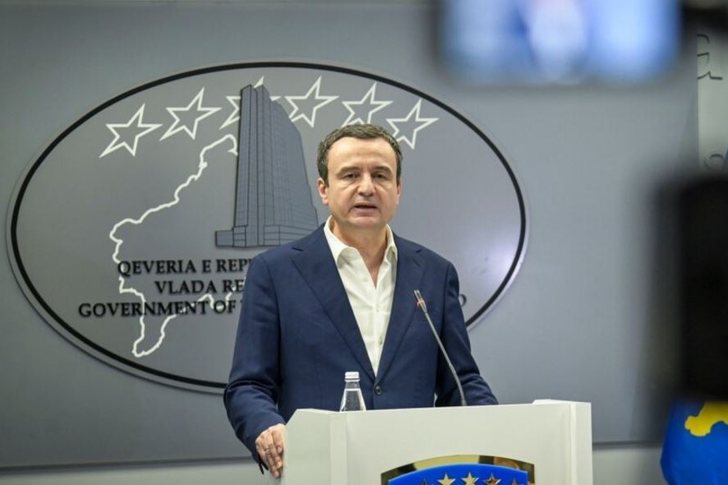
The Prime Minister of Kosovo, Albin Kurti, has published a...
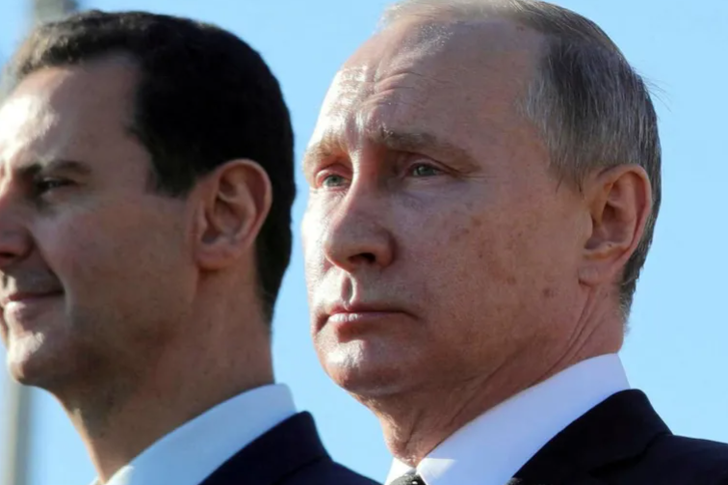
It was Russian firepower that had helped keep Bashar al-As...
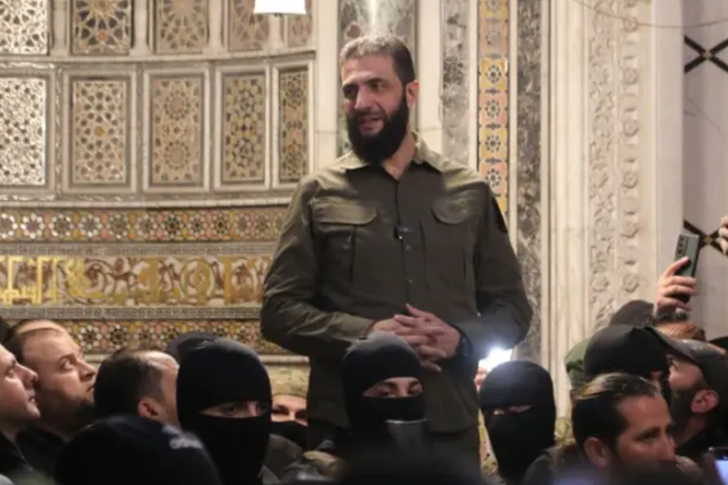
Syrian rebel leader Abu Mohammed al-Jalani addressed the c...
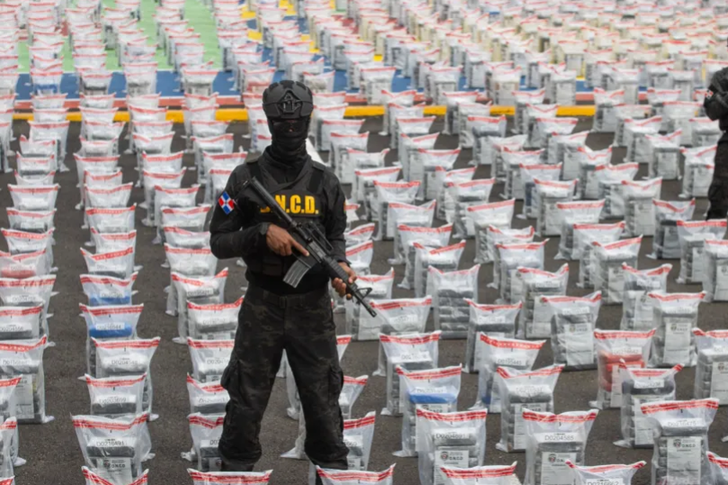
Authorities in the Dominican Republic have seized the ...
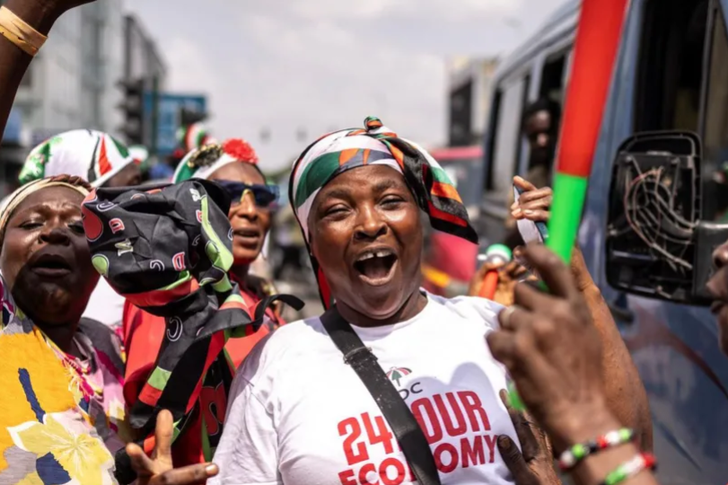
Ghana's vice president, Mahamudu Bawumia, has conceded def...
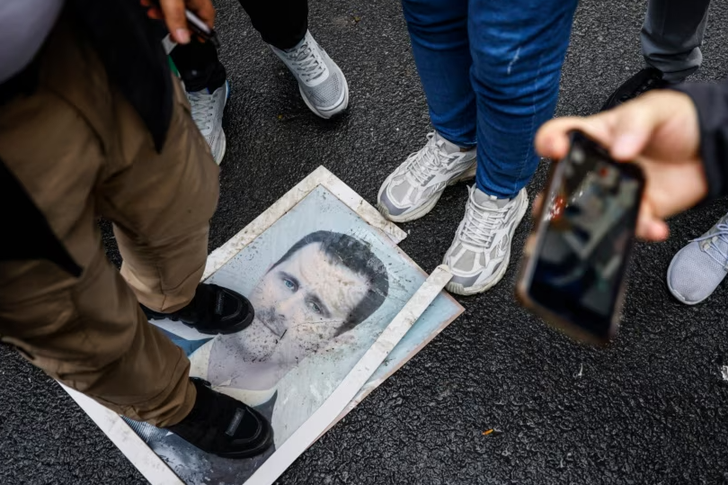
Syrian President Bashar al-Assad fled Damascus on Sunday, ...
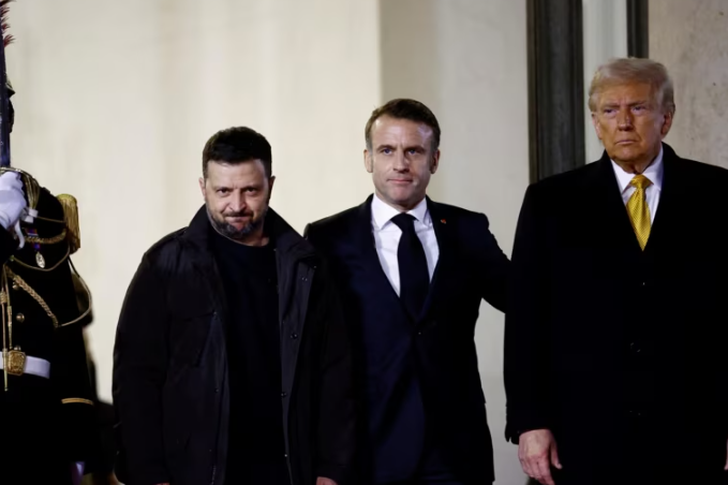
US President-elect Donald Trump called for an immediate ce...
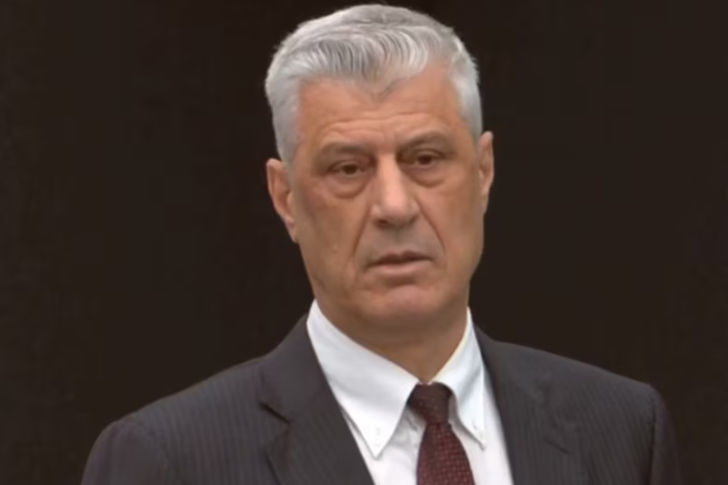
The former president of Kosovo, Hashim Thaçi, did not decl...
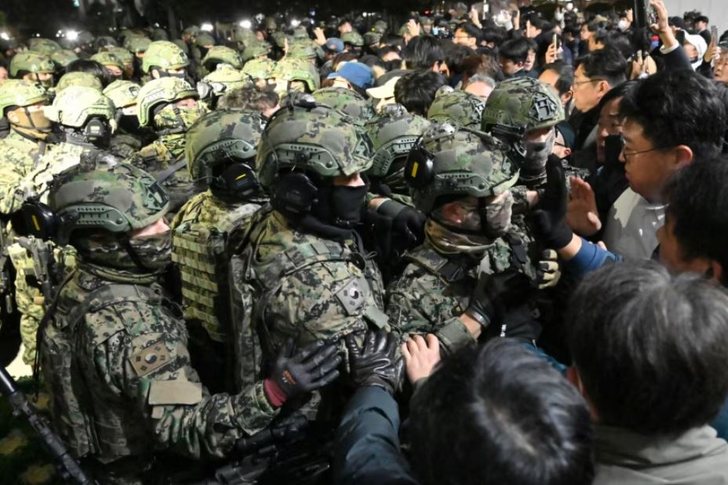
Prosecutors in South Korea have arrested the former defens...
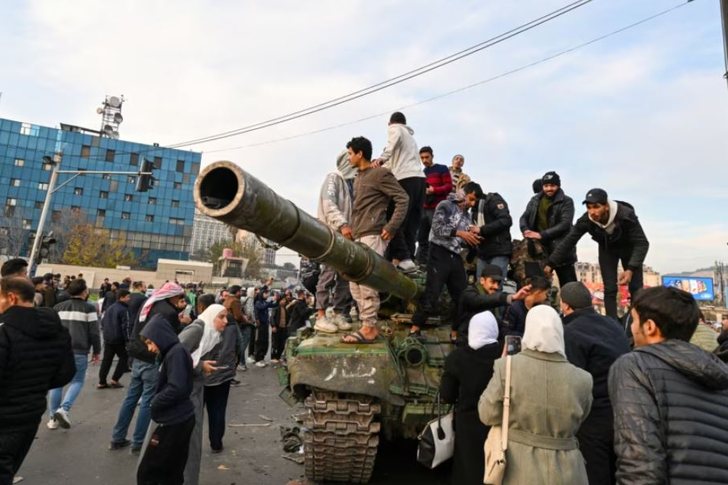
Syrian rebels claimed early in the morning of December 8 t...
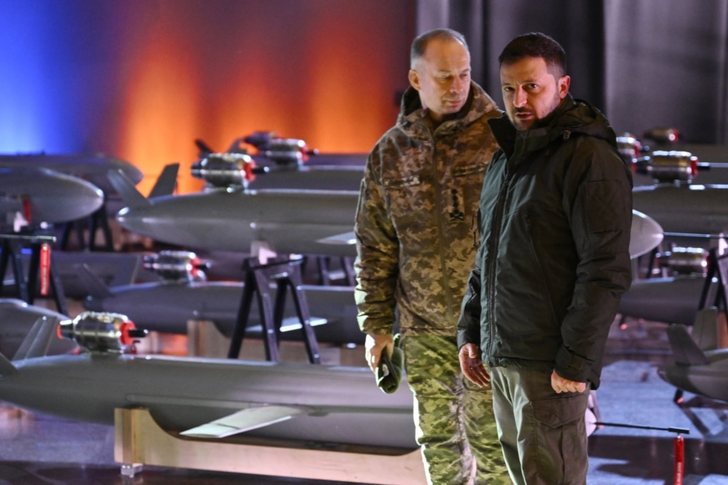
Ukrainian President Volodymyr Zelensky on Friday presented...
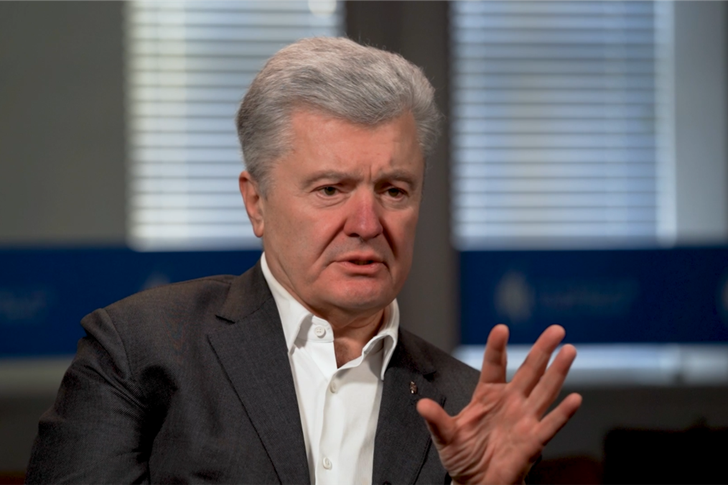
Former Ukrainian President Petro Poroshenko, now head of t...

Volkswagen is planning to make massive layoffs, prompting ...

Through social media posts, President-elect Donald Trump h...

The Independent Forum of Albanian Women published the moni...
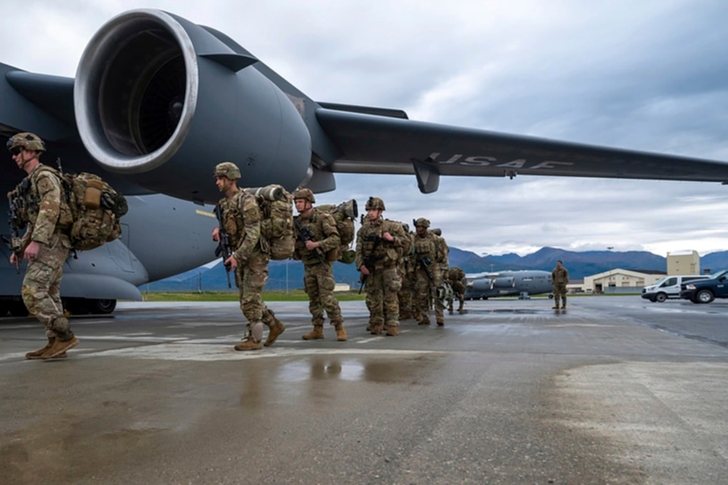
Most Americans want the United States to lead on the globa...
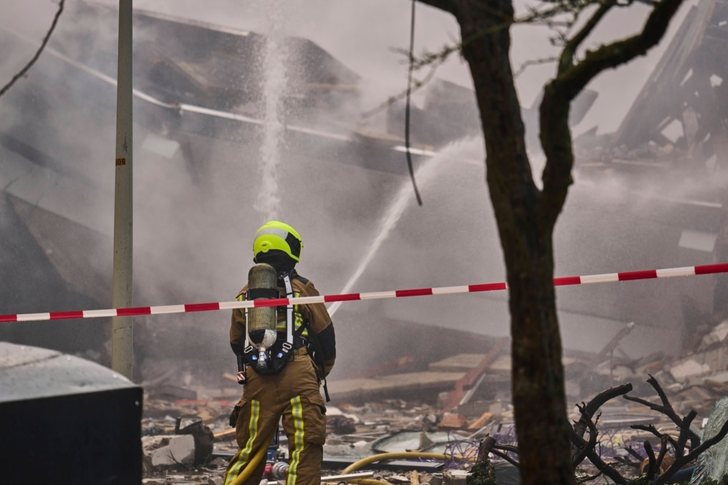
Rescuers are searching through the rubble of a three-story...
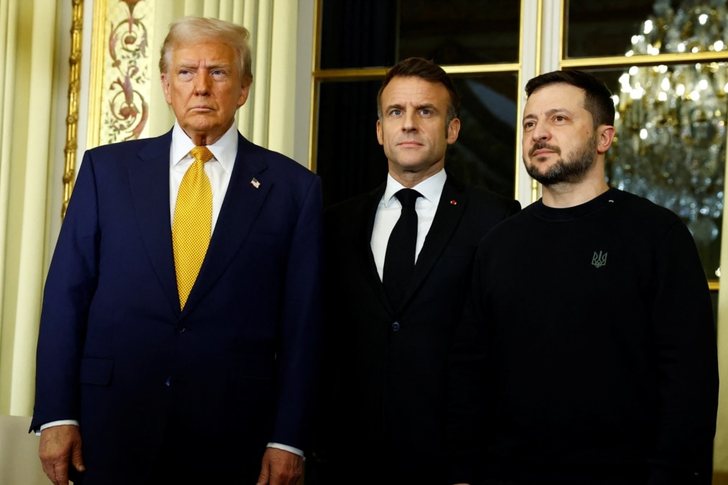
Ukrainian President Volodymyr Zelensky held trilateral tal...
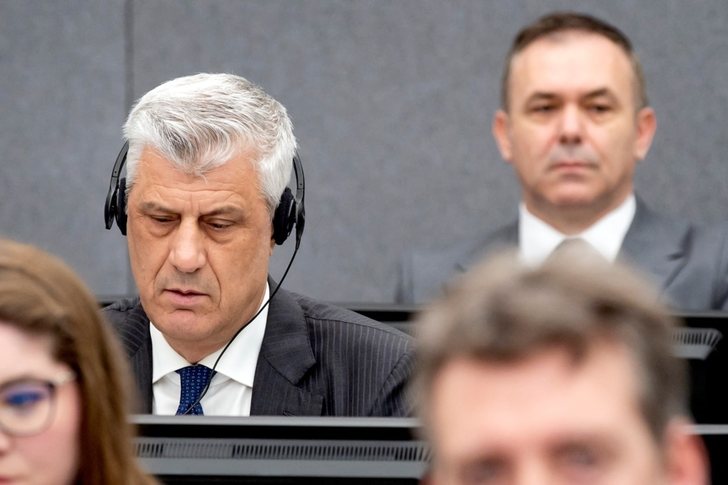
The Specialized Chambers and the Office of the Specialized...

Syrian rebels have reached the outskirts of Damascus as pa...
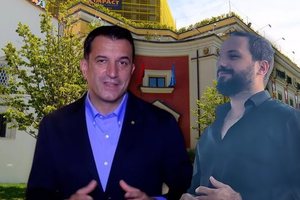
CNA has launched another investigation that could lead to ...

Irfan Hysenbelliu is a businessman that we call "Irfan the...
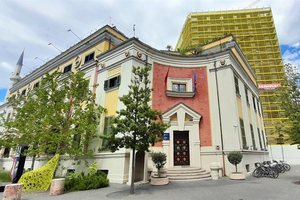
In March 2026, CNA launched another investigation centered...
The arrested mayor of Tirana, Erion Veliaj, with 13 charge...

The Special Board of Appeal (KPA) decided this Monday ...

The KPA vetting decided this Thursday to dismiss the p...

Suela Salavaçi, a prosecutor in the Prosecutor's Offic...

The Special Board of Appeal reinstated the prosecutor ...
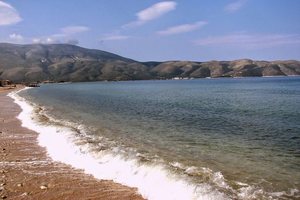
A person has died today on Orikum beach. According to repo...

Footage emerges from the serious accident that occurred th...

A Shkodra traffic police officer was hit with hard objects...
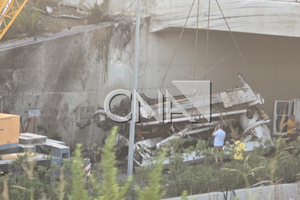
This Wednesday, around 4:00 PM, a serious accident occurre...

On Thursday, our country will be under the influence of st...
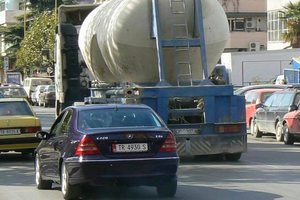
A serious accident that occurred this Wednesday with the c...

The Institute of Geosciences has shared a forecast for wea...
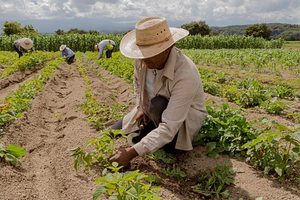
Rising energy and fertilizer prices are expected to contin...

Artificial intelligence (AI) models from the American comp...
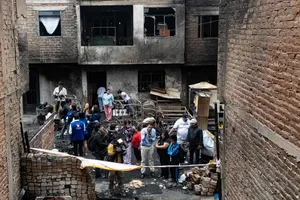
At least 10 people have died after a fire broke out in a h...
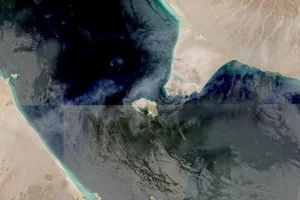
Yemen's Houthis have claimed to have attacked two Saudi oi...
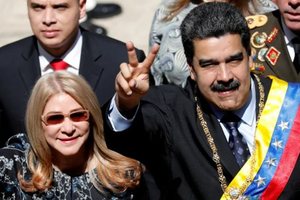
The trial of ousted Venezuelan President Nicolas Maduro on...
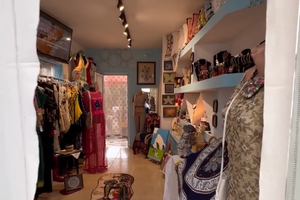
At a time when industrial products are increasingly taking...

Trust among people is not just a three-syllable word. It c...

Master of humor Todi Llupi has passed away at the age of 7...

The ninth edition of "MIK Festival" kicked off with one of...
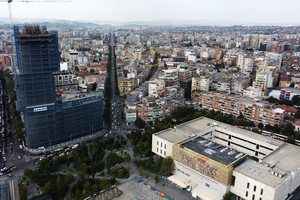
The average sale price of apartments in Tirana reaches rec...

This Thursday, one US dollar is bought for 81.5 lek and so...
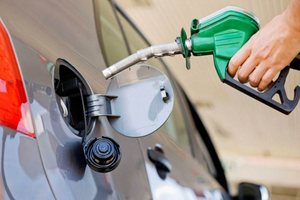
The price of diesel reached 206 lek per liter from 198 lek...

Businesses will no longer be required to simply register t...