


Accusations about the "Milot-Balldren" road/ Karakaçi refutes the opposition: The contract does not only include the construction cost
The Minister of Infrastructure and Energy, Enea Karakaçi, ...

The Minister of Infrastructure and Energy, Enea Karakaçi, ...

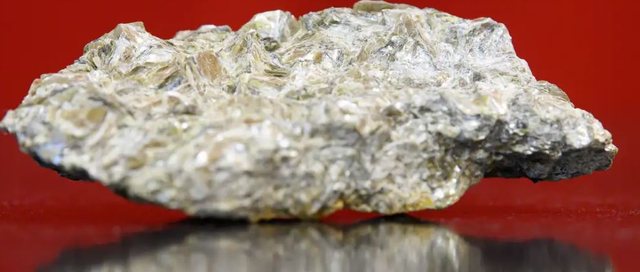
There are large deposits of lithium in the ore mountains of the Czech Republic. The government hopes that the "white gold" will drive the Czech Republic's economy forward and develop the Usti region. But not everyone is enthusiastic.
The town of Cinovec on the German-Czech border has a treasure under it. In the underground of the country, which is located about 100 kilometers from Prague, there are thought to be 3 to five percent of the world's lithium reserves. Light metal has gained a lot of importance recently. This is because lithium is used, among other things, in the production of batteries, without which it is impossible to imagine energy transformation and electric mobility. Lithium prices are so high that it would be profitable for the Czech Republic to open mines now.
According to a study by the Czech Chamber of Commerce, the Czech Republic has exhausted all sources of economic growth. Therefore, in the coming years, the country is threatened by an economic stagnation. Lithium mining could give the Czech economy a new boost, Prime Minister Petr Fiala hopes. When he presented his vision for the development of the Czech Republic in the next thirty years, in early September 2023, he listed six areas in which the Czech Republic should make strategic investments, among them lithium mining and processing.
"Lithium is a key raw material for electric mobility, especially for battery production. This is why we are working to open the mines as soon as possible, possibly as early as 2026," said Fiala.
Lithium for 1 million electric cars
The village of Cinovec is located in the middle of a mining region. The first explorations done in the 2010s have shown that the region contains significant levels of lithium. Most of it is in the Czech Republic, but a small amount is also located in Zinnwald, Germany. The Czech Republic has already signed a cooperation agreement with Saxony for the extraction of Lithium. On the Czech side, the lithium mines will be operated by the state-controlled Czech Energy Company (CEZ).
It is estimated that 2.25 million tons of ore are produced annually at Cinovec, which would enable the production of almost 30,000 tons of lithium hydroxide. According to current estimates, the amount of ore mined should be enough to produce almost one million car batteries per year.
The Czech Republic plans to produce its own batteries in a gigafactory. "We can cover the entire chain from mining, processing, battery manufacturing, chip manufacturing to the final production of cars," Fiala said. He hopes that lithium mining can become an economic engine for the region.
Lithium region and no longer a coal region?
The Ústí region is one of the poorest in the Czech Republic. Until the 1990s, the region received its main income from lignite. But the end of fossil energy production has left huge structural problems and scarred landscapes, more than 100 settlements were then devoured by diggers.
It is estimated that the 25-year run of lithium would create jobs for thousands of miners. The plan to build a gigafactory for the production of electric car batteries would also bring jobs and income to the region. CEZ is optimistic that the mines can start operating in the next four years. The Usti Region will support mining investments, only if they are as environmentally friendly as possible. "I see the possibility of lithium mining as an opportunity," says Jan Schiller, the region's district administrator and member of the opposition ANO party. "But much depends on the framework conditions that are negotiated. We still have vivid memories of the negative consequences of coal mining in the region. Any damage and deterioration of living conditions must be compensated to the appropriate extent," the district administrator told DW.
The Usti region receives EU money from the Single Transition Fund to finance the cessation of coal mining and to change the structure of the local economy. Part of this money will now be used to further develop the lithium project. However, some experts warn that after the decline of lignite mining production, the Ust region does not want to simply move on to the next mine. Instead, they recommend investing money in education and a general restructuring of the region's economy.
Michal Kolecko, professor at the Jan Evangelista Purkyne University in Ústí nad Labem, is an outspoken opponent of lithium mining. "I don't think lithium is the right way. If we want to change the region and give it a new future, we have to choose a fundamental change. We have to focus on the areas that have potential and not just give them the region an economic future, but also to change the social composition and educational level of the population," Kolecko told DW. Fear of environmental consequences
As with any extraction of non-renewable raw materials, lithium mining also has an impact on the environment. In South America, where about 70 percent of the world's lithium reserves are located in the so-called "lithium triangle" between Bolivia, Chile and Argentina, the groundwater level has dropped significantly due to lithium brines. In some cases of carelessness of mining companies, the air, water and soil have also been contaminated. At Cinovec, the lithium would be extracted from the rock. This extraction method requires a lot of water - and is much more expensive than brine.
According to energy company CEZ, the approval process for lithium mining will start at the end of 2023. However, the company seems to have few doubts about the completion of the proceedings: it has already bought a plot of land for a lithium processing plant, for one billion Czech koruna - about 40.8 million euros./ DW

The US Department of State, in a statement given to Radio ...
Udhëheqësi i Koresë së Veriut Kim Jong Un vazhdoi vizi...
Storm Daniel that lasted for 3 days flooded central Greece...
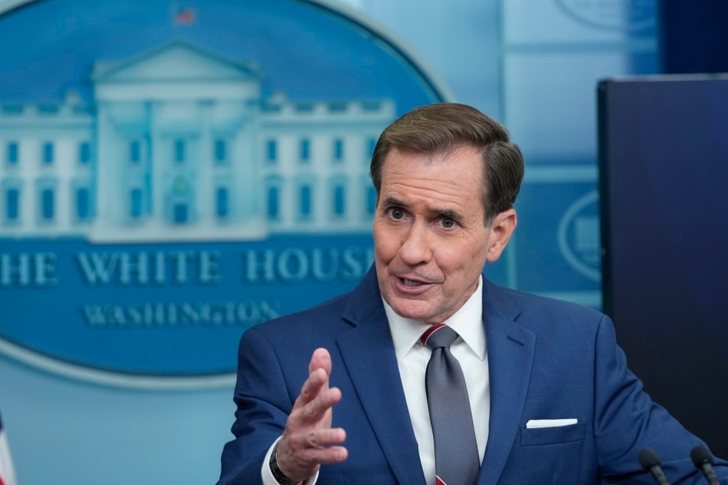
Kremlin spokesman Dmitry Peskov declined today (Thursday) ...
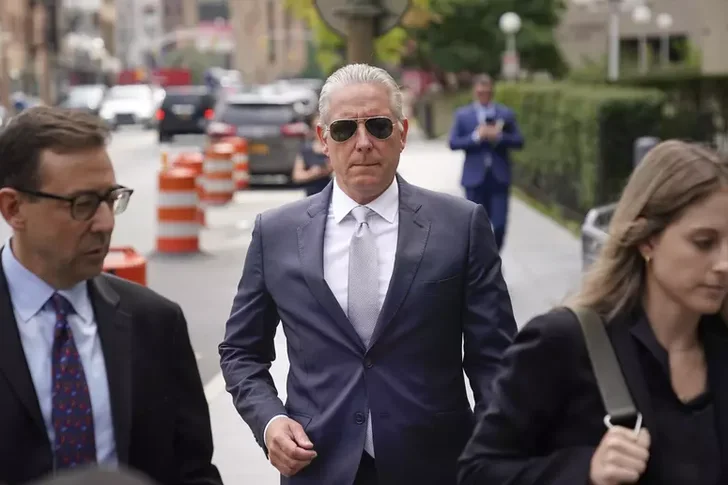
Former FBI agent Charles McGonigal, who pleaded guilty to ...
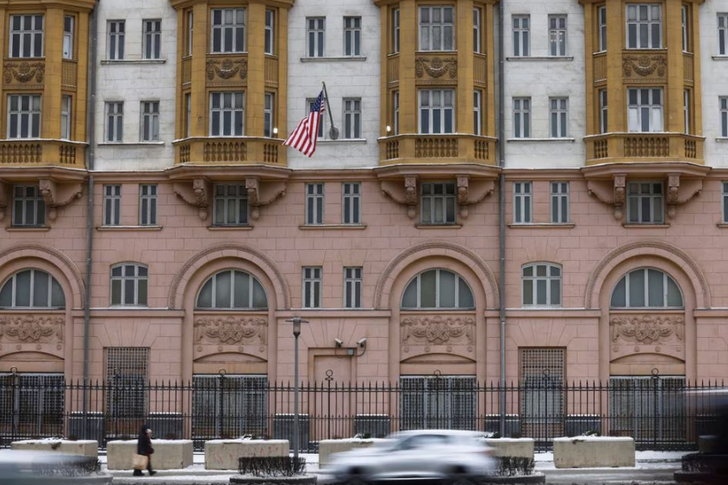
Russia said on Thursday it is expelling two US diplomats, ...
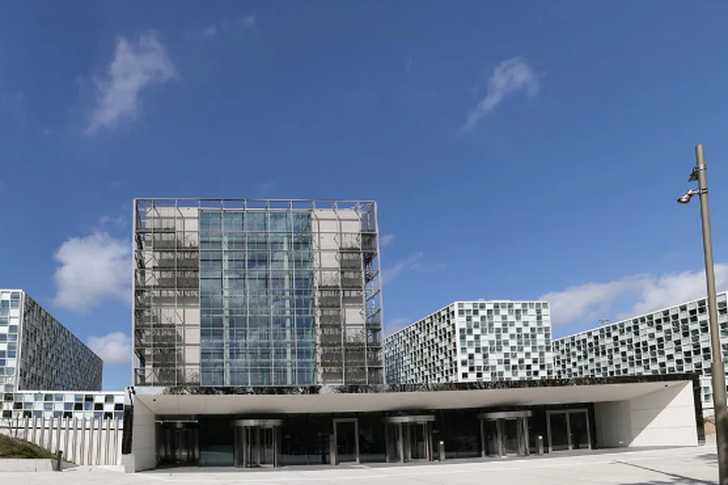
The International Criminal Court (ICC) has opened a field ...
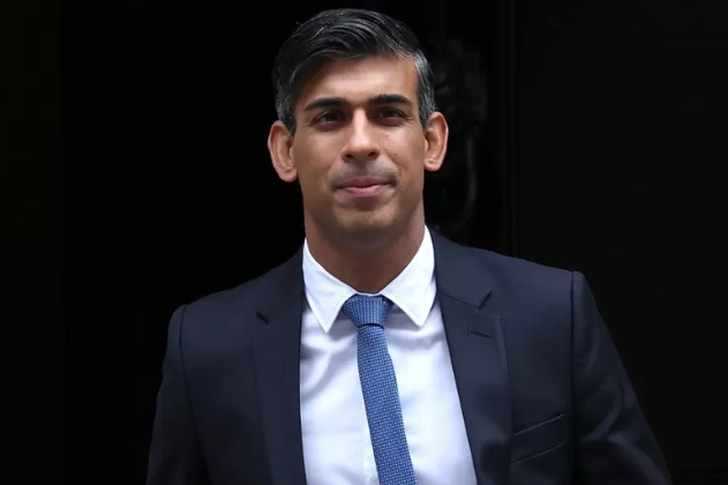
Rishi Sunak has said that he is "aware of the particular t...

NASA has published a report on Unidentified Anomalous Phen...

A Russian pilot deliberately fired missiles at a Royal Air...
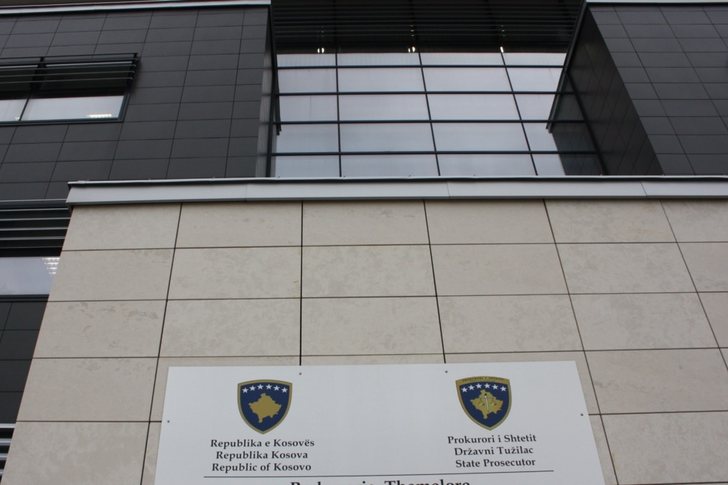
The Special Prosecutor's Office of the Republic of Kosovo ...
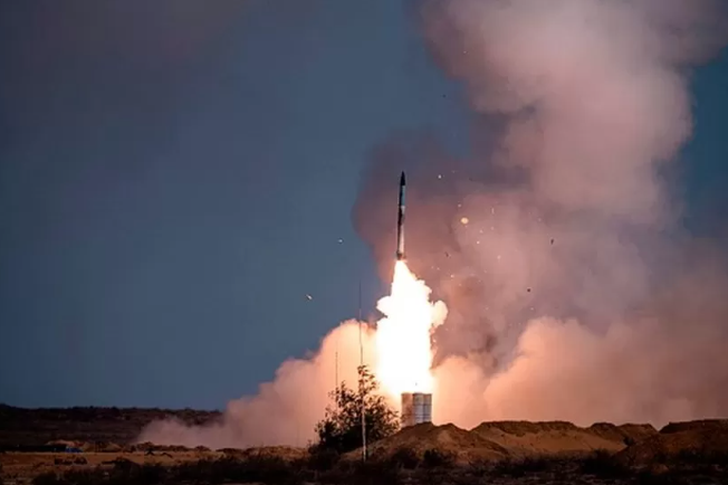
Ukraine says it has destroyed a sophisticated Russian air ...
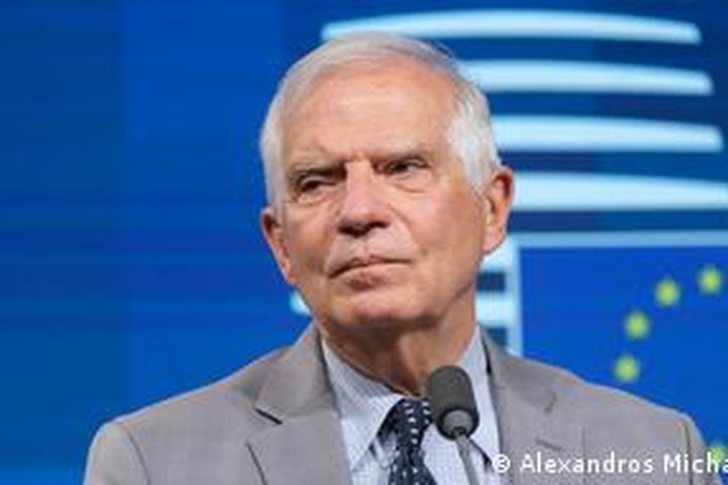
The head of foreign policy of the European Union, Josep Bo...
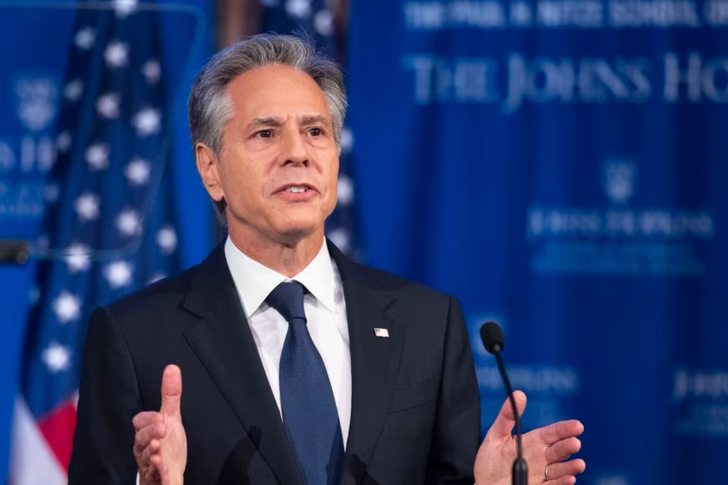
During a speech at Johns Hopkins University's School of Ad...
Changes to North Macedonia's Criminal Code, which allow fo...
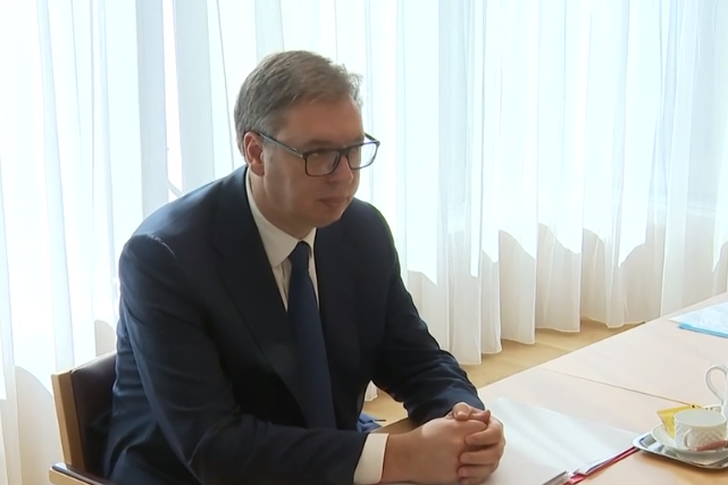
The President of Serbia, Aleksandar Vučić, said that the t...

Tunisia has denied entry to a European Parliament delegati...
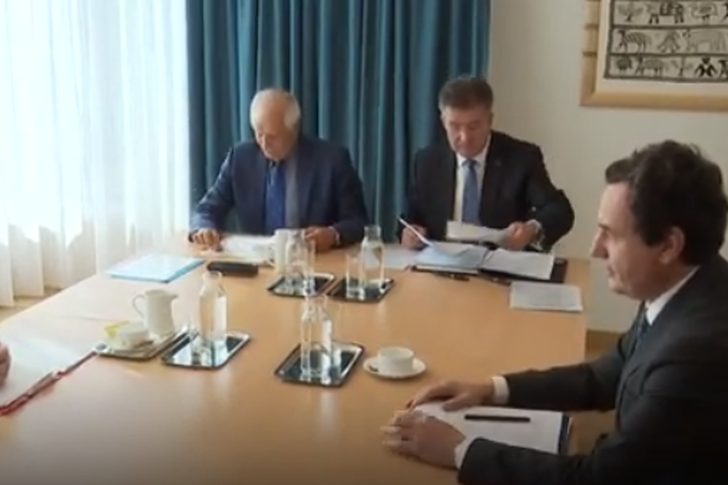
The Prime Minister of Kosovo, Albin Kurti, is in Brussels ...
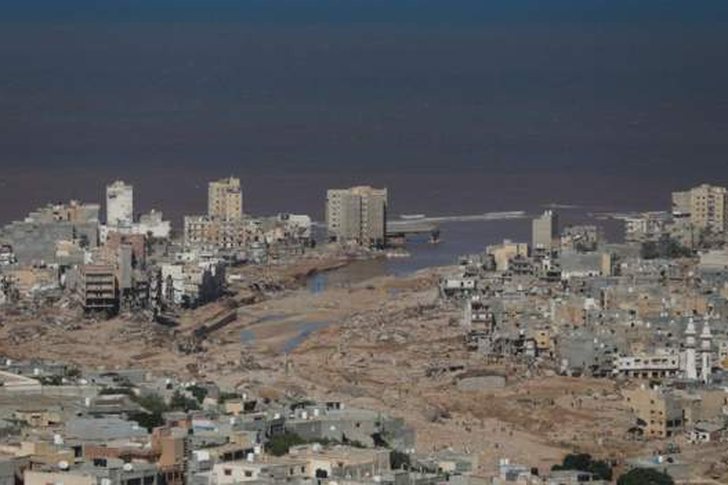
As many as 20,000 people are believed to have died in ...
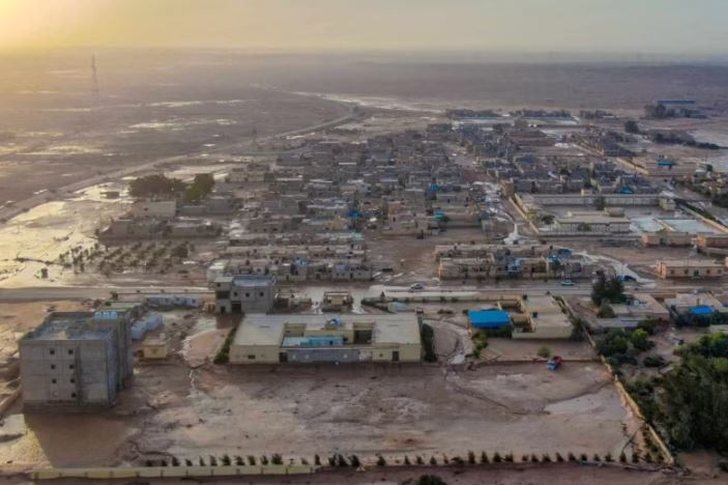
Libya's two rival governments are coordinating search and ...
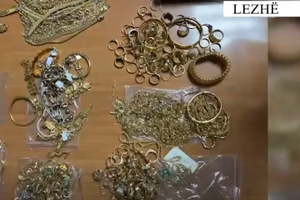
A 39-year-old citizen has been arrested in Lezha, after se...

CNA has launched another investigation that could lead to ...

Irfan Hysenbelliu is a businessman that we call "Irfan the...

In March 2026, CNA launched another investigation centered...

The Special Board of Appeal (KPA) decided this Monday ...

The KPA vetting decided this Thursday to dismiss the p...

Suela Salavaçi, a prosecutor in the Prosecutor's Offic...

The Special Board of Appeal reinstated the prosecutor ...

Following the successive operations carried out by the ope...
The Police Supervision Agency has seized the service weapo...
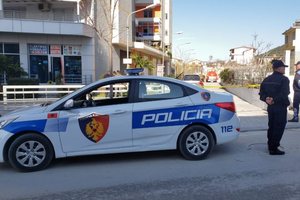
A serious incident occurred in Lushnje, where citizen IY, ...
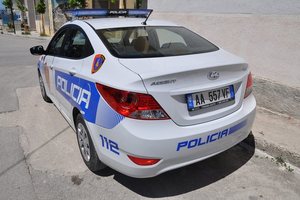
As a result of the investigative and procedural actions ca...

Today, our country will be under the influence of stable a...

By noon, cloudiness is expected to prevail in almost all o...

Children without parental care, for whom alternative famil...
On Thursday, our country will be under the influence of st...

Marine Le Pen is entering the decisive phase of the presid...
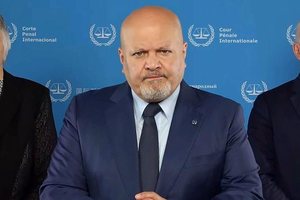
Member states of the International Criminal Court voted to...

From the declining role of exports to new public investmen...
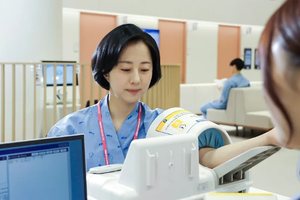
South Korea is becoming one of the most sought-after desti...
Two windows, a century of history and the metaphysics of p...

In my research at the Central State Archives, specifically...

At a time when industrial products are increasingly taking...

Trust among people is not just a three-syllable word. It c...

This Saturday, one US dollar is bought for 81.7 lek and so...
War, weather and supply disruptions could send gas prices ...
The number of active enterprises in Albania continued to g...
In Albania, the bar-cafe has long become an almost unique ...