


A decomposed body is found/ Suspected to be Eglant Koçi
After weeks of searching, police are believed to have foun...

After weeks of searching, police are believed to have foun...

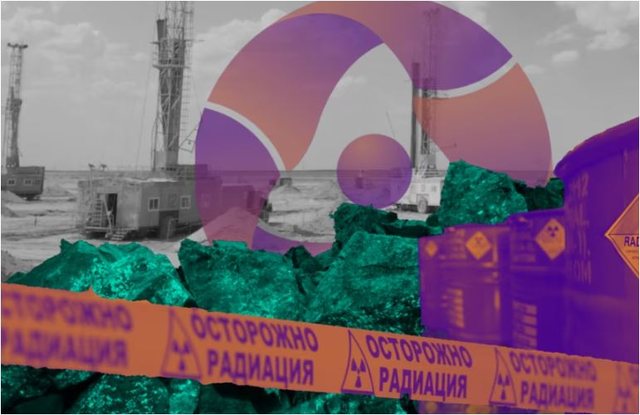
As talks over Iran's nuclear program continue, the fate of Tehran's highly enriched uranium stockpile remains one of the most difficult issues to resolve.
Before the US and Israeli air strikes on Iran's nuclear targets in June 2025, the International Atomic Energy Agency (IAEA) estimated that Iran possessed 440.9 kilograms of uranium enriched to 60 percent.
Although this material is not considered suitable for nuclear weapons, it is very close to the 90 percent enrichment level typically associated with nuclear weapons production.
The question now facing negotiators is what should happen to this reserve as part of a broader agreement between Tehran and Washington.
In recent weeks, Kazakhstan has been mentioned as a potential third-party custodian.
IAEA Director General Rafael Grossi said last month that Kazakhstan's President Qasym-Zhomart Toqaev was open to the idea of ??storing Iranian uranium, and Astana later confirmed its willingness.
“Some countries, including Kazakhstan, have expressed readiness, in the spirit of goodwill, to provide technical assistance in resolving this issue, provided that relevant international agreements are reached between all parties involved and the issue moves to the stage of practical implementation,” Kazakh Foreign Ministry spokesman Aibek Smadiyarov said on June 1.
A week after this statement, Kazakhstan's ambassador to Iran met with Iranian Deputy Foreign Minister Kazem Gharibabadi. Neither side said whether the uranium transfer was discussed.
Kazakhstan has strong credentials in the nuclear field.
As of 2019, Kazakhstan hosts the world's only low-enriched uranium bank, which is owned by the IAEA. It has a capacity of 90 tons and is supported by the United States, the European Union, Norway, Kuwait, and the United Arab Emirates.
Astana also maintains relations with all major parties involved and has a long history of preventing the proliferation of nuclear weapons.
“Kazakhstan is actually a very interesting and good choice,” said John Roberts, an energy expert at the Atlantic Council. “It has a developed nuclear industry and has been involved in building nuclear power plants.”
However, technical qualifications may not be the deciding factor.
Ali Vaez, a renowned nuclear non-proliferation expert and director of the Iran Project at the International Crisis Group, emphasizes that the main obstacle is not logistics, but trust.
Teherani nuk ka gjasa ta shohë uraniumin vetëm si material bërthamor që duhet të ruhet sigurt; ai është gjithashtu burim i ndikimit në negociata.
“Duke pasur parasysh mosbesimin e thellë të Teheranit ndaj SHBA-së, nuk ka gjasa që ai ta dërgojë jashtë vendit të gjithë materialin e tij, ose ta bëjë këtë menjëherë”, tha Vaez.
“Ai do të pëlqente ta ulte nivelin e pasurimit të një pjese të tij brenda vendit për të ruajtur ndikimin negociues dhe për t’u siguruar që Uashingtoni do ta përmbushë pjesën e vet të marrëveshjes”, shtoi ai.
Ky mosbesim mund t’i ndërlikojë shanset e Kazakistanit për t’u bërë kujdestar i rezervës së uraniumit. Për Iranin, vendi pritës duhet të jetë një vend që mund ta garantojë kthimin e uraniumit, nëse marrëveshja dështon.
“Destinacioni ku do të dërgohej materiali duhet të jetë një vend që Irani mund t’i besojë se do ta riatdhesojë rezervën në Iran në rast se SHBA-ja nuk i përmbush zotimet e veta”, tha Vaez.
“Opsionet e vetme për këtë qëllim janë Rusia dhe Kina”, sipas tij.
Megjithatë, këto janë pikërisht opsionet që Uashingtoni i ka hedhur poshtë publikisht.
Presidenti amerikan, Donald Trump, i përjashtoi Rusinë dhe Kinën si kujdestare të mundshme të uraniumit të pasuruar iranian, duke u thënë gazetarëve gjatë një mbledhjeje të kabinetit më 27 maj se nuk do të ndihej “rehat” nëse ndonjëri prej këtyre vendeve do ta merrte kontrollin e rezervës si pjesë e një marrëveshjeje të ardhshme.
Trump ka lënë të kuptohet gjithashtu që uraniumi i pasuruar iranian duhet të dërgohet përfundimisht në Shtetet e Bashkuara. Në një intervistë për Reuters në prill, ai tha: “Do ta marrim së bashku... Do ta sjellim përsëri në Shtetet e Bashkuara”.
Derisa Trumpi i ka përjashtuar Rusinë dhe Kinën, Irani e ka refuzuar kategorikisht dërgimin e uraniumit në SHBA.
Kjo e ka rritur interesin për Kazakistanin si një zgjidhje e mundshme kompromisi, sepse ky është vend me ekspertizë të gjerë bërthamore, histori bashkëpunimi me Perëndimin dhe lidhje të ngushta si me Pekinin ashtu edhe me Moskën.
Nëse Kazakistani do të zgjidhej përfundimisht, marrëveshja do të mund të rriste prestigjin e tij ndërkombëtar.
“Kjo padyshim do ta ngrinte profilin e Kazakistanit në arenën ndërkombëtare”, tha Daniel Rosenblum, ish-ambasador i SHBA-së në Kazakistan (2022–2025), në një episod të fundit të podcastit Global Poëer Shifts.
“Ata pëlqejnë ta shohin veten si një palë neutrale dhe ndonjëherë si ndërmjetës”, shtoi ai.
Roberts argumenton se një rol i tillë do të ishte në përputhje me politikën e jashtme të Kazakistanit, i cili shpesh ka synuar ta pozicionojë veten si urë lidhëse mes fuqive rivale.
Vaez vëren se ky synim është forcë shtytëse e rëndësishme e diplomacisë së Astanës: “Të jesh pjesë e një zgjidhjeje për një konflikt që ka ndikuar negativisht në ekonominë dhe sigurinë globale është tërheqëse për shumë vende”.
Në të njëjtën kohë, pranimi i uraniumit iranian do të sillte edhe rreziqe.
The IAEA nuclear fuel bank at the Ulba metallurgical plant in the city of Oskemen was designed to store low-enriched uranium intended for civilian nuclear reactors. The Iranian stockpile, enriched to 60 percent, is classified as highly enriched uranium and would require completely different standards for its storage and security.
“The main concern is how well it would be protected,” said Daulet Asanov, an environmental scientist who monitors industrial hazards in Oskemen. “There could be interest from other states or organizations. In today’s wars, even drones can destroy infrastructure.”
Kazakhstan will also have to weigh the geopolitical consequences. According to Roberts, Astana has spent years balancing relations with the West while maintaining close ties with Russia and China.
"Kazakhstan is pursuing a cautious policy, developing relations with the West while maintaining ties with China and Russia," he said.
The domestic reaction could be just as sensitive. Oskemen is a city where environmental concerns already dominate public debate, largely because residents suffer from severe industrial air pollution. Adding a controversial nuclear reserve would be hard to accept in East Kazakhstan, a region where cancer rates are already significantly higher than the national average.
"People will most likely react negatively," said environmental expert Roman Chestnykh. "Even storing low-enriched uranium has previously caused public concern."
The IAEA did not respond to Radio Free Europe's detailed questions regarding the technical and safety requirements for storing 60 percent enriched uranium in Kazakhstan.
Supporters of the proposal point to Kazakhstan's long experience in nuclear diplomacy.
After the dissolution of the Soviet Union, the country voluntarily gave up nuclear weapons deployed on its territory.
In 1994, Kazakhstan facilitated the shipment of about 600 kilograms of military-grade uranium to the United States, in the operation that later became known as "Project Sapphire."
Kazakhstan also supplied Iran with natural uranium in 2015, as part of deals tied to the historic nuclear deal brokered that year between Tehran, the United States and other world powers./REL

Property sales in Dubai have fallen "off a cliff", a leadi...
Ukrainian drones struck a Moscow oil refinery for the seco...
Archaeologists believe they have discovered an earlier and...

Apple plans to raise the prices of its products as the cos...
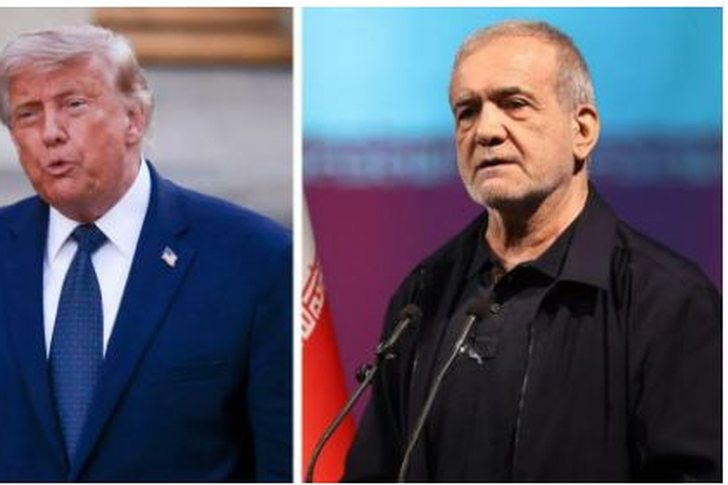
The presidents of the US and Iran have signed an initial p...
Sekretari i Përgjithshëm i NATO-s, Mark Rutte, tha se në t...
The European Parliament has adopted a resolution on Kosovo...
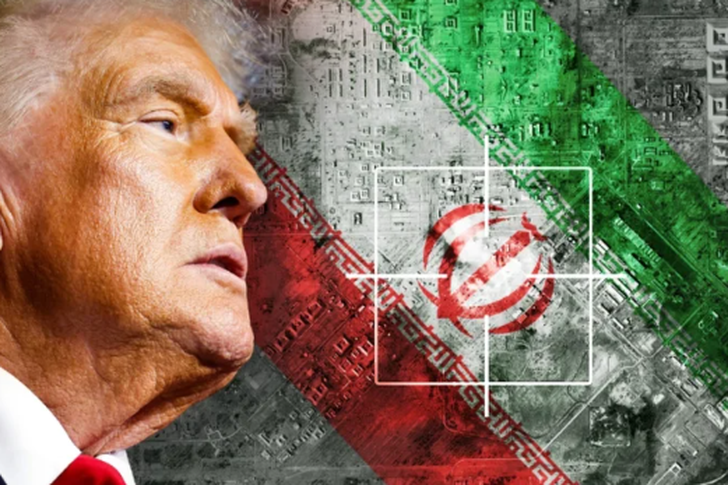
Just 2 days before the signing of the agreement, scheduled...
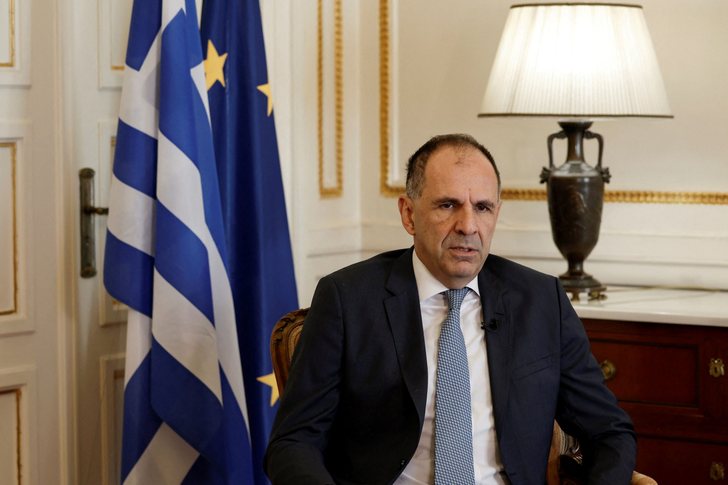
The Foreign Minister of Greece, Giorgos Gerapetritis, shar...
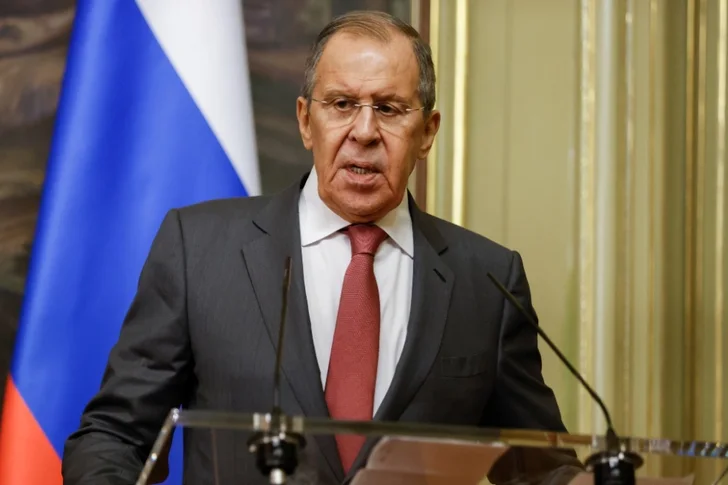
Moska mbështet marrëveshjen midis Shteteve të Bashkuara dh...
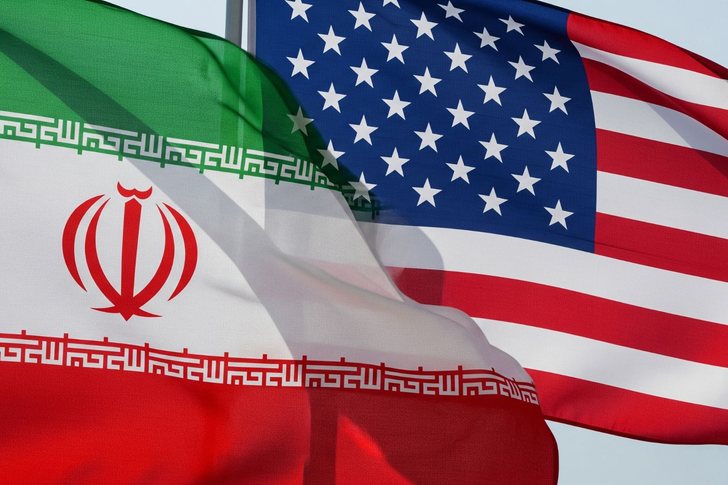
The US and Iran are expected to officially sign a memorand...
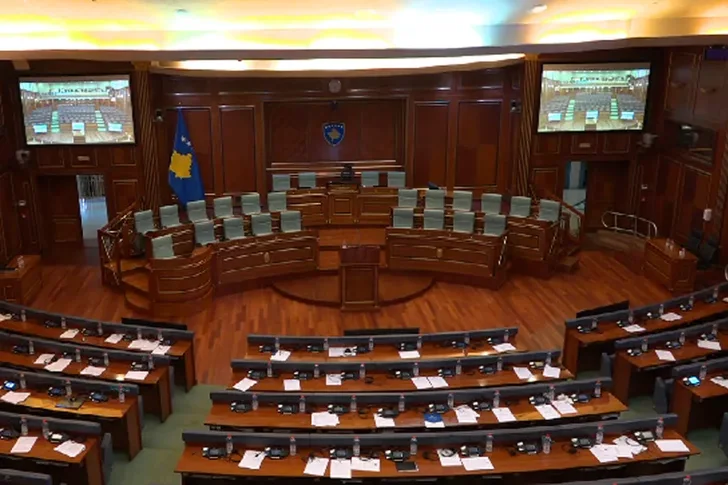
The Vetëvendosje Movement has secured 53 seats in the Koso...
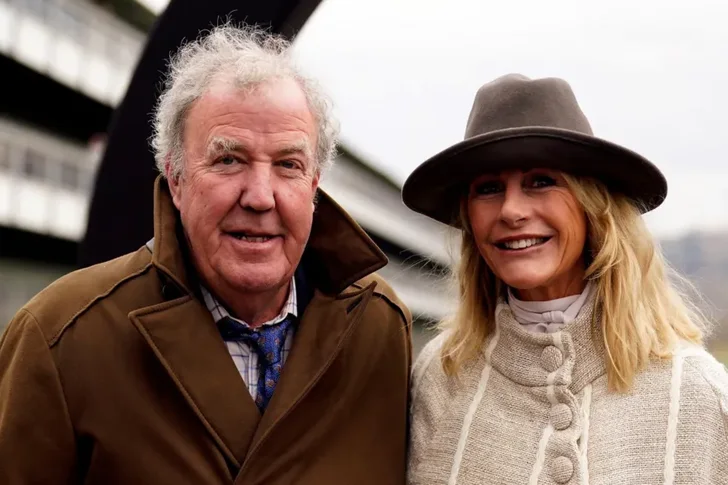
Television presenter Jeremy Clarkson has revealed that he ...
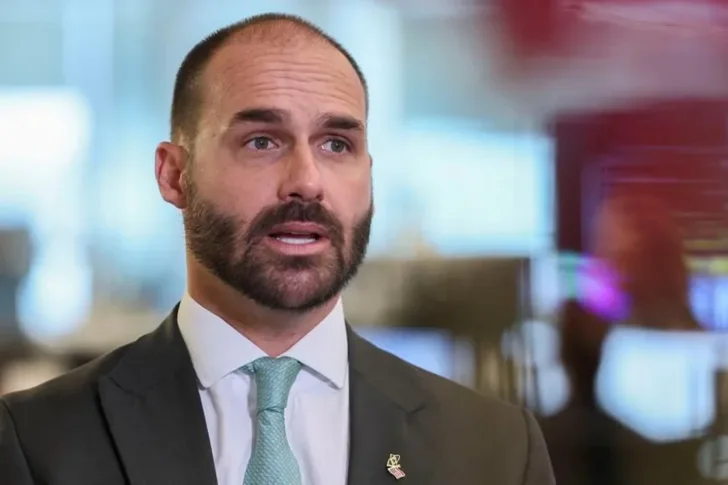
The son of imprisoned former Brazilian president Jair Bols...
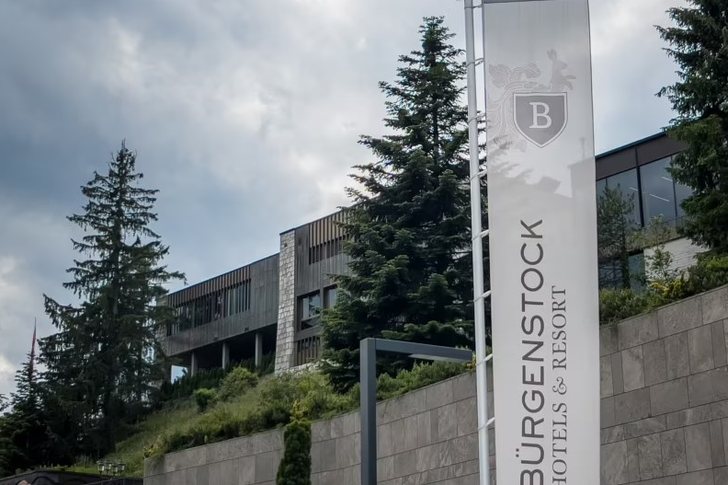
Switzerland announced that the signing ceremony of the agr...
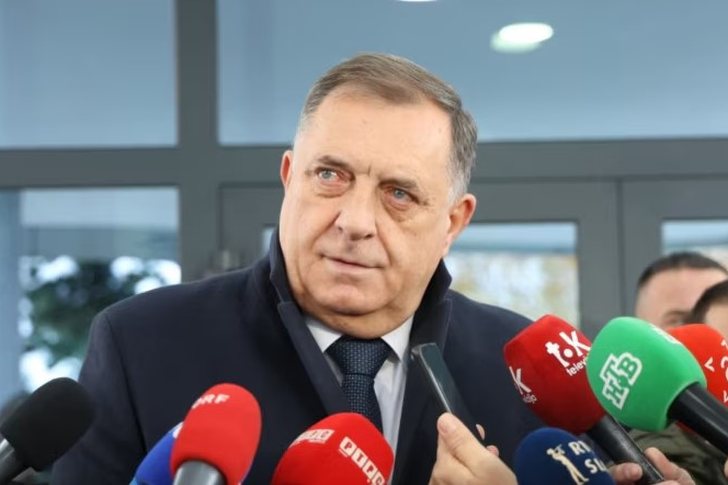
The European Court of Human Rights in Strasbourg has rejec...
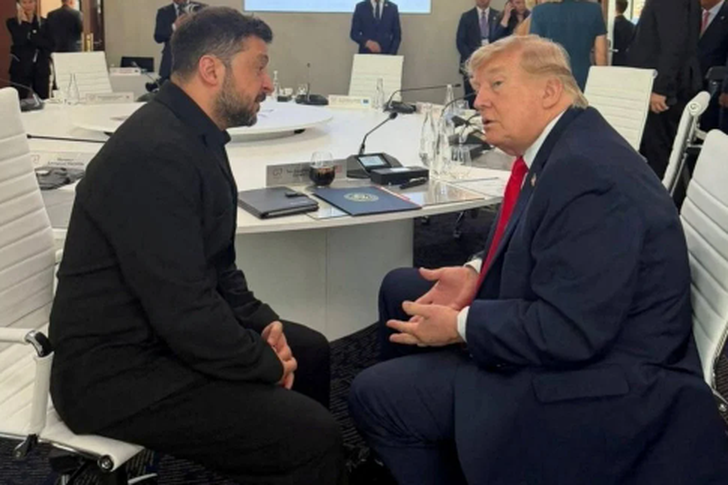
US President Donald Trump met with President Volodymyr Zel...
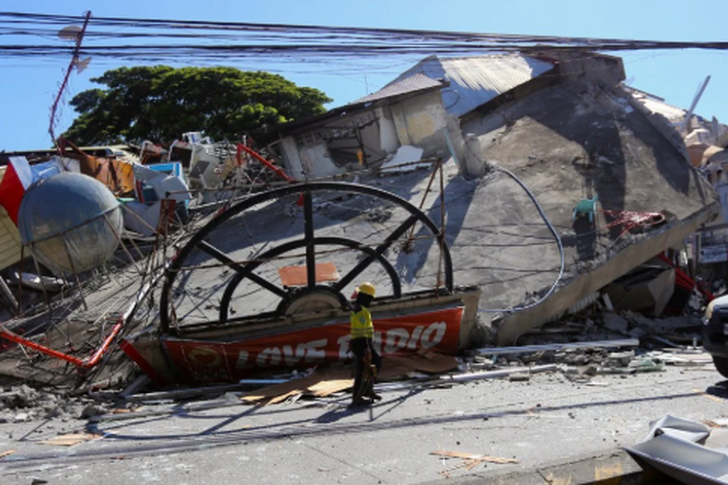
This Tuesday marked strong seismic tremors in two countrie...
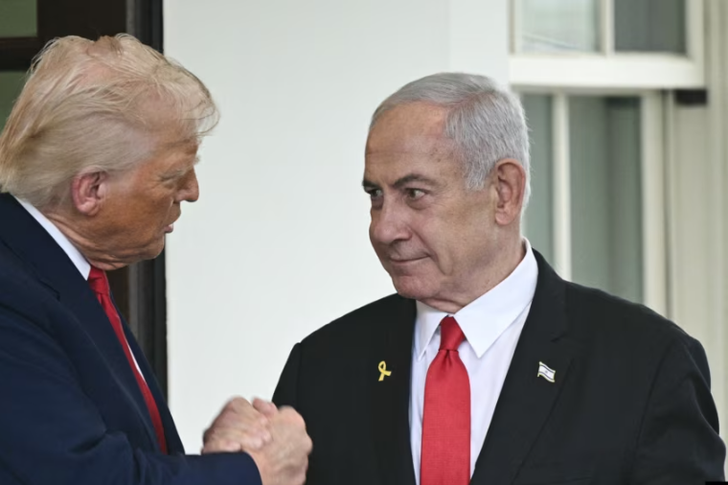
US President Donald Trump spoke at the G7 summit regarding...
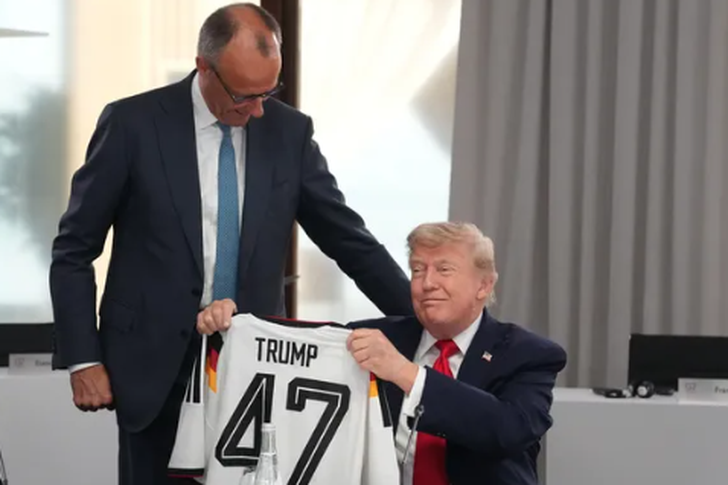
German Chancellor Friedrich Merz gave US President Donald ...

Erion Isufi is the man known in the media as Lulzim Basha'...

There have been 12 days of protests in the capital, which ...
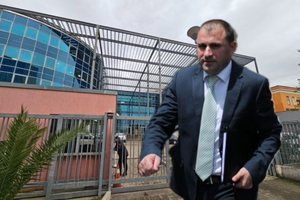
Dritan Prençi is the SPAK prosecutor who is sleeping on th...
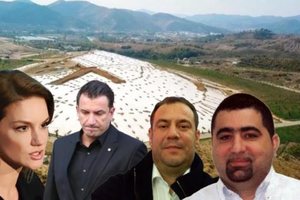
The in-depth investigations that SPAK conducted into Ajola...

The Special Board of Appeal (KPA) decided this Monday ...

The KPA vetting decided this Thursday to dismiss the p...

Suela Salavaçi, a prosecutor in the Prosecutor's Offic...

The Special Board of Appeal reinstated the prosecutor ...

The Criminal Court of Kosovo has found businessman Pëllumb...

Kurbin police have cracked down on a case of narcotic plan...
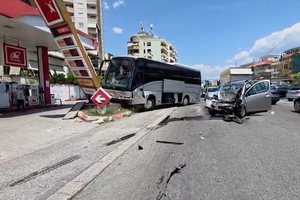
It is reported that an accident occurred at the entrance t...

Police have finalized an operation to crack down on a crim...
On Thursday, our country will be affected by stable weathe...

On Wednesday, our country will be affected by relatively s...
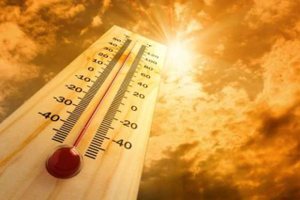
Meteorologist Tanja Porja shared some predictions today re...
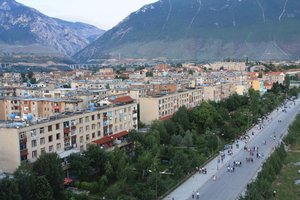
The large regions of Northern Albania are experiencing a s...
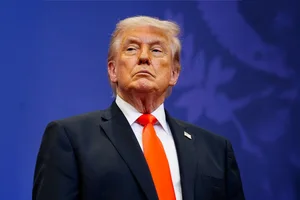
US President Donald Trump has rejected criticism that he h...
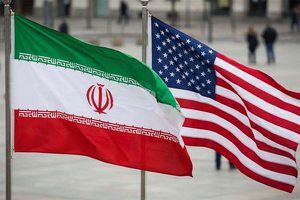
Foreign media have published close-up images of the US-Ira...
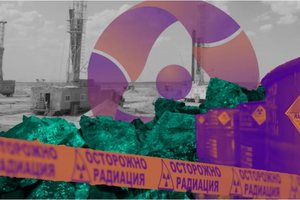
As talks over Iran's nuclear program continue, the fate of...
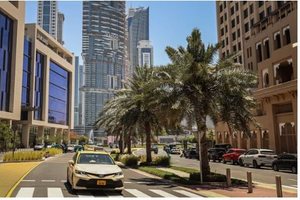
Property sales in Dubai have fallen "off a cliff", a leadi...
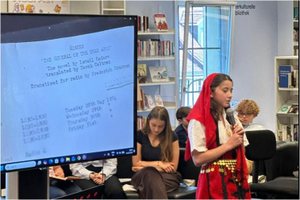
The Albanian Embassy in Switzerland has organized an eveni...

This Wednesday, the prominent actor of Albanian cinema, Gj...
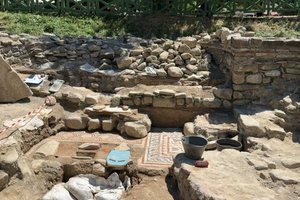
Several archaeological excavations conducted during this s...

At the Museum of Fine Arts in Chambéry, France, an exhibit...

A new draft law submitted for public consultation by the M...

While budget revenues are being collected at enviable rate...
This Thursday, one US dollar is bought for 81.5 lek and so...
Net electricity production in the country reached 4.4 mill...