

Rutte: KFOR-i në të ardhmen do të ketë deri në 3.500 trupa
Sekretari i Përgjithshëm i NATO-s, Mark Rutte, tha se në t...


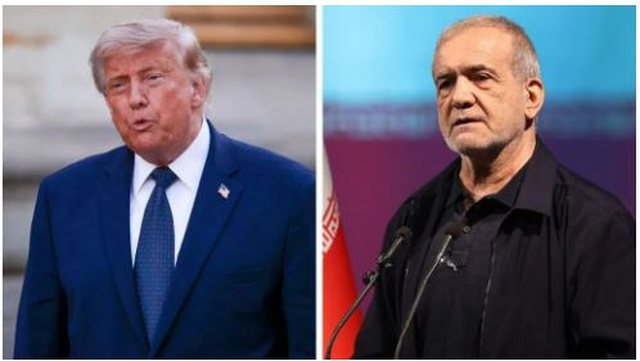
The presidents of the US and Iran have signed an initial peace agreement aimed at ending the war, allowing it to take effect immediately.
The deal includes the reopening of the Strait of Hormuz, a $300 billion (£224 billion) plan to "rebuild" Iran and the lifting of "all types of sanctions" on Iran by the US.
But the issue of Iran's nuclear program, the main reason stated by the US for the conflict, must still be negotiated during an extendable 60-day period.
US President Donald Trump, who signed the deal in France during the G7 summit, defended the proposal, saying it would avoid an "economic catastrophe." However, he warned that the US would "bomb the hell out of" Iran if a final deal was not reached.
Iranian President Masoud Pezeshkian also signed the document on Wednesday, Tehran confirmed.
Iran's parliament speaker and chief negotiator, Mohammad Bagher Ghalibaf, told state media that his distrust of the US remains and that "Iran's finger is on the trigger."
"If the enemy does not understand the language of logic, we will enter again with the language of power," he told state broadcaster Fars.
The US and Israel launched a war against Iran on February 28, killing Supreme Leader Ayatollah Ali Khamenei and senior military officials on the first day.
But since then, the conflict has escalated, driving up energy prices and renewing inflationary pressures, while Iran imposed a de facto closure of the Strait of Hormuz, a key trade waterway through which about 20% of the world's oil and liquefied natural gas (LNG) typically passes.
Trump told reporters in France, at the lakeside resort of Evian-les-Bains, where the G7 summit was held, that the plan would avoid a "global depression."
"I didn't want to see economic disaster," Trump told reporters. "If you had continued this, this could have happened."
"The only thing I know is that every time we talked about the possibility of peace, the stock market went up like a rocket," he added.
"Every time we said something negative, like, guess what, we're not going to be able to agree, it would go down really badly."
The US and Israel launched a war against Iran on February 28, killing Supreme Leader Ayatollah Ali Khamenei and senior military officials on the first day.
But since then, the conflict has escalated, driving up energy prices and renewing inflationary pressures, while Iran imposed a de facto closure of the Strait of Hormuz, a key trade waterway through which about 20% of the world's oil and liquefied natural gas (LNG) typically passes.
Trump told reporters in France, at the lakeside resort of Evian-les-Bains, where the G7 summit was held, that the plan would avoid a "global depression."
"I didn't want to see economic disaster," Trump told reporters. "If you had continued this, this could have happened."
"The only thing I know is that every time we talked about the possibility of peace, the stock market went up like a rocket," he added.
"Every time we said something negative, like, guess what, we're not going to be able to agree, it would go down really badly."
In early Asian trading on Thursday, Brent crude oil was about 1% lower at $78.79 (£59.21) a barrel, but remained about $8 higher than before the conflict began.
Trump signed a printed copy of the initial agreement, called a memorandum of understanding, during a state dinner hosted by French President Emmanuel Macron at the Palace of Versailles.
The text states that the US and Iran will "commit to negotiating and reaching a final agreement within a maximum period of 60 days, with the possibility of extension by mutual consent."
The agreement states that "Iran reaffirms that it will not acquire or develop nuclear weapons," which was Trump's number one condition since the start of the war.
The memorandum also says that Iran's enriched uranium will be "blended" - meaning diluted - in-house, under the auspices of the IAEA, the UN nuclear watchdog.
Initially, the US had demanded that nuclear material be completely removed from the country.
As for the Strait of Hormuz, under the agreement, there will be no fees for ships passing through this critical waterway for 60 days.
But the memorandum leaves open the possibility of future charges. There had been none before the conflict.

Sekretari i Përgjithshëm i NATO-s, Mark Rutte, tha se në t...
The European Parliament has adopted a resolution on Kosovo...
Just 2 days before the signing of the agreement, scheduled...
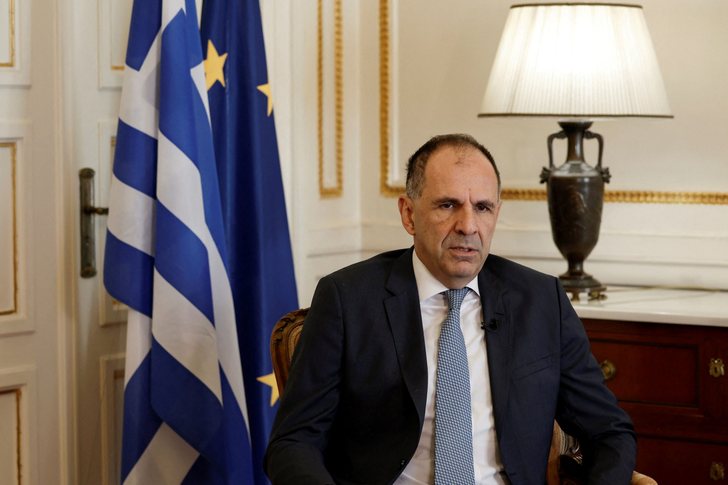
The Foreign Minister of Greece, Giorgos Gerapetritis, shar...
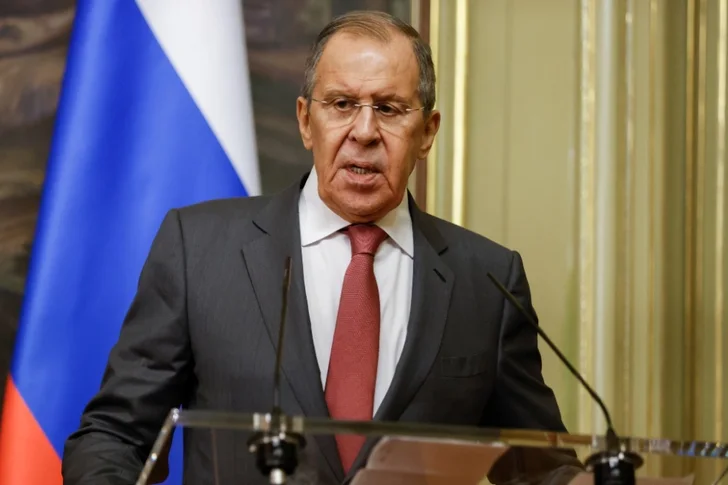
Moska mbështet marrëveshjen midis Shteteve të Bashkuara dh...
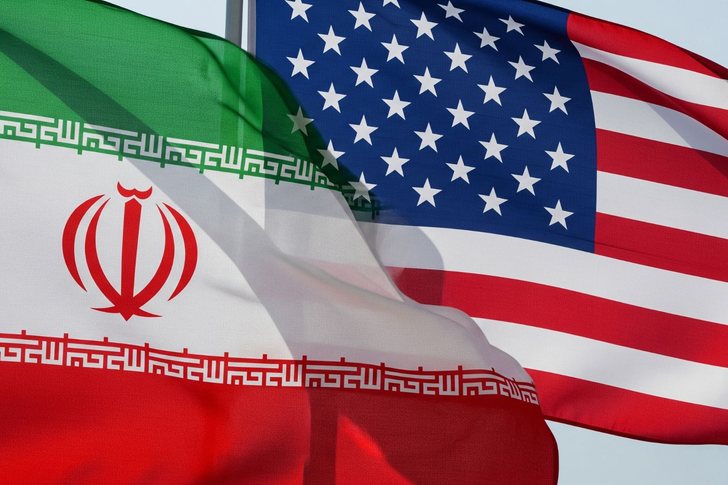
The US and Iran are expected to officially sign a memorand...
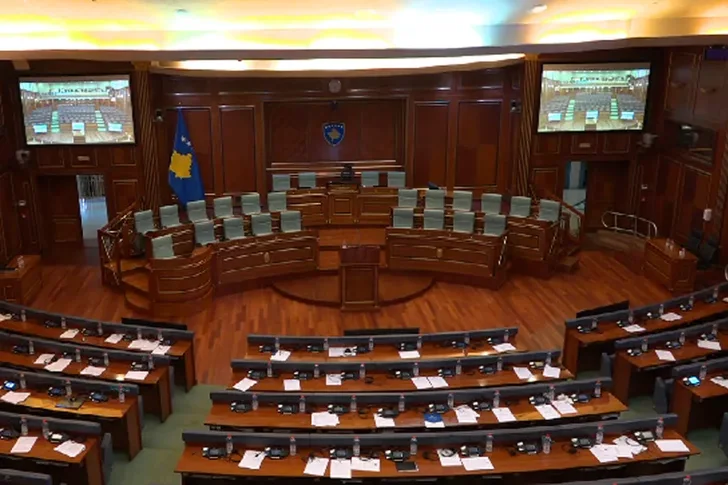
The Vetëvendosje Movement has secured 53 seats in the Koso...
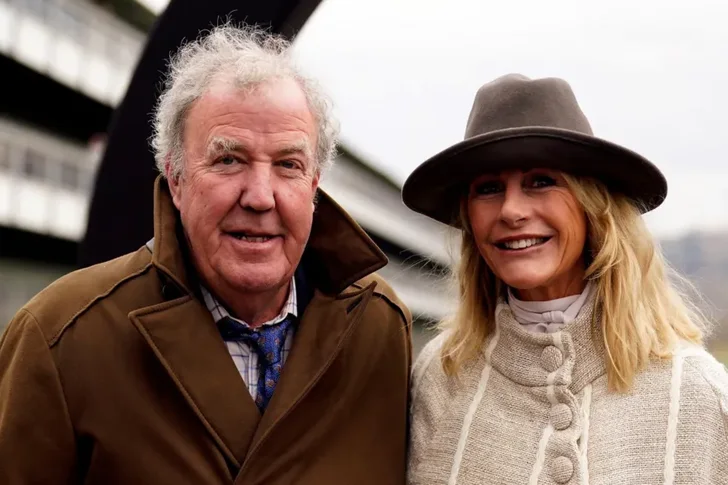
Television presenter Jeremy Clarkson has revealed that he ...
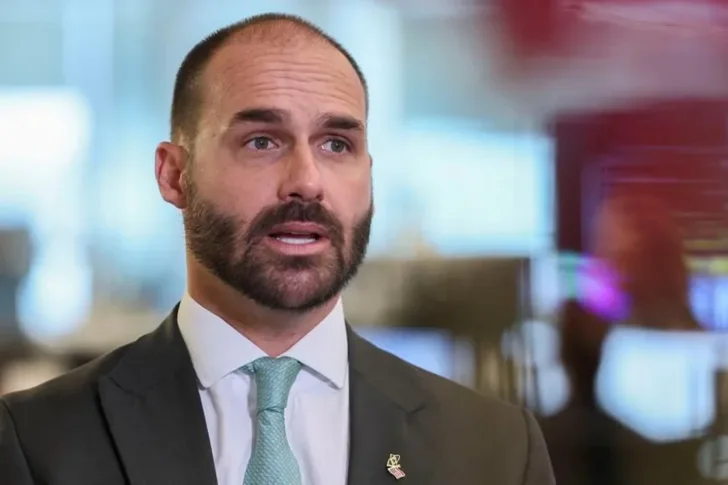
The son of imprisoned former Brazilian president Jair Bols...
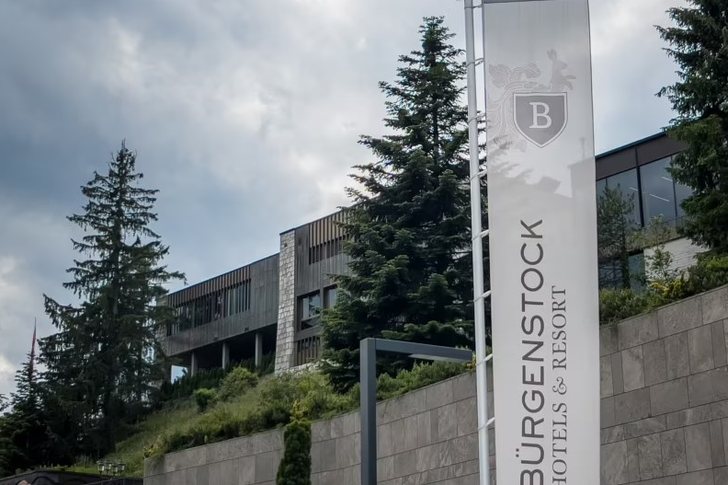
Switzerland announced that the signing ceremony of the agr...
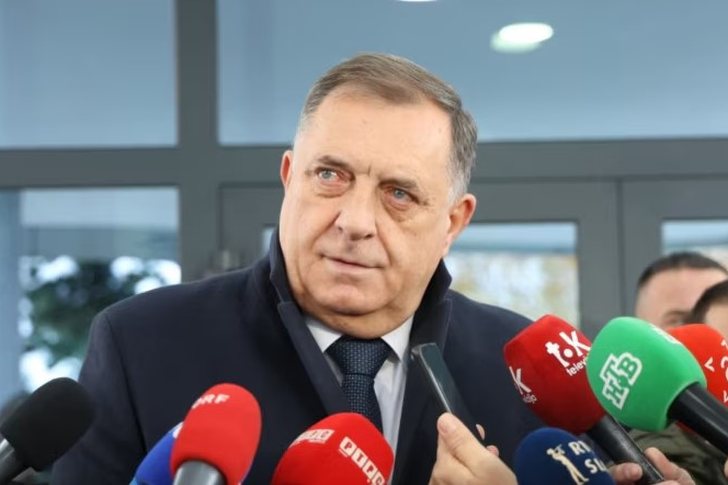
The European Court of Human Rights in Strasbourg has rejec...
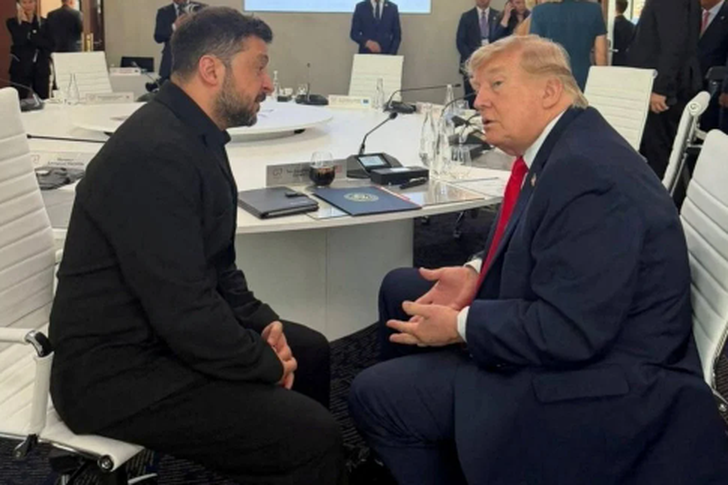
US President Donald Trump met with President Volodymyr Zel...
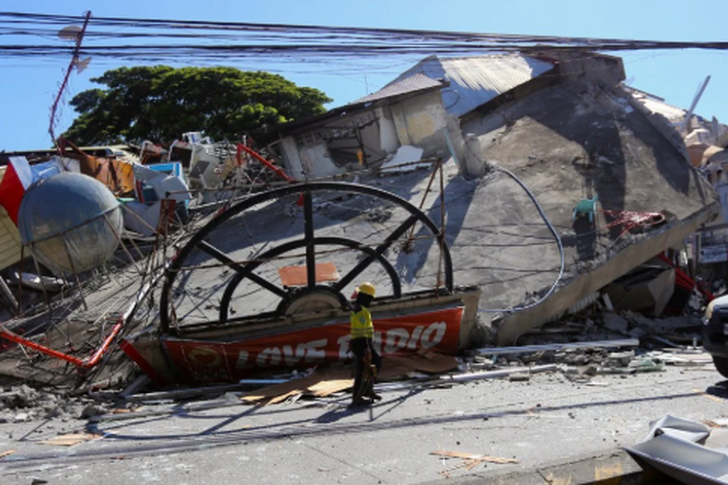
This Tuesday marked strong seismic tremors in two countrie...
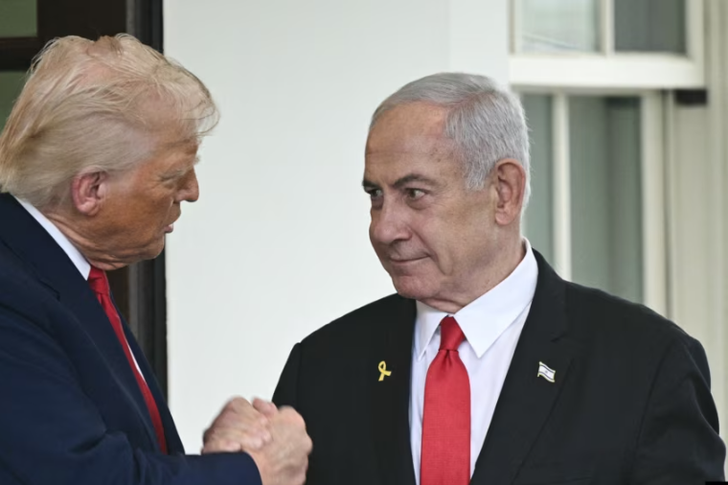
US President Donald Trump spoke at the G7 summit regarding...
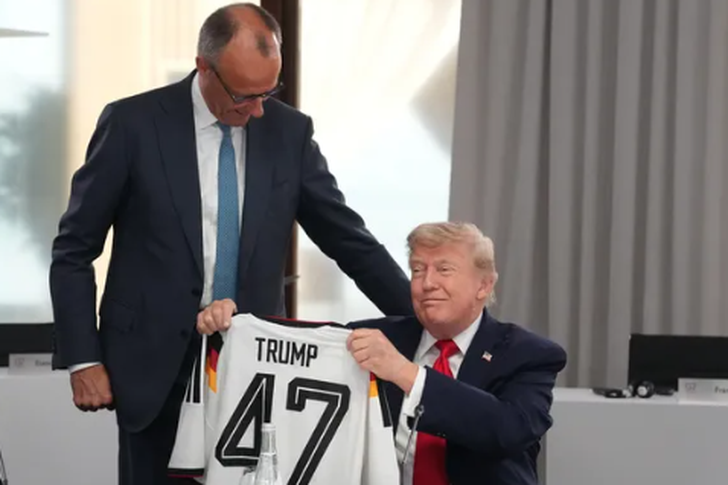
German Chancellor Friedrich Merz gave US President Donald ...
CIA Director John Ratcliffe has raised doubts about Iran's...

Japan's central bank has raised its key interest rate to a...
Eight people, including two Boeing employees, have been ki...
Donald Trump may decide to release a preliminary agreement...
As part of the agreement to be signed this week, the Unite...
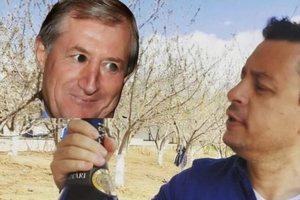
Erion Isufi is the man known in the media as Lulzim Basha'...
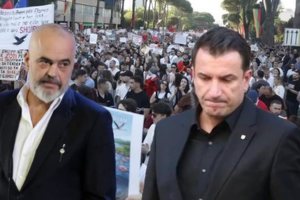
There have been 12 days of protests in the capital, which ...
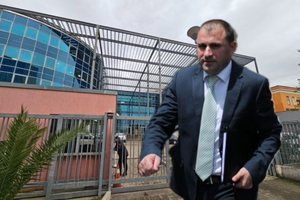
Dritan Prençi is the SPAK prosecutor who is sleeping on th...
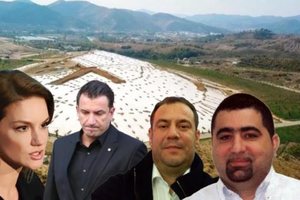
The in-depth investigations that SPAK conducted into Ajola...

The Special Board of Appeal (KPA) decided this Monday ...

The KPA vetting decided this Thursday to dismiss the p...

Suela Salavaçi, a prosecutor in the Prosecutor's Offic...

The Special Board of Appeal reinstated the prosecutor ...
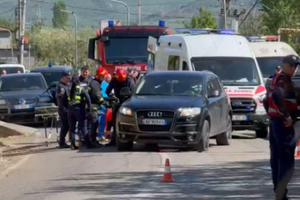
A person has been arrested in connection with the assassin...
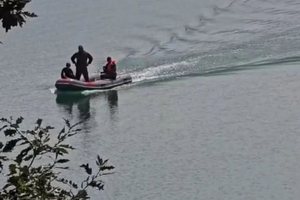
After two days of searching, the lifeless body of 37-year-...
7 Albanian, Paraguayan and Angolan citizens are arrested a...

Criminal proceedings have been initiated against 16 protes...
On Thursday, our country will be affected by stable weathe...
On Wednesday, our country will be affected by relatively s...
Meteorologist Tanja Porja shared some predictions today re...
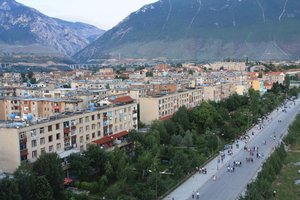
The large regions of Northern Albania are experiencing a s...
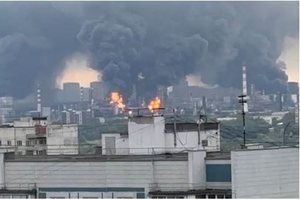
Ukrainian drones struck a Moscow oil refinery for the seco...
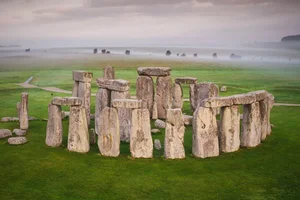
Archaeologists believe they have discovered an earlier and...

Apple plans to raise the prices of its products as the cos...
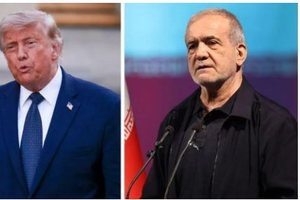
The presidents of the US and Iran have signed an initial p...
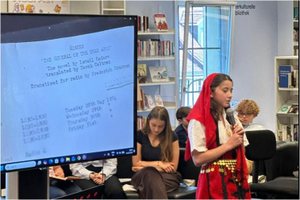
The Albanian Embassy in Switzerland has organized an eveni...

This Wednesday, the prominent actor of Albanian cinema, Gj...
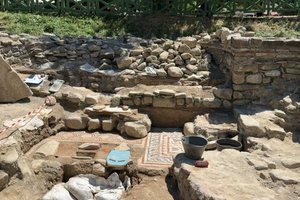
Several archaeological excavations conducted during this s...

At the Museum of Fine Arts in Chambéry, France, an exhibit...
This Thursday, one US dollar is bought for 81.5 lek and so...
Net electricity production in the country reached 4.4 mill...

Albanian consumers have individual consumption per capita ...
In 2025, eight EU countries recorded a current individual ...