


Balla-Berisha: This pelican here/ Tensions in the session, Noka tries to take away the microphone
The speech of the leader of the SP parliamentary group, Ta...

The speech of the leader of the SP parliamentary group, Ta...

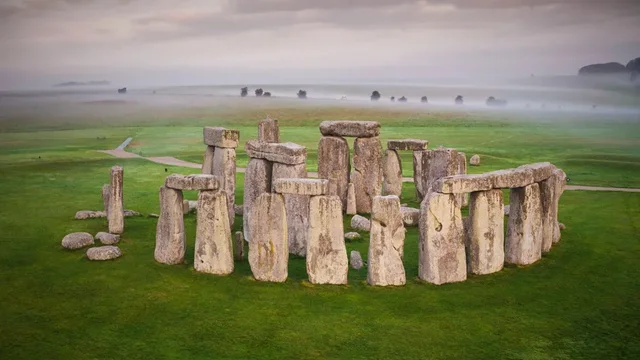
Archaeologists believe they have discovered an earlier and much simpler version of Stonehenge, about 5km from the prehistoric monument.
All that remains of the older structure are two holes in the ground, but the team says they held wooden posts that were aligned with the Sun at the summer and winter solstices - the longest and shortest days of the year - in the same way as Stonehenge.
The site has been dated to around 5,000 years old, which is 500 years older than Stonehenge.
Artifacts, including pottery, stone tools and animal bones, were also found at the site, suggesting that prehistoric people held gatherings there.
Phil Harding, from Wessex Archaeology, who led the excavation, said it was one of the best finds of his long career.
"Two pillar pits tell me [a lot] more about people 5,000 years ago," he said.
"This tells me about the whole community, it tells me how they thought, how they behaved, how they worshipped the sky."
The large stones at Stonehenge are placed exactly in line with the Sun.
If you stand in the middle of the circle at sunrise on the summer solstice, you will see the Sun rise over a stone called the heel stone in the northeast of the circle.
In midwinter, if you stood in the center of the circle, you would see the sun set over an altar stone in the southwest of the site.
The structure, discovered in the village of Bulford, was a much simpler construction consisting of just two wooden posts, which have long since rotted away.
They were positioned 120 meters apart and were estimated to be between 2 and 4 meters high.
When Harding discovered the interesting holes, he noticed that they appeared to be aligned with the Sun, much like Stonehenge located a few miles away.
"I took the pencil and ruler, put them together, and I was aware that they were pointing in the general direction of the midsummer sunrise," he said.
Traces of the previous structure were found a decade ago in Bulford, when land was cleared for new military housing.
But only now has a detailed analysis of the extent been carried out, which included turning back the celestial clock.
"The sky - the positions of the Sun, Moon, planets and stars - change very slowly over centuries. We don't notice this in our lifetimes," said Dr. Fabio Silva, an archaeoastronomer from Bournemouth University and the Skyscape Academy.
"So we basically have to reconstruct the sky, what it looked like exactly 5,000 years ago, where the Sun rose and what time it rose in those places."
"If you consider the width of the pillars… then the alignment is exactly, exactly correct. It's aligned precisely with the sunrise on the summer solstice and the sunset on the winter solstice."


Apple plans to raise the prices of its products as the cos...

The presidents of the US and Iran have signed an initial p...
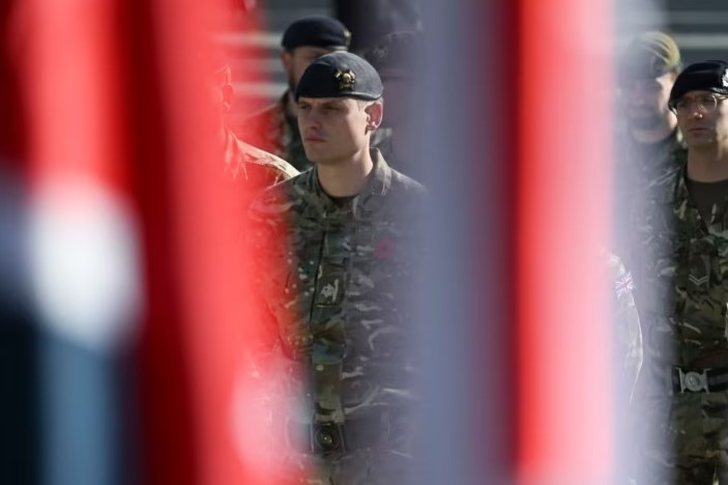
Sekretari i Përgjithshëm i NATO-s, Mark Rutte, tha se në t...
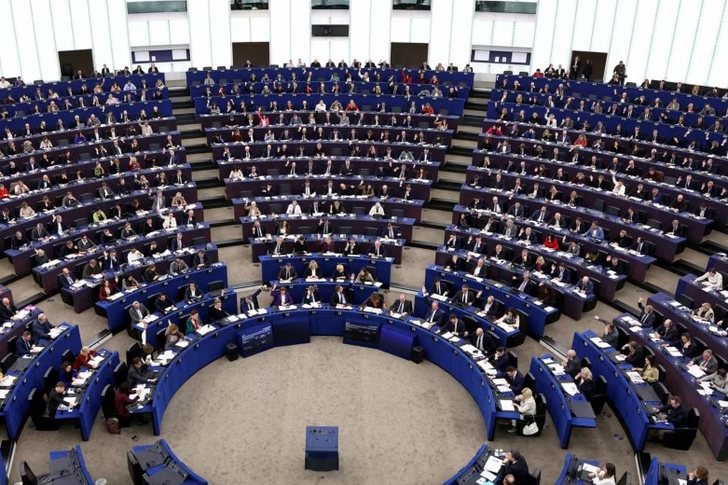
The European Parliament has adopted a resolution on Kosovo...

Just 2 days before the signing of the agreement, scheduled...
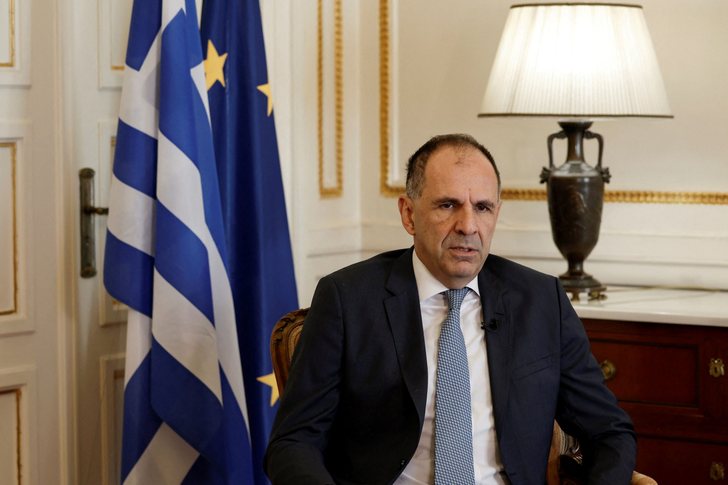
The Foreign Minister of Greece, Giorgos Gerapetritis, shar...

Moska mbështet marrëveshjen midis Shteteve të Bashkuara dh...

The US and Iran are expected to officially sign a memorand...
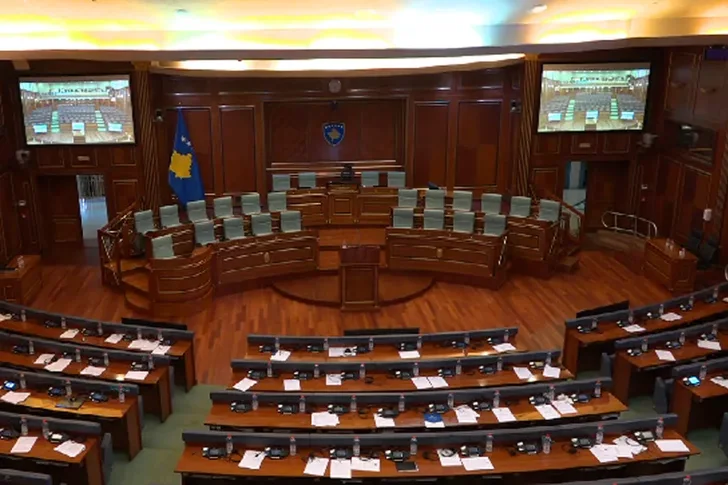
The Vetëvendosje Movement has secured 53 seats in the Koso...

Television presenter Jeremy Clarkson has revealed that he ...
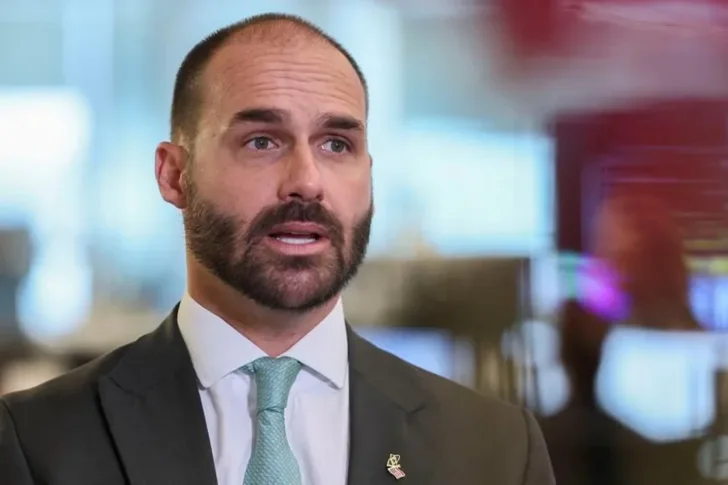
The son of imprisoned former Brazilian president Jair Bols...
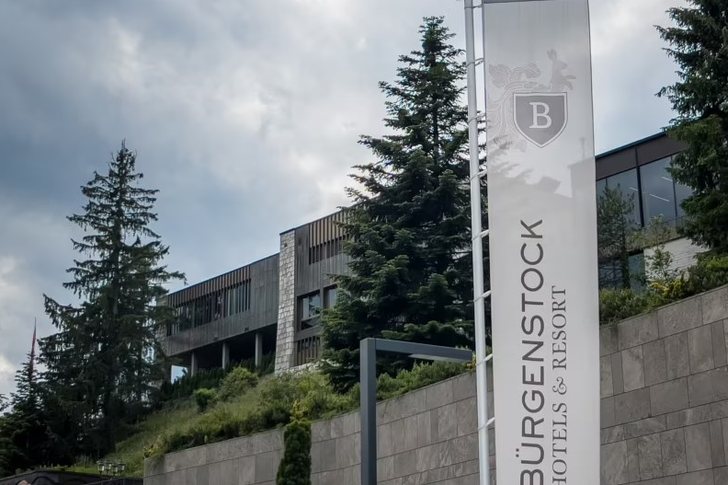
Switzerland announced that the signing ceremony of the agr...

The European Court of Human Rights in Strasbourg has rejec...

US President Donald Trump met with President Volodymyr Zel...
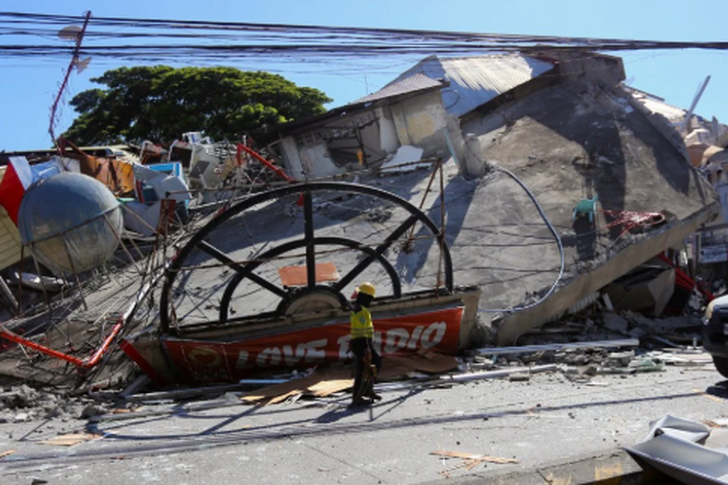
This Tuesday marked strong seismic tremors in two countrie...

US President Donald Trump spoke at the G7 summit regarding...

German Chancellor Friedrich Merz gave US President Donald ...

CIA Director John Ratcliffe has raised doubts about Iran's...

Japan's central bank has raised its key interest rate to a...

Eight people, including two Boeing employees, have been ki...
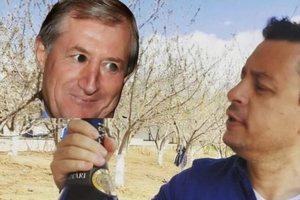
Erion Isufi is the man known in the media as Lulzim Basha'...

There have been 12 days of protests in the capital, which ...
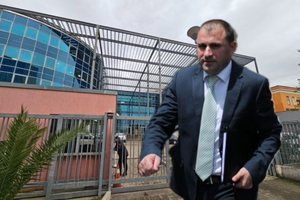
Dritan Prençi is the SPAK prosecutor who is sleeping on th...
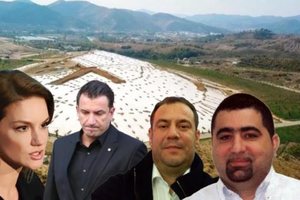
The in-depth investigations that SPAK conducted into Ajola...

The Special Board of Appeal (KPA) decided this Monday ...

The KPA vetting decided this Thursday to dismiss the p...

Suela Salavaçi, a prosecutor in the Prosecutor's Offic...

The Special Board of Appeal reinstated the prosecutor ...
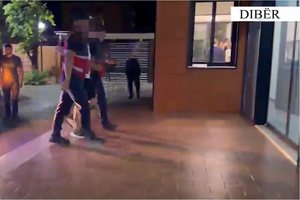
Police have finalized an operation to crack down on a crim...

A person has been arrested in connection with the assassin...

After two days of searching, the lifeless body of 37-year-...
7 Albanian, Paraguayan and Angolan citizens are arrested a...
On Thursday, our country will be affected by stable weathe...

On Wednesday, our country will be affected by relatively s...

Meteorologist Tanja Porja shared some predictions today re...
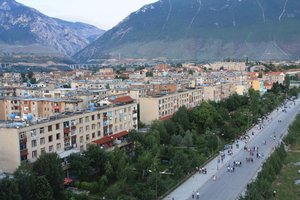
The large regions of Northern Albania are experiencing a s...

Ukrainian drones struck a Moscow oil refinery for the seco...
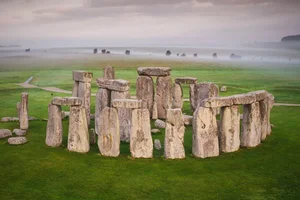
Archaeologists believe they have discovered an earlier and...

Apple plans to raise the prices of its products as the cos...

The presidents of the US and Iran have signed an initial p...

The Albanian Embassy in Switzerland has organized an eveni...

This Wednesday, the prominent actor of Albanian cinema, Gj...
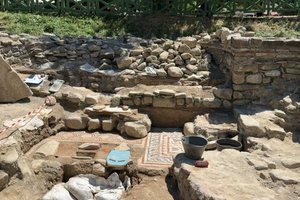
Several archaeological excavations conducted during this s...

At the Museum of Fine Arts in Chambéry, France, an exhibit...

This Thursday, one US dollar is bought for 81.5 lek and so...
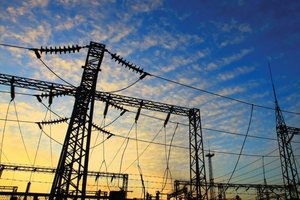
Net electricity production in the country reached 4.4 mill...

Albanian consumers have individual consumption per capita ...

In 2025, eight EU countries recorded a current individual ...