


Changes from the Reform/ The majority's 4 scenarios for territorial reorganization are revealed
The report drafted by the majority on the Administrative-T...

The report drafted by the majority on the Administrative-T...

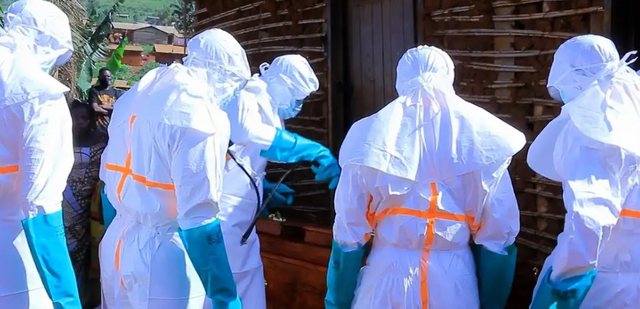
Funding for development aid, and therefore for disease prevention, is decreasing worldwide. Is the spread of Ebola one of the consequences?
The Ebola epidemic continues to spread in the Ituri and North Kivu provinces of the Democratic Republic of Congo. Nine hundred suspected cases have been confirmed, while 220 people have died. The World Health Organization (WHO) expects the often deadly fever to spread further in the underdeveloped Congo.
"We are facing an extremely serious and challenging outbreak," WHO Director-General Tedros Adhanom Ghebreyesus said at the UN agency's headquarters in Geneva.
"It will get worse before it gets better," Tedros added. The WHO aims to provide assistance on the ground as quickly as possible, with equipment and experts.
However, WHO's resources are limited, especially since the United States withdrew its funding last year. The WHO has had to change or completely discontinue many programs, including those in Congo.
The South is weakening.
Germany is currently the WHO's largest donor, but it has also cut its contributions and the budget of the Federal Ministry for Economic Cooperation and Development (BMZ) this year. Health policy experts at the Protestant aid organization "Bread for the World" criticized the cuts in an interview with DW.
"Looking at the 2026 budget, all budget lines in the Federal Ministry of Health, as well as in the Federal Ministry for Economic Cooperation and Development, have been cut."
This includes voluntary contributions to the WHO. The Federal Ministry for Economic Cooperation has been cutting bilateral health programs for years. "This, of course, has the effect that when health systems in the Global South become increasingly weak or no longer strengthened, outbreaks like the one in the Democratic Republic of Congo remain under the radar for a very long time until they finally become apparent," analyzes Julia Stoffner of "Bread for the World".
The Bonn-based aid organization CARE also called on the international community to invest more money in relief measures and awareness campaigns. The Catholic charity Caritas issued a similar appeal.
There is not enough money to fight Ebola
In Goma, the capital of the North Tivu province in eastern Congo, the German aid organization Diakonie has its office. The director of the office, Josue Ibulungu, is trying to organize aid for the regions affected by Ebola.
"Only 30 percent of the needs can be met. The situation is very difficult for all humanitarian aid workers. The reduction of funds from many donors is making things extremely difficult. Even for the immediate fight against Ebola, organizations are looking for funds," explained Josue Ibulungu in a video conference between Berlin and Goma.
"Many hospitals have been destroyed by the war. This makes it very difficult for doctors and nurses to help Ebola patients because they lack the necessary equipment." Government troops, militias, rebels and criminal gangs have fought for control of eastern Congo for decades. The conflict revolves around mineral resources, ethnic tensions and the geopolitical interests of neighboring Rwanda and Uganda.
BMZ: Cuts affect
The Federal Ministry for Economic Cooperation and Development (BMZ) says the Congolese government will receive around 160 million euros in development aid for 2026 and 2027. This is less than in previous years. Overall, the BMZ budget has been in decline for several years.
Disease prevention is not only done through financial aid, but also involves many individual measures, BMZ spokesman Benedikt Schöneck explained on Wednesday. "Looking ahead, it is clear that cuts in support for prevention will of course have a corresponding impact."
However, Germany is providing "considerable resources" to secure funding for international initiatives in the coming years. Spokesperson Schöneck could not give specific figures. Despite the reduced budget, the ministry remains committed to epidemic prevention in order to provide reliable assistance.
In response to the Ebola outbreak in eastern Congo, the Ministry plans to send a team of experts there or activate one in Congo to train additional aid workers on the ground.
Bread for the World: Supporting Organizations in Congo
The non-governmental organization Bread for the World is calling for a significant increase in funding in the current crisis. The 500 protective suits that the Ministry announced as emergency aid are insufficient, says Julia Stoffner of Bread for the World in an interview with DW.
"At the same time, funding for global health as a whole must be increased. Local civil society organizations must be strengthened, because they are the people who know the needs and regions best, who have access to communities and who have their trust. The population is essential to contain the outbreak, especially since there is no vaccine."
The Bundibugyo variant of the Ebola virus, for which there is no vaccine or cure, is widespread in eastern Congo. The development of a vaccine will take at least nine months, estimates Dr. Gisela Schneider of the German Institute for Medical Missions. There is also currently a lack of rapid tests and laboratory capacity for detecting the Bundibugyo variant.
Lauterbach: This is also "self-defense"
Former German Health Minister Karl Lauterbach (SPD), who served during the Covid-19 epidemic, is calling for an increase in development aid to combat the pandemic. Preventing the spread of diseases in Africa is humanitarian aid, but also self-defense. "At the same time, weak health systems threaten to trigger waves of refugees from African countries to Europe," Lauterbach warned in the Rheinische Post newspaper.
The right-wing populists' demand to further reduce development aid is completely wrong, Lauterbach warned. Such cuts could have "bitter consequences."/ DW

NATO dhe Bashkimi Europian kanë dënuar sulmin me dron rus ...

A Russian drone has entered Romanian airspace and crashed ...
When a government distributes public money on the eve of e...
Iceland's parliament approved a referendum on August 29 on...
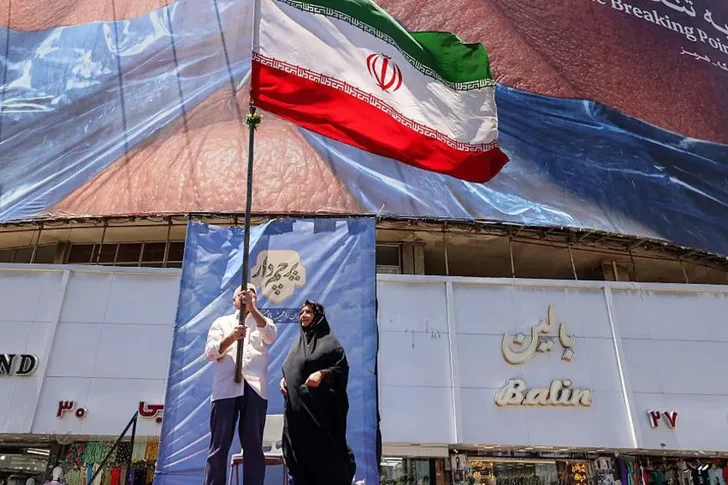
US and Iranian negotiators have agreed to a deal that will...
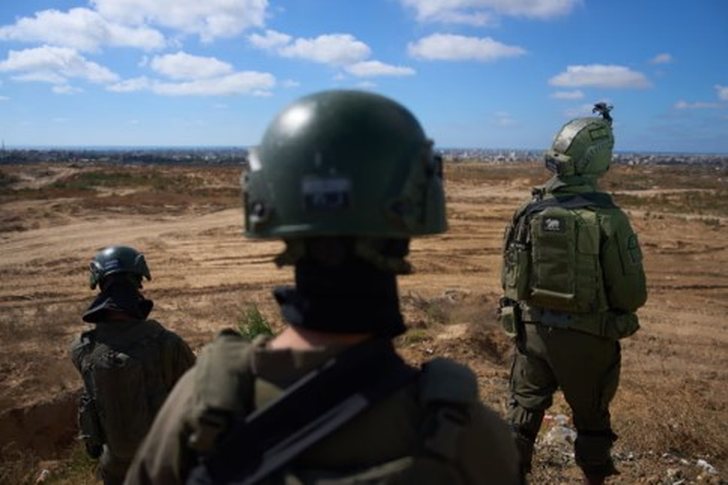
Benjamin Netanyahu has said he has ordered the Israeli mil...
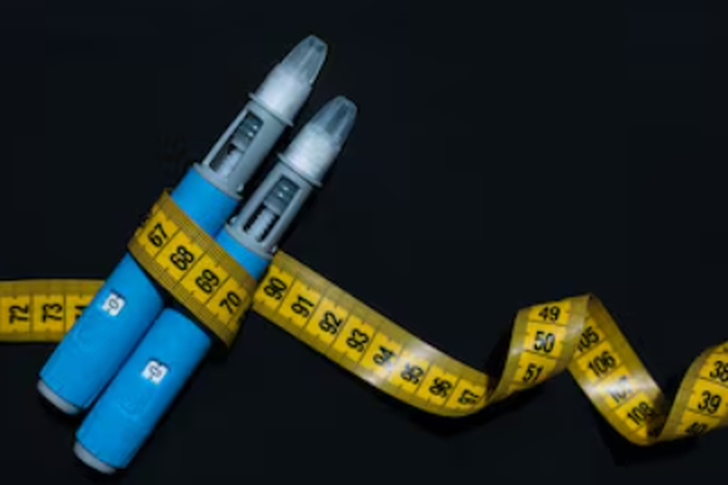
France will begin reimbursing weight loss drugs, such as W...

Portugal has recorded a new hottest day in May with 40.3 d...

The peak of democracy is happening in Germany. Opponents o...

A ceasefire "hanging by a thread." A diplomatic process "m...

Anti-mafia investigators in Italy have seized cash, compan...
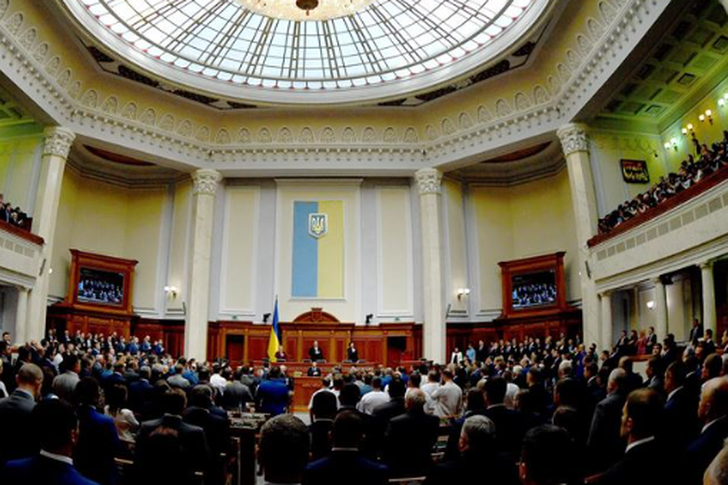
The Ukrainian parliament ratified on Thursday the agreemen...

For nearly 180 years after France abolished slavery, the “...
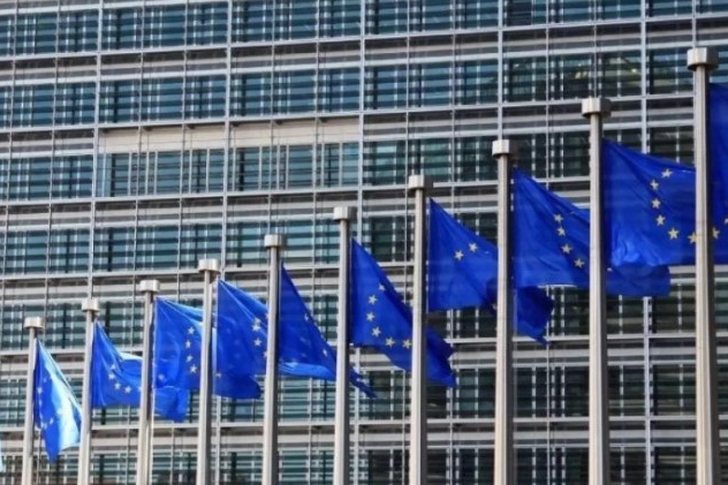
The European Union has imposed a €200 million ($232 millio...
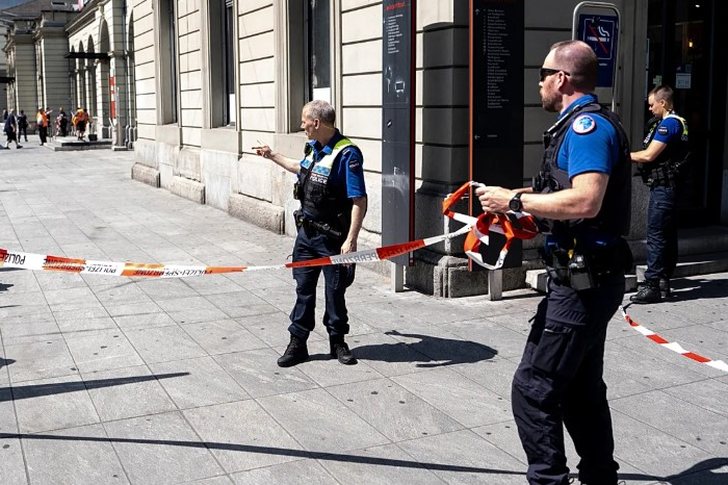
A knife attack occurred today at a train station in Switze...
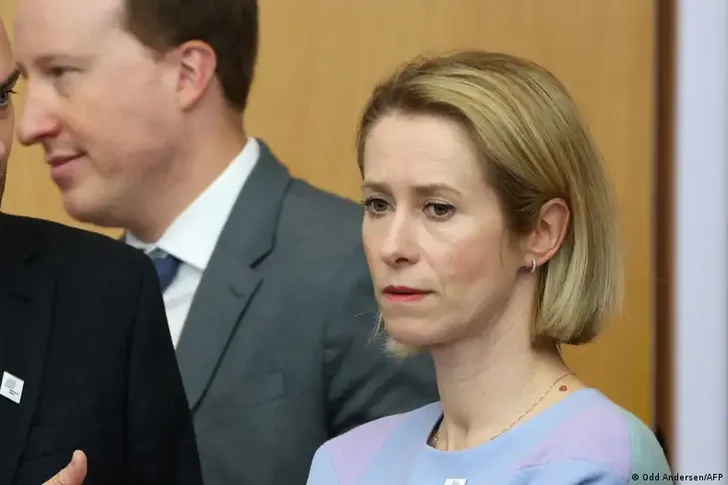
EU foreign ministers are meeting in Cyprus to discuss the ...
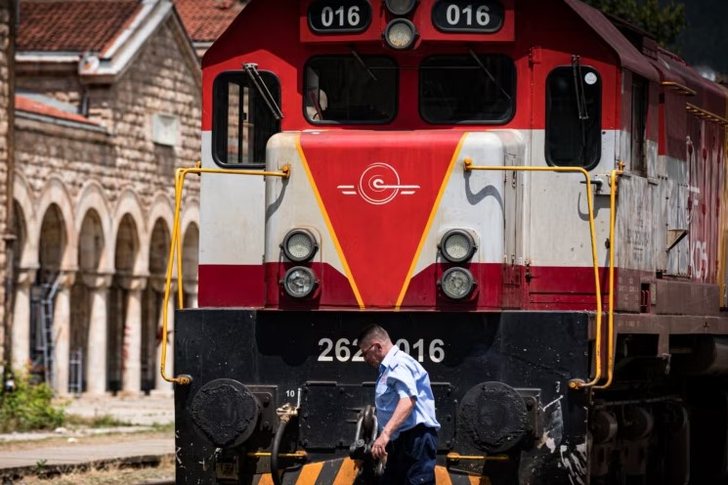
Kosovo authorities on Thursday morning took control of rai...

Norway is reviewing its security strategy. In the future, ...
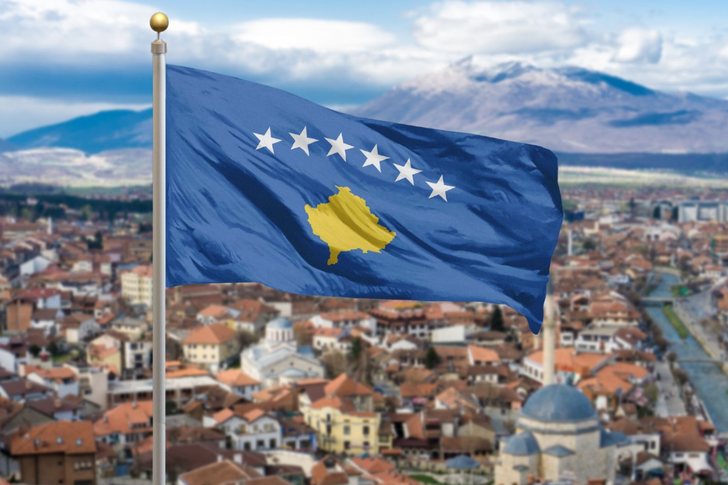
The electoral campaign for the June 7 elections in Kosovo ...
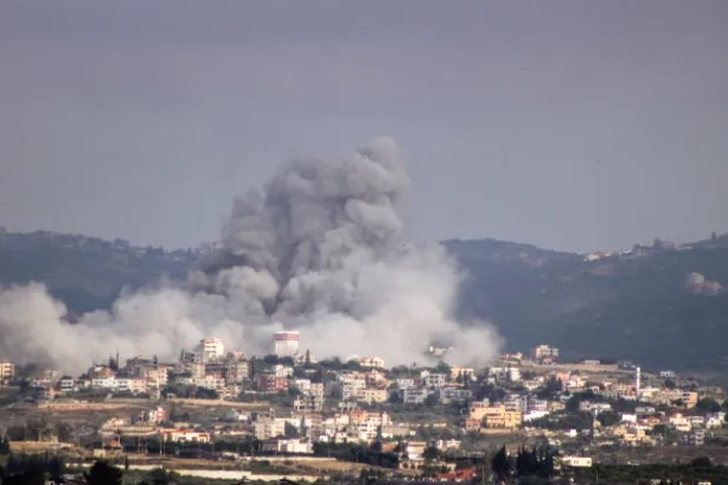
The Israeli military has announced that it has launched at...

A 39-year-old citizen has been arrested in Lezha, after se...

CNA has launched another investigation that could lead to ...

Irfan Hysenbelliu is a businessman that we call "Irfan the...

In March 2026, CNA launched another investigation centered...

The Special Board of Appeal (KPA) decided this Monday ...

The KPA vetting decided this Thursday to dismiss the p...

Suela Salavaçi, a prosecutor in the Prosecutor's Offic...

The Special Board of Appeal reinstated the prosecutor ...

Following the successive operations carried out by the ope...
The Police Supervision Agency has seized the service weapo...
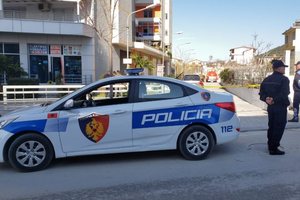
A serious incident occurred in Lushnje, where citizen IY, ...
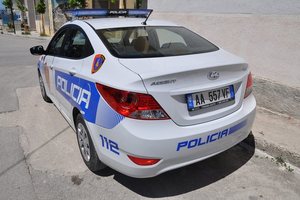
As a result of the investigative and procedural actions ca...

As the year 2026 is in its second half, the world is exper...

Today, our country will be under the influence of stable a...

By noon, cloudiness is expected to prevail in almost all o...

Children without parental care, for whom alternative famil...
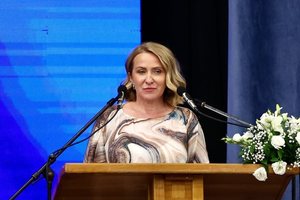
Serbia's Minister of State Administration and Local Self-G...
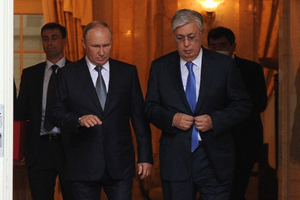
Kazakh President Kassym-Jomart Tokayev shared some critici...
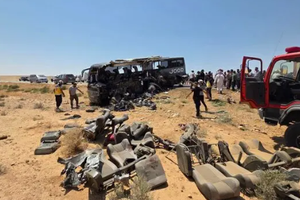
Thirty-five people were killed and 30 others were injured ...

US President Donald Trump has announced that he will seek ...
Two windows, a century of history and the metaphysics of p...
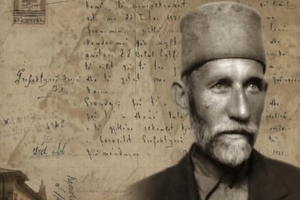
In my research at the Central State Archives, specifically...

At a time when industrial products are increasingly taking...

Trust among people is not just a three-syllable word. It c...

This Saturday, one US dollar is bought for 81.7 lek and so...

War, weather and supply disruptions could send gas prices ...
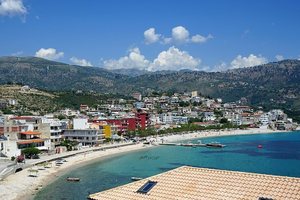
The number of active enterprises in Albania continued to g...
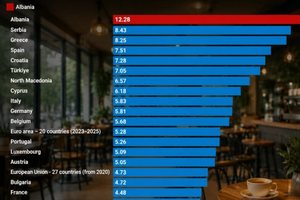
In Albania, the bar-cafe has long become an almost unique ...