


56th day of protests/ Citizens unanimously call for Rama's resignation
This Saturday, the 56th civic protest against the governme...

This Saturday, the 56th civic protest against the governme...

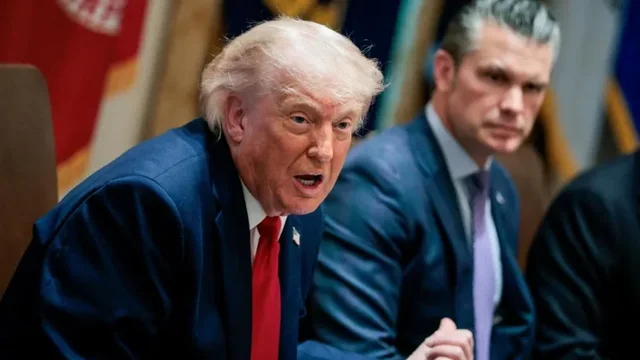
A ceasefire "hanging by a thread." A diplomatic process "making progress." A "disgruntled" president. And explosions echoing across the Gulf.
What should we say about the current and confusing state of relations between the US and Iran - are we close to peace or are we sliding back into war?
This week has certainly put the ceasefire, which came into effect on April 8, to the test and has now lasted significantly longer than the active phase of fighting that preceded it, to the test.
Iran responded to the latest US strikes - which included what US Central Command (Centcom) described as a "ground control site" in the southern Iranian port city of Bandar Abbas - with a warning that "aggression will not go unanswered".
The Islamic Revolutionary Guard Corps (IRGC) later said it had attacked a US air base. It did not say which one, but Centcom later said a ballistic missile had been intercepted over Kuwait, where the US has several bases.
Echoing Tehran's language, Centcom called the attack "a serious violation of the ceasefire."
It all sounds ominous, but it’s still a far cry from the furious exchanges that characterized the first five and a half weeks of this conflict. During that time, the US and Israel launched thousands of airstrikes against targets across Iran, and Tehran responded with barrages of drones and ballistic missiles against US bases, Gulf states and Israel.
The US said on Thursday it had shot down five Iranian drones that "posed a threat around the Strait of Hormuz", suggesting that maritime transport - commercial or military - was again at the centre of concern.
But neither side seems to consider the kind of “tooth for tooth” exchanges we’ve seen this week as a return to all-out war.
Trump said Iran was "starting to give us the things they need to give us." He did not elaborate and repeated his warning that Tehran's failure to comply would trigger a return to war.
"If they don't do this, then the man to my left will finish them off," he said, addressing US Defense Secretary Pete Hegseth.
There were also characteristic signs of impatience. Asked about reports that Iran and Oman might try to control shipping through the strait, Trump issued a stark warning to a traditional US ally.
"Oman will behave like everyone else, or we will have to blow them up," he said.
Meanwhile, the US Treasury on Wednesday sanctioned Iran's newly formed "Persian Gulf Strait Authority," created by Tehran to oversee traffic through the Strait of Hormuz.
The Treasury's Office of Foreign Assets Control (OFAC) called the scheme "a new effort by Iran's Islamic Revolutionary Guard Corps to monetize its state-sponsored terror campaign."
As always, Trump was doing his best to make it seem like the war was going according to plan, dismissing any suggestion that he needed to reach a deal quickly to avoid further price increases in the oil market - or a political blow in the November midterm elections.
But there is no doubt that he is in a difficult situation.
A satisfactory deal remains tantalizingly unlikely, and there are some in his party - not to mention Israeli Prime Minister Benjamin Netanyahu - who would like him to return to the war to finish the job.
Similar pressures are at play in Tehran, where some of the country's most hardline voices are insisting on maximalist goals, arguing that Iran has shown it cannot be subdued.
The diplomatic effort, led by Pakistan, is extremely complex.
The issues that divide both sides are profound: Iran's nuclear program, the future management of the Strait of Hormuz, the lifting of sanctions, and the unblocking of assets.
The immediate objective - a memorandum that would end the war and set out a plan of action for the complex diplomatic negotiations that would follow - is proving elusive.
On Wednesday, US Secretary of State Marco Rubio said the coming hours or days would tell whether progress was possible.
Despite all the internal pressures that exist on both sides and the tense atmosphere in and around the Gulf, neither Iran nor the US seem interested in a return to war.
Despite appearances, the ceasefire - now more than seven weeks old - is still in effect.


Anti-mafia investigators in Italy have seized cash, compan...
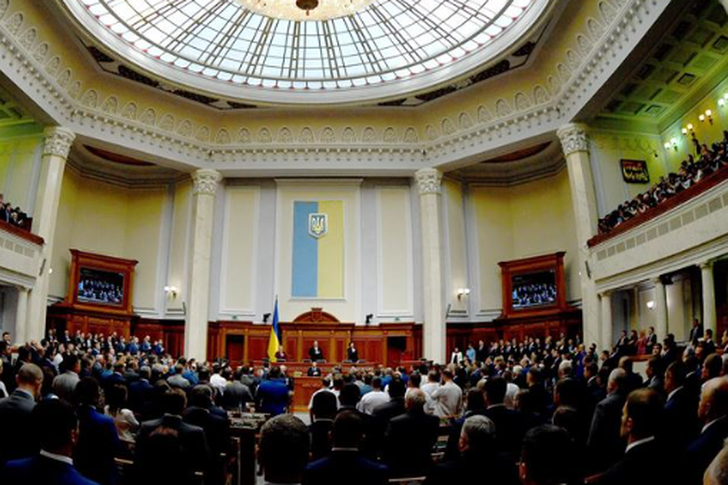
The Ukrainian parliament ratified on Thursday the agreemen...
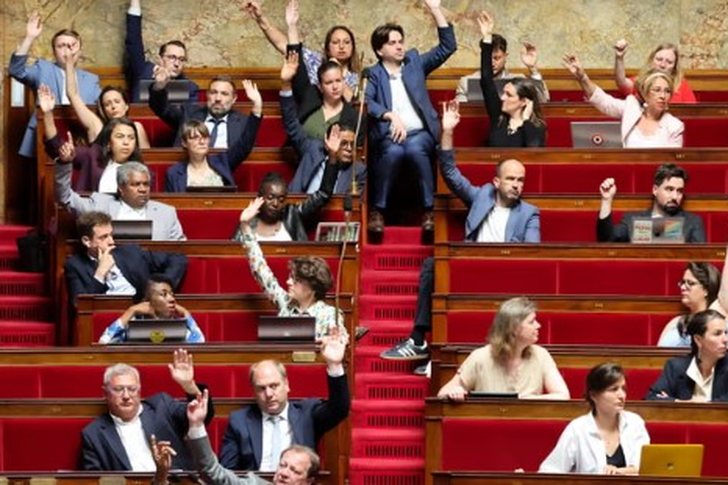
For nearly 180 years after France abolished slavery, the “...
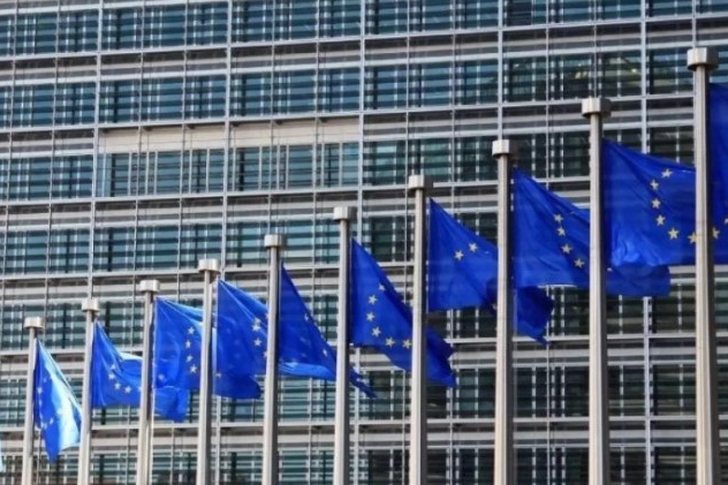
The European Union has imposed a €200 million ($232 millio...
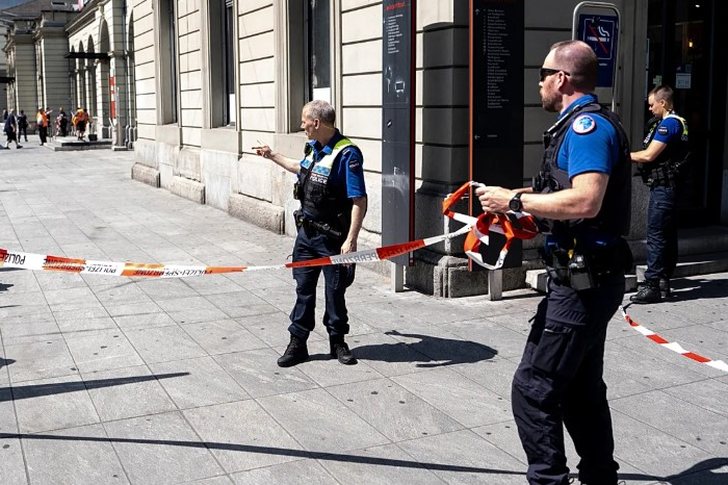
A knife attack occurred today at a train station in Switze...
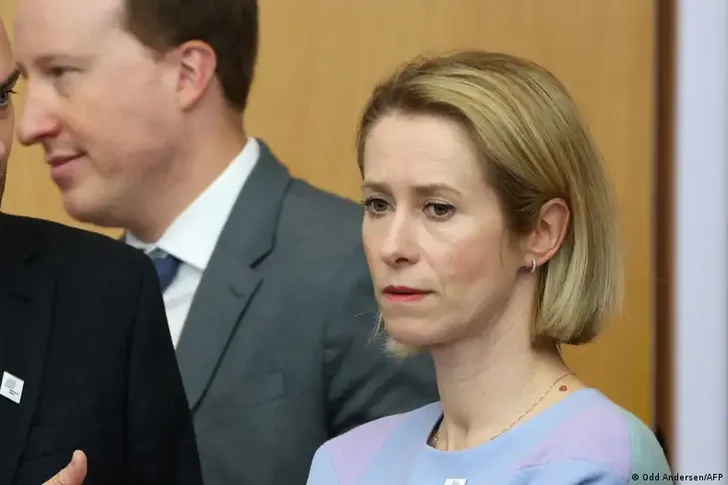
EU foreign ministers are meeting in Cyprus to discuss the ...
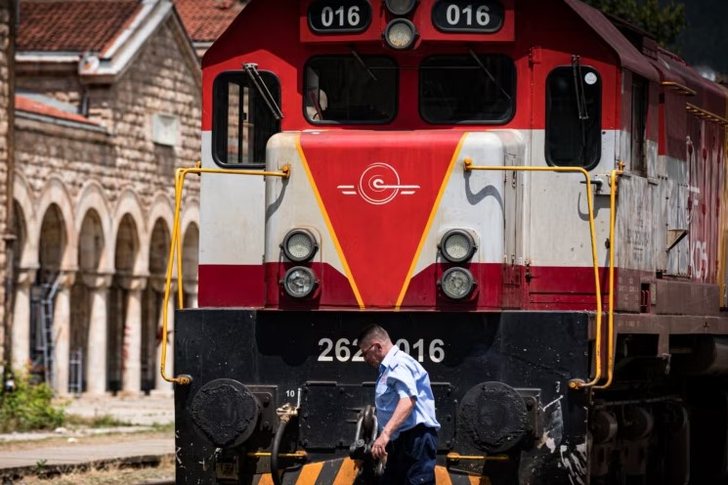
Kosovo authorities on Thursday morning took control of rai...
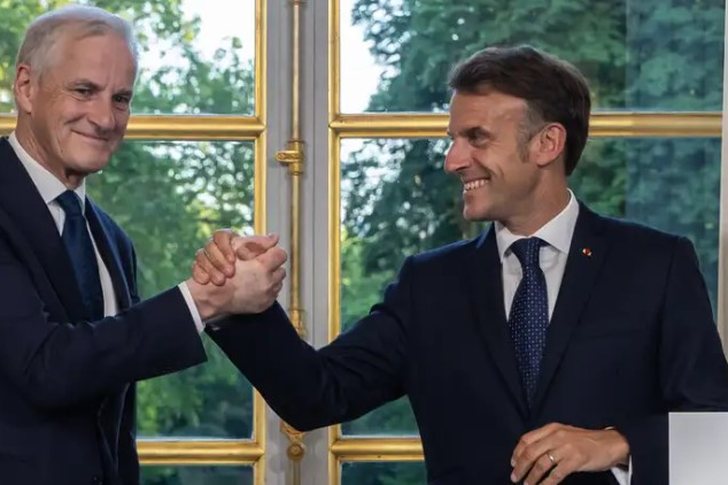
Norway is reviewing its security strategy. In the future, ...
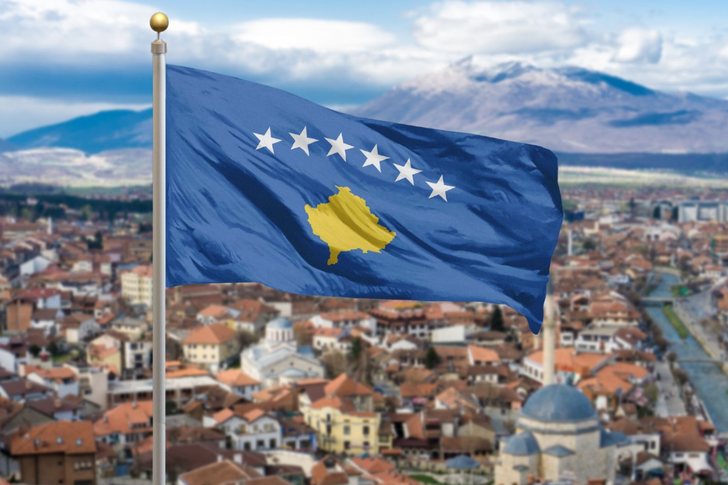
The electoral campaign for the June 7 elections in Kosovo ...
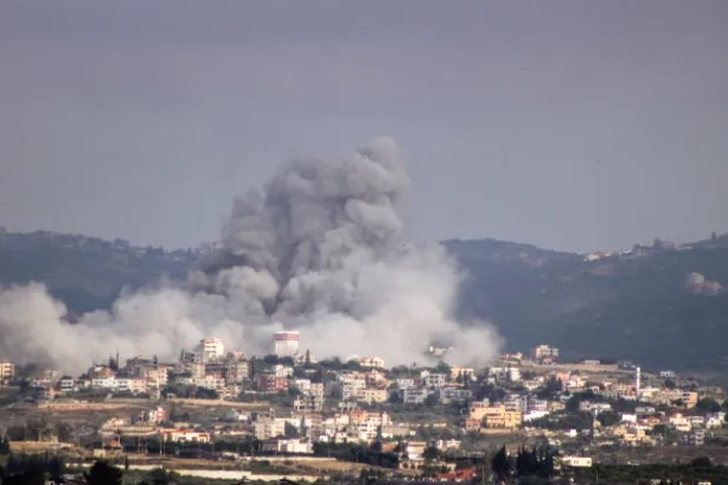
The Israeli military has announced that it has launched at...
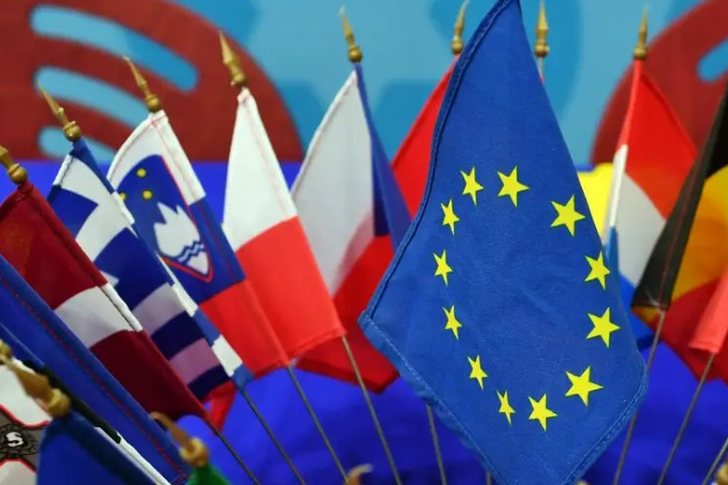
"Enlargement is the priority for the European Union and if...
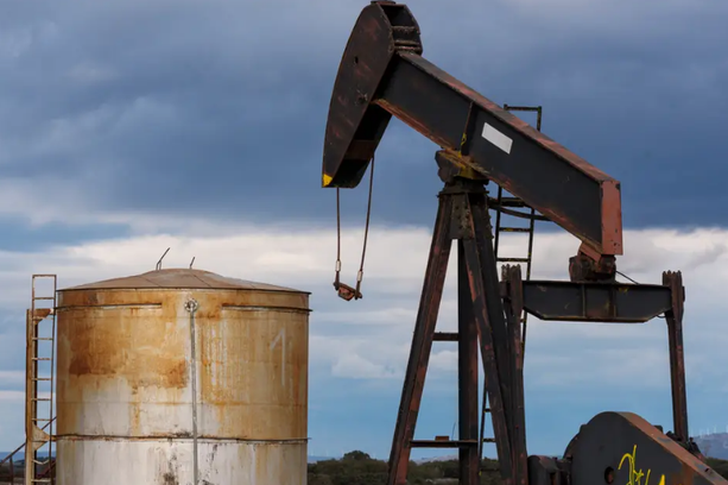
Oil prices have risen sharply after the US carried out new...
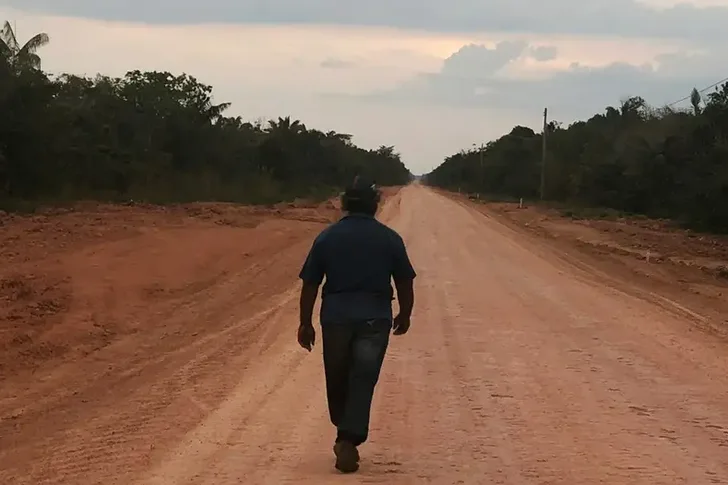
The Brazilian government announced on Wednesday that it wi...

For 88 days, millions of Iranians lived in digital darknes...

A former senior US government official has been arrested b...
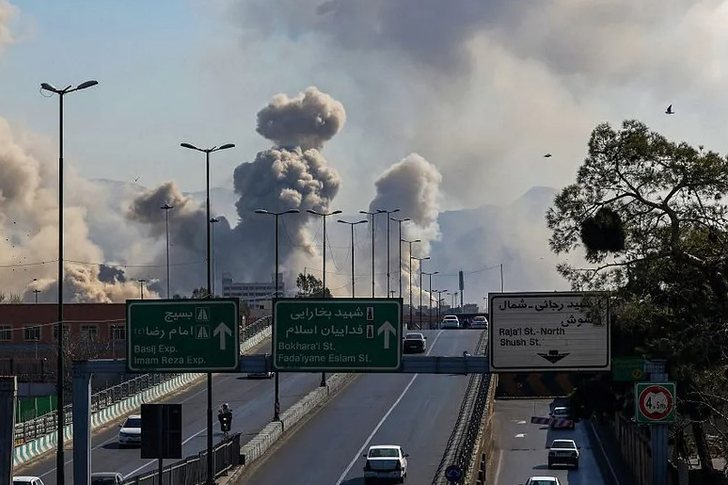
Ushtria amerikane ka rrëzuar katër dronë iranianë dhe godi...
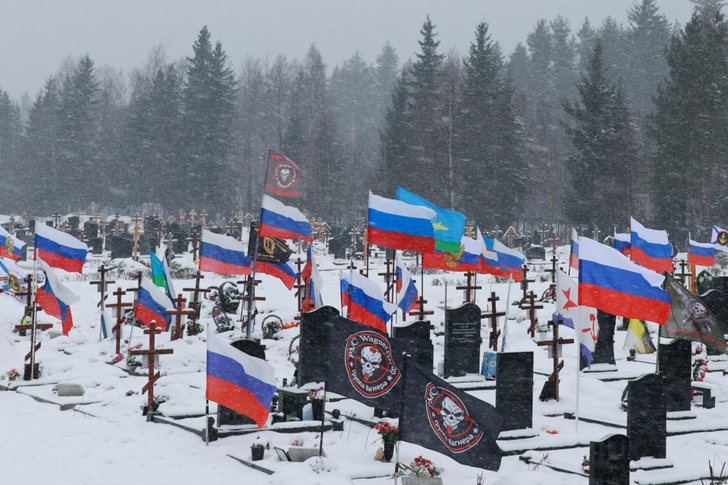
Around 500,000 Russian soldiers are believed to have been ...
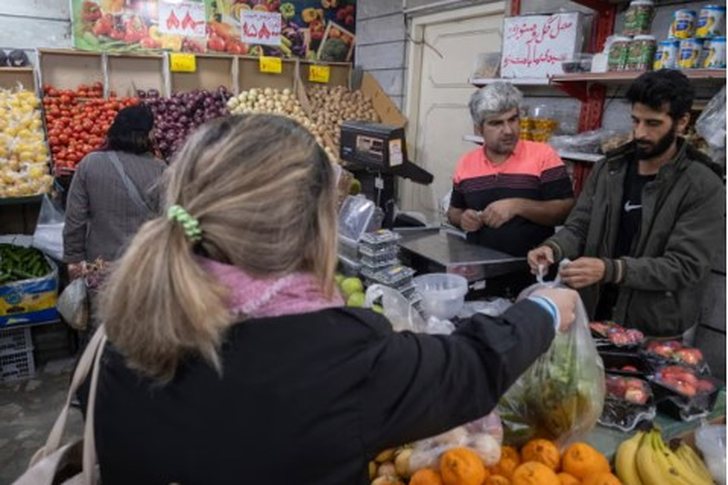
The partial lifting of internet restrictions in Iran has r...
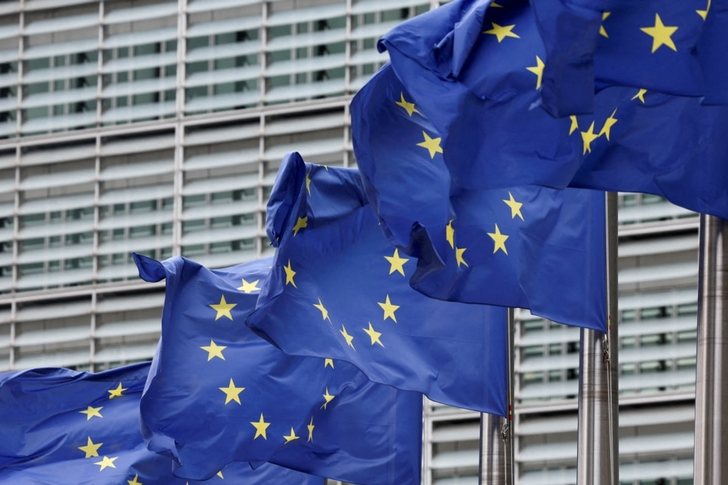
The European Union said it is closely following the detent...
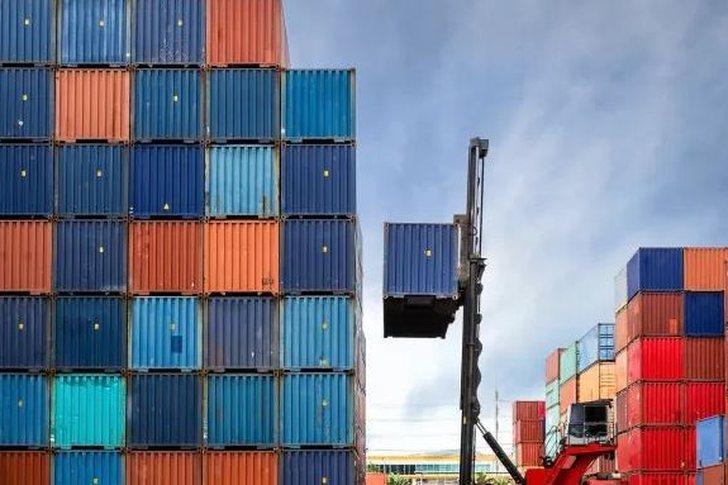
Official talks have begun to revise the US-Mexico-Canada f...
A 39-year-old citizen has been arrested in Lezha, after se...

CNA has launched another investigation that could lead to ...

Irfan Hysenbelliu is a businessman that we call "Irfan the...

In March 2026, CNA launched another investigation centered...

The Special Board of Appeal (KPA) decided this Monday ...

The KPA vetting decided this Thursday to dismiss the p...

Suela Salavaçi, a prosecutor in the Prosecutor's Offic...

The Special Board of Appeal reinstated the prosecutor ...

Following the successive operations carried out by the ope...

The Police Supervision Agency has seized the service weapo...

A serious incident occurred in Lushnje, where citizen IY, ...

As a result of the investigative and procedural actions ca...

As the year 2026 is in its second half, the world is exper...

Today, our country will be under the influence of stable a...

By noon, cloudiness is expected to prevail in almost all o...

Children without parental care, for whom alternative famil...
Serbia's Minister of State Administration and Local Self-G...
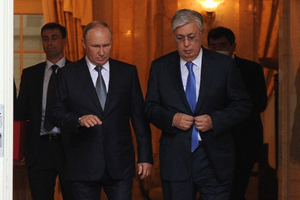
Kazakh President Kassym-Jomart Tokayev shared some critici...
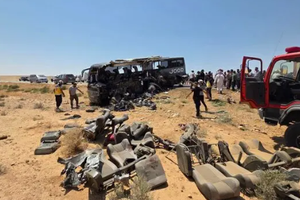
Thirty-five people were killed and 30 others were injured ...
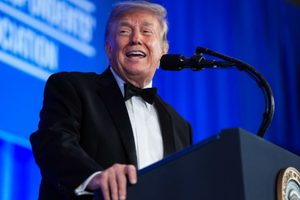
US President Donald Trump has announced that he will seek ...
Two windows, a century of history and the metaphysics of p...

In my research at the Central State Archives, specifically...

At a time when industrial products are increasingly taking...

Trust among people is not just a three-syllable word. It c...

This Saturday, one US dollar is bought for 81.7 lek and so...

War, weather and supply disruptions could send gas prices ...
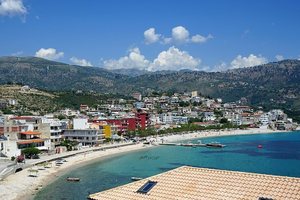
The number of active enterprises in Albania continued to g...
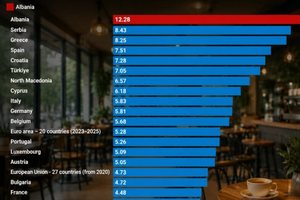
In Albania, the bar-cafe has long become an almost unique ...