

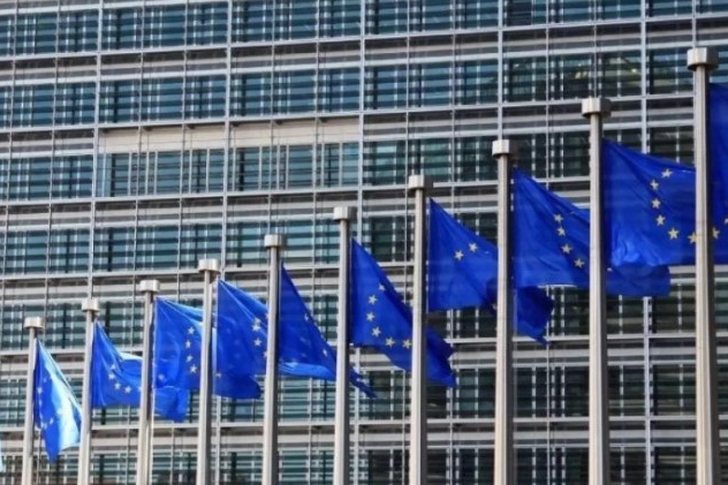
EU fines app €200 million for allowing sale of illegal products
The European Union has imposed a €200 million ($232 millio...


For nearly 180 years after France abolished slavery, the “Code Noir” (Black Code) that allowed enslaved people to be treated as property and to be worked, beaten, sold, raped, or killed, remained in force.
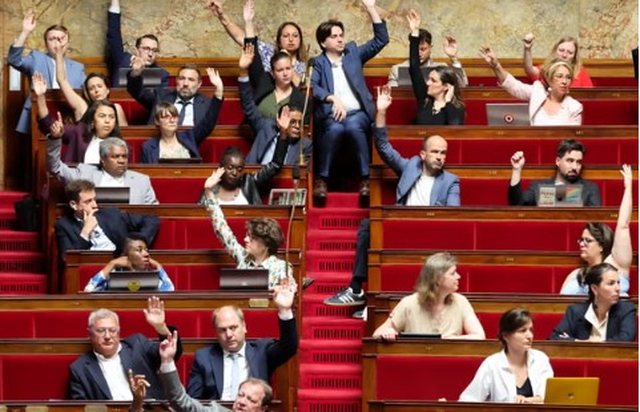
On Thursday, the country's divided national assembly voted unanimously to repeal it, in a rare show of political unity.
The vote, passed by 254 votes to 0, ends a 17th-century law, signed by King Louis XIV in 1685, which codified the treatment of slaves in France's colonies.
It is an important step in recognizing Paris' role in slavery and will pave the way for possible reparations, an idea proposed by President Emmanuel Macron last week.
The French leader said the code "should never have survived the abolition of slavery" in 1848.
"The silence, even indifference, that we have maintained for almost two centuries towards this Black Code is no longer an oversight. It has become a form of insult," he added.
Macron added that the issue of reparations was an issue that "we should not reject," but the country "should not make false promises."
Emotions were high in the lower house of parliament during the debate on the vote, with many people surprised that the law still existed.
Macron says France must address the issue of reparations for its role in the slave trade
Read more
Steevy Gustave, a lawmaker from the French Caribbean island of Martinique, whose ancestors were enslaved, broke down in tears as he told the national assembly: “No single vote can repair centuries of lives destroyed.”
"We are not descendants of slaves, we are descendants of human beings born free, then reduced to the worst - reduced to slavery."
The 60 articles within the code covered every aspect of a slave's life. Article 44 declared a person "movable property," while other clauses stipulated that those who ran away would be mutilated and that a slave's word had no value.
Max Mathiasin, a French MP from Guadeloupe in the southern Caribbean who introduced the motion to repeal the law, said he had bought copies of the original text but had never gotten around to reading them.
"As a great-grandson of people who were enslaved, I had never been able to read it in full. This was done by human beings, against human beings," he told MPs.
He said voting was “a way to restore our ancestors, to restore our humanity.” It meant fulfilling the French republic’s promise of liberty, equality and fraternity, he added.
France was the third largest slave-trading nation, after Britain and Portugal. It sent an estimated 1.4 million Africans to work on sugar plantations in its colonies. The wealth it produced built the cities of Nantes and Bordeaux.
The richest of those plantations were in Saint-Domingue, a French colony on the western third of the Caribbean island of Hispaniola, founded in 1687. In 1804, slaves in the colony revolted, securing independence for the territory that became Haiti. However, Paris forced the freed slaves to pay reparations to cover their owners' losses, a debt they were still paying as of 1947.
After the abolition of slavery, France retained a number of its colonies. The four oldest - Guadeloupe, Martinique, French Guiana on the northeastern coast of South America, and the island of Réunion in the Indian Ocean - became French overseas departments in 1946. Their population of 1.9 million, most of whom are descended from slaves, are French citizens and are governed from Paris.
Although considered part of France, they remain some of its poorest territories with unemployment almost double the rate in mainland France, with many families living below the national poverty line.
"In Guadeloupe, the most important positions in state structures are held by whites," Mathiasin said.
Pierre-Yves Bocquet, deputy director of the French Foundation for the Remembrance of Slavery, said the code was at the root of the country's "colonial exclusion," installing the idea that the founding motto of the French republic did not apply to certain people under its rule.
"Even today, we recognize that people in overseas territories may have fewer rights than in mainland France," he said.

The European Union has imposed a €200 million ($232 millio...
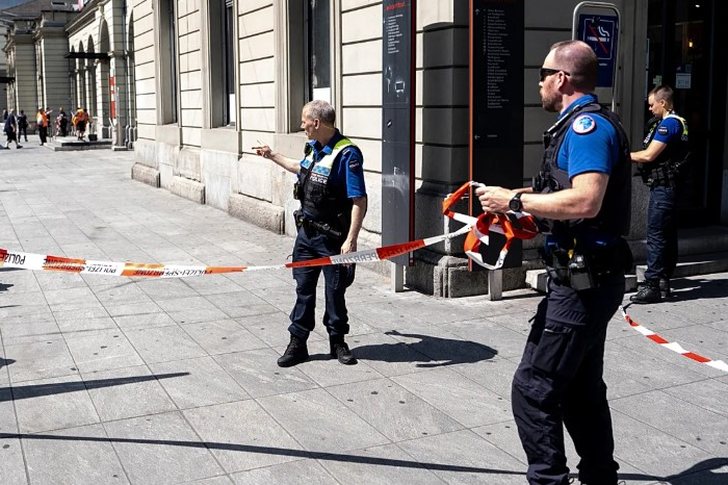
A knife attack occurred today at a train station in Switze...

EU foreign ministers are meeting in Cyprus to discuss the ...

Kosovo authorities on Thursday morning took control of rai...

Norway is reviewing its security strategy. In the future, ...
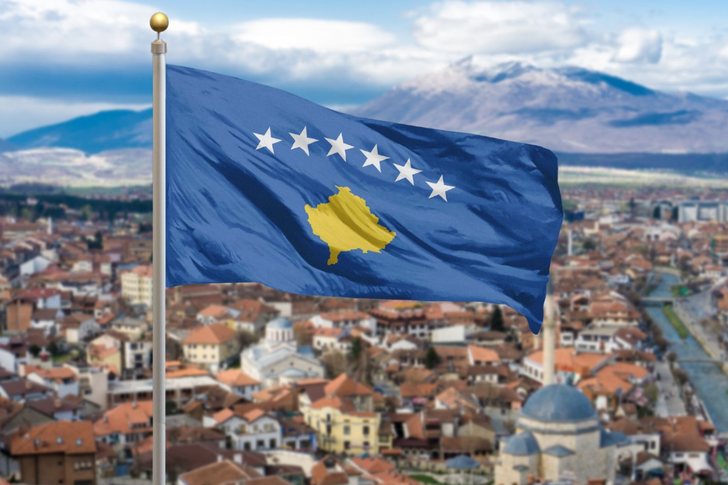
The electoral campaign for the June 7 elections in Kosovo ...
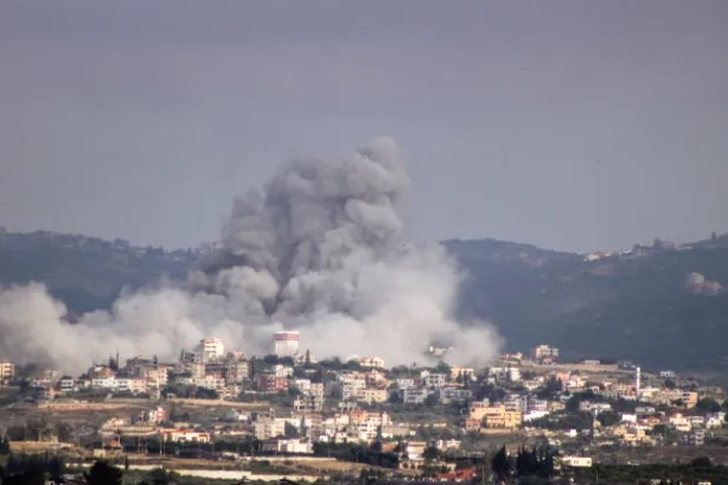
The Israeli military has announced that it has launched at...
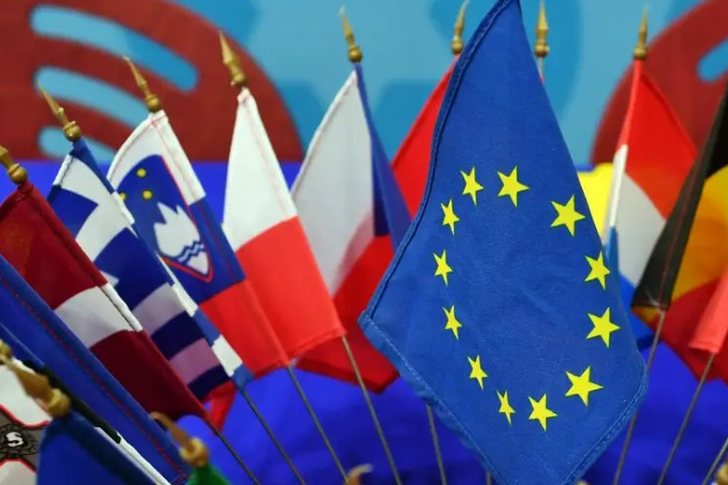
"Enlargement is the priority for the European Union and if...
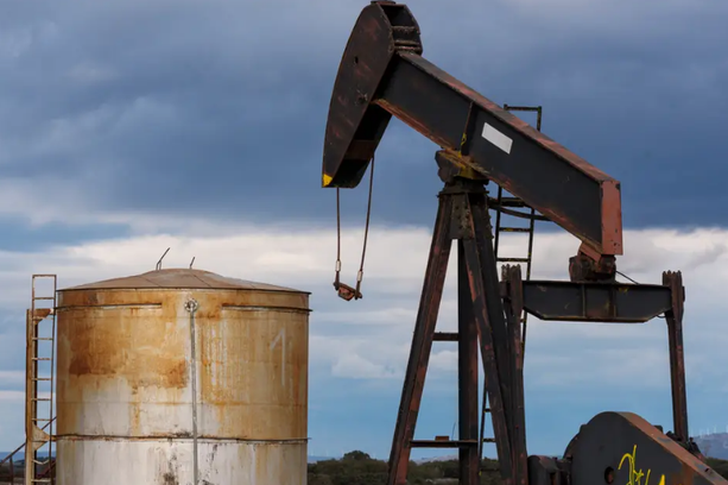
Oil prices have risen sharply after the US carried out new...
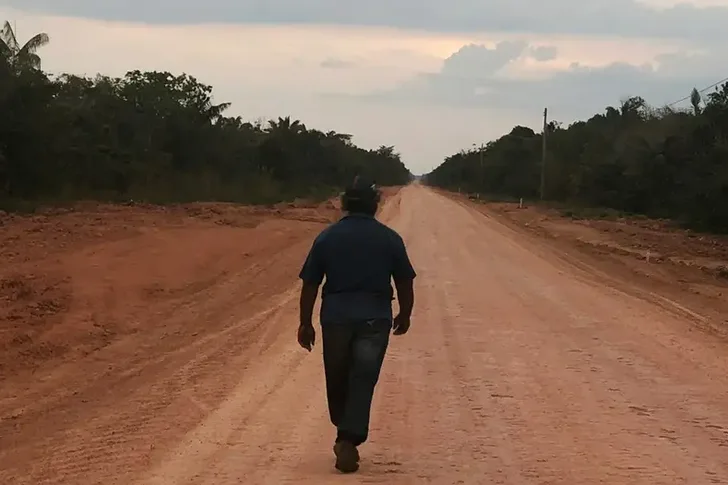
The Brazilian government announced on Wednesday that it wi...

For 88 days, millions of Iranians lived in digital darknes...

A former senior US government official has been arrested b...
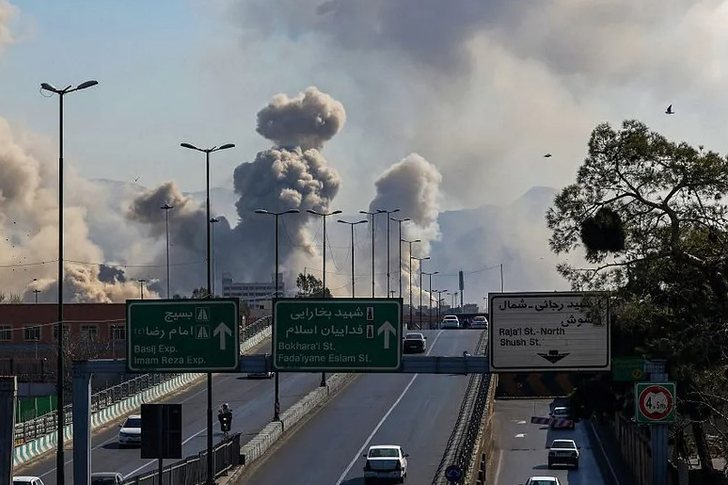
Ushtria amerikane ka rrëzuar katër dronë iranianë dhe godi...
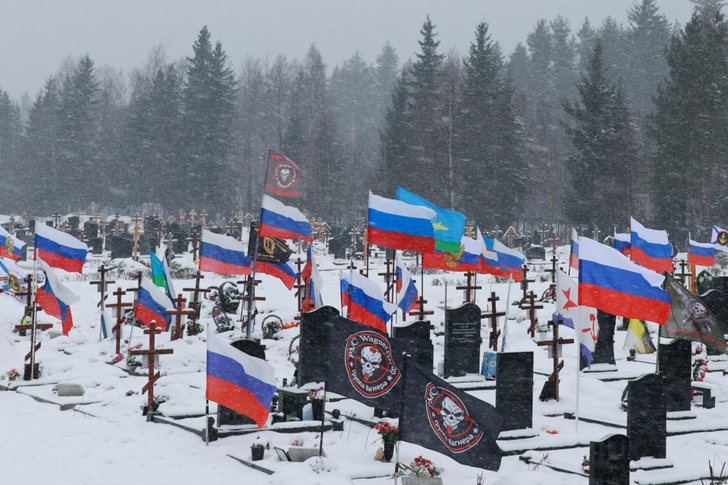
Around 500,000 Russian soldiers are believed to have been ...
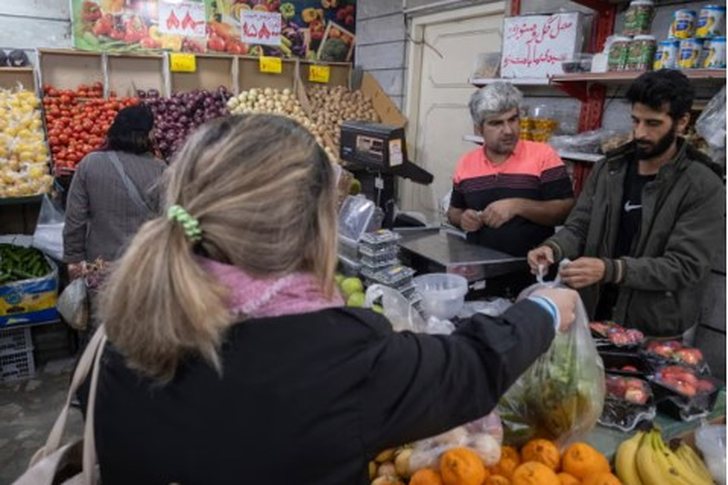
The partial lifting of internet restrictions in Iran has r...
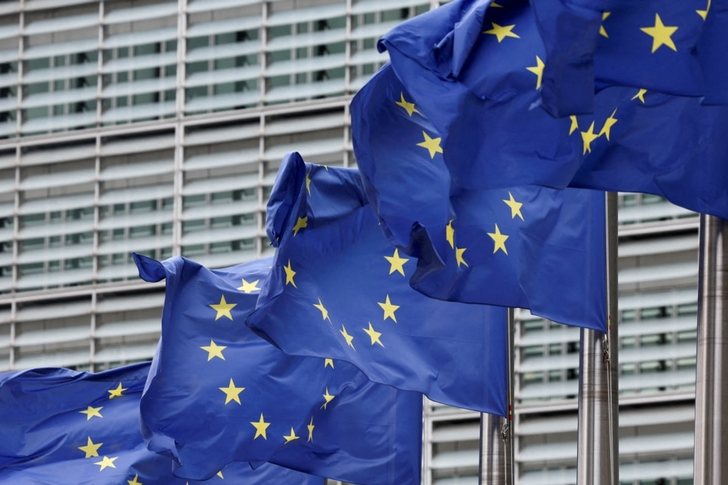
The European Union said it is closely following the detent...

Official talks have begun to revise the US-Mexico-Canada f...
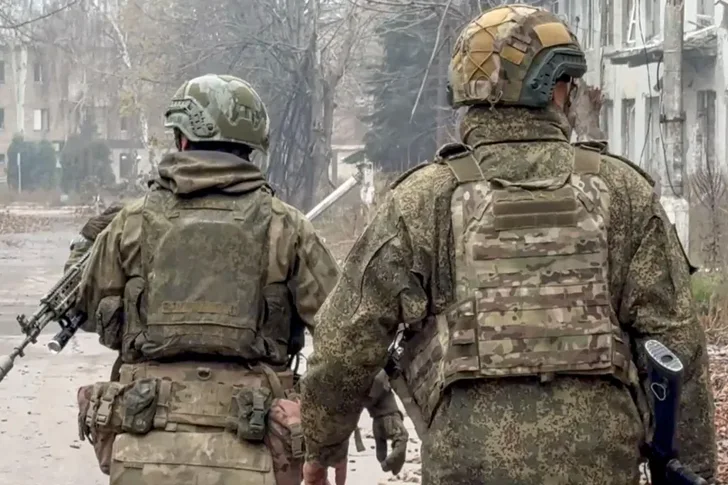
Almost 500,000 Russian soldiers have been killed since it ...
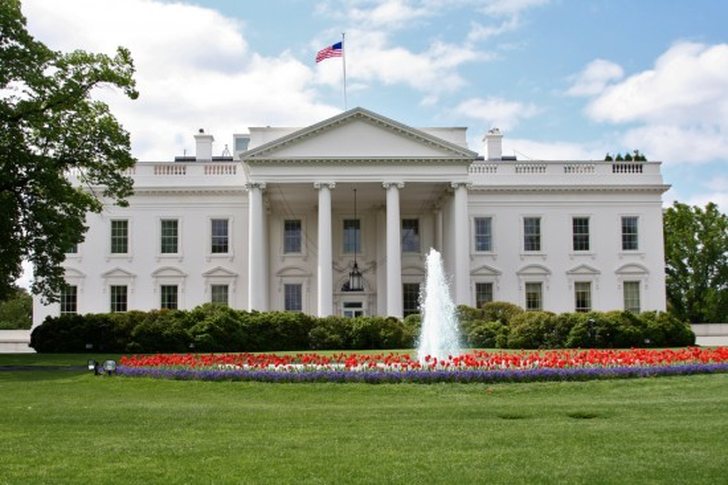
The White House is rejecting a draft memorandum published ...

Authorities in Russian-occupied Crimea said Ukraine had at...
A 39-year-old citizen has been arrested in Lezha, after se...

CNA has launched another investigation that could lead to ...

Irfan Hysenbelliu is a businessman that we call "Irfan the...

In March 2026, CNA launched another investigation centered...

The Special Board of Appeal (KPA) decided this Monday ...

The KPA vetting decided this Thursday to dismiss the p...

Suela Salavaçi, a prosecutor in the Prosecutor's Offic...

The Special Board of Appeal reinstated the prosecutor ...

Several gunshots were reported today in the village of Gjo...

Following the successive operations carried out by the ope...

The Police Supervision Agency has seized the service weapo...

A serious incident occurred in Lushnje, where citizen IY, ...

As the year 2026 is in its second half, the world is exper...

Today, our country will be under the influence of stable a...

By noon, cloudiness is expected to prevail in almost all o...

Children without parental care, for whom alternative famil...

Serbia's Minister of State Administration and Local Self-G...
Kazakh President Kassym-Jomart Tokayev shared some critici...

Thirty-five people were killed and 30 others were injured ...

US President Donald Trump has announced that he will seek ...
Two windows, a century of history and the metaphysics of p...

In my research at the Central State Archives, specifically...

At a time when industrial products are increasingly taking...

Trust among people is not just a three-syllable word. It c...

This Saturday, one US dollar is bought for 81.7 lek and so...

War, weather and supply disruptions could send gas prices ...
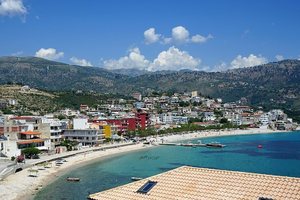
The number of active enterprises in Albania continued to g...
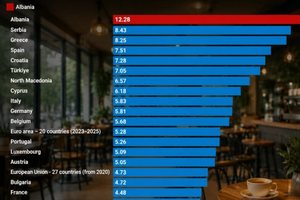
In Albania, the bar-cafe has long become an almost unique ...