


"Berisha called me 1 hour before the candidacy"/ Korreshi reveals the behind-the-scenes of the DP elections
Democratic Party MP, Saimir Korreshi, shared today some un...

Democratic Party MP, Saimir Korreshi, shared today some un...

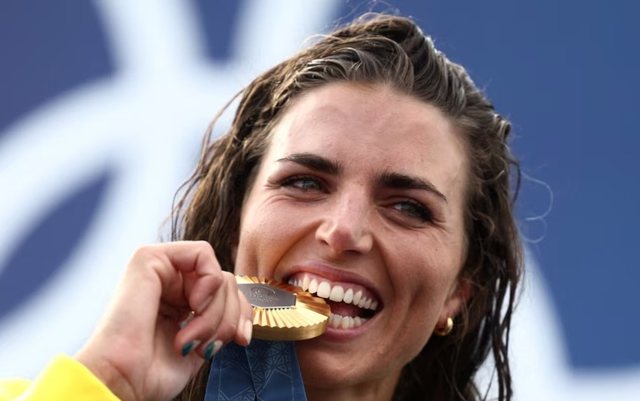
The iconic photos of Olympians biting into their Olympic medals have become a true tradition. When an Olympic winner stands on the podium and receives his medal, he almost automatically bites it for a photo. Photos of swimmer Michael Phelps, athlete Usain Bolt and gymnast Simone Biles pretending to bite their gold medals are some of the iconic photos from the Olympics.
Why has such a thing become a tradition? There is no single answer as to why Olympic athletes started this tradition, but here is what is known. How it all began is not known, although it is considered a long Olympic tradition.
During the 2012 London Summer Olympics, David Wallechinsky, president of the International Association of Olympic Historians, told CNN that it was likely an attempt to "please the media".
"It became the photographer's obsession," said Wallechinsky, co-author of "The Complete Book of the Olympics."
"I think they look at it as an iconic look, as something they can maybe sell. I don't think it's something athletes would do on their own."
So you can thank the Olympic photographers for the iconic medal photos that have been "bitten" over the years. Photographers believe that the pose of biting a medal is a pose that can make the front pages of newspapers and portals the next day and that is why they ask the athletes to do it.
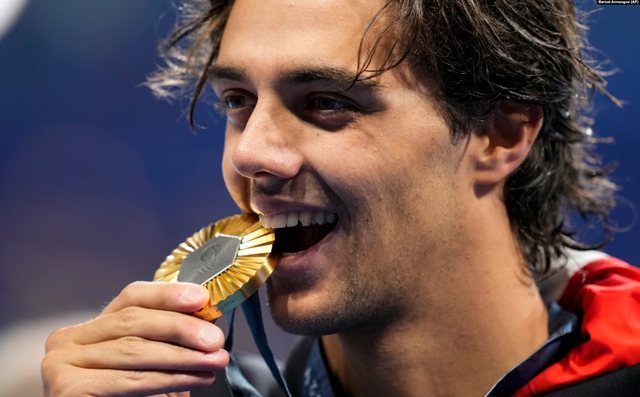
During the California gold rush of the 1800s, the practice of biting gold to see if it was real or fake began. Real gold is a soft material, so the gold piece will show bite marks that can be easily repaired. When gold is fake, the material is harder and the bite is painful.
Since 1912, the Olympic Games have not awarded medals made of pure gold, so there is no need to check whether the gold is real or not. Gold medals now contain at least six grams of gold, mostly silver and some copper. Solid gold medals were awarded at the Olympics from 1904 to 1912, which was just a few decades after the Gold Rush. If athletes were biting their medals at these games, it was most likely because they wanted to check whether their medals were real gold or not.
Olympians don't have to worry about that answer right now, writes Sporting News. It can also be said that it is a simple case of following tradition. Young athletes will grow up watching their heroes fight and win, celebrating their achievements with a "bite" of their hard-earned gold (actually mostly silver). Inspired by watching their idols or ancestors, it's a special feeling to do the same when it's time to get a medal. It is a cycle of sports tradition that passes from one generation to another.
When it comes to the Olympics, there is no more legendary photo than the champion posing with that special medal between his teeth, writes Give Me Sport.
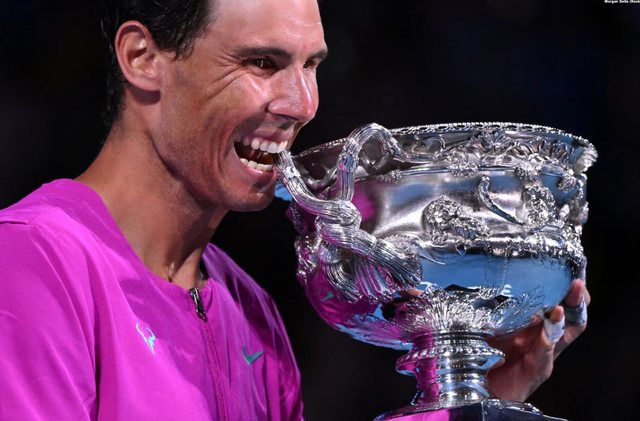
However, the phenomenon is not exclusive to the Olympics. Tennis superstar Rafael Nadal has become famous for looking like he wants to take some of the trophies he wins, particularly the Coupe des Mousquetaires - the men's French Open trophy.
Biting medals is not a completely safe practice. 2010 Vancouver Olympics silver medalist David Moeller of Germany broke his front tooth during a party. "The photographers wanted a picture of me holding the medal with just my teeth," Moeller told German newspaper Bild. "Later at dinner I noticed that part of my tooth was missing"./ REL

The United States is increasing its military presence in t...
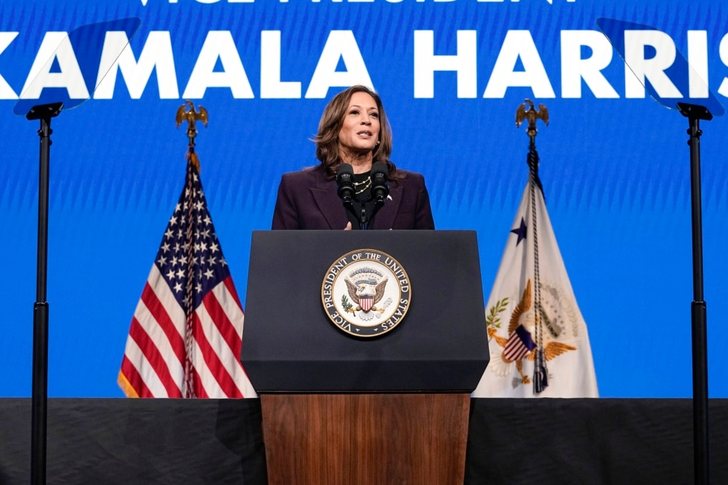
While Democratic presidential candidate Kamala Harris ...
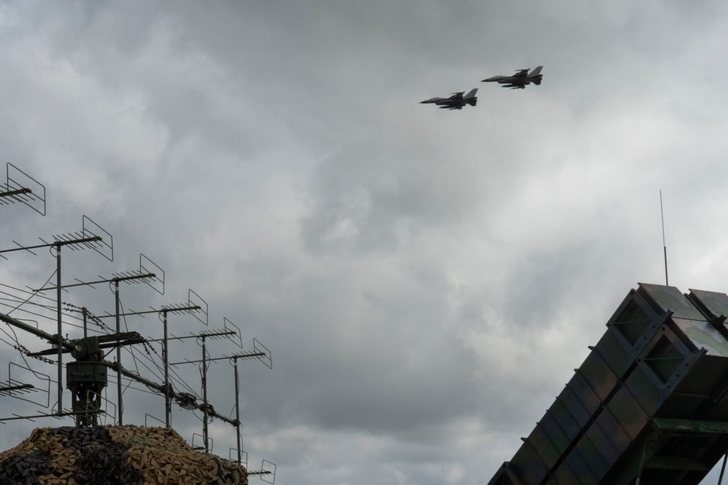
Ukrainian pilots have begun using F-16 jets for operations...

"We will not open a lithium mine until the Germans guarant...

Due to massive threats of attack from its sworn enemies, I...

A Palestinian attacker killed two people and wounded two o...

France called on its citizens in Lebanon on Sunday to ...
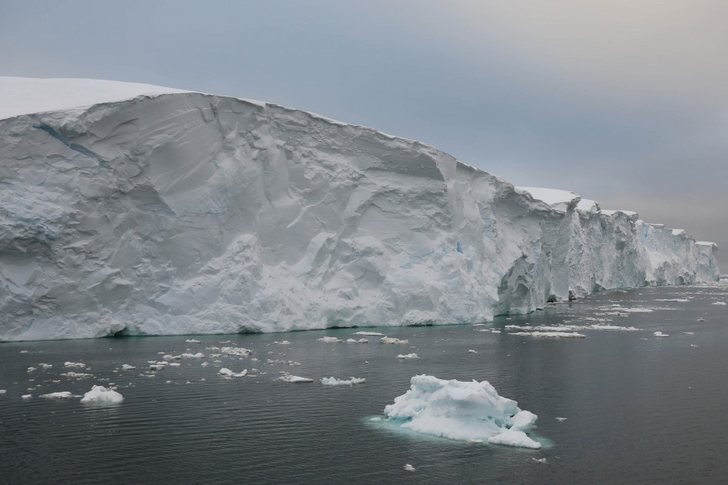
Land temperatures across large parts of the Antarctic ice ...

Riots continue in Great Britain. More than 90 people wer...

Ukrainian forces hit a Russian submarine in the Black Sea ...
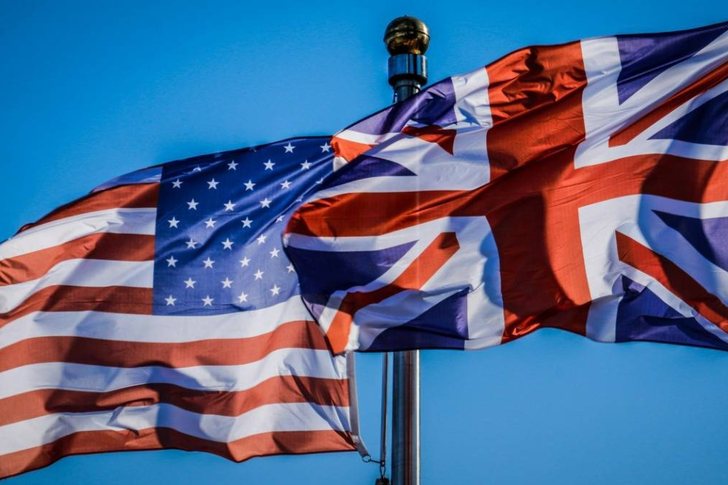
The risk of a regional war breaking out in the Middle East...

Republican presidential candidate Donald Trump propose...
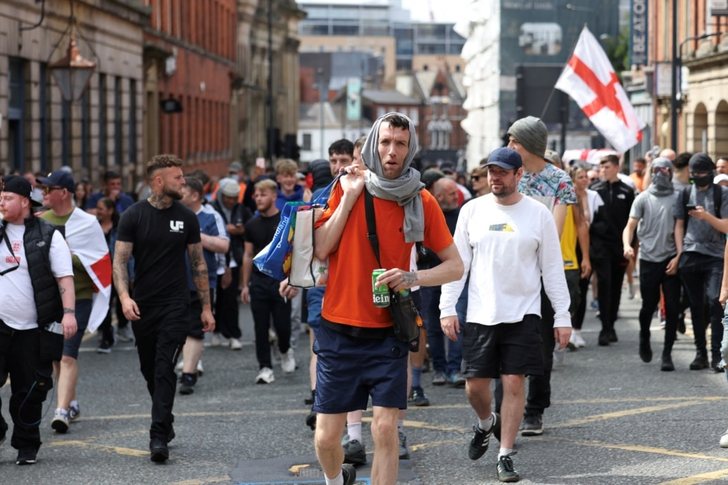
Violence resurfaced on the streets of British cities on Sa...

Çdo të mërkurë, një klub vrapimi në qytetin e Nju Jork...
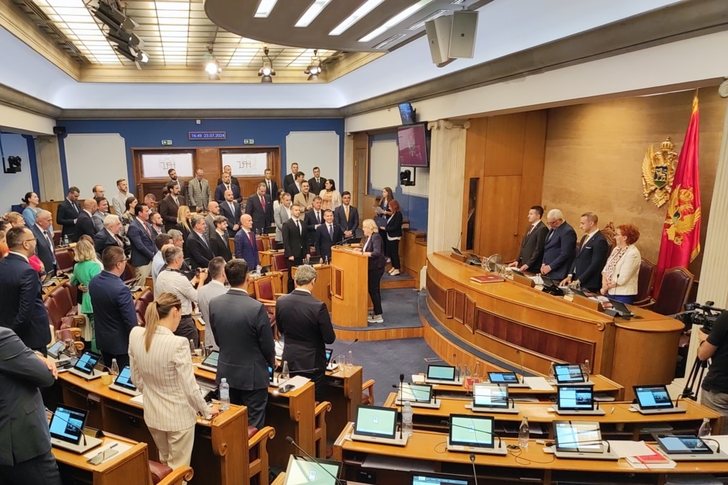
Analysts and experts in the political situation in Montene...
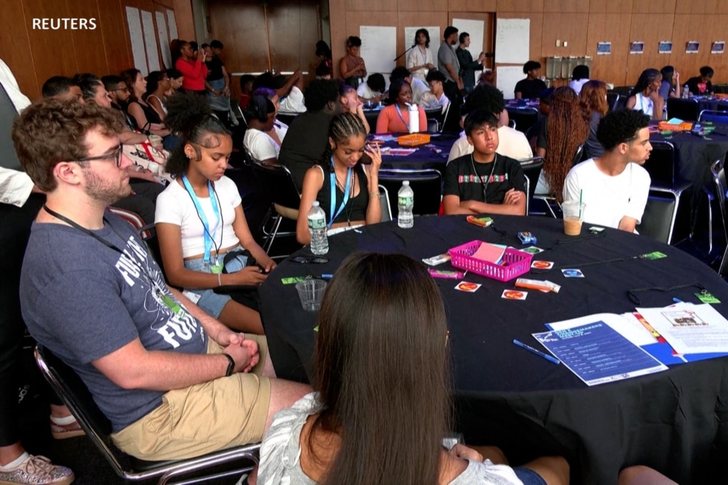
The Republican vice presidential candidate is the first pe...
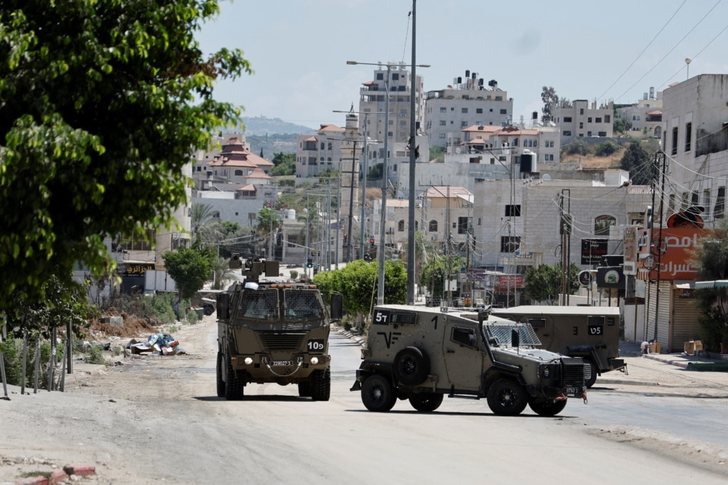
Two Israeli airstrikes in the northern West Bank killed ni...
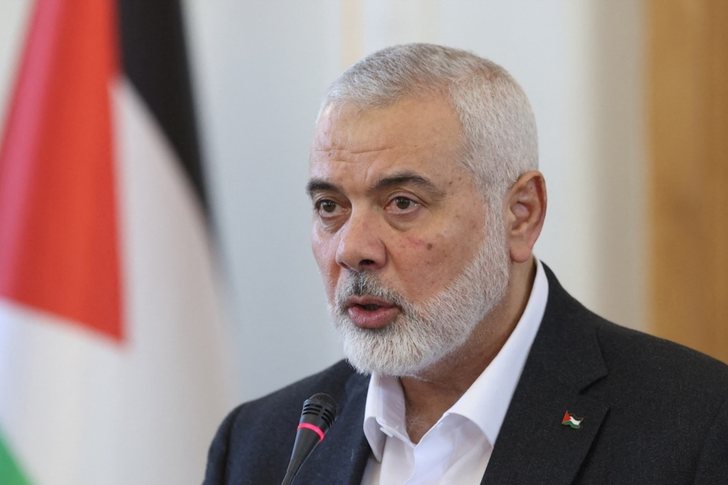
Iran's Revolutionary Guards said on Saturday that Isma...
The Republican vice presidential candidate is the first pe...

At least three Russian regions were attacked by dozens of ...

CNA has launched another investigation that could lead to ...

Irfan Hysenbelliu is a businessman that we call "Irfan the...
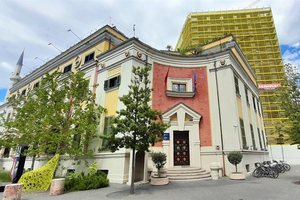
In March 2026, CNA launched another investigation centered...
The arrested mayor of Tirana, Erion Veliaj, with 13 charge...

The Special Board of Appeal (KPA) decided this Monday ...

The KPA vetting decided this Thursday to dismiss the p...

Suela Salavaçi, a prosecutor in the Prosecutor's Offic...

The Special Board of Appeal reinstated the prosecutor ...

This Wednesday, around 4:00 PM, a serious accident occurre...

Tirana Police have shared details regarding the accident t...

New details have emerged regarding the accident that occur...

New details have emerged from the serious accident that oc...

A serious accident that occurred this Wednesday with the c...

The Institute of Geosciences has shared a forecast for wea...

Rising energy and fertilizer prices are expected to contin...

Over 18,000 foreign citizens from 140 countries have appli...

US President Donald Trump has issued another warning to Ir...

Prime Minister Andy Burnham has announced that most bus fa...
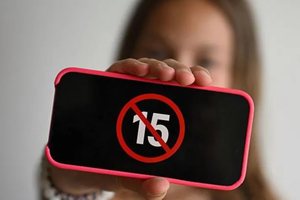
France's parliament has passed a law to ban social media f...

US Secretary of State Marco Rubio arrived in Manila on Jul...
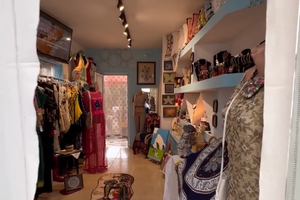
At a time when industrial products are increasingly taking...

Trust among people is not just a three-syllable word. It c...

Master of humor Todi Llupi has passed away at the age of 7...

The ninth edition of "MIK Festival" kicked off with one of...

Businesses will no longer be required to simply register t...

Despite economic growth and income in recent years, Albani...

This Wednesday, one US dollar is bought for 81.4 lek and s...

Construction company licenses will have a validity period ...