


The five main challenges of the world economy in 2025
The world economy is facing challenges that are expected t...


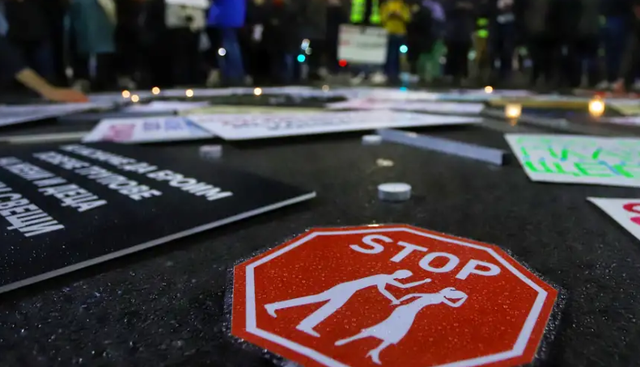
Bulgaria has a long way to go in the fight to eradicate gender-based and domestic violence. But what hinders progress? DW spoke to some Bulgarian women who are fighting for change.
There is a stigma in Bulgarian society associated with mentioning cohabitation with an abusive partner. This is just one of the reasons why this Eastern European country still has a big problem with gender-based and family violence.
According to the Feminist Mobilization organization, 18 women have been killed in Bulgaria so far this year. Feminist Mobilization is just one of a number of organizations working to combat gender-based violence in Bulgaria. Among other things, information campaigns and demonstrations against violence against women are organized several times a year with the slogan "No more women".
This slogan was inspired by the Latin American feminist movement "Ni Una menos", which started in Argentina. The movement's name is related to the phrase "Ni una muerta más" (Spanish: "No more dead women") coined by Mexican poet and activist Susana Chavez in 1995 to protest the killings of women in Ciudad Juarez.
When Chavez himself was assassinated in 2011, the phrase became a symbol of resistance against violence against women. The slogan is also widely used in Bulgaria now and is inextricably linked to the fight against gender-based violence in the country.
In the summer of 2023, for example, thousands of people took to the streets of cities across Bulgaria to show their support for an 18-year-old girl who had been brutally attacked by her ex-partner. Protesters across the country that day chanted "No more women!"
Fight for a world without violence
"There are so many women who go through the hell of violence, are in danger, can't defend themselves, and can't speak yet. We want their voice to be heard," says Shirin Hodzheva, one of the women behind the feminist movement.
Another is Dessislava Dimitrova. Like many other women in Bulgaria, Dimitrova has experienced domestic violence. "I couldn't stay silent knowing what I went through and what thousands of other women are going through every day. So, I decided to be an active participant in the fight for change. To show as many women as possible that they are not only: We are here and we are fighting for a world without violence", she told DW. The importance of changing the archaic worldview
Nora Hristova is part of the Improve Foundation, an organization that works with women who have been in traumatic or violent relationships. She joined the Women Survivors foundation group, where women who have managed to leave violent relationships help and support other women in similar situations. She calls the group "the heart of the organization."
Hristova says it's important for women to have a support system, especially in Bulgarian society, where most people's views on domestic violence are deeply rooted in an archaic belief system about gender roles in society. A recent survey showed that 48% of Bulgarians believe that "problems within the family should be dealt with privately" and that 69% of them believe that there are forms of violence within the family unit that have become normalized in Bulgarian society.
According to Nora Hristova, it is very important for this mindset to change. "The more sensitivity increases at the societal level, the lower the tolerance for violence will be," she told DW.
Not much is done to protect women
A large part of the problem for women in Bulgaria is the inadequate response of state authorities in cases of gender-based violence.
In November, the Plovdiv District Court ruled that the attacker of 18-year-old Debora, whose case sparked mass protests in 2023, could be released from prison by paying 6,000 leva (about 3,000 euros or $3,200) in bail. This is why many women in Bulgaria fear that their attackers will not be prosecuted, let alone convicted.
Another brutal case that shocked Bulgarian society in recent years was the case of 33-year-old Evgeniya, who was killed by her husband and whose body was dumped in a suitcase. Her father-in-law helped his son with the murder and then lied to the authorities and the media about it. Although both men were sentenced to life imprisonment, the sentence has not yet been finalized - three years after Evgeniya's murder. Meanwhile, the murderer's father has been released from prison and is under house arrest.
Not only women are affected
Last year, the Bulgarian parliament approved an amendment to the Law on Protection from Domestic Violence, making domestic violence punishable in cases where the perpetrator and victim are "in an intimate relationship", which was not the case before.
Welcome step, but there are some problems with the legal definition. For example, a relationship is considered "intimate" only if it exists for more than 60 days. Another problem is that the relationship must be between a man and a woman. In other words, members of the LGBTQ+ community are not protected by the amendment at all.
Indeed, Bulgaria's continued hostile and discriminatory attitude towards the LGBTQ+ community is part of why the government has refused to sign the Istanbul Convention, the Council of Europe's treaty against violence against women.
Prevention as the way forward
In light of these problems, prevention is one of the most important issues addressed by organizations such as Feminist Mobilization and Improvement.
Nora Hristova talks about one of the recent campaigns, which aims to raise awareness of the first signs of a toxic relationship: "When a woman is in such a relationship, she very often does not recognize the first signs of violence. If she notices a red flag, it can literally save a life," she says.
Shirin Hodzheva believes that the key to true prevention is a change in education: "For every day that we don't have conversations, we don't listen to each other, we don't educate each other, we don't recognize classes (delivered with age-appropriate tools) with education sexual and recognition of stereotypes, discrimination and violence, we postpone the beginning of solving the problem", she emphasizes.
According to Hristova, an important part of this is to consider how the problem of gender-based violence is treated in society and the terminology that is used. This is why Emprove does not speak of "victims of domestic violence", but of "women survivors"./ DW

The world economy is facing challenges that are expected t...

At least 127 people have died after a plane crashed while ...
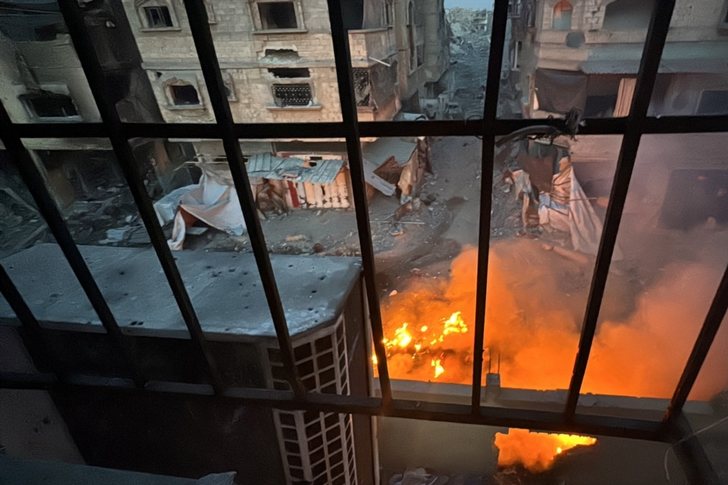
The Israeli military has arrested a director of one of the...
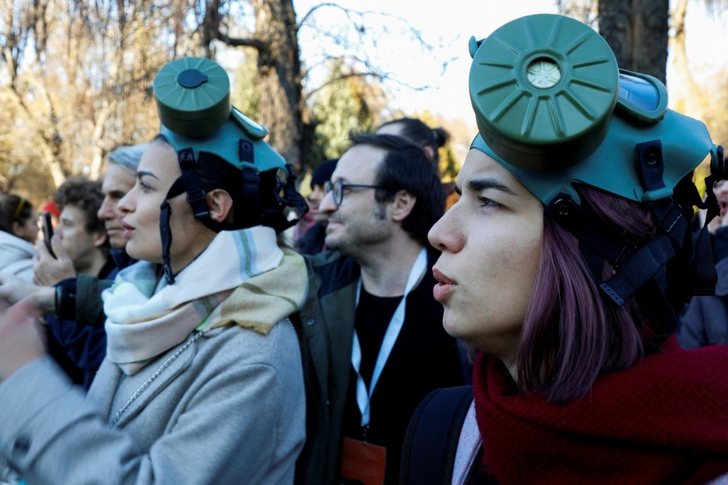
ALARM!! - We want clean air', 'The future cannot be seen f...
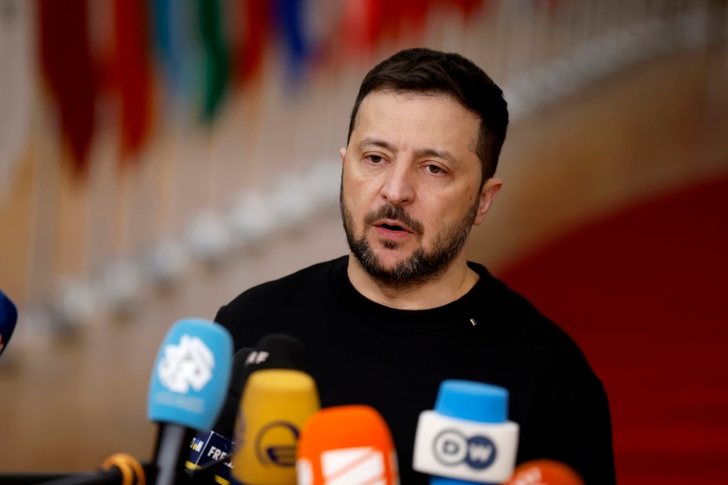
Ukrainian President Volodymyr Zelenskiy on Saturday accuse...
According to a report by German non-profit investigative...

Russian President Vladimir Putin has apologized to Aze...
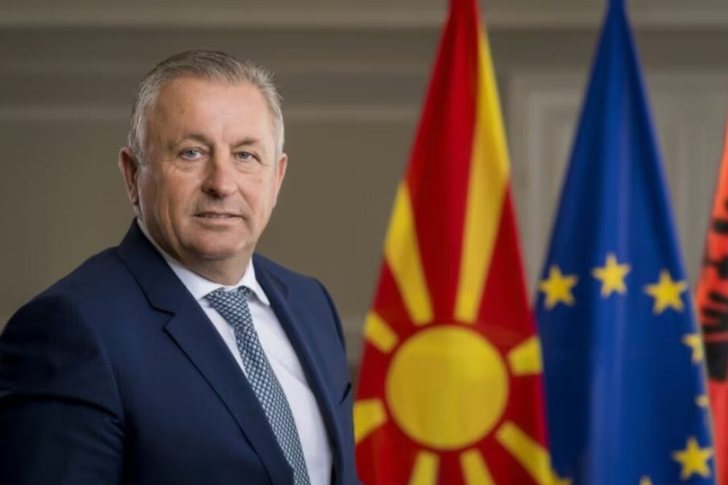
The Basic Court in Struga, at the request of the Publi...
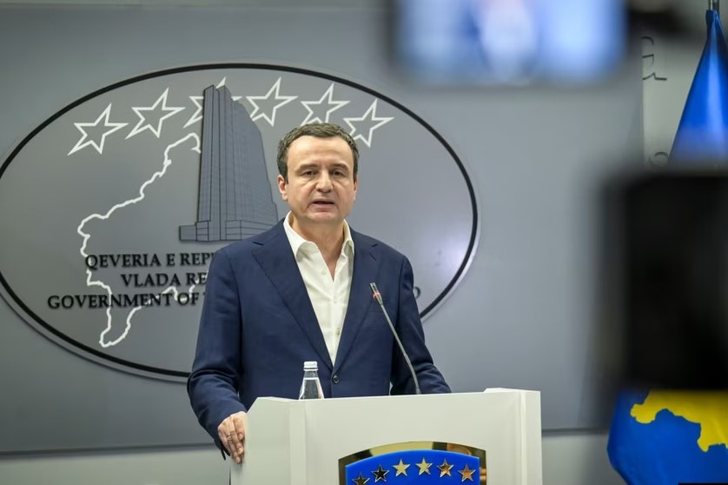
The Prime Minister of Kosovo, Albin Kurti, accused Ser...

Authoritarian leader Alyaksandr Lukashenka has extende...
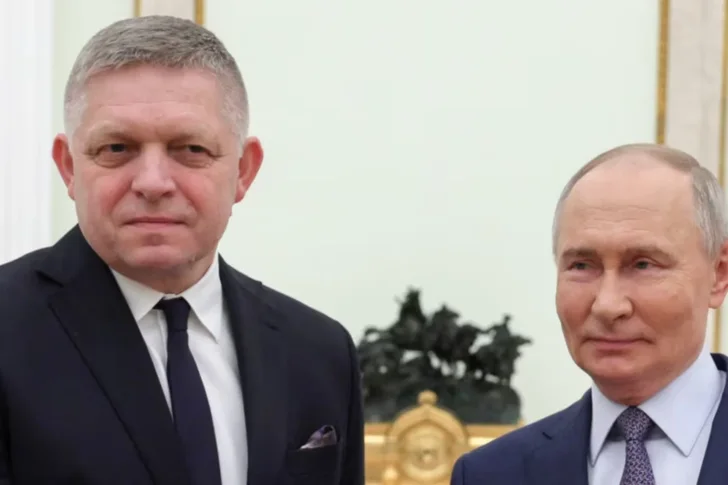
Slovakia is being offered as a host country for possib...

For years it has been talked about how doctors leave K...

US President-elect Donald Trump has asked the US Supre...
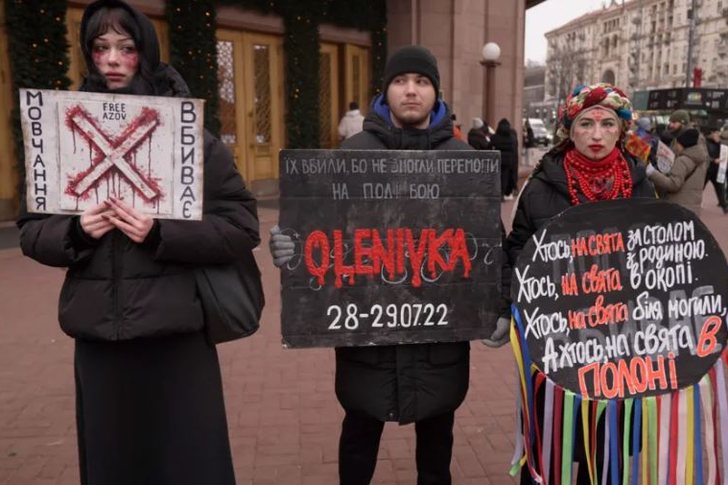
Ukrainians are hoping for a prisoner swap with Russia by t...
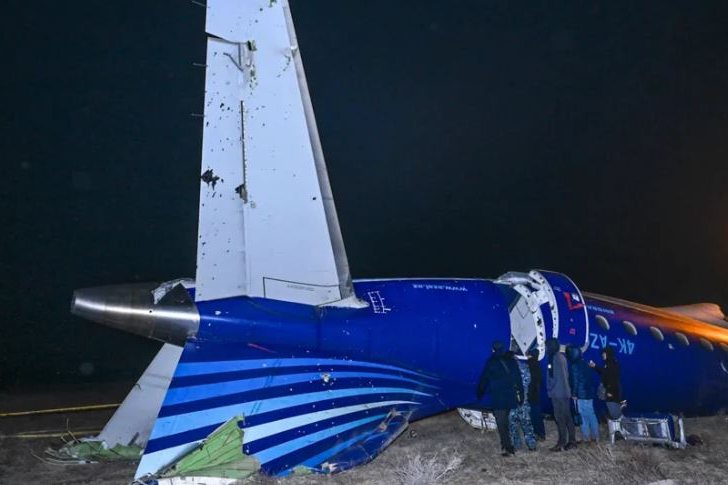
The spokesman of the White House, John Kirby, has stated t...
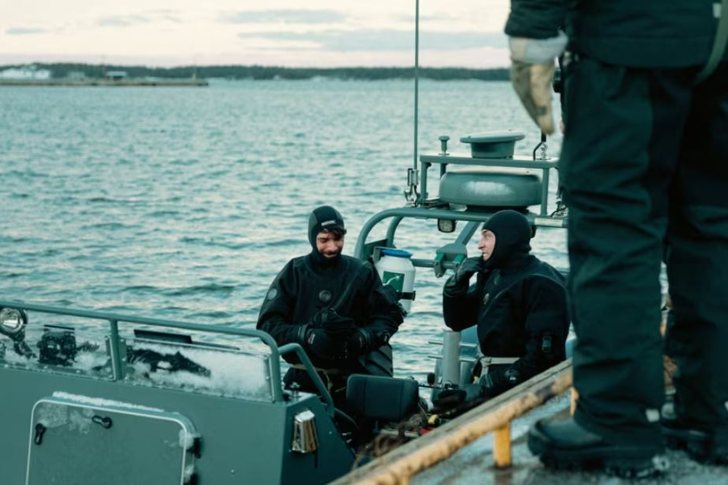
NATO said on Friday it would increase its presence in the ...
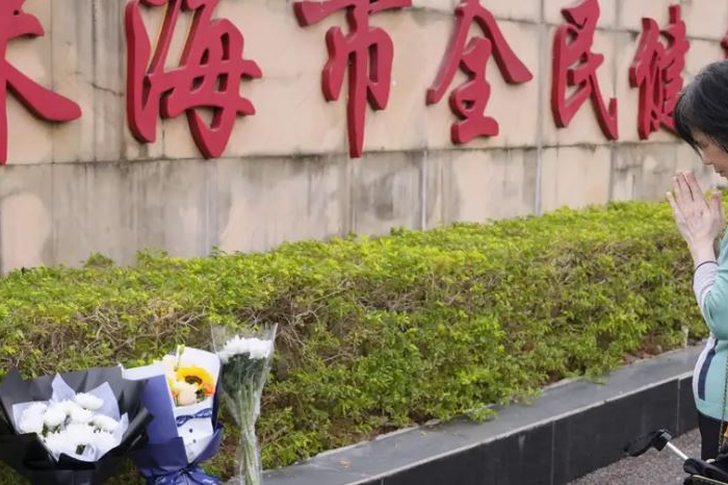
The driver who killed 35 people at a sports center in Zhuh...

The United States announced that it has imposed sanctions ...
Kosovo confirmed the first case of Monkey Pox. The ne...

An Azerbaijani lawmaker has said there is a "high possibil...

CNA has launched another investigation that could lead to ...

Irfan Hysenbelliu is a businessman that we call "Irfan the...

In March 2026, CNA launched another investigation centered...
The arrested mayor of Tirana, Erion Veliaj, with 13 charge...

The Special Board of Appeal (KPA) decided this Monday ...

The KPA vetting decided this Thursday to dismiss the p...

Suela Salavaçi, a prosecutor in the Prosecutor's Offic...

The Special Board of Appeal reinstated the prosecutor ...
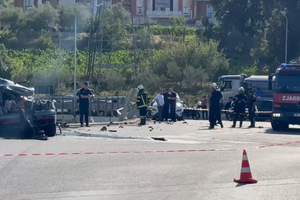
New details have emerged regarding the accident that occur...

New details have emerged from the serious accident that oc...

A serious accident occurred this Wednesday on the Elbasan-...

Citizen MH, 61, a fisherman, was found dead near the islan...

A serious accident that occurred this Wednesday with the c...

The Institute of Geosciences has shared a forecast for wea...
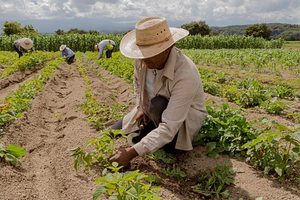
Rising energy and fertilizer prices are expected to contin...

Over 18,000 foreign citizens from 140 countries have appli...
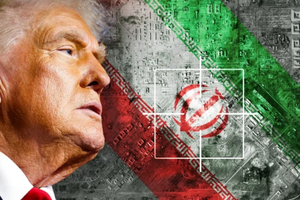
US President Donald Trump has issued another warning to Ir...

Prime Minister Andy Burnham has announced that most bus fa...

France's parliament has passed a law to ban social media f...

US Secretary of State Marco Rubio arrived in Manila on Jul...

At a time when industrial products are increasingly taking...

Trust among people is not just a three-syllable word. It c...

Master of humor Todi Llupi has passed away at the age of 7...

The ninth edition of "MIK Festival" kicked off with one of...

Businesses will no longer be required to simply register t...

Despite economic growth and income in recent years, Albani...

This Wednesday, one US dollar is bought for 81.4 lek and s...

Construction company licenses will have a validity period ...