


Veliaj's gross mistake/ Concrete mixers "invade" the streets of Tirana
The problem with the circulation of heavy vehicles on the ...

The problem with the circulation of heavy vehicles on the ...


The world economy is facing challenges that are expected to directly affect global well-being
1. Donald Trump 2.0 begins in January
How 2025 plays out for the world economy depends largely on one man: Donald Trump, the president-elect of the world's largest economy. This means that further developments - even beyond 2025 - are unpredictable and difficult to assess.
The consequences of the so-called "America First" concept will extend far beyond the US borders and Trump's moods will change the global order as we know it.
Prosperity, globalization and far-flung wars will mostly be located in the US capital of Washington. What is new is only the uncertainty and chaos that can accompany such decisions.
Trump has questioned international cooperation and harshly criticized allies and NATO. New trade alliances and a self-oriented America could have far-reaching consequences. The lack of a clear US leadership role will allow countries like China, India and Russia to fill the military, political and economic voids. 2. Tariffs, trade wars and higher prices
Companies prefer to plan in advance and therefore the threat that may come to them from increased customs duties is worrying. Trump sees his idea as an opportunity to punish other countries for US trade deficits. "The word tariff is the most beautiful word in the dictionary," he said in October.
During the 2024 election campaign, Trump threatened blanket tariffs of 10 to 20 percent on all goods imported into the U.S. and up to 60 percent on Chinese goods from his first day in office. Recently, he has said he is targeting a 25 percent tariff on all goods from Mexico and Canada. Only a 10 percent tariff would be imposed on Chinese goods. Mexico, meanwhile, has threatened tariffs on American products. China can do the same. The Prime Minister of Canada visited Trump in Florida to prevent such a thing.
For companies involved in global supply chains, an increase in customs duties would be bad news. They would hurt America's neighbors and likely destroy the free trade agreement between the US, Mexico and Canada (USMCA), which was concluded during Trump's first term.
Currently, about 80 percent of Mexican exports and over 75 percent of Canadian exports go to the US. More than half of US fruit and vegetable imports come from Mexico. The US imports lumber and millions of barrels of crude oil from Canada every day.
In the end, American consumers will face higher prices or empty store shelves. There are rumors that Trump would use the threat of tariffs primarily as a bargaining chip. But such a bluff could lead to retaliatory measures and quickly escalate into a global trade war. 3. Immigration under criticism around the world
It's not just goods that could face a wall of punitive tariffs. Even global migration is increasingly facing walls – in the full sense of the word. Leaders of states and governments around the world feel the need to show they have control over their borders by cracking down on immigrants. This will make the world less open and less dynamic.
During the US election campaign, Republicans promised to carry out "the largest deportation in American history". Trump has also adopted this idea.
In addition to deportations and a tougher stance on the border with Mexico, he promised in an interview in early December that he would end automatic citizenship for anyone born in the US.
The US president has broad powers when it comes to irregular migration. However, most of his proposals are expected to end up in court. It also has the power to make legal migration more difficult, by limiting the number of migrants or complicating the process of issuing visas or green cards.
Keeping immigrants away – or sending them back to their countries of origin – would affect the country's labor market. Crops can rot and entrepreneurs can move to other places.
A more closed border with Mexico will have impacts on people from Latin America, especially from countries like Cuba, Haiti and Venezuela.
The US is not alone in resisting migration. The European Union has promised to fight against irregular migration. Italy is trying to deal with the asylum requests of refugees in Albania and in the upcoming elections in Germany, immigration will be an important topic. 4. The war in Ukraine, the Middle East and beyond
As we move into 2025, the world is facing a series of armed conflicts. These wars have caused destruction and humanitarian catastrophes. In addition, they consume funds that could be used more productively.
Trump has declared that he will end Russia's war in Ukraine within 24 hours. He could cut off the American financial aid that has kept the country afloat since the invasion three years ago. Since the US is Ukraine's largest financier, this could force Ukraine to the negotiating table.
Israel's war against Hamas, which is being waged in the Gaza Strip and recently in Lebanon, also continues and may spread further. In Asia, the People's Republic of China continues to claim rights over democratic Taiwan, which fears an imminent invasion.
For decades, US leadership has shaped world politics. However, Trump has questioned America's role as the "policeman of the world". If America doesn't help its allies defend themselves, this decades-old policy could fizzle out. Such a new world order could encourage Iran or North Korea to test the limits of their military actions.
5. Will the world of Artificial Intelligence (AI) explode now?
The launch of ChatGPT by OpenAI in late November 2022 marked the beginning of a wider use of Artificial Intelligence (AI). Within a few weeks, this platform reached 100 million users.
However, AI has changed the lives of employees and businesses only gradually. Using this technology for drug development or supporting military defense remains a major challenge. Companies must determine how and when to use AI – and encourage their employees to embrace it.
To keep pace with developments, AI providers are investing massively in large data centers. Large amounts of energy are needed to cool and keep them running. Microsoft is backing plans to restart a nuclear power plant in Pennsylvania, while Google is investing in small nuclear reactors to power its data centers.
Will 2025 be the year when AI finally brings about the change promised by its proponents? Investors, developers and users will have to wait to see if all this power consumption will be justified – or they can just ask ChatGPT about it./ DW


At least 127 people have died after a plane crashed while ...
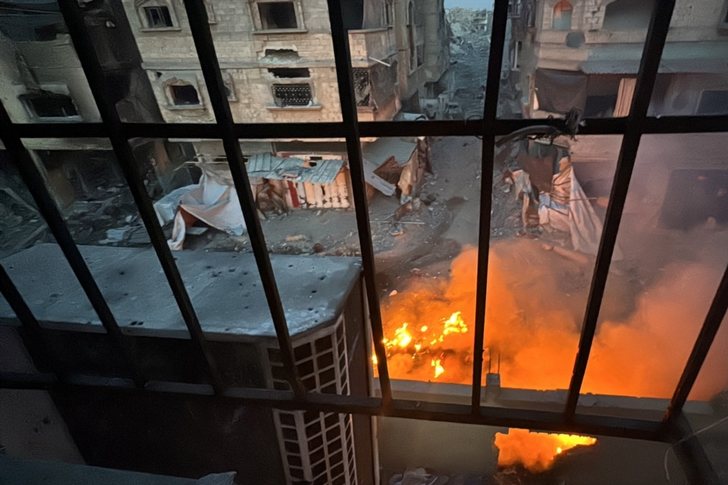
The Israeli military has arrested a director of one of the...

ALARM!! - We want clean air', 'The future cannot be seen f...
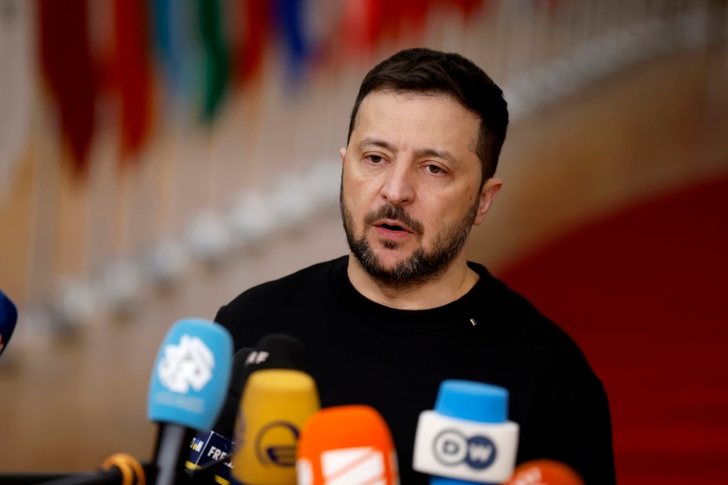
Ukrainian President Volodymyr Zelenskiy on Saturday accuse...

According to a report by German non-profit investigative...

Russian President Vladimir Putin has apologized to Aze...

The Basic Court in Struga, at the request of the Publi...

The Prime Minister of Kosovo, Albin Kurti, accused Ser...

Authoritarian leader Alyaksandr Lukashenka has extende...

Slovakia is being offered as a host country for possib...

For years it has been talked about how doctors leave K...

US President-elect Donald Trump has asked the US Supre...

Ukrainians are hoping for a prisoner swap with Russia by t...
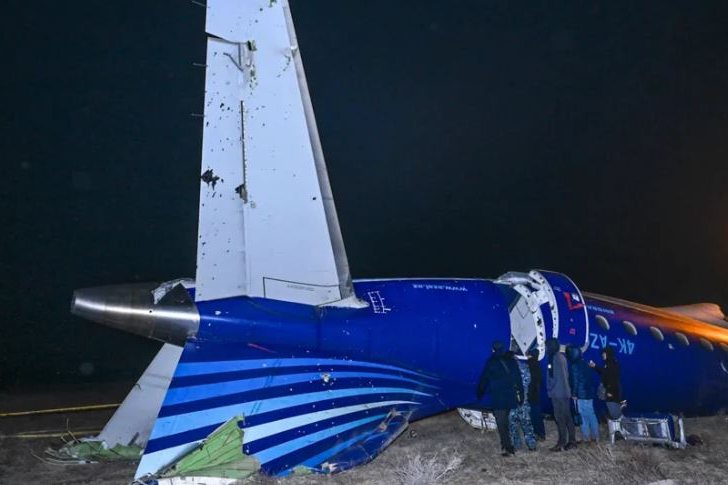
The spokesman of the White House, John Kirby, has stated t...

NATO said on Friday it would increase its presence in the ...

The driver who killed 35 people at a sports center in Zhuh...
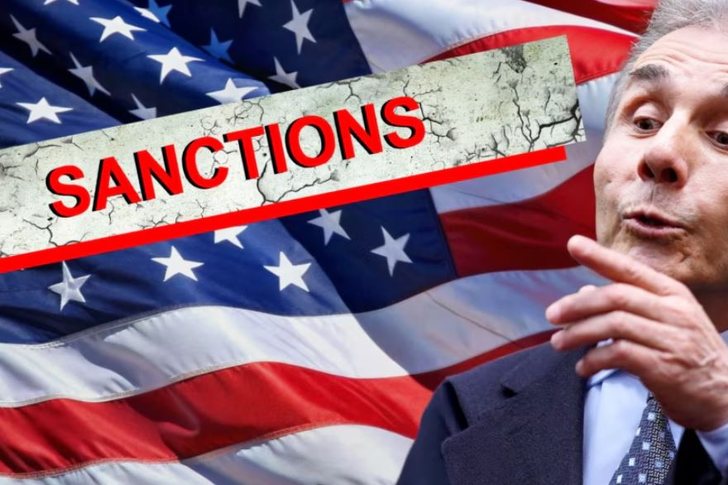
The United States announced that it has imposed sanctions ...

Kosovo confirmed the first case of Monkey Pox. The ne...
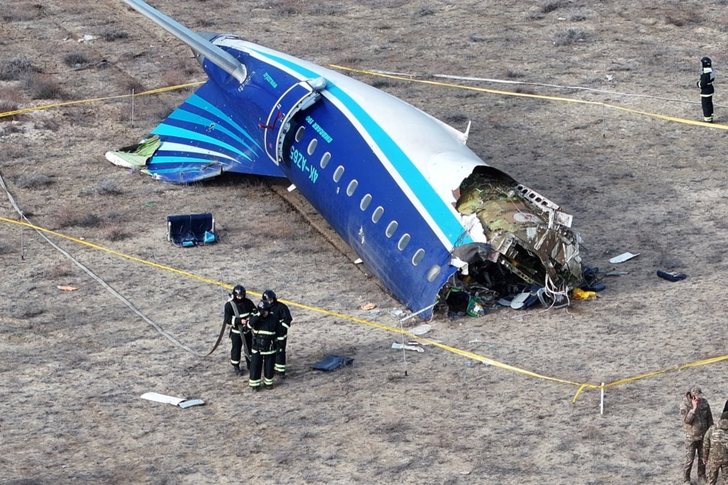
An Azerbaijani lawmaker has said there is a "high possibil...

Montenegro has decided to extradite to the United States t...

CNA has launched another investigation that could lead to ...

Irfan Hysenbelliu is a businessman that we call "Irfan the...

In March 2026, CNA launched another investigation centered...
The arrested mayor of Tirana, Erion Veliaj, with 13 charge...

The Special Board of Appeal (KPA) decided this Monday ...

The KPA vetting decided this Thursday to dismiss the p...

Suela Salavaçi, a prosecutor in the Prosecutor's Offic...

The Special Board of Appeal reinstated the prosecutor ...

New details have emerged regarding the accident that occur...

New details have emerged from the serious accident that oc...

A serious accident occurred this Wednesday on the Elbasan-...

Citizen MH, 61, a fisherman, was found dead near the islan...

A serious accident that occurred this Wednesday with the c...

The Institute of Geosciences has shared a forecast for wea...
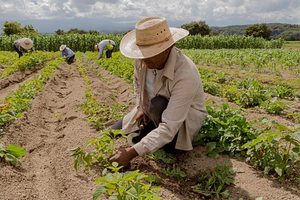
Rising energy and fertilizer prices are expected to contin...

Over 18,000 foreign citizens from 140 countries have appli...
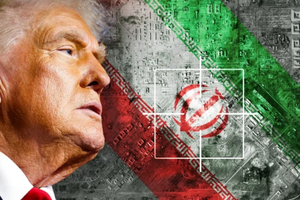
US President Donald Trump has issued another warning to Ir...

Prime Minister Andy Burnham has announced that most bus fa...

France's parliament has passed a law to ban social media f...

US Secretary of State Marco Rubio arrived in Manila on Jul...

At a time when industrial products are increasingly taking...

Trust among people is not just a three-syllable word. It c...

Master of humor Todi Llupi has passed away at the age of 7...

The ninth edition of "MIK Festival" kicked off with one of...

Businesses will no longer be required to simply register t...

Despite economic growth and income in recent years, Albani...

This Wednesday, one US dollar is bought for 81.4 lek and s...

Construction company licenses will have a validity period ...