


Gangs control 80% of the territory/ Haiti's Prime Minister resigns
Haiti's prime minister, Ariel Henry, has resigned after we...


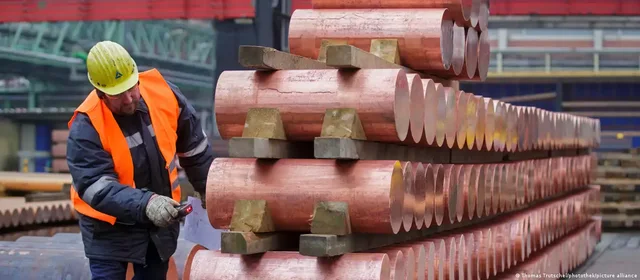
Among the most important raw materials imported into Germany after copper are lithium and rare minerals. Among them are the metals scandum, cer, promethum, terbum and thulium as well as twelve other elements. These minerals are not so rare (thulium, although rare, is found more often than gold), but these minerals are rarely found in large quantities, so their extraction is not economically profitable.
A study published a week ago by the consulting company IW Consult and the Fraunhofer ISI research institute under the mandate of KfW Research (a subsidiary of the Bank with shares from the federal KfW Bank) explains the import and has investigated the importance of these minerals for the value in the economy and employment. Copper, lithium and SEE group mineral raw materials are analyzed in this study because they are crucial for key technologies and future technologies.
Provider with great market power
According to the study, almost a third of the gross value added in the copper-containing products processing industry depends on these imports. Automobile manufacturers as well as manufacturers of electrical, electronic and optical goods are particularly dependent.
In addition to the dependence on imports, there is also the fact that the market of raw materials is controlled by only a few providers, who have great power in the market. The largest amount of reserves of rare minerals is located in China. Potential reserves in Greenland, Canada and Sweden have not been sufficiently studied and therefore cannot be classified.
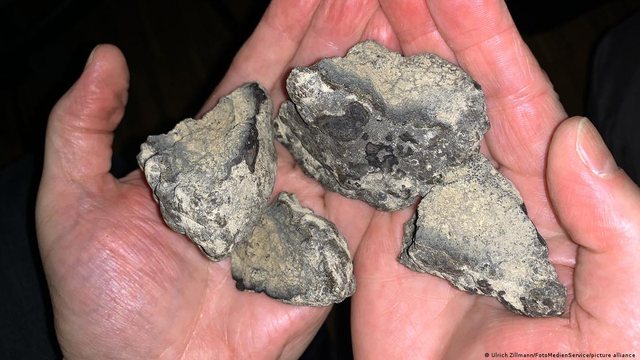
Nearly a third of Germany's lithium imports and 19 percent of copper and rare earths are considered at risk. In lithium and rare minerals, the three largest providers have an 80 percent market share. Particularly important for the German market is the fact that 72 percent of copper metal comes from Russia and the same percentage of lithium carbonate from Chile. Imports of rare minerals have long been dependent on China, which supplies 84 percent of SEE group mineral imports.
Worse than Russian gas
This dependency is observed by Matthias Wachter, head of sector at the Federal Association of German Industry (BDI). He told DW that: "Dependence for many non-energy raw materials on China is already much greater than Russia's dependence on gas."
Matthias Wachter warns, that: "The lack of diversification of the supply network jeopardizes the guarantee of supplies for Germany. Although the economic consequences of a worst-case scenario have not been seriously examined, the lack of such supplies could massively endanger Germany as an industrial area as well as the well-being of the country. Because without raw materials industrial enterprises cannot work and we will not be able to achieve our climate objectives."
Experts warn that without access to lithium there can be no battery production. So the batteries have to be imported. If it cannot be imported, electric vehicles cannot be built. As a result, there will be a loss in added industrial value and a loss of jobs./ DW

Haiti's prime minister, Ariel Henry, has resigned after we...

Palestinian doctors in Gaza have recounted the horror they...
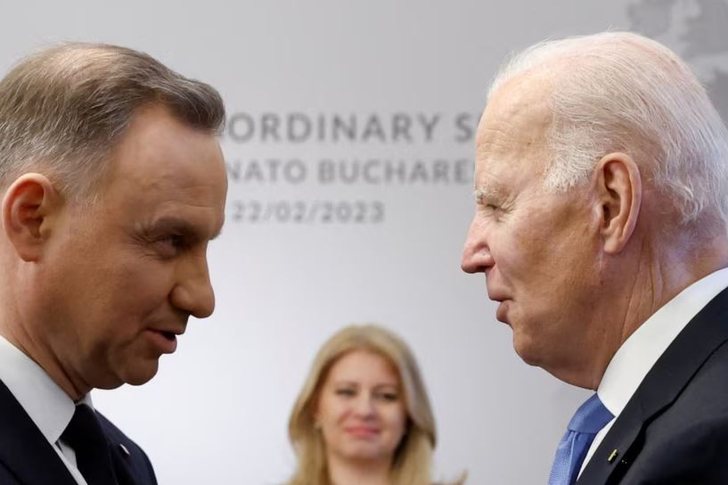
Presidenti i Shteteve të Bashkuara, Joe Biden, do t’i tako...
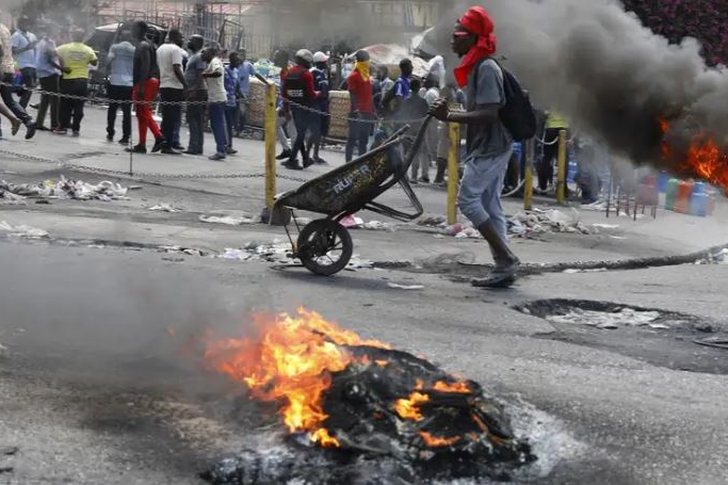
Haiti is again descending into anarchy due to gang violenc...
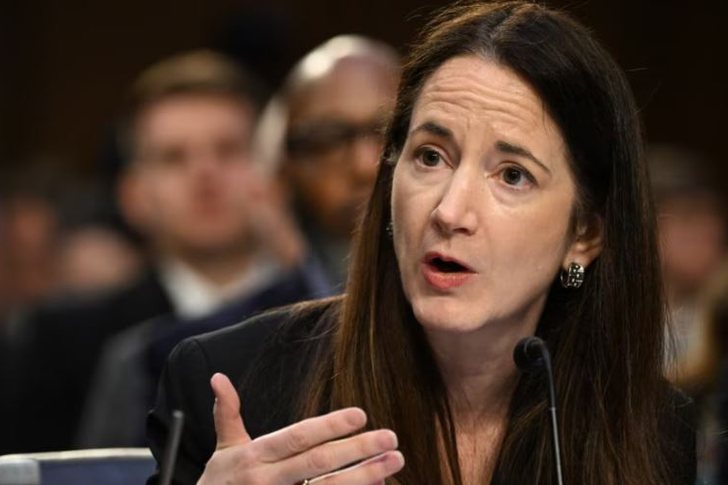
The US report on the Western Balkans states that during 20...
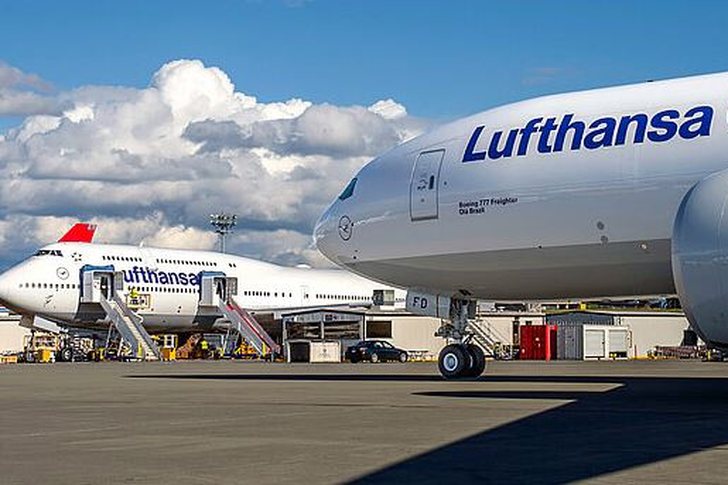
The Lufthansa company is postponing flights due to the fli...
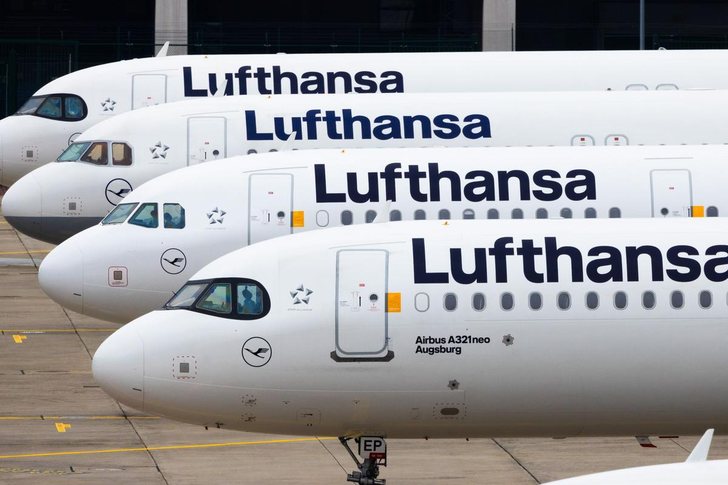
Flight attendants of the companies "Lufthansa" and "Luftha...
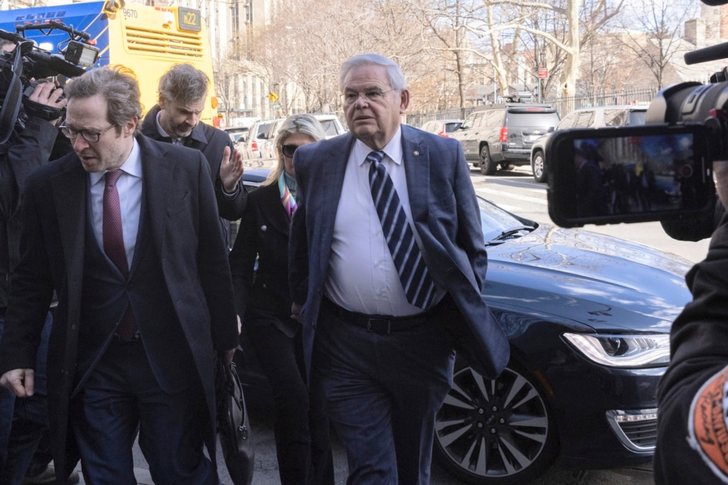
Mr. Menendez appeared at a hearing before Judge Sidney Ste...

Two Iranian women were arrested after a video of them danc...
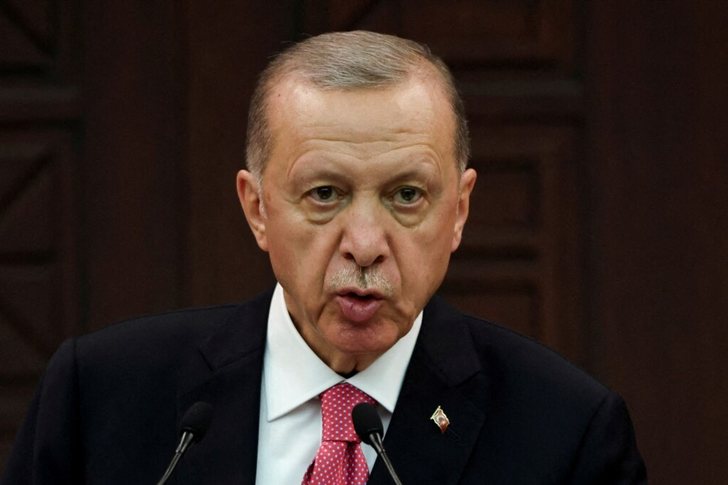
Turkey and Turkmenistan have agreed to cooperate on a majo...
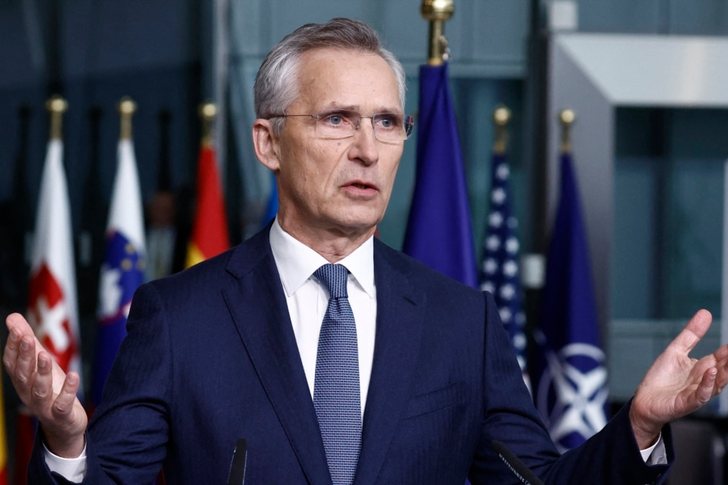
NATO chief Jens Stoltenberg hit back at comments by Pope F...
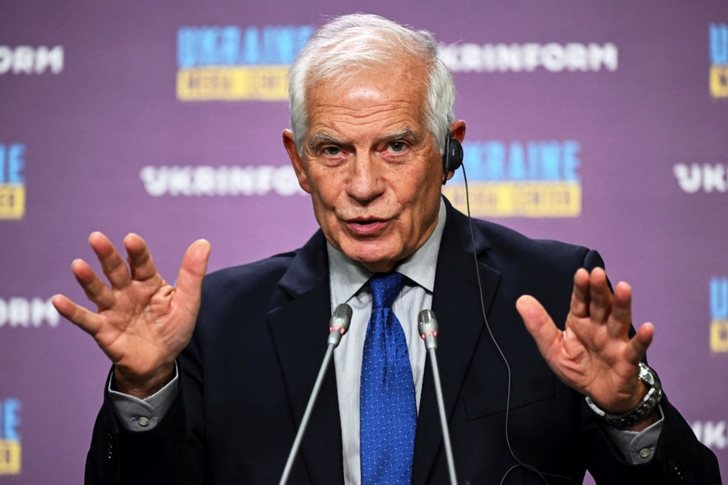
The European Union's foreign policy chief, Josep Borrell, ...
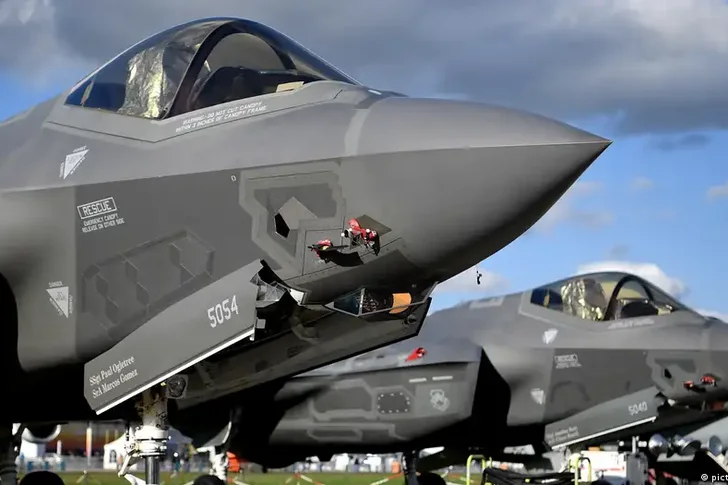
The Ukraine war has a significant impact on the global arm...
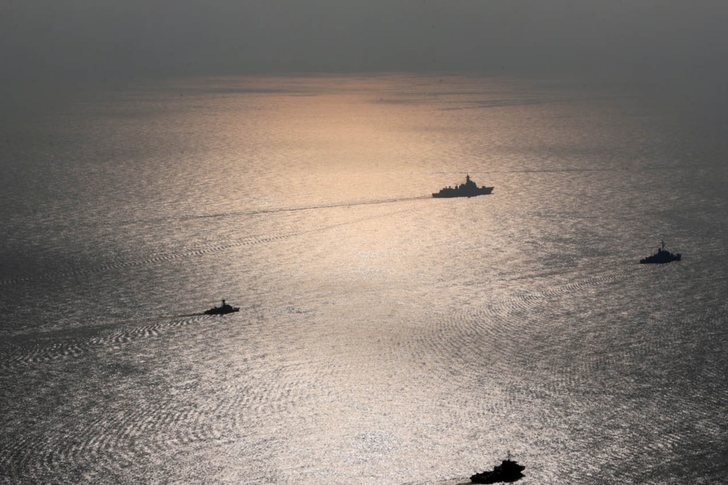
The navies of China, Russia and Iran are holding joint exe...

The US military has launched a massive ship from Virginia ...
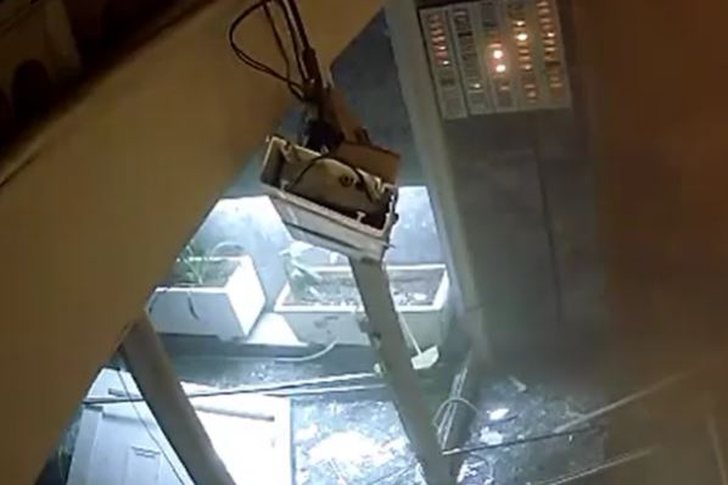
Security cameras in the area recorded the moment of the po...

Ukraine and its regional allies have criticized Pope Franc...

In two commissions of the European Parliament, the report ...

Currently, 31 percent of the population in Germany is affe...
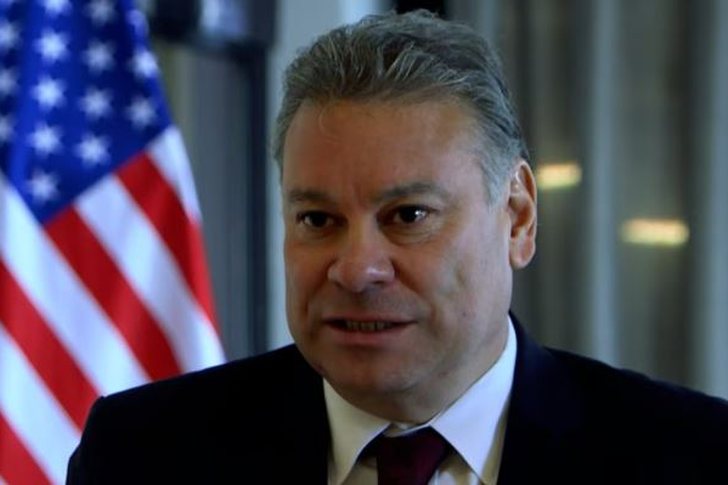
The American envoy for the Western Balkans, Gabriel Escoba...

CNA has launched another investigation that could lead to ...

Irfan Hysenbelliu is a businessman that we call "Irfan the...

In March 2026, CNA launched another investigation centered...
The arrested mayor of Tirana, Erion Veliaj, with 13 charge...

The Special Board of Appeal (KPA) decided this Monday ...

The KPA vetting decided this Thursday to dismiss the p...

Suela Salavaçi, a prosecutor in the Prosecutor's Offic...

The Special Board of Appeal reinstated the prosecutor ...

Footage emerges from the serious accident that occurred th...

A Shkodra traffic police officer was hit with hard objects...
This Wednesday, around 4:00 PM, a serious accident occurre...

Tirana Police have shared details regarding the accident t...
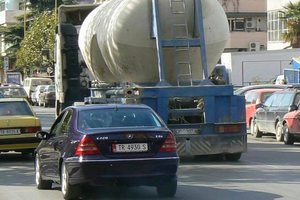
A serious accident that occurred this Wednesday with the c...

The Institute of Geosciences has shared a forecast for wea...

Rising energy and fertilizer prices are expected to contin...

Over 18,000 foreign citizens from 140 countries have appli...

The trial of ousted Venezuelan President Nicolas Maduro on...

US President Donald Trump has issued another warning to Ir...

Prime Minister Andy Burnham has announced that most bus fa...

France's parliament has passed a law to ban social media f...

At a time when industrial products are increasingly taking...

Trust among people is not just a three-syllable word. It c...

Master of humor Todi Llupi has passed away at the age of 7...

The ninth edition of "MIK Festival" kicked off with one of...
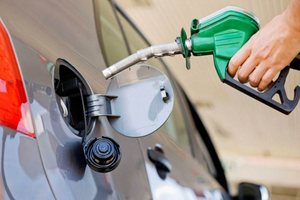
The price of diesel reached 206 lek per liter from 198 lek...

Businesses will no longer be required to simply register t...

Despite economic growth and income in recent years, Albani...
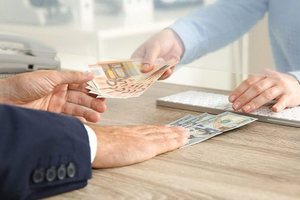
This Wednesday, one US dollar is bought for 81.4 lek and s...