


Kurti will participate in the session of the Security Council, discussing Kosovo
The Prime Minister of Kosovo, Albin Kurti, will participat...



The planet experienced its hottest January on record, according to data published by the EU's climate change service (C3S) Copernicu. High temperatures in the area continue.
2023 the warmest year
This January's record heat comes as 2023 ranks as the planet's hottest year on record, based on global records dating back to 1850, such as human-caused climate change and the El Niño phenomenon, which warms waters. surface in the eastern Pacific Ocean increasing temperatures.
Every month of last year from June onwards was the hottest on record, compared to the same months in previous years.
"Not only was it the warmest January on record, but we just experienced a 12-month period 1.5 degrees Celsius above the pre-industrial reference period," noted C3S deputy director Samantha Burgess.
"A rapid reduction in greenhouse gas emissions is the only way to stop rising global temperatures," he noted.
2024 has a one in three chance of being even warmer than 2023
According to scientists in the US, 2024 has a one in three chance of being even hotter than last year and a 99% chance of ranking in the top five hottest years.
The El Niño phenomenon began to weaken last month, and scientists have indicated that it could change to its cooler counterpart, La Niña, later this year. However, last month's global average sea surface temperatures were the hottest.
In the Paris Agreement of 2015, countries agreed to make efforts to prevent global warming to avoid causing more severe and irreversible consequences.
Although the limit of 1.5 degrees Celsius was exceeded for a period of 12 months, the world has not yet exceeded the target set by the Paris Agreement, which refers to a global average temperature over decades.
Some scientists have said that this goal is no longer realistically achievable, but have called on governments to act more quickly to reduce CO2 emissions to limit excess CO2 and deadly heat, drought and sea level rise. CNA

The Prime Minister of Kosovo, Albin Kurti, will participat...

The highest-growing occupations in Europe are mainly r...

In front of the American President Joe Biden, Chancellor S...
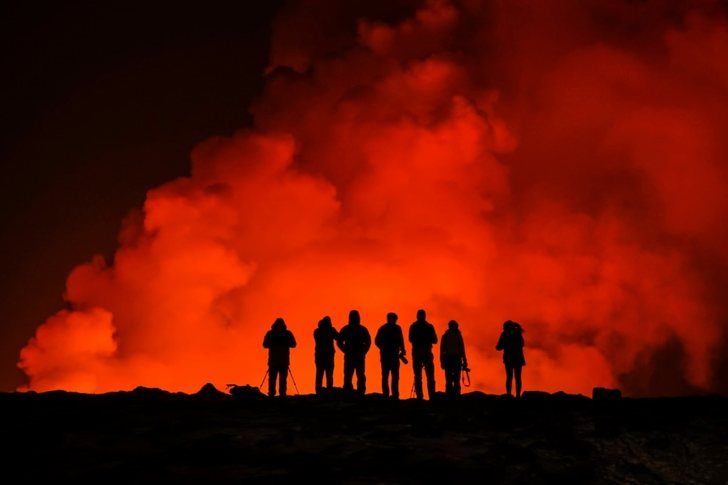
A volcano in southwest Iceland erupted on Thursday, just t...

Although the coalition of the three ruling parties in Germ...

A large explosion lit up the sky on the evening of Februar...
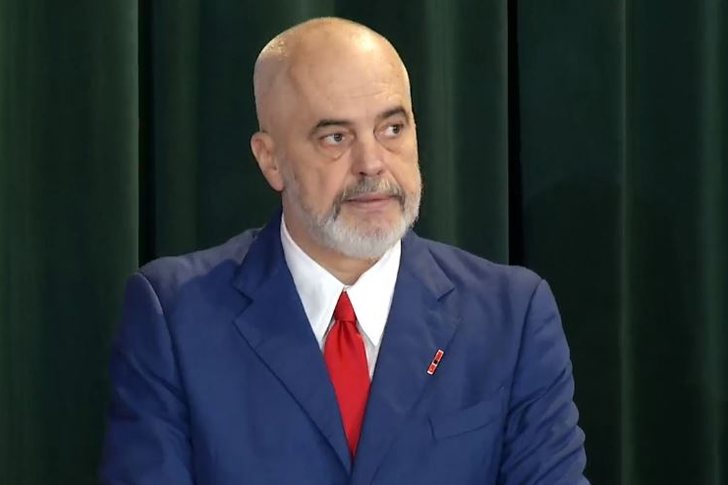
The President of Azerbaijan, Ilham Aliyev, has been re...

Një biznesmen në Greqi është qëlluar me kallashnikov në zo...

Israeli Prime Minister Benjamin Netanyahu has opposed the ...

The People's Bank of Serbia announced on Wednesday that th...

The Minister of Defense of Germany, Boris Pistorius, calle...

Hamas has put forward a series of demands, including a hos...

A bodybuilder and influencer who was born with one kid...
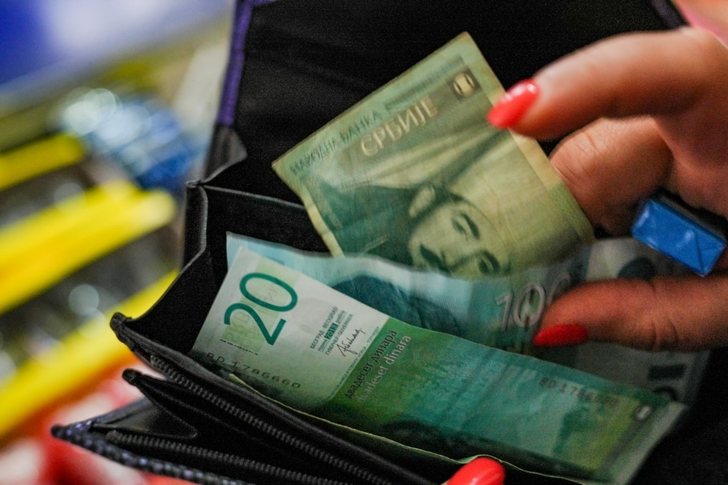
The People's Bank of Serbia said that the authorities in K...

Twin bomb blasts have killed at least 22 people in Pakista...

Russia said on Wednesday that two of its Tu-95MC strategic...

Beijing will not allow any Chinese entity or individual to...
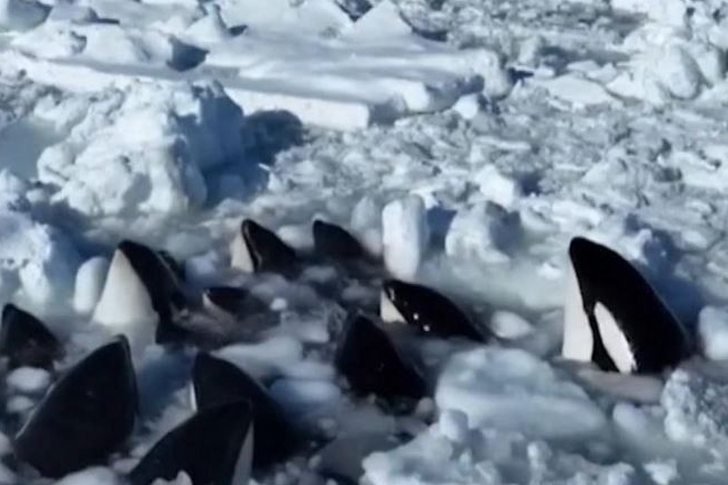
Një grup balenash vrasëse kanë ngelur në një zonë me a...

The House of Representatives failed to pass a bill Wednesd...

The Prime Minister of Kosovo, Albin Kurti, took into a...

CNA has launched another investigation that could lead to ...

Irfan Hysenbelliu is a businessman that we call "Irfan the...

In March 2026, CNA launched another investigation centered...
The arrested mayor of Tirana, Erion Veliaj, with 13 charge...

The Special Board of Appeal (KPA) decided this Monday ...

The KPA vetting decided this Thursday to dismiss the p...

Suela Salavaçi, a prosecutor in the Prosecutor's Offic...

The Special Board of Appeal reinstated the prosecutor ...

A conflict occurred this Thursday evening in the toy area ...
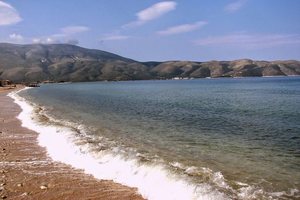
A person has died today on Orikum beach. According to repo...

Footage emerges from the serious accident that occurred th...

A Shkodra traffic police officer was hit with hard objects...

Children without parental care, for whom alternative famil...

On Thursday, our country will be under the influence of st...

A serious accident that occurred this Wednesday with the c...

The Institute of Geosciences has shared a forecast for wea...

The European Union Office in Kosovo has called on all poli...

Serbian President Aleksandar Vučić, at a press conference ...

For the first time since the launch of the euro, European ...

Artificial intelligence (AI) models from the American comp...

At a time when industrial products are increasingly taking...

Trust among people is not just a three-syllable word. It c...

Master of humor Todi Llupi has passed away at the age of 7...

The ninth edition of "MIK Festival" kicked off with one of...

The average sale price of apartments in Tirana reaches rec...

This Thursday, one US dollar is bought for 81.5 lek and so...
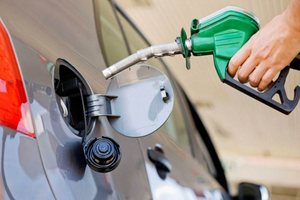
The price of diesel reached 206 lek per liter from 198 lek...

Businesses will no longer be required to simply register t...